Pancit: Is It Always Bad For Diabetes? (Expert Answer)

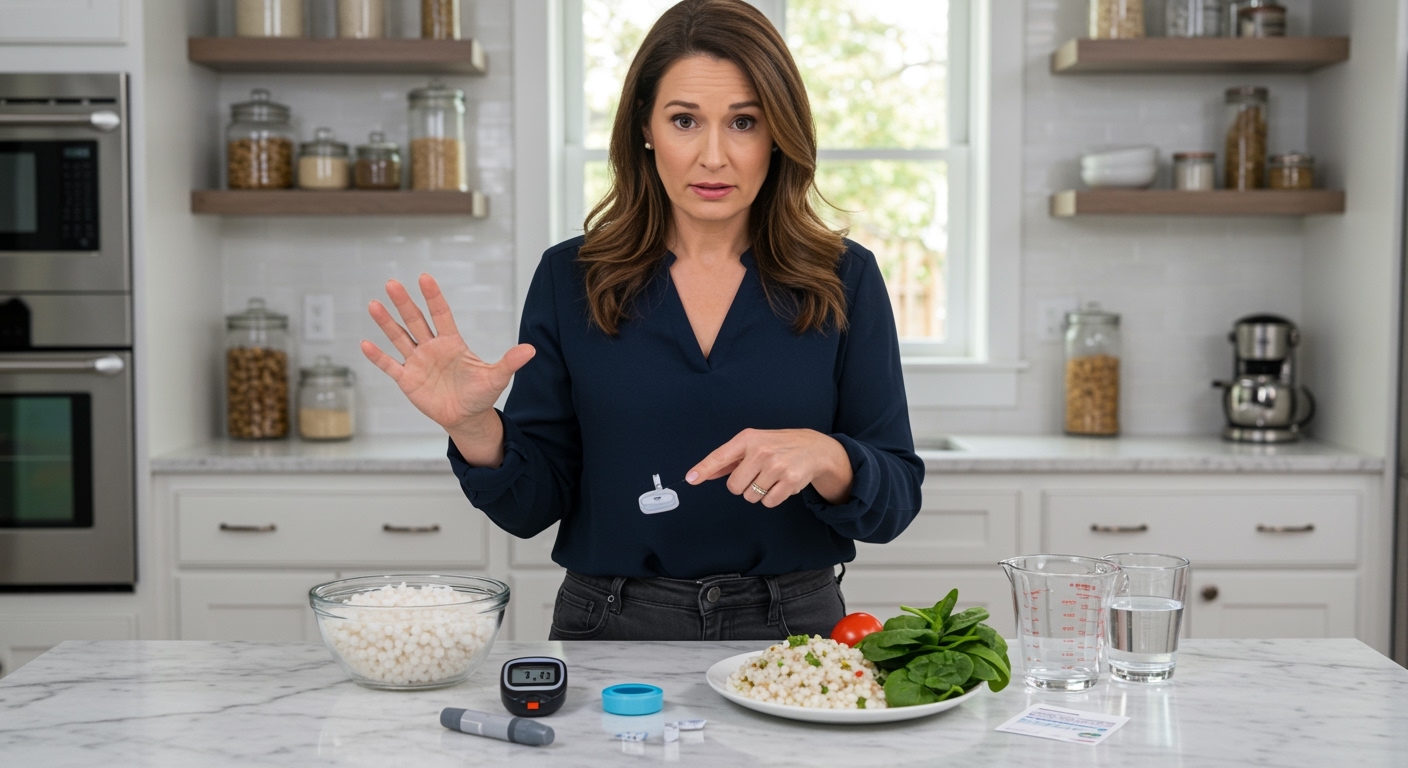
Middle-aged woman measuring noodle portions on marble countertop with glucose meter, fresh vegetables, and cooking utensils in bright kitchen

✪ Key Takeaway: Pancit is not always bad for diabetes when you control portions, choose the right type, and pair it with protein and vegetables. Introduction You love pancit but your doctor told you to watch your carbs. You might be asking this question because you want to enjoy your favorite Filipino noodle dish without spiking your blood sugar levels or you heard that all noodles are forbidden when you have diabetes. Hi, I’m Abdur, your nutrition coach and today I’m going to explain exactly how pancit affects your diabetes and what you can do to enjoy it safely. What Makes Pancit A Concern For People With Diabetes? Pancit contains refined carbohydrates that break down quickly into glucose in your bloodstream. Most traditional pancit recipes use rice noodles or wheat noodles that have a high glycemic index. The glycemic index measures how quickly a food raises your blood sugar after eating. Foods with a high glycemic index cause rapid blood sugar spikes followed by crashes that leave you hungry again. A typical serving of pancit contains 40 to 60 grams of carbohydrates depending on the portion size. Your body converts these carbohydrates into glucose within 15 to 30 minutes after eating. This rapid conversion overwhelms your insulin response when you have diabetes because your body cannot produce enough insulin or cannot use insulin effectively. ✪ Fact: Research shows that rice noodles have a glycemic index ranging from 53 to 65, which falls into the medium to high category. Does The

Almond Milk: Is It Really Good For Hypothyroidism? (Expert Answer)

Woman holding glass of almond milk while standing behind marble counter with thyroid medication, almonds, and thyroid model visible

✪ Key Takeaway: Almond milk is safe for hypothyroidism but timing matters because it can interfere with thyroid medication absorption. Introduction You switched to almond milk thinking it was the healthier choice for your thyroid. Then someone told you it might actually make your hypothyroidism worse, and now you are confused about whether you made the right decision. Hi, I am Abdur, your nutrition coach, and today I am going to explain exactly how almond milk affects your thyroid, what you need to watch out for, and when it is actually a smart choice for managing hypothyroidism. What Makes Almond Milk Different From Regular Milk For Thyroid Health? Almond milk contains no lactose, which is a huge advantage if dairy causes inflammation in your body. Many people with hypothyroidism also have Hashimoto thyroiditis, an autoimmune condition where the immune system attacks the thyroid gland. Research shows that dairy products can trigger inflammation in some people with autoimmune conditions, making their symptoms worse. Almond milk is naturally lower in calories and contains no cholesterol, which helps if you are trying to manage weight gain from a slow thyroid. However, almond milk lacks the iodine that regular milk provides, and iodine is essential for producing thyroid hormones. Most commercial almond milk is fortified with calcium and vitamin D, but these added nutrients can actually interfere with thyroid medication absorption if consumed at the wrong time. The key difference is not whether almond milk is good or bad, but rather how and when

Salt: Is It Really Good For Low Blood Pressure? (Expert Answer)

Woman standing behind marble counter with salt bowl, water glass, blood pressure monitor, and fresh vegetables in sunlit kitchen

✪ Key Takeaway: Salt temporarily raises blood pressure but creates long-term health risks that outweigh benefits for hypotension management. Introduction You feel dizzy when you stand up too quickly and someone tells you to eat more salt. This advice sounds simple and you might wonder if adding extra sodium to your meals will fix your low blood pressure problems for good. Hi, I am Abdur, your nutrition coach and today I am going to explain whether salt truly helps hypotension or if this common recommendation creates more problems than it solves. How Does Salt Actually Affect Blood Pressure? Salt contains sodium, which is an essential mineral that helps your body maintain fluid balance. When you consume sodium, it enters your bloodstream and pulls water into your blood vessels through a process called osmosis. This increased fluid volume temporarily raises the pressure inside your arteries, which is why doctors measure blood pressure in millimeters of mercury. Your kidneys normally regulate sodium levels by filtering excess amounts through urine. However, when you consistently consume high amounts of salt, your kidneys struggle to keep up and your blood vessels experience chronic stress. Research from Vanderbilt University Medical Center shows that reducing salt intake lowers blood pressure in most people, even those already taking blood pressure medications. The temporary rise in pressure from salt does not address the underlying causes of hypotension and creates new cardiovascular risks over time. ✪ Fact: A single teaspoon of table salt contains about 2,300 milligrams of sodium, which

Sorrel: Can It Help With High Blood Pressure? (Expert Answer)

Woman holding fresh red sorrel leaves on white marble counter with heart model, blood pressure monitor, and herbal tea visible

✪ Key Takeaway: Sorrel may help lower blood pressure through compounds that relax blood vessels, but evidence remains limited. Introduction You walk past the produce section and notice those deep red leaves labeled sorrel. Maybe you are searching for natural ways to manage your blood pressure without adding more pills to your daily routine. Hi, I am Abdur, your nutrition coach, and today I am going to explain whether sorrel can actually help with high blood pressure and what the science really says about this tangy plant. What Exactly Is Sorrel and Why Do People Use It? Sorrel is a leafy green plant with a distinctive sour taste that comes from oxalic acid. People around the world use different types of sorrel in cooking and traditional medicine. The most common varieties include garden sorrel, French sorrel, and Jamaican sorrel, which is actually hibiscus. Caribbean communities have used Jamaican sorrel for generations to make a festive red drink during holidays. This drink contains compounds called anthocyanins that give it that deep red color. Traditional healers claim sorrel can treat everything from fever to heart problems, but we need to separate folklore from facts. ✪ Note: Jamaican sorrel is botanically different from garden sorrel, though both are called by the same name in different regions. How Does Sorrel Affect Your Blood Vessels? Your blood pressure depends heavily on how relaxed or constricted your blood vessels are. When blood vessels tighten, your heart has to work harder to push blood through them. Sorrel

Sabudana: Is It Even Safe For Diabetes? (Expert Answer)

Middle-aged woman holding bowl of sabudana pearls while pointing at blood glucose meter on white marble countertop with vegetables

✪ Key Takeaway: Sabudana is unsafe for diabetes due to its extremely high glycemic index of 85-94 that causes rapid blood sugar spikes. Introduction You walk into the kitchen during a fasting day and see a bowl of soaked sabudana sitting on the counter. Your mind races with questions about whether this popular fasting food will send your blood sugar through the roof or keep you stable throughout the day. Hi, I am Abdur, your nutrition coach and today I am going to explain exactly why sabudana poses serious risks for diabetes management and what the science actually says about this starchy pearl. What Exactly Is Sabudana And Why Do People Eat It? Sabudana comes from the starchy extract of tapioca roots that grow underground in tropical regions. Manufacturers process these roots by crushing them into a paste, then forming small white pearls that we recognize as sabudana. People across India consume sabudana during religious fasting periods because it provides quick energy without breaking traditional fasting rules. The pearls contain almost pure starch with minimal protein, fat, or fiber content. This composition makes sabudana extremely easy to digest but also creates problems for blood sugar control. Each 100 grams of dry sabudana contains approximately 88 grams of carbohydrates with negligible amounts of other nutrients. The lack of fiber means your digestive system breaks down these carbohydrates rapidly into glucose molecules that flood your bloodstream within minutes. ✪ Fact: Sabudana contains 94% carbohydrates by weight, making it one of the most

Apple Cider Vinegar: Can It Help With Hypothyroidism? (Expert Answer)

Woman standing behind marble countertop with glass bottle of amber liquid, thyroid model, vegetables, and salmon in bright kitchen

✪ Key Takeaway: Apple cider vinegar does not directly improve hypothyroidism or thyroid hormone production despite popular claims. Introduction You scroll through social media and see another post claiming apple cider vinegar cured someone’s thyroid problems. You might be asking this question because you have hypothyroidism and feel frustrated with slow progress, or perhaps you want a natural solution that seems easier than taking medication every day. Hi, I’m Abdur, your nutrition coach, and today I’m going to explain what apple cider vinegar can and cannot do for your thyroid health based on actual science. What Does Apple Cider Vinegar Actually Do In Your Body? Apple cider vinegar is fermented apple juice that contains acetic acid as its main active component. When you consume it, the acetic acid can slightly improve insulin sensitivity and slow down how quickly your stomach empties food. Some studies show it may help with blood sugar control after meals, which is why people with diabetes sometimes use it. However, these effects have nothing to do with thyroid hormone production or the function of your thyroid gland itself. Your thyroid needs specific nutrients like iodine, selenium, zinc, and iron to produce hormones called T3 and T4. Apple cider vinegar contains none of these thyroid-supporting nutrients in meaningful amounts. ✪ Fact: Apple cider vinegar contains only trace amounts of minerals and no iodine, which is essential for thyroid hormone synthesis. Why Do People Think It Helps Hypothyroidism? The confusion comes from the fact that many people with

Coffee: Is It Even Safe For Low Blood Pressure? (Expert Answer)

Woman holding coffee mug standing behind marble counter with blood pressure monitor, heart model, and coffee beans visible in kitchen

✪ Key Takeaway: Coffee is generally safe for low blood pressure and may actually help raise it temporarily through caffeine’s effects. Introduction You reach for your morning coffee and suddenly wonder if that cup could make your low blood pressure worse. This question crosses your mind because you have heard conflicting information about caffeine and blood pressure, leaving you confused about whether your daily ritual is helping or harming your health. Hi, I am Abdur, your nutrition coach, and today I am going to explain exactly how coffee affects low blood pressure, when it is safe to drink, and how to use it strategically for your condition. What Actually Happens When You Drink Coffee With Low Blood Pressure? When you drink coffee, the caffeine enters your bloodstream within 15 to 45 minutes. This caffeine blocks adenosine receptors in your brain, which are responsible for making you feel tired and relaxed. By blocking these receptors, caffeine triggers your body to release adrenaline, the hormone that prepares you for action. This adrenaline release causes your heart to beat faster and your blood vessels to constrict slightly. The result is a temporary increase in blood pressure that typically lasts for three to four hours. For someone with low blood pressure, this effect can actually be beneficial rather than harmful. Research shows that caffeine can raise systolic blood pressure by 3 to 14 mmHg and diastolic pressure by 4 to 13 mmHg in people who do not regularly consume it. ✪ Fact: Regular coffee

Seasoning Blend: Is It Really Good For High Blood Pressure? (Expert Answer)

Woman standing at marble counter examining spice jars, salt bowl, herbs, and blood pressure monitor in bright modern kitchen

✪ Key Takeaway: Most commercial seasoning blends contain high sodium that raises blood pressure, but pure herbs and spices can help lower it naturally. Introduction You reach for that convenient seasoning blend to make dinner taste better without thinking twice about what is inside. You might be asking this question because your doctor told you to watch your sodium intake or because you heard that certain spices can help control blood pressure naturally. Hi, I am Abdur, your nutrition coach and today I am going to explain the truth about seasoning blends and how they affect your blood pressure in ways you never imagined. What Makes Most Seasoning Blends Dangerous For Blood Pressure? The biggest problem with commercial seasoning blends is the hidden sodium content that companies pack into every bottle. A single teaspoon of popular seasoning blends can contain anywhere from 200 to 600 milligrams of sodium. That amount represents up to 26 percent of your entire daily sodium limit if you follow the American Heart Association recommendation of 1500 milligrams per day. When you consume excess sodium, your body retains more water to dilute the salt concentration in your bloodstream. This extra fluid increases the volume of blood flowing through your blood vessels, which creates more pressure against artery walls. Over time, this constant pressure damages your arteries and forces your heart to work harder than it should. The worst part is that many people use multiple teaspoons of these blends throughout the day without realizing they are

Palo Azul: Can It Help With Diabetes? (Expert Answer)

Middle-aged woman holding clear teacup with blue liquid while standing behind marble counter with glucose meter and natural items

✪ Key Takeaway: Palo azul shows promising anti-diabetic properties in animal studies, but human research remains insufficient for medical recommendations. Introduction You have probably heard about palo azul tea turning water blue and promising health miracles. People with diabetes often search for natural remedies because managing blood sugar feels overwhelming and medication side effects can be frustrating. Hi, I am Abdur, your nutrition coach and today I am going to explain what science actually says about palo azul and diabetes management. What Exactly Is Palo Azul? Palo azul comes from a small tree called Eysenhardtia polystachya that grows in Mexico and parts of Central America. The name literally means blue stick in Spanish because the wood chips turn water a distinctive blue color when steeped. Traditional healers have used this plant for centuries to treat kidney problems, urinary tract issues, and various inflammatory conditions. The blue color comes from flavonoids which are plant compounds that act as antioxidants in your body. People typically prepare it by boiling the wood chips in water for 30 minutes to an hour until the liquid turns blue. The tea has a mild, slightly sweet taste that most people find pleasant and easy to drink regularly. ✪ Fact: The blue color intensity changes based on water pH levels, appearing more vibrant in alkaline water. Does Research Support Its Use for Diabetes? A 2020 study published in the Journal of Ethnopharmacology tested palo azul extract on diabetic mice and found promising results. The mice showed improved

Sea Moss: Is It Really Good For Hypothyroidism? (Expert Answer)

Woman holding thyroid gland model while standing behind marble counter with sea moss gel, dried seaweed, and supplements

✪ Key Takeaway: Sea moss can worsen hypothyroidism by causing iodine overload, especially if you take thyroid medication. Introduction Social media influencers are calling sea moss a miracle cure for thyroid problems. You probably saw videos claiming this ocean vegetable will fix your sluggish thyroid, boost your energy, and transform your health overnight. Hi, I am Abdur, your nutrition coach, and today I am going to explain why sea moss might actually harm your hypothyroidism instead of helping it. What Exactly Is Sea Moss And Why Does Everyone Talk About It? Sea moss is a type of red algae that grows along rocky coastlines in the Atlantic Ocean. People also call it Irish moss or by its scientific name, Chondrus crispus. This seaweed became trendy because it contains iodine, a mineral your thyroid gland needs to produce hormones. The wellness industry jumped on this fact and started marketing sea moss as a natural thyroid booster. Companies sell it as dried flakes, powder, capsules, or pre-made gel that you can add to smoothies. The problem is that iodine content in sea moss varies wildly depending on where it grew and how it was processed. One batch might contain very little iodine while another could have dangerously high amounts that overwhelm your thyroid function. ✪ Fact: Sea moss can contain anywhere from trace amounts to over 47,000 micrograms of iodine per gram, making dosing impossible to predict. Does Your Hypothyroid Body Actually Need More Iodine? Most people with hypothyroidism in developed countries