Chocolate: Can It Help With Low Blood Pressure? (Expert Answer)

Woman standing behind marble counter examining dark chocolate piece with blood pressure monitor and cocoa products in bright kitchen

✪ Key Takeaway: Chocolate typically lowers blood pressure rather than raising it, making it unsuitable for treating hypotension. Introduction You feel dizzy when you stand up too quickly and someone suggests eating chocolate to boost your blood pressure. You might be asking this question because you have low blood pressure and heard that chocolate could help, or perhaps you are confused about whether chocolate raises or lowers blood pressure since different sources say different things. Hi, I am Abdur, your nutrition coach, and today I am going to explain exactly how chocolate affects your blood pressure and whether it can actually help with hypotension. Does Chocolate Raise or Lower Blood Pressure? Chocolate, especially dark chocolate, contains compounds called flavonoids that have been extensively studied for their cardiovascular effects. These flavonoids work by increasing the production of nitric oxide in your blood vessel walls. Nitric oxide is a molecule that signals your blood vessels to relax and widen, which is called vasodilation. When your blood vessels widen, blood flows more easily through them, and this naturally reduces blood pressure. Multiple research studies have confirmed that regular consumption of dark chocolate or cocoa products leads to modest but consistent decreases in both systolic and diastolic blood pressure. So if you have low blood pressure, eating chocolate will not help raise it and might actually make your symptoms worse. ✪ Fact: Studies show dark chocolate can lower systolic blood pressure by 2-3 mmHg on average in healthy adults. Why Do People Think Chocolate


Chicken: Is It Really Good For Low Blood Pressure? (Expert Answer)

Woman standing behind marble counter with raw chicken, salt bowl, blood pressure monitor, water glass, herbs, and cooked chicken in kitchen

✪ Key Takeaway: Chicken alone does not significantly raise low blood pressure, but its sodium and protein content may provide modest support. Introduction You wake up feeling dizzy, your vision blurs when you stand, and someone tells you to eat more chicken to fix your low blood pressure. You might be asking this question because you have heard that protein-rich foods like chicken can help stabilize blood pressure, or perhaps your doctor mentioned adding more lean meat to your diet. Hi, I am Abdur, your nutrition coach, and today I am going to explain exactly how chicken affects low blood pressure, what science actually says, and whether you should rely on it as a dietary solution. What Does Chicken Actually Do To Your Blood Pressure? Chicken itself does not have any magical property that directly raises your blood pressure. Your blood pressure depends on multiple factors including blood volume, heart function, blood vessel elasticity, and hormonal regulation. What chicken does provide is high-quality protein, B vitamins, and depending on preparation, varying amounts of sodium. The protein content in chicken helps maintain muscle mass and supports overall body function, but it does not trigger immediate blood pressure changes. Some studies suggest that certain chicken proteins may have mild effects on blood pressure regulation through their interaction with enzymes that control blood vessel constriction. However, these effects are generally more relevant for people with high blood pressure, not low blood pressure. The real benefit of chicken for someone with hypotension comes from

Cheese: Is It That Bad For Low Blood Pressure? (Expert Answer)

Woman standing behind marble countertop examining cheese blocks next to blood pressure monitor, salt bowl, water glass, and heart model

✪ Key Takeaway: Cheese can actually help low blood pressure because its sodium content raises blood pressure naturally when consumed in moderation. Introduction You have been told your whole life that cheese is bad for your blood pressure. But what if your problem is the exact opposite and you struggle with low blood pressure that makes you feel dizzy, tired, and weak throughout the day? Hi, I am Abdur, your nutrition coach and today I am going to explain whether cheese is actually bad for low blood pressure or if it might be one of the helpful foods you have been avoiding unnecessarily. Why Does Everyone Say Cheese Is Bad For Blood Pressure? The common belief about cheese comes from its high sodium content which is known to raise blood pressure in most people. Health organizations have spent decades warning people about excessive sodium intake because it contributes to hypertension and heart disease in the general population. A single ounce of cheddar cheese contains approximately 174 milligrams of sodium which represents about 8 percent of the daily recommended limit. This message has been repeated so often that people automatically assume all cheese is harmful regardless of their individual health situation. But this blanket recommendation does not account for people who actually need to increase their blood pressure rather than lower it. When you have low blood pressure, the same sodium that others need to avoid might actually become your ally in managing your condition. ✪ Fact: Research from Penn State

Celery: Can It Help With Low Blood Pressure? (Expert Answer)

Middle-aged woman holding celery stalk while standing behind marble counter with blood pressure monitor and healthy foods visible

✪ Key Takeaway: Celery may lower blood pressure, making it potentially problematic for people with hypotension who need to raise their levels. Introduction You grab a celery stick thinking it is the perfect healthy snack for your afternoon break. But what if this crunchy vegetable is actually working against your body when you have low blood pressure? Hi, I am Abdur, your nutrition coach, and today I am going to explain whether celery can help with low blood pressure or if it might actually make your condition worse. What Does Celery Actually Do to Your Blood Pressure? Celery contains a compound called 3-n-butylphthalide that researchers have studied extensively for its effects on blood pressure. This compound works by relaxing the smooth muscles in the walls of your blood vessels. When your blood vessels relax, they become wider, which allows blood to flow more easily through them. This process naturally reduces the pressure that blood exerts against your vessel walls. Multiple studies have shown that celery and its extracts can lower blood pressure in people with hypertension. If you already have low blood pressure, this effect could push your numbers even lower into dangerous territory. ✪ Fact: Celery contains phthalides that can reduce blood pressure by up to 7 points in some individuals with hypertension. Why Would Someone With Low Blood Pressure Consider Celery? Many people hear about celery being a healthy vegetable without understanding its specific effects on blood pressure. Social media and wellness influencers often promote celery juice as

Cayenne Pepper: Is It Even Safe For Low Blood Pressure? (Expert Answer)

Middle-aged woman standing behind marble countertop with cayenne pepper, fresh peppers, and blood pressure monitor in bright kitchen

✪ Key Takeaway: Cayenne pepper is generally safe for low blood pressure when used in normal food amounts, though caution is needed with supplements. Introduction You reach for the cayenne pepper to spice up your dinner, then suddenly pause. Your doctor mentioned you have low blood pressure, and now you are wondering if this fiery red spice could make things worse. Hi, I am Abdur, your nutrition coach, and today I am going to explain whether cayenne pepper is safe for people with low blood pressure and what you really need to know before using it. What Does Cayenne Pepper Actually Do To Blood Pressure? Cayenne pepper contains a compound called capsaicin, which gives it that burning sensation you feel on your tongue. This capsaicin has been studied extensively for its effects on cardiovascular health and blood circulation. Research shows that capsaicin can help dilate blood vessels, which means it makes them wider and allows blood to flow more easily. When blood vessels dilate, this typically leads to a reduction in blood pressure rather than an increase. The compound works by stimulating the release of nitric oxide, a molecule that helps relax the smooth muscles in blood vessel walls. Most studies have focused on cayenne pepper’s ability to lower high blood pressure, not its effects on already low blood pressure. This is where the confusion comes in for people who already have hypotension, which is the medical term for low blood pressure. ✪ Fact: Capsaicin from cayenne pepper activates specific

Carrot Juice: Can It Help With Low Blood Pressure? (Expert Answer)

Woman standing behind marble counter with carrot juice, fresh carrots, blood pressure monitor, and heart model in bright kitchen

✪ Key Takeaway: Carrot juice can temporarily raise blood pressure through sodium and natural sugars but is not a reliable solution for hypotension. Introduction You wake up feeling dizzy, your vision blurs when you stand, and you wonder if something as simple as carrot juice could fix your low blood pressure. You might be asking this question because you have heard that certain foods can help raise blood pressure naturally, and carrot juice seems like a healthy option that could work. Hi, I am Abdur, your nutrition coach, and today I am going to explain exactly how carrot juice affects your blood pressure levels, what science says about its effectiveness, and whether you should rely on it for managing hypotension. What Happens to Your Blood Pressure When You Drink Carrot Juice? When you drink carrot juice, your body absorbs natural sugars quickly, which can cause a temporary increase in blood sugar levels. This rise in blood sugar triggers your pancreas to release insulin, which helps cells absorb glucose for energy. The insulin response can cause your blood vessels to retain more sodium and water, which increases blood volume temporarily. When blood volume increases, your heart pumps more blood through your arteries, which can raise your blood pressure for a short period. However, this effect is temporary and typically lasts only one to two hours after consumption. If you have chronic low blood pressure, this temporary boost will not provide lasting relief or address the underlying cause of your condition. ✪

Carrots: Are They Really Good For Low Blood Pressure? (Expert Answer)

Middle-aged woman standing behind white marble counter with fresh whole carrots, carrot halves, bowl of carrot slices, and heart model

✪ Key Takeaway: Carrots may help with high blood pressure but are not beneficial for low blood pressure conditions. Introduction You have heard that carrots are good for your eyes, but what about your blood pressure? Many people with low blood pressure wonder if eating carrots will help raise their numbers or make things worse. Hi, I am Abdur, your nutrition coach, and today I am going to explain exactly how carrots affect your blood pressure and whether they belong in your diet when your readings run low. What Do Carrots Actually Do to Blood Pressure? Carrots contain potassium, which is a mineral that helps your body balance sodium levels. When potassium enters your bloodstream, it signals your kidneys to release excess sodium through urine. This process causes your blood vessels to relax and widen, which reduces pressure against artery walls. Research shows that foods high in potassium can lower blood pressure in people with hypertension. One medium carrot provides about 230 milligrams of potassium, which is roughly 5 percent of your daily requirement. The problem is that this blood pressure lowering effect works against you when your readings are already too low. If you struggle with hypotension, eating large amounts of carrots could potentially make your symptoms worse. ✪ Fact: One cup of carrot juice contains nearly 700 milligrams of potassium, three times more than a whole carrot. Why Does Potassium Lower Blood Pressure? Your body maintains a delicate sodium-potassium balance that directly affects blood pressure. Sodium causes your

Candy: Is It Really Good For Low Blood Pressure? (Expert Answer)

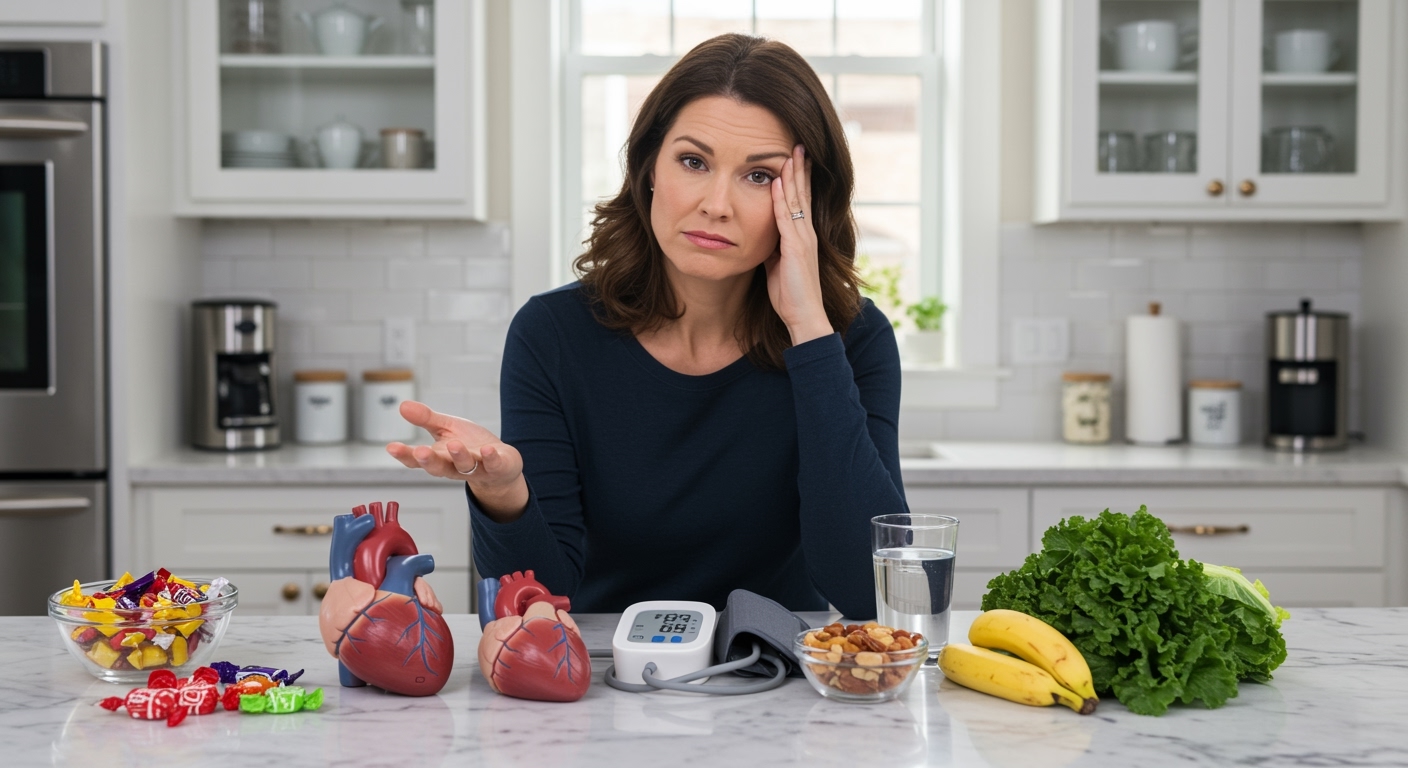
Middle-aged woman standing behind marble counter with candies, heart model, blood pressure cuff, water, vegetables, nuts, and banana.

✪ Key Takeaway: Candy provides temporary relief but worsens low blood pressure through rebound drops, making whole foods the smarter choice. Introduction Your vision blurs and the room starts spinning as you reach for the nearest candy bar hoping it will save you from fainting. You might be wondering if candy actually helps low blood pressure or if this popular advice is just another health myth that does more harm than good. Hi, I am Abdur, your nutrition coach and today I am going to explain exactly what happens when you use candy to manage low blood pressure and reveal the safer alternatives that actually work. What Actually Happens When You Eat Candy For Low Blood Pressure? When you eat candy, the simple sugars rush into your bloodstream within minutes causing a rapid spike in blood glucose levels. Your body responds by releasing insulin from the pancreas to handle this sudden sugar flood and move glucose into your cells. This insulin surge temporarily increases blood volume and causes your blood vessels to constrict slightly, which can raise your blood pressure for a short period. Research published in the American Journal of Hypertension shows that sugar consumption does trigger immediate cardiovascular changes that affect blood pressure readings. However, this effect is extremely short-lived and typically lasts only 15 to 30 minutes before your body compensates. The real problem starts when your blood sugar crashes after this initial spike, often dropping even lower than where you started. This rebound effect can make

Cabbage: Can It Help With Low Blood Pressure? (Expert Answer)

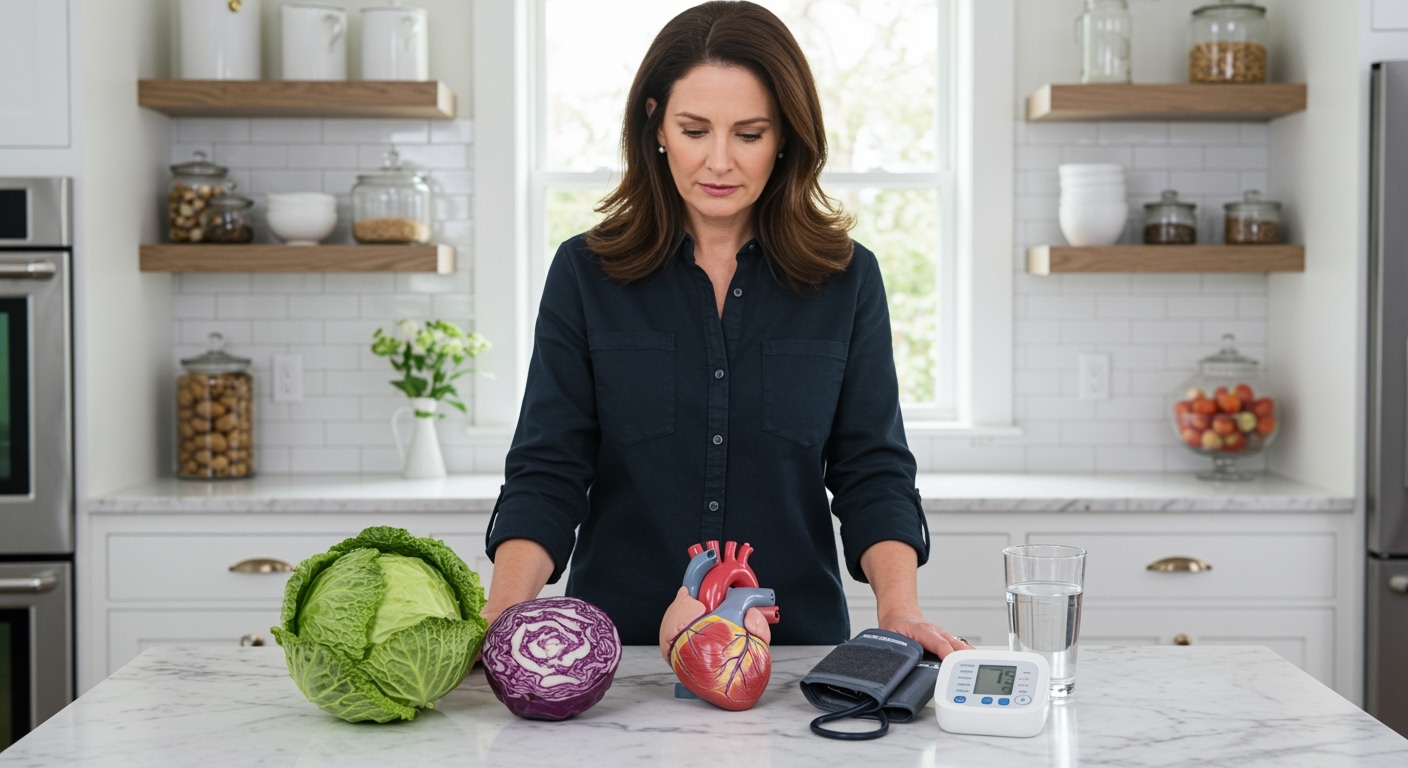
Woman standing behind marble counter with whole green cabbage, halved purple cabbage, heart model, blood pressure cuff, and water glass

✪ Key Takeaway: Cabbage cannot help with low blood pressure because it actually lowers blood pressure further through its potassium and antioxidant content. Introduction You feel dizzy when you stand up too quickly and wonder if eating more vegetables might fix this problem. You might be asking this question because someone told you that cabbage is good for blood pressure, but they did not specify whether it helps with high or low blood pressure, and now you are confused about whether it will help or harm your condition. Hi, I am Abdur, your nutrition coach, and today I am going to explain exactly how cabbage affects your blood pressure, why it actually works against low blood pressure, and what you should eat instead if you struggle with hypotension. What Does Cabbage Actually Do to Your Blood Pressure? Cabbage contains high amounts of potassium, with about 170 milligrams per 100 grams of raw cabbage. Potassium works by helping your kidneys remove excess sodium from your body through urine. When sodium levels drop, your blood vessels relax and widen, which reduces the pressure inside them. This mechanism is exactly why doctors recommend potassium-rich foods to people with high blood pressure. A 2024 study published in BMC Medicine found that cruciferous vegetables like cabbage significantly lowered blood pressure more than root vegetables. The research showed that people who ate more cruciferous vegetables had lower systolic and diastolic readings compared to those who ate fewer of these vegetables. If your blood pressure is already

Buttermilk: Is It Really Good For Low Blood Pressure? (Expert Answer)

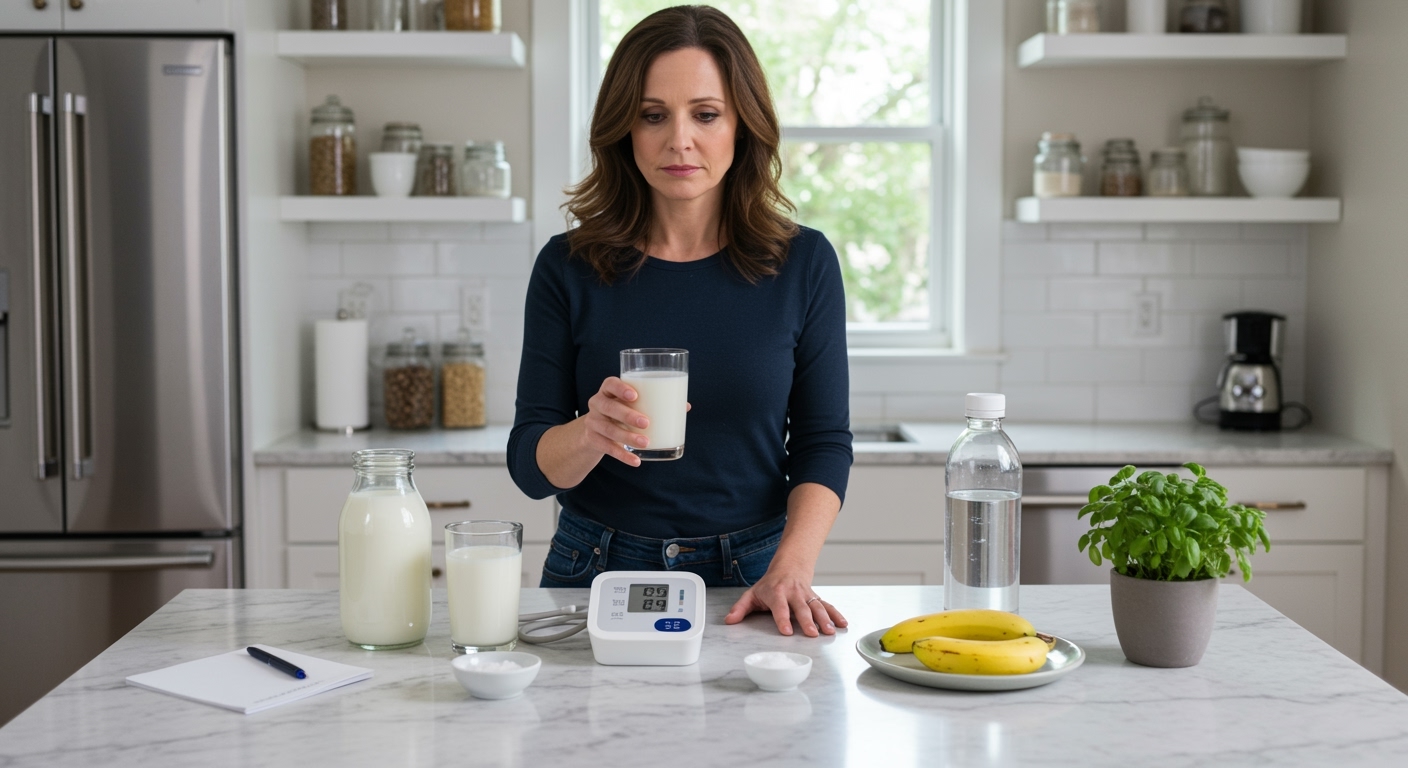
Woman holding buttermilk glass near blood pressure monitor with salt, water, banana, herbs, and notepad on white marble countertop

✪ Key Takeaway: Buttermilk can help low blood pressure temporarily through hydration and sodium, but it is not a reliable long-term solution. Introduction You feel dizzy when you stand up too quickly and someone tells you to drink buttermilk. You might be asking this question because you have heard that buttermilk raises blood pressure naturally, or perhaps a family member suggested it as a traditional remedy for your lightheadedness and fatigue. Hi, I am Abdur, your nutrition coach and today I am going to explain whether buttermilk truly helps with low blood pressure and what you need to know before making it part of your daily routine. What Does Buttermilk Actually Contain That Affects Blood Pressure? Buttermilk contains sodium, which is the primary mineral that influences blood pressure levels in your body. One cup of cultured buttermilk typically provides around 250 to 350 milligrams of sodium, depending on the brand and preparation method. Sodium helps your body retain water, which increases the blood volume circulating through your vessels. When blood volume increases, your blood pressure naturally rises because more fluid is pushing against the walls of your arteries. Buttermilk also contains potassium, calcium, magnesium, and probiotics, but these nutrients do not directly raise blood pressure the way sodium does. The hydration you get from drinking buttermilk also plays a role because dehydration is a common cause of low blood pressure. ✪ Fact: Traditional buttermilk from churning butter contains far less sodium than the cultured buttermilk you buy in stores today.