
Liver: Is It Even Safe For High Blood Pressure? (Expert Answer)

Woman standing behind marble counter with liver model, blood pressure monitor, cooked liver, vegetables, and supplements in kitchen

✪ Key Takeaway: Liver is safe for high blood pressure when eaten in small portions once or twice monthly due to its high cholesterol content. Introduction You walk past the meat section and see fresh liver sitting there looking innocent. Your grandmother swears it cured her anemia but your doctor warned you about cholesterol and your blood pressure readings keep climbing. Hi, I am Abdur, your nutrition coach and today I am going to explain whether liver is actually safe for people managing high blood pressure. What Makes Liver So Nutritionally Powerful Yet Controversial? Liver stands as one of the most nutrient-dense foods on this planet. A single 100-gram serving of beef liver contains more than 700 percent of your daily vitamin A needs. It also delivers massive amounts of vitamin B12, iron, copper, and folate in quantities that few other foods can match. The controversy begins when you look at the cholesterol content which sits around 400 milligrams per 100-gram serving. This amount represents more than the entire daily recommended limit that many health organizations suggest. People with high blood pressure often worry about cholesterol because elevated blood cholesterol can contribute to arterial stiffness and plaque buildup. The liver also filters toxins in animals which makes some people nervous about consuming it regularly. ✪ Fact: Liver stores vitamins but does not store toxins, which are processed and eliminated by the organ rather than accumulated. How Does Dietary Cholesterol Actually Affect Blood Pressure? The relationship between dietary cholesterol and blood
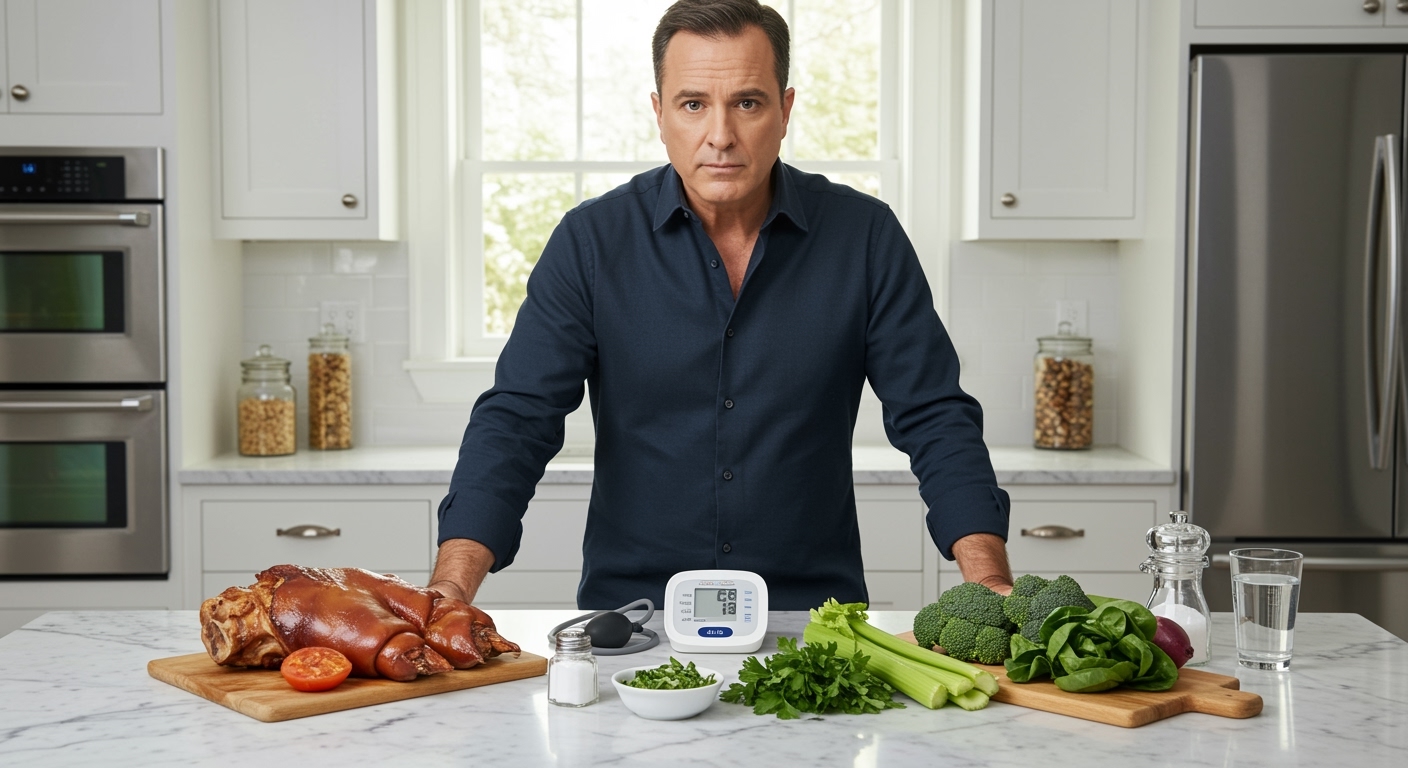

Cow Foot: Is It That Bad For High Blood Pressure? (Expert Answer)

Middle-aged man standing behind marble counter with cooked cow foot, blood pressure monitor, salt shaker, and fresh vegetables

✪ Key Takeaway: Cow foot is bad for high blood pressure because it contains high sodium and cholesterol that directly raise blood pressure levels. Introduction Your grandmother swears by cow foot soup for strength and vitality. But your doctor just told you that your blood pressure numbers are climbing into dangerous territory. You are probably wondering whether this traditional delicacy is sabotaging your health, and that is exactly why you are here searching for answers. Hi, I am Abdur, your nutrition coach, and today I am going to explain the real relationship between cow foot and high blood pressure so you can make informed decisions about your diet. What Makes Cow Foot Different From Regular Meat? Cow foot is not your typical muscle meat like steak or chicken breast. It consists mainly of skin, tendons, ligaments, and bones with very little actual muscle tissue. This unique composition means it contains high amounts of collagen and gelatin but also comes with specific nutritional challenges. The preparation method matters tremendously because cow foot is almost always cooked with large amounts of salt to enhance flavor and tenderize the tough tissues. Traditional recipes often include additional sodium-rich ingredients like bouillon cubes, soy sauce, or seasoning salts. This cooking style transforms what might be a moderately concerning food into a genuine blood pressure threat. ✪ Fact: A single serving of traditional cow foot soup can contain more than 2000 milligrams of sodium, which exceeds the entire daily recommended limit. How Does Sodium In Cow

Mustard: Is It Really Good For High Blood Pressure? (Expert Answer)

Middle-aged woman standing behind marble counter with mustard products, heart model, and blood pressure monitor in bright kitchen

✪ Key Takeaway: Mustard seeds and greens may help lower blood pressure, but commercial mustard products often contain high sodium that can raise it. Introduction You reach for that yellow bottle at every barbecue without thinking twice about what it does to your blood pressure. Maybe your doctor told you to watch your sodium intake, or perhaps you heard someone mention that mustard seeds have health benefits, and now you are confused about whether this popular condiment helps or hurts your cardiovascular health. Hi, I am Abdur, your nutrition coach, and today I am going to explain exactly how mustard affects your blood pressure and what you need to know before adding it to your meals. What Type of Mustard Are We Actually Talking About? The word mustard refers to three completely different things that affect your blood pressure in very different ways. First, you have mustard seeds, which are tiny round seeds from the mustard plant that contain beneficial compounds called glucosinolates. Second, you have mustard greens, which are the leafy vegetables from the same plant family that provide vitamins, minerals, and fiber. Third, you have commercial mustard condiments like the yellow squeeze bottle in your refrigerator that contains mustard seeds mixed with vinegar, salt, and other ingredients. Most research about mustard and blood pressure focuses on the seeds and greens, not the processed condiment you buy at the store. This distinction matters because what works in a laboratory study using pure mustard seed extract does not always translate

Salted Peanuts: Are They Always Bad For High Blood Pressure? (Expert Answer)

Woman holding glass bowl of salted peanuts while standing behind marble countertop with heart model and blood pressure monitor visible

✪ Key Takeaway: Salted peanuts contain surprisingly low sodium and may actually help lower blood pressure when eaten in moderation. Introduction You grab a handful of salted peanuts and suddenly feel guilty about your blood pressure numbers. You might be asking this question because your doctor warned you about sodium, yet you love peanuts and wonder if the salt makes them completely off-limits for your heart health. Hi, I am Abdur, your nutrition coach and today I am going to explain why salted peanuts are not the blood pressure villain you think they are and how you can enjoy them without guilt. How Much Sodium Do Salted Peanuts Actually Contain? Most people believe salted peanuts are loaded with sodium that will instantly spike their blood pressure. The truth is that a one-ounce serving of oil-roasted salted peanuts contains only about 90 to 140 milligrams of sodium. This amount is surprisingly low compared to other salty snacks like potato chips, which can contain 150 to 200 milligrams per ounce. The American Heart Association has even certified certain brands of oil-roasted salted peanuts as heart-healthy because they meet the low-sodium criteria. To put this in perspective, the recommended daily limit for sodium is 2,300 milligrams for most adults, and ideally 1,500 milligrams for those with high blood pressure. A single serving of salted peanuts represents only about 6 percent of your daily sodium allowance. The real sodium culprits in your diet are processed foods, restaurant meals, canned soups, and frozen dinners that

Onion: Is It Even Important For High Blood Pressure? (Expert Answer)

Middle-aged woman holding red onion behind marble counter with sliced onions, heart model, and blood pressure monitor visible

✪ Key Takeaway: Onions contain quercetin and sulfur compounds that relax blood vessels and reduce blood pressure by 3-8 mmHg naturally. Introduction You probably walked past onions in the grocery store yesterday without giving them a second thought. Most people wonder if simple kitchen vegetables can actually make a difference when dealing with something as serious as high blood pressure, especially when doctors keep prescribing expensive medications. Hi, I am Abdur, your nutrition coach and today I am going to explain exactly how onions affect your blood pressure and whether they deserve a permanent spot on your plate. What Makes Onions Special For Blood Pressure? Onions contain a powerful flavonoid called quercetin that acts like a natural blood vessel relaxer. This compound works by increasing nitric oxide production in your blood vessel walls. Nitric oxide signals your blood vessels to widen, which immediately reduces pressure against artery walls. Research shows that consuming quercetin-rich foods can lower systolic blood pressure by 3-5 mmHg and diastolic pressure by 2-3 mmHg. Red and yellow onions contain the highest concentrations of quercetin, especially in their outer layers. The sulfur compounds in onions also prevent platelet clumping, which improves blood flow throughout your body. Most people throw away the papery outer layers and the first thick ring, but these parts contain up to 20 times more quercetin than the inner flesh. ✪ Fact: One medium red onion contains about 32 mg of quercetin, while white onions contain only 10 mg. How Much Onion Do You

Hot Water: Can It Help With High Blood Pressure? (Expert Answer)

Woman holding glass of hot water behind marble counter with blood pressure monitor, heart model, and other health items visible

✪ Key Takeaway: Hot water can temporarily lower blood pressure through vasodilation, but it is not a standalone treatment for hypertension. Introduction You wake up every morning and reach for that glass of water on your nightstand. But have you ever wondered if the temperature of that water could actually affect your blood pressure readings throughout the day? Hi, I am Abdur, your nutrition coach, and today I am going to explain exactly how hot water interacts with your cardiovascular system and whether this simple habit deserves a place in your blood pressure management routine. What Happens to Your Blood Vessels When You Drink Hot Water? When you drink hot water, your body temperature rises slightly. This temperature increase triggers a process called vasodilation, where your blood vessels expand and widen. Think of your blood vessels like garden hoses that can change their diameter. When these vessels widen, blood flows more easily through them with less resistance. This reduced resistance means your heart does not have to work as hard to pump blood throughout your body. The result is a temporary drop in blood pressure that can last anywhere from 30 minutes to a few hours. Research published in the journal Hypertension Research found that hot water bathing led to measurable improvements in vascular function among participants. ✪ Fact: Your blood vessels contain smooth muscle that responds to temperature changes within minutes of exposure to hot water. Does Hot Water Work Better Than Cold Water for Blood Pressure? Cold water

Onions: Are They Really Good For High Blood Pressure? (Expert Answer)

Middle-aged woman examining red onions on marble countertop with blood pressure monitor and heart model in bright modern kitchen

✪ Key Takeaway: Onions can help lower blood pressure through sulfur compounds and quercetin that relax blood vessels and reduce inflammation. Introduction You probably slice onions into your cooking every single day without thinking twice about their health benefits. Maybe your doctor recently told you that your blood pressure numbers are creeping up, and now you are wondering if those everyday onions sitting in your kitchen could actually help bring those numbers down naturally. Hi, I am Abdur, your nutrition coach, and today I am going to explain exactly how onions affect your blood pressure, what the science really says, and whether you should count on them as part of your hypertension management strategy. What Makes Onions Special For Blood Pressure? Onions contain sulfur compounds that give them their distinctive smell and taste. These same compounds also help your blood vessels relax and widen, which directly lowers the pressure inside your arteries. The main player here is a compound called allicin, which forms when you cut or crush onions and their cells break open. Onions also pack a powerful antioxidant called quercetin, especially concentrated in the outer layers and red varieties. Quercetin works by reducing inflammation in your blood vessel walls and improving their ability to expand and contract properly. When your blood vessels function better, your heart does not have to work as hard to pump blood throughout your body. ✪ Fact: Red and yellow onions contain significantly more quercetin than white onions, making them better choices for blood

Seasoning: Is It Always Bad For High Blood Pressure? (Expert Answer)

Woman sprinkling herbs over various seasonings including chili flakes, turmeric, garlic, rosemary, and spices on marble countertop.

✪ Key Takeaway: Most seasonings are safe for high blood pressure, and many herbs and spices actually help lower it naturally. Introduction You probably think all seasonings are dangerous when you have high blood pressure. This fear makes sense because doctors always warn about salt, and most people assume all seasonings contain high amounts of sodium that spike blood pressure immediately. Hi, I am Abdur, your nutrition coach, and today I am going to explain which seasonings are safe for high blood pressure and which ones actually help lower it naturally. What Makes Salt Different From Other Seasonings? Salt contains sodium chloride, which directly affects blood pressure by causing your body to retain water. When you consume too much sodium, your kidneys struggle to remove the excess, and this extra fluid increases the volume of blood flowing through your vessels. The increased blood volume puts more pressure on artery walls, which raises your blood pressure readings over time. Most herbs and spices contain minimal sodium naturally, making them completely different from table salt in their effect on blood pressure. Fresh garlic, turmeric, black pepper, cinnamon, ginger, and rosemary all add intense flavor without adding sodium to your meals. The confusion happens because many seasoning blends sold in stores contain added salt as their primary ingredient, which makes people think all seasonings are bad. When you check ingredient lists on seasoning bottles, you will often find salt listed first, meaning it makes up the largest portion of that product. ✪ Pro

Jasmine Rice: Is It Even Safe For High Blood Pressure? (Expert Answer)

Woman standing behind marble counter with jasmine rice bowl, blood pressure monitor, heart model, and vegetables in bright kitchen

✪ Key Takeaway: Jasmine rice is safe for high blood pressure when eaten in controlled portions without added salt or high-sodium ingredients. Introduction You love jasmine rice for its fragrant aroma and fluffy texture. But now your doctor says you have high blood pressure and suddenly every food choice feels like walking through a minefield. Hi, I am Abdur, your nutrition coach and today I am going to explain exactly how jasmine rice affects your blood pressure and whether you need to remove it from your plate forever. Does Jasmine Rice Naturally Contain Sodium? Plain jasmine rice contains almost zero sodium in its natural form. One cup of cooked jasmine rice has only about 1 to 2 milligrams of sodium which is practically nothing. Your body needs less than 2300 milligrams of sodium per day and people with high blood pressure should aim for 1500 milligrams or less. The problem starts when you cook jasmine rice with salt or pair it with high-sodium dishes like soy sauce-based meals or processed curries. Most people do not realize that the rice itself is innocent but the cooking method and accompaniments turn it into a blood pressure nightmare. When you add just one teaspoon of salt while cooking rice you are adding about 2300 milligrams of sodium which maxes out your entire daily limit in one go. ✪ Pro Tip: Cook jasmine rice in plain water without any salt and use herbs like garlic, ginger, or bay leaves for flavor instead. How Do

Cardamom: Is It Really Good For High Blood Pressure? (Expert Answer)

Woman holding green cardamom pods at marble counter with heart model, blood pressure monitor, and spices in bright kitchen

✪ Key Takeaway: Cardamom can lower blood pressure by 3-5 mmHg when consumed at 3 grams daily for 12 weeks through diuretic and antioxidant effects. Introduction Your doctor just told you that your blood pressure is creeping up and you need to make changes. You might be asking this question because you heard someone mention that cardamom helps with blood pressure, or maybe you saw it online and wondered if this common spice sitting in your kitchen could actually make a difference. Hi, I am Abdur, your nutrition coach and today I am going to explain exactly how cardamom affects blood pressure, what the science says, how much you need, and whether it is worth adding to your daily routine. What Does Research Say About Cardamom And Blood Pressure? A clinical trial published in the Indian Journal of Biochemistry and Biophysics studied 20 people with newly diagnosed stage 1 hypertension. Participants took 3 grams of cardamom powder daily for 12 weeks. Results showed a significant reduction in both systolic and diastolic blood pressure. Systolic pressure dropped from an average of 142 mmHg to 137 mmHg. Diastolic pressure decreased from 88 mmHg to 83 mmHg. Another study in the Journal of Ethnopharmacology confirmed that cardamom acts as a natural diuretic, meaning it helps your body eliminate excess sodium and water through urine. This mechanism directly reduces the volume of fluid in your blood vessels, which lowers the pressure against artery walls. ✪ Fact: Cardamom contains over 100 bioactive compounds, with 1,8-cineole