Sorrel: Can It Help With High Blood Pressure? (Expert Answer)

Woman holding fresh red sorrel leaves on white marble counter with heart model, blood pressure monitor, and herbal tea visible

✪ Key Takeaway: Sorrel may help lower blood pressure through compounds that relax blood vessels, but evidence remains limited. Introduction You walk past the produce section and notice those deep red leaves labeled sorrel. Maybe you are searching for natural ways to manage your blood pressure without adding more pills to your daily routine. Hi, I am Abdur, your nutrition coach, and today I am going to explain whether sorrel can actually help with high blood pressure and what the science really says about this tangy plant. What Exactly Is Sorrel and Why Do People Use It? Sorrel is a leafy green plant with a distinctive sour taste that comes from oxalic acid. People around the world use different types of sorrel in cooking and traditional medicine. The most common varieties include garden sorrel, French sorrel, and Jamaican sorrel, which is actually hibiscus. Caribbean communities have used Jamaican sorrel for generations to make a festive red drink during holidays. This drink contains compounds called anthocyanins that give it that deep red color. Traditional healers claim sorrel can treat everything from fever to heart problems, but we need to separate folklore from facts. ✪ Note: Jamaican sorrel is botanically different from garden sorrel, though both are called by the same name in different regions. How Does Sorrel Affect Your Blood Vessels? Your blood pressure depends heavily on how relaxed or constricted your blood vessels are. When blood vessels tighten, your heart has to work harder to push blood through them. Sorrel

Sabudana: Is It Even Safe For Diabetes? (Expert Answer)

Middle-aged woman holding bowl of sabudana pearls while pointing at blood glucose meter on white marble countertop with vegetables

✪ Key Takeaway: Sabudana is unsafe for diabetes due to its extremely high glycemic index of 85-94 that causes rapid blood sugar spikes. Introduction You walk into the kitchen during a fasting day and see a bowl of soaked sabudana sitting on the counter. Your mind races with questions about whether this popular fasting food will send your blood sugar through the roof or keep you stable throughout the day. Hi, I am Abdur, your nutrition coach and today I am going to explain exactly why sabudana poses serious risks for diabetes management and what the science actually says about this starchy pearl. What Exactly Is Sabudana And Why Do People Eat It? Sabudana comes from the starchy extract of tapioca roots that grow underground in tropical regions. Manufacturers process these roots by crushing them into a paste, then forming small white pearls that we recognize as sabudana. People across India consume sabudana during religious fasting periods because it provides quick energy without breaking traditional fasting rules. The pearls contain almost pure starch with minimal protein, fat, or fiber content. This composition makes sabudana extremely easy to digest but also creates problems for blood sugar control. Each 100 grams of dry sabudana contains approximately 88 grams of carbohydrates with negligible amounts of other nutrients. The lack of fiber means your digestive system breaks down these carbohydrates rapidly into glucose molecules that flood your bloodstream within minutes. ✪ Fact: Sabudana contains 94% carbohydrates by weight, making it one of the most

Seasoning Blend: Is It Really Good For High Blood Pressure? (Expert Answer)

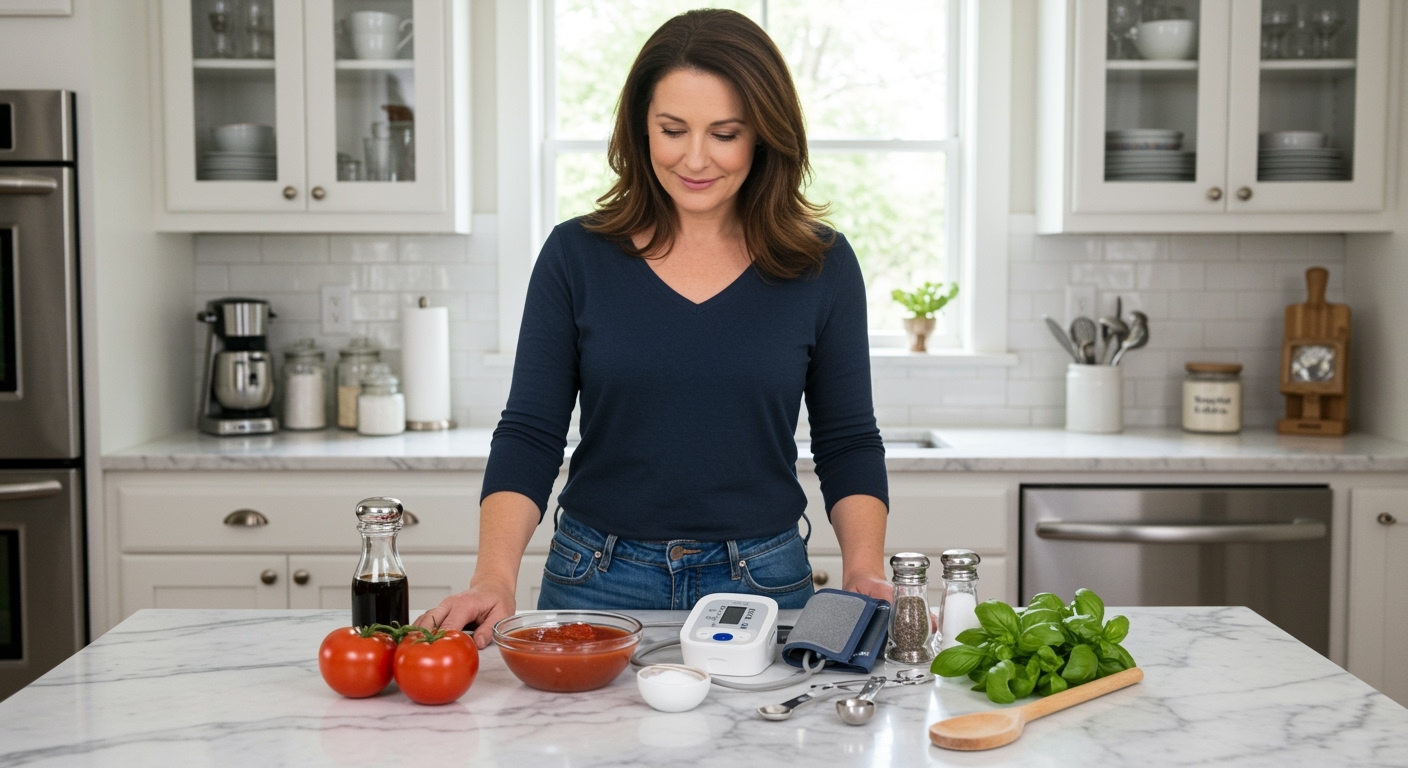
Woman standing at marble counter examining spice jars, salt bowl, herbs, and blood pressure monitor in bright modern kitchen

✪ Key Takeaway: Most commercial seasoning blends contain high sodium that raises blood pressure, but pure herbs and spices can help lower it naturally. Introduction You reach for that convenient seasoning blend to make dinner taste better without thinking twice about what is inside. You might be asking this question because your doctor told you to watch your sodium intake or because you heard that certain spices can help control blood pressure naturally. Hi, I am Abdur, your nutrition coach and today I am going to explain the truth about seasoning blends and how they affect your blood pressure in ways you never imagined. What Makes Most Seasoning Blends Dangerous For Blood Pressure? The biggest problem with commercial seasoning blends is the hidden sodium content that companies pack into every bottle. A single teaspoon of popular seasoning blends can contain anywhere from 200 to 600 milligrams of sodium. That amount represents up to 26 percent of your entire daily sodium limit if you follow the American Heart Association recommendation of 1500 milligrams per day. When you consume excess sodium, your body retains more water to dilute the salt concentration in your bloodstream. This extra fluid increases the volume of blood flowing through your blood vessels, which creates more pressure against artery walls. Over time, this constant pressure damages your arteries and forces your heart to work harder than it should. The worst part is that many people use multiple teaspoons of these blends throughout the day without realizing they are

Palo Azul: Can It Help With Diabetes? (Expert Answer)

Middle-aged woman holding clear teacup with blue liquid while standing behind marble counter with glucose meter and natural items

✪ Key Takeaway: Palo azul shows promising anti-diabetic properties in animal studies, but human research remains insufficient for medical recommendations. Introduction You have probably heard about palo azul tea turning water blue and promising health miracles. People with diabetes often search for natural remedies because managing blood sugar feels overwhelming and medication side effects can be frustrating. Hi, I am Abdur, your nutrition coach and today I am going to explain what science actually says about palo azul and diabetes management. What Exactly Is Palo Azul? Palo azul comes from a small tree called Eysenhardtia polystachya that grows in Mexico and parts of Central America. The name literally means blue stick in Spanish because the wood chips turn water a distinctive blue color when steeped. Traditional healers have used this plant for centuries to treat kidney problems, urinary tract issues, and various inflammatory conditions. The blue color comes from flavonoids which are plant compounds that act as antioxidants in your body. People typically prepare it by boiling the wood chips in water for 30 minutes to an hour until the liquid turns blue. The tea has a mild, slightly sweet taste that most people find pleasant and easy to drink regularly. ✪ Fact: The blue color intensity changes based on water pH levels, appearing more vibrant in alkaline water. Does Research Support Its Use for Diabetes? A 2020 study published in the Journal of Ethnopharmacology tested palo azul extract on diabetic mice and found promising results. The mice showed improved

Bitter Kola: Can It Help With High Blood Pressure? (Expert Answer)

Middle-aged woman standing behind marble counter with bitter kola seeds, heart model, and blood pressure monitor in bright kitchen

✪ Key Takeaway: Bitter kola may reduce blood pressure in some people, but the evidence is limited and effects vary widely based on dosage and individual response. Introduction Your uncle swears bitter kola cured his high blood pressure, but your doctor never mentioned it. You might be asking this question because traditional remedies often promise quick fixes, and bitter kola has been used in African medicine for generations to treat various conditions including cardiovascular problems. Hi, I am Abdur, your nutrition coach, and today I am going to explain what science actually says about bitter kola and blood pressure, including the surprising mechanisms, the real risks, and whether this seed deserves a place in your health routine. What Exactly Is Bitter Kola and Why Do People Use It? Bitter kola comes from the seeds of Garcinia kola, a tree native to West and Central Africa. The seed tastes extremely bitter, which is why it earned its name, and people traditionally chew it raw or consume it in powdered form. For centuries, African communities have used bitter kola to treat coughs, infections, and digestive problems. The seed contains several bioactive compounds including flavonoids, tannins, and saponins that give it medicinal properties. These compounds act as antioxidants, meaning they fight harmful molecules called free radicals that damage your cells. People also use bitter kola as a social custom in many African cultures, offering it to guests as a sign of hospitality and respect. The growing interest in natural remedies has pushed bitter

Palo Azul: Is It Really Good For Diabetes? (Expert Answer)

Woman holding blue herbal tea cup while looking at blood glucose meter on marble counter with palo azul wood chips and pancreas model

✪ Key Takeaway: Palo azul shows promising antioxidant properties but lacks strong human evidence for diabetes management. Introduction You have probably heard about palo azul tea from someone claiming it cured their diabetes. People search for this information because they want natural alternatives to medications or hope to find something that works better than their current treatment plan. Hi, I am Abdur, your nutrition coach and today I am going to explain what science actually says about palo azul for diabetes and whether you should consider adding it to your routine. What Exactly Is Palo Azul? Palo azul is a woody plant native to Mexico and parts of Central America. The name translates to blue stick because the wood produces a distinctive blue color when steeped in water. Traditional medicine practitioners have used this plant for centuries to treat various conditions including kidney problems and urinary tract issues. The tea contains compounds called flavonoids which act as antioxidants in your body. People typically prepare it by boiling the wood chips in water for 30 to 60 minutes until the liquid turns blue or amber. The resulting beverage has a mild, slightly sweet taste that most people find pleasant. Understanding what palo azul actually is helps you evaluate whether the traditional uses translate to real benefits for diabetes. ✪ Fact: The blue color comes from fluorescent compounds that appear under certain light conditions, not from artificial dyes. Does Research Support Palo Azul For Blood Sugar Control? The honest answer is that

Safi: Is It Even Important For High Blood Pressure? (Expert Answer)

Middle-aged woman standing behind marble counter with blood pressure monitor, herbal supplement, vegetables, and heart model in bright kitchen

✪ Key Takeaway: Safi is not scientifically proven to lower high blood pressure, and relying on it instead of evidence-based treatments can be dangerous. Introduction You walk into a pharmacy and see bottles of Safi lining the shelves with promises of blood purification. Your uncle swears by it, your neighbor recommends it, and now you are wondering if this herbal syrup could help manage your high blood pressure. Hi, I am Abdur, your nutrition coach, and today I am going to explain what Safi actually does, whether it has any real impact on blood pressure, and what you should focus on instead for genuine cardiovascular health. What Exactly Is Safi And What Does It Claim To Do? Safi is an herbal liquid supplement marketed primarily in South Asian countries as a blood purifier. The product contains various herbs like senna, sanay, neem, tulsi, and other botanical ingredients that supposedly cleanse your blood of toxins. The concept of blood purification itself is not recognized in modern medical science because your liver and kidneys already perform this function naturally. Safi is primarily marketed for skin conditions like acne, pimples, and blemishes rather than cardiovascular health. The manufacturers claim it works by removing impurities from your blood, which supposedly leads to clearer skin and better overall health. However, there is no scientific evidence linking Safi consumption to blood pressure reduction or cardiovascular benefits. The product is essentially a laxative due to its senna content, which means it primarily affects your digestive system rather

Protein Supplement: Is It Even Safe For Diabetes? (Expert Answer)

Middle-aged man in dark blue shirt examining protein powder container with glucose meter, chicken breast, and almonds on marble counter

✪ Key Takeaway: Protein supplements are generally safe for diabetes when you choose options without added sugars and monitor your portions carefully. Introduction You walk into a store and see rows of colorful protein powder containers promising muscle growth and better health. But when you have diabetes, every food decision feels like walking through a minefield where one wrong choice could send your blood sugar soaring. Hi, I am Abdur, your nutrition coach and today I am going to explain whether protein supplements are actually safe for people with diabetes and how to choose the right ones without risking your health. How Does Protein Actually Affect Blood Sugar Levels? Protein has a minimal direct impact on your blood glucose compared to carbohydrates. When you eat protein, your body breaks it down into amino acids that get absorbed into your bloodstream. These amino acids trigger a small insulin response, but nothing like what happens when you eat bread or rice. Research shows that protein can actually help stabilize blood sugar by slowing down the absorption of carbohydrates when eaten together. This is why adding protein to your meals prevents those sharp spikes and crashes that make diabetes management so frustrating. However, your body can convert excess protein into glucose through a process called gluconeogenesis, which happens in your liver. This conversion is slow and steady, not the rapid spike you get from eating sugar or refined carbs. ✪ Fact: Studies show that consuming 25-30 grams of protein per meal helps improve

Papaya: Can It Help With High Blood Pressure? (Expert Answer)

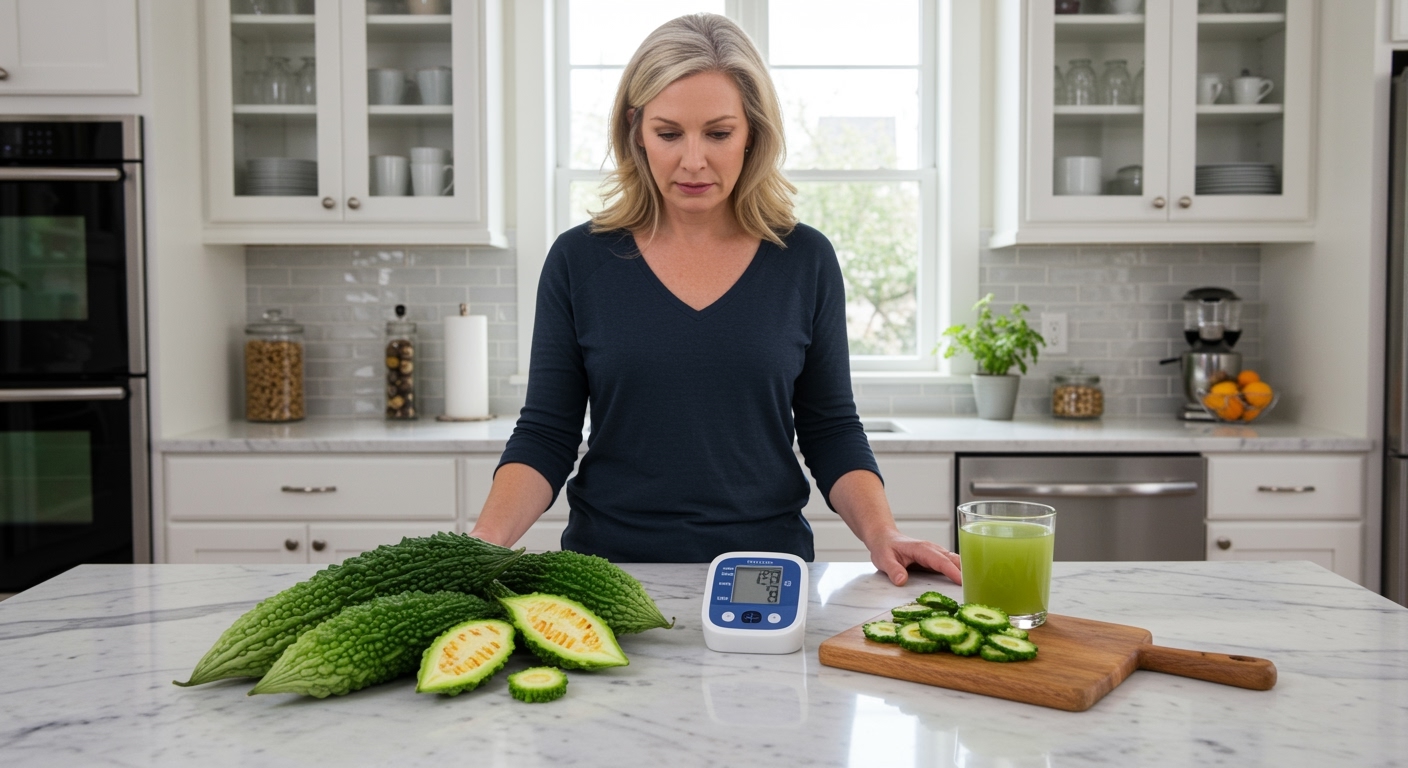
Woman standing behind marble counter examining whole and halved papaya with blood pressure monitor, heart model, and smoothie visible

✪ Key Takeaway: Papaya may help lower blood pressure through potassium, fiber, and antioxidants, but it works best as part of an overall healthy diet. Introduction You walk past the produce section and spot those bright orange papayas sitting there looking tropical and inviting. Maybe you have heard somewhere that papaya can help with high blood pressure, and now you wonder if adding this fruit to your shopping cart could actually make a difference in your health. Hi, I am Abdur, your nutrition coach, and today I am going to explain exactly how papaya affects blood pressure and whether this tropical fruit deserves a regular spot in your diet. What Makes Papaya Special for Blood Pressure? Papaya contains several nutrients that directly influence how your blood vessels function. The most important one is potassium, which helps your body balance sodium levels and relax blood vessel walls. One medium papaya provides about 781 milligrams of potassium, which is roughly 17 percent of what most adults need daily. When you consume enough potassium, your kidneys can flush out excess sodium through urine more effectively. This process matters because high sodium intake causes your body to retain water, which increases blood volume and puts extra pressure on your artery walls. Papaya also contains fiber, which helps reduce cholesterol levels that can contribute to narrowed arteries and elevated blood pressure over time. ✪ Fact: Research shows that increasing potassium intake can lower systolic blood pressure by approximately 3 to 6 mmHg in people with

Tomato Sauce: Is It Always Bad For Diabetes? (Expert Answer)

Woman holding glass bowl of tomato sauce while pointing at blood glucose meter on white marble counter with fresh tomatoes and basil

✪ Key Takeaway: Tomato sauce is not always bad for diabetes when you choose versions without added sugars and consume appropriate portions. Introduction You stand in the grocery aisle staring at rows of tomato sauce jars wondering if any of them are safe for your blood sugar. You might be asking this question because your doctor told you to watch carbohydrates or because you noticed blood sugar spikes after pasta night. Hi, I am Abdur, your nutrition coach and today I am going to explain exactly which tomato sauces work for diabetes management and which ones you should avoid. What Makes Tomato Sauce Different From Fresh Tomatoes? Fresh tomatoes contain about 4 grams of carbohydrates per 100 grams with most of it coming from natural sugars. When manufacturers make tomato sauce, they cook down multiple tomatoes into a concentrated form that increases the carbohydrate density significantly. A half cup of plain tomato sauce contains roughly 10 grams of carbohydrates compared to just 4 grams in a whole medium tomato. The cooking process also breaks down some of the fiber structure that normally slows sugar absorption in your digestive system. However, this same cooking process increases the availability of lycopene, a powerful antioxidant that may help reduce inflammation associated with diabetes complications. Research published in Diabetes Care journal showed that tomato juice supplementation improved antioxidant status in people with type 2 diabetes. ✪ Fact: Cooked tomatoes contain up to five times more bioavailable lycopene than raw tomatoes due to heat breaking