Beet Juice: Can It Help With Low Blood Pressure? (Expert Answer)
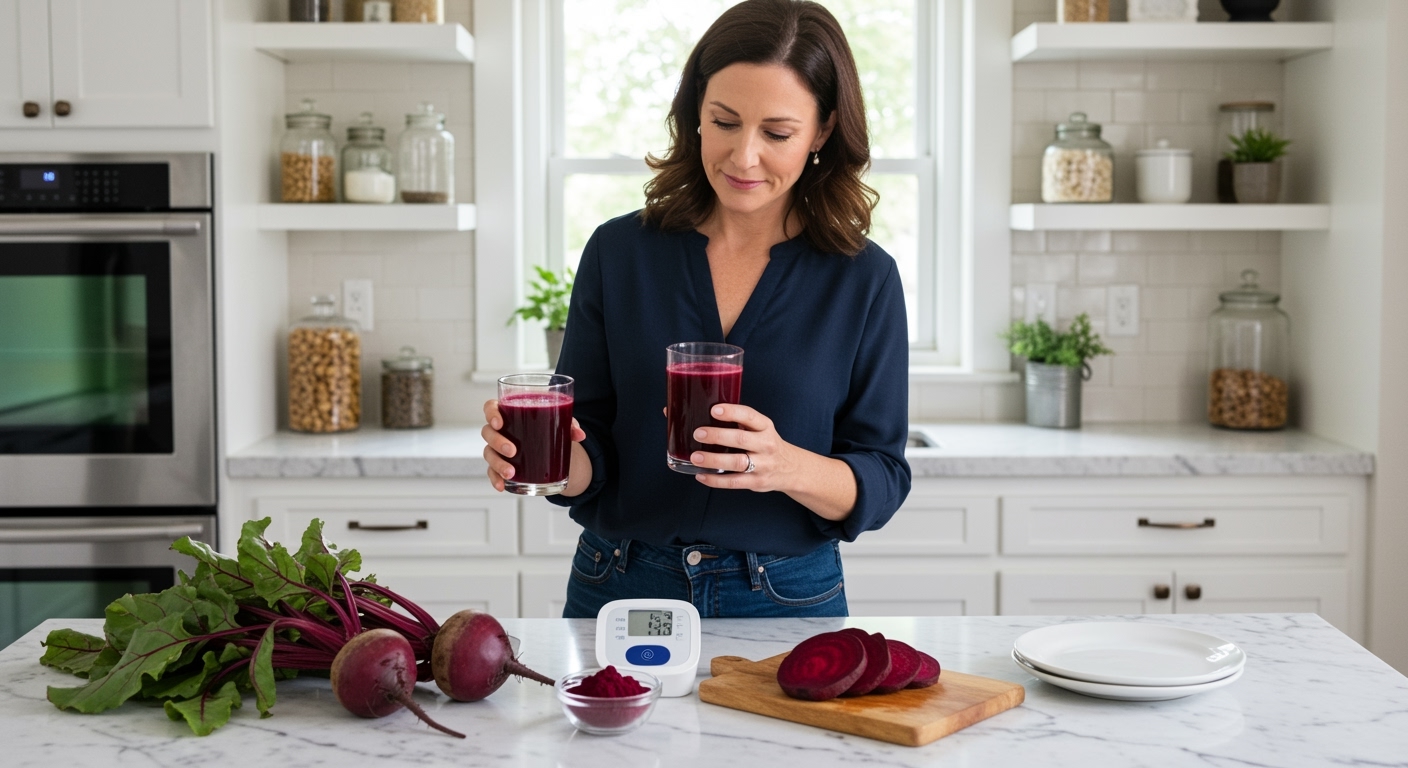
✪ Key Takeaway: Beet juice lowers blood pressure, so people with hypotension should avoid it or consume it cautiously under medical supervision. Introduction You have heard that beet juice is a natural remedy for high blood pressure. But what happens when your blood pressure is already sitting on the lower side? You might be wondering if this popular health drink could make your condition worse or if there is a safe way to enjoy its benefits without dropping your numbers too low. Hi, I am Abdur, your nutrition coach and today I am going to explain exactly how beet juice affects blood pressure, why it works the way it does, and whether you should drink it when dealing with hypotension. How Does Beet Juice Actually Lower Blood Pressure? Beet juice contains high levels of dietary nitrates, which are natural compounds found in many vegetables. When you drink beet juice, bacteria in your mouth convert these nitrates into nitrite. Your body then transforms nitrite into nitric oxide, a molecule that relaxes and widens your blood vessels. This process is called vasodilation, and it reduces the resistance your blood faces as it flows through your arteries. When blood vessels are wider, your heart does not have to work as hard to pump blood, which naturally lowers your blood pressure. Research shows that drinking just 250 milliliters of beet juice can reduce systolic blood pressure by 4 to 10 millimeters of mercury within hours. This effect is powerful and consistent, which is exactly