Tomatoes: Are They Really Good For High Blood Pressure? (Expert Answer)

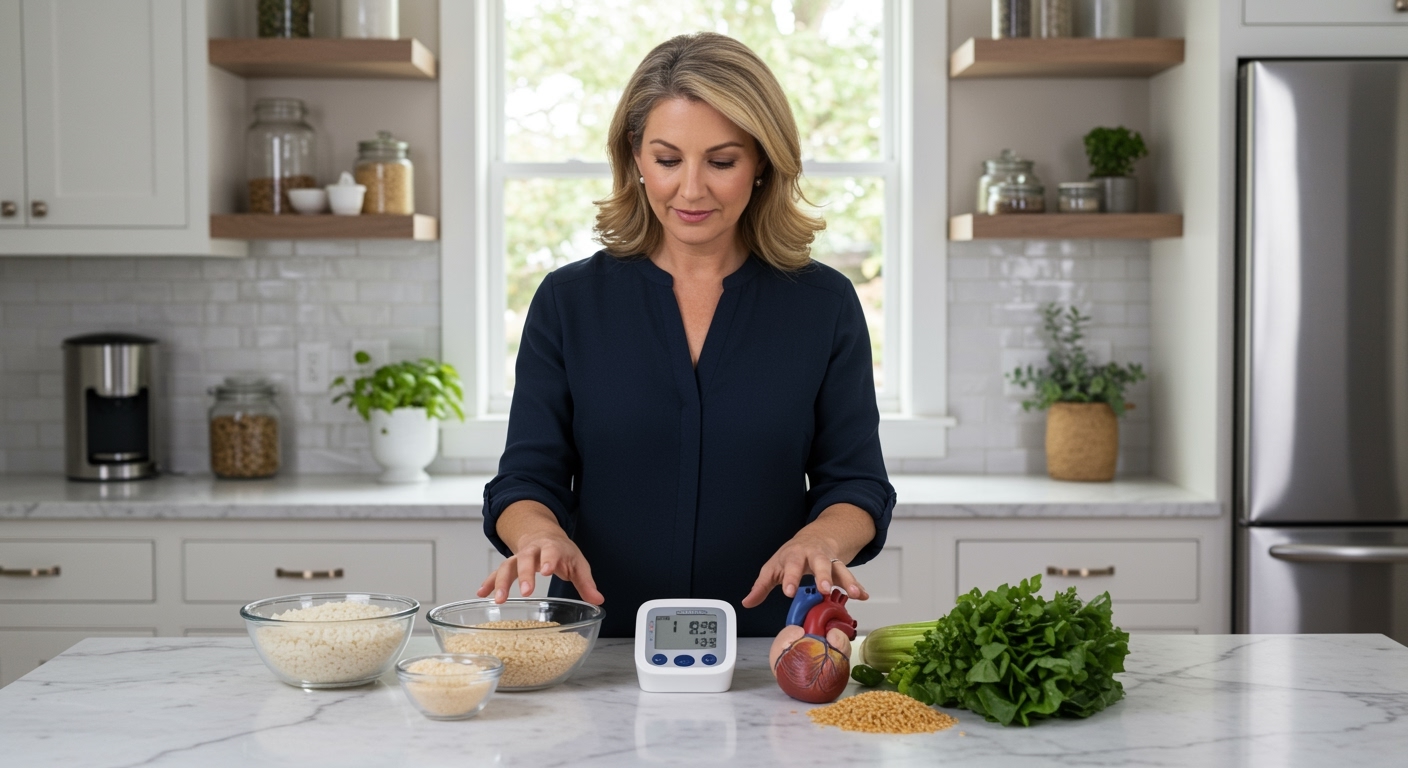
Woman holding fresh tomato on marble countertop with heart model, blood pressure monitor, and sliced tomatoes in modern kitchen.

✪ Key Takeaway: Tomatoes can help lower blood pressure due to potassium, lycopene, and other compounds that support healthy blood vessel function. Introduction You have probably heard that tomatoes are good for your heart and blood pressure. But with so much conflicting nutrition advice online, you might wonder if this common kitchen staple truly makes a difference or if it is just another health myth that sounds too simple to be true. Hi, I am Abdur, your nutrition coach and today I am going to explain exactly how tomatoes affect blood pressure, what the science actually says, and whether you should make them a regular part of your diet. What Makes Tomatoes Potentially Beneficial For Blood Pressure? Tomatoes contain several nutrients that work together to support cardiovascular health. The most important one is potassium, a mineral that helps your body balance sodium levels and relax blood vessel walls. When you consume enough potassium, your kidneys can flush out excess sodium through urine, which directly impacts blood pressure regulation. One medium tomato provides about 292 milligrams of potassium, which is roughly 6 percent of your daily needs. Tomatoes also contain lycopene, a powerful antioxidant that gives them their red color and has been linked to improved blood vessel function. Additionally, they provide vitamin C, folate, and other bioactive compounds that support overall heart health through multiple pathways in your body. ✪ Fact: Cooked tomatoes contain more bioavailable lycopene than raw ones because heat breaks down cell walls and makes this compound

Chicken Salad: Is It Really Good For Diabetes? (Expert Answer)

Woman tossing chicken salad in glass bowl on marble counter with glucose meter, fresh vegetables, and measuring tools visible

✪ Key Takeaway: Homemade chicken salad can be good for diabetes when you control ingredients, but store-bought versions often contain hidden sugars and unhealthy fats. Introduction You stand in front of the deli counter staring at that creamy chicken salad wondering if it will send your blood sugar through the roof. You are asking this question because chicken salad seems like a healthy choice but you have heard mixed messages about what people with diabetes should eat. Hi, I am Abdur, your nutrition coach and today I am going to explain exactly how chicken salad affects your blood sugar and what you need to know to make it work for your diabetes management. What Makes Chicken Salad Different From Regular Chicken? Plain grilled chicken is one of the best protein sources for people with diabetes because it contains zero carbohydrates. When you turn chicken into chicken salad, you add ingredients that completely change its nutritional profile. Most traditional chicken salad recipes include mayonnaise, which adds significant amounts of fat and calories without providing much nutritional value. Many store-bought versions also contain added sugars in the form of sweet pickle relish, honey, or sugar-sweetened dressings. Some recipes include grapes, cranberries, or apples which add natural sugars that can raise your blood glucose levels. The combination of protein from chicken with high-fat ingredients and potential added sugars creates a mixed meal that affects your blood sugar differently than plain chicken would. ✪ Fact: A typical deli chicken salad contains 3-8 grams of

Scallops: Are They Even Safe For High Blood Pressure? (Expert Answer)

Woman holding raw scallop over marble counter with blood pressure monitor, fresh vegetables, and seafood visible in bright kitchen

✪ Key Takeaway: Scallops are safe for high blood pressure when eaten fresh and prepared without added salt, but avoid processed varieties. Introduction You stand in the seafood section staring at those beautiful scallops and wonder if they will spike your blood pressure. You might be asking this question because someone told you all seafood is high in sodium or because your doctor said to watch your salt intake. Hi, I am Abdur, your nutrition coach and today I am going to explain exactly how scallops affect blood pressure and when they become dangerous. What Makes Scallops Different From Other Seafood? Scallops contain natural sodium that comes from the ocean water they live in. A three-ounce serving of fresh scallops has about 667 milligrams of sodium, which seems high at first glance. But this natural sodium behaves differently in your body compared to added table salt. The sodium in scallops comes packaged with potassium and magnesium, two minerals that help balance blood pressure. Fresh scallops also provide omega-3 fatty acids that reduce inflammation in your blood vessels. The problem starts when companies process scallops by soaking them in sodium tripolyphosphate to increase weight and shelf life. ✪ Fact: Processed scallops can contain up to 40 percent more sodium than fresh ones due to chemical treatment. How Does Natural Sodium Compare To Added Salt? Your body processes natural sodium from whole foods differently than refined table salt. Natural sodium in scallops comes with a complete package of minerals that work together

Almond Milk: Is It Really Good For Diabetes? (Expert Answer)

Woman holding blank nutrition label card while standing behind marble counter with almond milk, almonds, glucose meter, and apple

✪ Key Takeaway: Unsweetened almond milk is good for diabetes due to its low carb content, but sweetened versions can spike blood sugar significantly. Introduction You walk down the grocery aisle and see rows of almond milk cartons with health claims plastered across the front. You might be asking this question because your doctor told you to watch your carbs, or maybe you heard from a friend that almond milk is better than regular milk for blood sugar control. Hi, I am Abdur, your nutrition coach and today I am going to explain whether almond milk truly deserves its reputation as a diabetes-friendly beverage and what you absolutely must know before making it part of your daily routine. What Makes Almond Milk Different From Regular Milk? Almond milk is made by blending almonds with water and then straining out the solids. The result is a plant-based liquid that looks like milk but has a completely different nutritional profile. Regular cow milk contains about 12 grams of natural sugar called lactose per cup, which can raise blood glucose levels. Unsweetened almond milk typically contains less than 2 grams of carbohydrates per cup, making it significantly lower in carbs than dairy milk. This dramatic difference in carbohydrate content is why many people with diabetes consider switching to almond milk. However, the protein content in almond milk is much lower, usually around 1 gram per cup compared to 8 grams in cow milk. This matters because protein helps slow down sugar absorption and

Pickled Beets: Are They Really Good For High Blood Pressure? (Expert Answer)

Woman holding jar of pickled beets while examining blood pressure monitor, fresh beets, and heart model on marble countertop in kitchen

✪ Key Takeaway: Pickled beets contain beneficial nitrates but their high sodium content can counteract blood pressure benefits. Introduction You open your pantry and see that jar of pickled beets sitting there. Someone told you beets are amazing for blood pressure, so you bought them thinking you found a simple solution. Hi, I am Abdur, your nutrition coach and today I am going to explain whether pickled beets actually help with high blood pressure or if the pickling process changes everything you hoped for. What Makes Fresh Beets Good For Blood Pressure? Fresh beets contain high amounts of dietary nitrates that your body converts into nitric oxide. Nitric oxide is a molecule that relaxes and widens your blood vessels, allowing blood to flow more easily. When your blood vessels relax, the pressure inside them naturally decreases. Research shows that consuming fresh beet juice can lower systolic blood pressure by 4 to 10 mmHg within just a few hours. This effect happens because bacteria in your mouth convert nitrates into nitrites, which then become nitric oxide in your bloodstream. The entire process is natural and works with your body rather than against it. ✪ Fact: One cup of fresh beet juice contains about 400 milligrams of nitrates, which is enough to produce measurable blood pressure benefits. How Does Pickling Change The Nutritional Profile? The pickling process preserves beets by soaking them in a solution of vinegar, water, and salt. This preservation method keeps the nitrates intact, which sounds like good news

Yam Flour: Can It Help With Diabetes? (Expert Answer)

Middle-aged woman standing behind marble counter examining yam flour in bowl with glucose meter and whole yams visible in kitchen

✪ Key Takeaway: Yam flour can help with diabetes when consumed in controlled portions due to its moderate glycemic index and fiber content. Introduction You walk down the grocery aisle and see yam flour sitting on the shelf with a health halo around it. You might be asking this question because someone told you yam flour is a magic solution for diabetes, or maybe you are tired of bland diabetic-friendly foods and want something that actually tastes good. Hi, I am Abdur, your nutrition coach and today I am going to explain whether yam flour truly helps with diabetes management or if it is just another overhyped food trend that disappoints. What Makes Yam Flour Different From Regular Flour? Yam flour comes from dried and ground yams, which are starchy root vegetables grown primarily in Africa, Asia, and the Caribbean. Unlike wheat flour that gets stripped of nutrients during processing, yam flour retains more of its natural fiber content and resistant starch. This flour contains about 3 to 4 grams of fiber per 100 grams, which is significantly higher than refined wheat flour that barely has 2 grams. The resistant starch in yam flour acts differently in your digestive system compared to regular starch. It resists digestion in your small intestine and ferments in your colon, which means it does not spike your blood sugar as quickly as regular flour does. Yam flour also contains vitamins like B6 and minerals like potassium and manganese, which support overall metabolic health. The

Sushi: Is It Even Safe For High Blood Pressure? (Expert Answer)

Woman holding sushi with chopsticks while standing near blood pressure monitor on marble countertop with soy sauce and fresh ingredients

✪ Key Takeaway: Sushi can be safe for high blood pressure if you skip soy sauce, avoid tempura rolls, and choose fresh fish with brown rice options. Introduction You walk into your favorite sushi restaurant and suddenly wonder if those beautiful rolls could send your blood pressure through the roof. You might be asking this question because your doctor warned you about sodium, and you heard sushi contains hidden salt bombs that could threaten your cardiovascular health. Hi, I am Abdur, your nutrition coach and today I am going to explain exactly how sushi affects your blood pressure, which types pose the biggest risks, and how you can enjoy it safely without compromising your health. What Makes Sushi Risky For High Blood Pressure? The biggest danger in sushi comes from sodium, not the fish or rice. One tablespoon of regular soy sauce contains about 900 to 1000 milligrams of sodium, which is nearly half your daily recommended limit. When you dip multiple pieces of sushi throughout your meal, you easily consume 2000 to 3000 milligrams of sodium in one sitting. This massive sodium load causes your body to retain water, which increases blood volume and puts extra pressure on your artery walls. Your kidneys struggle to filter out this excess sodium, especially if you already have compromised kidney function from long-term high blood pressure. Beyond soy sauce, many sushi restaurants add salt to their sushi rice during preparation, which adds another hidden sodium source. Processed ingredients like imitation crab (often

Shrimp: Is It Even Safe For Diabetes? (Expert Answer)

Woman standing behind marble countertop with cooked shrimp, glucose meter, lemon, asparagus, water, and notebook in bright kitchen

✪ Key Takeaway: Shrimp is safe for diabetes because it contains zero carbs and will not spike blood sugar when eaten in proper portions. Introduction You stand in front of the seafood counter staring at those pink shrimp wondering if they will send your blood sugar through the roof. You might be asking this question because you heard that shrimp contains cholesterol and you worry about heart health complications that often come with diabetes. Hi, I’m Abdur, your nutrition coach and today I’m going to explain exactly how shrimp affects your blood sugar, whether the cholesterol concern is real, and how much you can safely eat without compromising your diabetes management. Does Shrimp Actually Raise Blood Sugar Levels? Shrimp contains zero carbohydrates which means it will not directly raise your blood sugar at all. When you eat shrimp your body does not need to produce insulin to process it because there is no glucose entering your bloodstream from this food. A 100-gram serving of shrimp provides about 24 grams of high-quality protein with less than 1 gram of fat and absolutely no sugar or starch. This protein-rich profile makes shrimp one of the most diabetes-friendly proteins you can choose because protein helps stabilize blood sugar levels throughout the day. The glycemic index of shrimp is zero and the glycemic load is also zero which means it has no measurable impact on your glucose response. However, the way you prepare shrimp matters more than the shrimp itself because breading and frying

Sardines: Are They Really Good For High Blood Pressure? (Expert Answer)

Woman standing behind marble counter with sardines, blood pressure monitor, lemon, olive oil, crackers, water, and heart model

✪ Key Takeaway: Sardines effectively lower blood pressure through omega-3 fatty acids, potassium, and protein that relax blood vessels. Introduction You walk past the canned fish aisle and wonder if those tiny sardines could actually help your blood pressure numbers drop. Most people with high blood pressure spend hundreds on supplements while ignoring one of the most powerful foods sitting on grocery store shelves for just a few dollars. Hi, I am Abdur, your nutrition coach and today I am going to explain exactly how sardines work to lower blood pressure and whether they deserve a spot in your weekly meal plan. What Makes Sardines Different From Other Fish? Sardines are small oily fish that pack an incredible nutritional punch in their tiny bodies. Unlike larger fish that accumulate mercury over their long lives, sardines live short lives at the bottom of the food chain. This means they contain minimal mercury and other toxins that build up in bigger fish like tuna or swordfish. A single 3.75-ounce can of sardines delivers about 23 grams of high-quality protein along with omega-3 fatty acids, vitamin D, calcium, and vitamin B12. The bones in canned sardines are soft and completely edible, providing an excellent source of calcium that most people lack in their diets. You can eat sardines multiple times per week without worrying about mercury toxicity that limits consumption of larger fish. ✪ Fact: Sardines contain more omega-3s per serving than salmon while costing a fraction of the price. How Do Omega-3

Shrimp: Is It Really Good For Diabetes? (Expert Answer)

Middle-aged woman standing behind marble counter examining cooked shrimp and blood glucose meter with fresh vegetables in bright kitchen

✪ Key Takeaway: Shrimp is excellent for diabetes because it contains zero carbs, high protein, and healthy omega-3 fats that support blood sugar control. Introduction You stand in the seafood section staring at fresh shrimp wondering if this is safe for your blood sugar. You might be asking this question because you heard conflicting advice about seafood and diabetes or because you want protein options that will not spike your glucose levels. Hi, I am Abdur, your nutrition coach and today I am going to explain exactly why shrimp stands out as one of the best protein choices for managing diabetes and what you need to watch out for. Why Does Shrimp Have Zero Impact On Blood Sugar? Shrimp contains absolutely no carbohydrates which means it cannot raise your blood glucose levels directly. A 3-ounce serving of cooked shrimp delivers about 20 grams of high-quality protein with less than 1 gram of fat and zero sugar. This nutritional profile makes shrimp a perfect protein source for people managing diabetes who need to control carbohydrate intake. The glycemic index of shrimp is zero because foods without carbohydrates do not trigger insulin release or affect blood sugar. Research published in the journal Nutrients shows that high-protein seafood like shrimp helps improve insulin sensitivity over time. When you eat shrimp instead of carb-heavy proteins like breaded chicken or fish sticks, you give your pancreas a break from producing excess insulin. This makes shrimp an ideal choice for lunch or dinner when you want