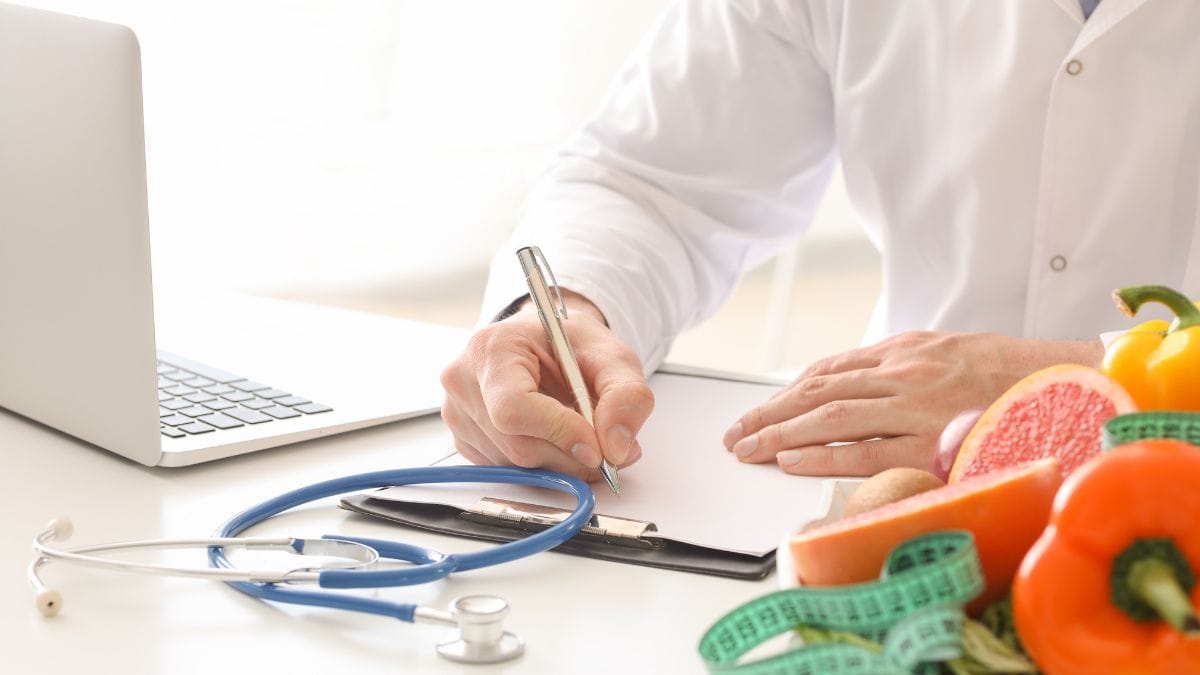
Are Figs Good for Hemorrhoids? (Expert Answer)

Short Answer: Figs are good for hemorrhoids. Because they have fiber, antioxidants, and potassium and they can improve stool consistency, bowel movements, and blood pressure. Hemorrhoids are a condition that affects your anus and lower rectum. In hemorrhoids, your body has swollen veins in the anal and rectal area that cause bleeding and discomfort. This can lead to various health problems, such as infection, anemia, and anal fissures. One of the key factors in managing hemorrhoids is diet. What you consume can affect your stool consistency and bowel movements, which can impact your hemorrhoids symptoms and overall health. To effectively manage hemorrhoids, you should consume fiber-rich foods like legumes, whole grains, and fruits and avoid alcohol, caffeine, and spicy foods. Now, figs are a type of fruit that have a sweet taste and a soft texture. People usually eat them fresh or dried, or use them in jams, jellies, desserts, and savory dishes. Figs are good for hemorrhoids because they contain fiber, antioxidants, and potassium. Fiber can help soften and bulk up stools, reducing constipation and straining. Antioxidants can help prevent or minimize cell damage caused by free radicals, which may contribute to inflammation and chronic diseases. Potassium can help regulate fluid balance and blood pressure, which may affect the pressure on the veins in the anal and rectal area. One small fresh fig (40 g) can give you 1.2 g of fiber (5% of your daily needs), 93 mg of potassium (2% of your daily needs), and 7 mg

Is Green Papaya Keto Friendly? (Expert Answer)

Short Answer: Green papaya is keto friendly and has 8 grams of net carbs, 0.3 grams of fat, and 0.5 grams of protein per 100-gram serving. Because it is low in carbs and high in nutrients. Green papaya is a fruit that is often used in salads and other dishes. It is a popular ingredient in many cuisines, particularly in Southeast Asia. It is the unripe version of the orange and green fruit known as papaya. The keto diet is a low-carb, high-fat, and moderate-protein diet that aims to put your body into a metabolic state called ketosis. In ketosis, your body burns fat for fuel instead of glucose. Green papaya has about 10 grams of total carbs, 2 grams of fiber, 8 grams of net carbs, 0.3 grams of fat, and 0.5 grams of protein per 100-gram serving. Based on these numbers, green papaya is keto friendly and can fit into your daily macros. However, you should still be mindful of the quality and quantity of green papaya you consume. Because it contains a large amount of latex, which can cause uterine contractions and allergic reactions in some people. It also has a mild, slightly sweet flavor that may not suit everyone’s taste buds. Whether you eat it or not, you should always choose green papayas that are firm, heavy, and free of bruises or cuts. Because they are more nutritious and fresh than damaged or overripe ones. You can store green papayas in a plastic bag in the

Why am I Craving Cinnamon? (Expert Answer)

Short Answer: You might crave cinnamon because of your hunger, energy, mineral needs, habit, preference, medical condition, or genetic factor. Cinnamon is a spice that contains antioxidants and anti-inflammatory compounds and benefits your health by lowering blood sugar levels, protecting against infections, and improving brain function. Craving cinnamon can mean different things depending on your situation. For example, you may be hungry or low on energy. Cinnamon can help you satisfy your appetite and boost your energy because it has fiber and sugar that can fill you up and provide fuel for your cells. Or you may have a deficiency or imbalance of iron, manganese, or calcium. Cinnamon can provide you with these minerals that your body needs to function properly. For example, if you are low on iron, you might crave cinnamon because it can help prevent anemia and improve blood circulation. Or you may have a habit or preference for cinnamon. You might crave cinnamon because you are used to eating it regularly, or because you associate it with a positive emotion, a memory, or a reward. For example, if you grew up eating cinnamon rolls as a treat, you might crave them when you feel nostalgic or happy. Another reason may be you have a medical condition or genetic factor that affects your taste buds or appetite. You might crave cinnamon because you have diabetes, pregnancy, or a gene that makes you more sensitive to sweet flavors. Cinnamon can help regulate your blood sugar levels, reduce nausea,

What Happens If you Eat Expired Pizza? (Expert Answer)

Short Answer: If you accidentally eat expired pizza, you may get food poisoning, which can cause unpleasant and potentially dangerous symptoms. Pizza is a popular dish that consists of a flatbread topped with cheese, tomato sauce, and various toppings. It is usually baked in an oven and cut into slices. If you accidentally eat expired pizza, you may experience food poisoning, which can cause symptoms such as nausea, vomiting, diarrhea, and stomach cramps. This is because it may contain harmful bacteria such as E. coli and salmonella that can grow on food that has been left out for too long. E. coli and salmonella are types of bacteria that can cause infections in the digestive system. They can produce toxins that damage the lining of the intestines and cause inflammation and dehydration. It is quite common to eat expired pizza due to its popularity and convenience. However, it is important to check the expiration date and signs of spoilage before consuming it. Look for changes in the color, texture, and smell of the pizza. If the cheese has become discolored, the crust is soggy, or there is a strange odor coming from the pizza, these are all indicators that it may be expired and should be avoided. You can treat mild cases of food poisoning by drinking plenty of fluids, eating bland foods, and taking over-the-counter medications to relieve the symptoms. However, if you have severe symptoms such as fever, bloody stools, or signs of dehydration, you should seek medical

Can We Eat Beetroot and Egg Together? (Expert Answer)

Short Answer: It is generally safe to eat beetroot and egg together or one after another. Because there is no scientific proof that they have any negative effects on the body or mind. Beetroot and egg both are healthy foods. Beetroot contains folate, fiber, vitamin C and other minerals, while egg has protein, fat, choline, vitamin B12 and other nutrients. According to Ayurveda, beetroot and egg have different qualities and effects on the body and mind. Beetroot is sweet, cooling and sattvic (pure), while egg is unctuous, heating and rajasic (stimulating). Therefore, eating them together may cause imbalance in the doshas (biological energies) and affect the digestion and mental state. But according to science, there is no evidence that beetroot and egg have any harmful interactions or adverse effects when consumed together. In fact, some studies suggest that beetroot may enhance the exercise performance and cardiovascular health of people who eat eggs. As a nutritionist, my advice is to try first. If after eating beetroot and egg together you experience any discomfort, such as bloating, gas, nausea, or headache, then stop combining them. And if you can tolerate, then continue. However, you should be mindful of the quality and quantity of beetroot and egg you consume. Because too much of anything can be harmful, and you need to balance your intake of other nutrients as well. Whether you eat them together or not, you should always choose fresh, organic, and free-range products. Because they have more nutritional value, less pesticides,

Is Rice Bad for High Cholesterol? (Expert Answer)

Short Answer: Rice is neither good nor bad for high cholesterol, but brown rice is better than white rice. Because it has more fiber and less glycemic index, and they can lower blood cholesterol levels and prevent blood sugar spikes. High cholesterol is a condition that affects your blood vessels and heart. In high cholesterol, your body produces too much of a waxy substance called cholesterol, which can stick to the walls of your arteries and form plaques. This can lead to various health problems, such as angina, heart attack, stroke, and peripheral artery disease. One of the key factors in managing high cholesterol is diet. What you consume can affect your blood cholesterol levels, which can impact your high cholesterol symptoms and overall health. To effectively manage high cholesterol, you should consume fiber-rich foods like oats, beans, fruits, and vegetables and avoid saturated fat-rich foods like butter, cheese, red meat, and pastries. Now, rice is a starchy grain that is a staple food for many people around the world. People usually cook rice in water or broth and eat it as a side dish or as part of a main course. Rice is neither good nor bad for high cholesterol, because it contains very little fat or cholesterol. However, different types of rice have different effects on blood sugar levels, which can also affect heart health. White rice is a refined grain that has a high glycemic index, meaning it can raise blood sugar quickly after eating. Brown rice

Are Oysters Good for Erectile Dysfunction? (Expert Answer)

Short Answer: Oysters are good for ED. Because they have zinc, selenium, and vitamin B12, which can improve testosterone, sperm, and nerve function, and omega-3s, which can lower inflammation, improve blood flow, and reduce the risk of heart disease. Erectile dysfunction (ED) is a condition that affects your ability to get and maintain an erection firm enough for sexual intercourse. In ED, your body has reduced blood flow to the penis or impaired nerve signals that control the penile muscles. This can lead to various health problems, such as low self-esteem, stress, relationship issues, and increased risk of heart disease. One of the key factors in managing ED is diet. What you consume can affect your blood vessels, hormones, and mood, which can impact your ED symptoms and overall health. To effectively manage ED, you should consume foods rich in omega-3 fatty acids, zinc, selenium, and vitamin B12, like oysters, salmon, and sardines, and avoid foods high in saturated fat, sugar, and sodium, like processed meats, baked goods, and fast food. Now, oysters are a type of shellfish that have a hard, greyish outer shell and live in salty and brackish waters. People usually eat them raw, cooked, or smoked, often with lemon juice, vinegar, or hot sauce. Oysters are good for ED because they contain high amounts of zinc, selenium, and vitamin B12, which are essential for male reproductive health. Zinc helps produce testosterone, the male sex hormone that regulates sexual function. Selenium supports sperm production and motility, which

Are Pears Good for PCOS? (Expert Answer)

Short Answer: Pears are good for PCOS. Because they have fiber, vitamin C, vitamin K, and antioxidants, and they are low GI and GL foods. Polycystic ovary syndrome (PCOS) is a condition that affects your ovaries, the female reproductive organs that produce eggs and hormones. In PCOS, your body produces too much of a male hormone called androgen, which can interfere with ovulation and cause cysts to form on your ovaries. This can lead to various health problems, such as infertility, irregular periods, acne, excess hair growth, and weight gain. One of the key factors in managing PCOS is diet. What you consume can affect your blood sugar levels, which can impact your PCOS symptoms and overall health. To effectively manage PCOS, you should consume fiber-rich foods like fruits, vegetables, whole grains, and legumes, and avoid refined carbohydrates, added sugars, and processed foods. Now, pears are a type of fruit that have a sweet and juicy flesh and a thin skin. People usually eat them raw, cooked, or canned. Pears are good for PCOS because they contain fiber, vitamin C, vitamin K, and antioxidants. One medium pear can give you 5.5 grams of fiber (22% of your daily needs), 7.8 milligrams of vitamin C (9% of your daily needs), and 8.4 micrograms of vitamin K (7% of your daily needs). Fiber can help regulate your blood sugar levels, lower your cholesterol, and improve your digestion. Vitamin C can support your immune system, skin health, and wound healing. Vitamin K can

Are Avocados Good for IBS? (Expert Answer)

Short Answer: Avocados are good for IBS. Because they have healthy fats, fiber, and antioxidants, and they are low FODMAP foods. IBS is a condition that affects your digestive system. It causes symptoms like stomach cramps, bloating, diarrhea and constipation. These tend to come and go over time, and can last for days, weeks or months at a time. It’s usually a lifelong problem. In IBS, your body has issues with the nerves and muscles in your intestines, which can make them more sensitive or contract too strongly or weakly. This can affect how food moves through your digestive tract and how your brain interprets signals from your gut. This can lead to various health problems, such as malabsorption, dehydration, poor quality of life, and anxiety or depression. One of the key factors in managing IBS is diet. What you consume can affect your bowel movements, which can impact your IBS symptoms and overall health. To effectively manage IBS, you should consume fiber-rich foods like fruits, vegetables, and whole grains, and avoid fat-rich foods like fried foods, cheese, and butter. Fiber can help regulate your bowel movements and prevent constipation or diarrhea. Fat can stimulate your intestines and worsen your symptoms. Now, avocados are fruits that have smooth, buttery, golden-green flesh when ripe. They are high in a number of important nutrients, many of which are lacking in modern diets. People usually eat them raw, mashed, or blended in various dishes, such as salads, smoothies, guacamole, and toast. Avocados are

Is Avocado Oil Good for Fatty Liver? (Expert Answer)

Short Answer: Avocado oil is good for fatty liver. Because it has oleic acid and lutein, and they can lower cholesterol, improve heart health, reduce inflammation, and protect liver function. Fatty liver is a condition that affects your liver. In fatty liver, your body stores too much fat in the liver cells. This can lead to inflammation, scarring, and liver damage. This can cause various health problems, such as cirrhosis, liver cancer, and liver failure. One of the key factors in managing fatty liver is diet. What you consume can affect your liver function, which can impact your fatty liver symptoms and overall health. To effectively manage fatty liver, you should consume monounsaturated and polyunsaturated fats rich foods like avocado, olive oil, and nuts, and avoid saturated and trans fats rich foods like butter, cheese, and fried foods. Now, avocado oil is the natural oil pressed from the pulp of an avocado. People usually use it for cooking, baking, dressing, or skincare. Avocado oil is good for fatty liver because it contains oleic acid, a healthy fat that may reduce cholesterol, improve heart health, and support liver function. It also contains lutein, a carotenoid antioxidant that may protect against eye diseases and arthritis. One tablespoon of avocado oil can give you 14 grams of fat (21% of your daily needs), of which 10 grams are monounsaturated, 2 grams are polyunsaturated, and 2 grams are saturated. It also provides 10% of your daily vitamin E needs. Oleic acid can positively affect