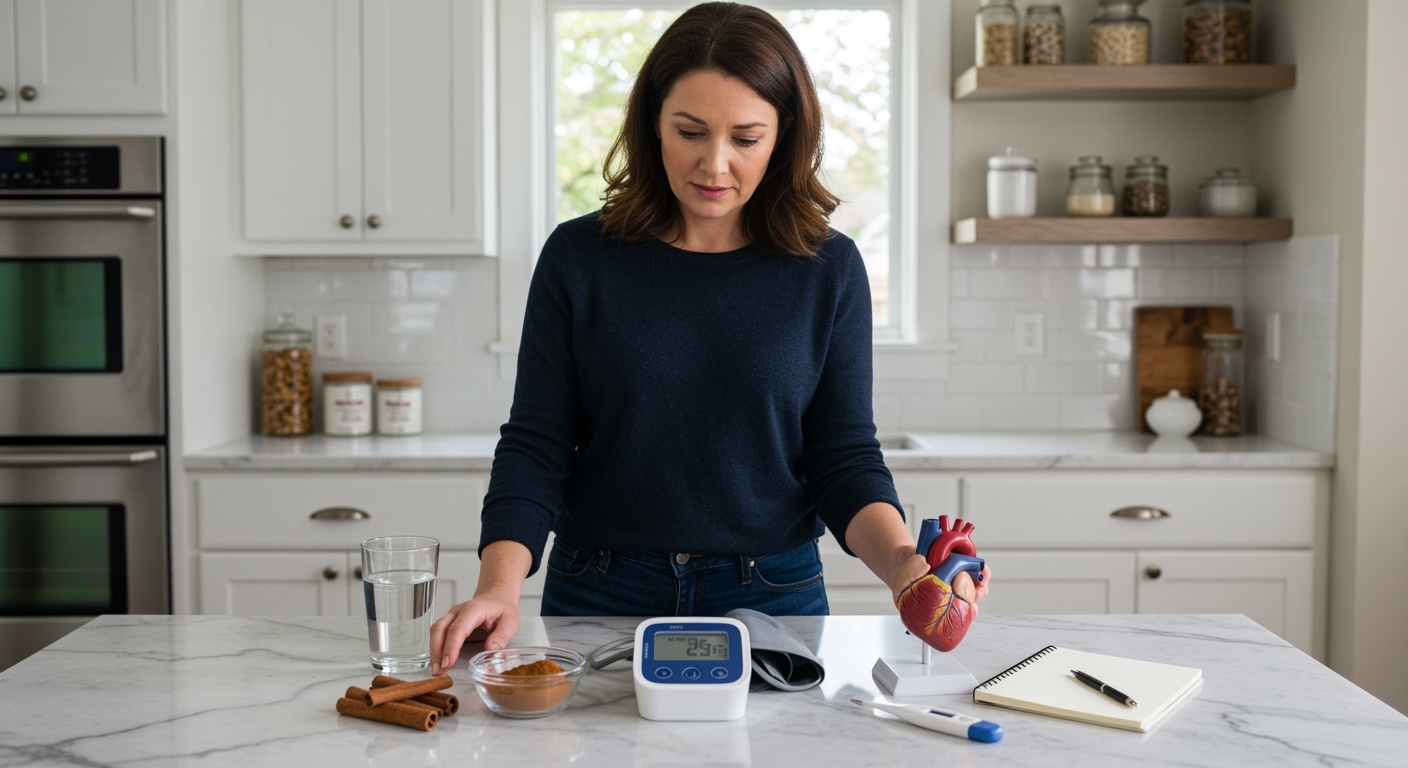
✪ Key Takeaway: Cinnamon can lower blood pressure further, making it risky for hypotension sufferers who need medical guidance before use.
Introduction
You sprinkle cinnamon on your morning oatmeal without a second thought.
But what if this warming spice that everyone praises for heart health is actually making your already low blood pressure drop even lower?
Hi, I am Abdur, your nutrition coach and today I am going to explain whether cinnamon is safe for people with hypotension and what you absolutely need to know before adding it to your diet.
Does Cinnamon Actually Lower Blood Pressure?
Yes, cinnamon does lower blood pressure according to multiple research studies.
A comprehensive review published in the journal Nutrition found that cinnamon supplementation significantly reduced systolic blood pressure by an average of 5.39 mmHg.
The same study showed that diastolic blood pressure dropped by 2.6 mmHg in people who consumed cinnamon regularly.
This happens because cinnamon contains compounds that act as vasodilators, which means they relax and widen your blood vessels.
When your blood vessels relax, blood flows more easily and the pressure against vessel walls decreases naturally.
For someone with high blood pressure, this effect is beneficial and protective.
But for someone whose blood pressure already sits below 90/60 mmHg, this same mechanism becomes a serious concern.
✪ Fact: Cinnamon contains cinnamaldehyde, the compound responsible for both its distinctive aroma and its blood pressure-lowering effects.
What Happens When Your Blood Pressure Drops Too Low?
When blood pressure falls below normal levels, your body struggles to deliver enough oxygen and nutrients to vital organs.
Your brain is particularly sensitive to these changes because it sits at the top of your body and requires constant blood flow.
The first symptoms you might notice include dizziness, lightheadedness, or feeling like you might faint when standing up quickly.
This condition is called orthostatic hypotension, and cinnamon can make it significantly worse.
You might also experience blurred vision, fatigue, difficulty concentrating, or sudden weakness throughout the day.
In severe cases, extremely low blood pressure can lead to shock, a life-threatening condition where organs begin to fail.
Adding cinnamon to your diet when you already have hypotension is like removing support beams from an already unstable structure.
✪ Note: If you experience frequent dizziness or fainting spells, measure your blood pressure before experimenting with any dietary changes.
How Much Cinnamon Creates Problems For Low Blood Pressure?
The amount of cinnamon that affects blood pressure varies significantly between individuals.
Research studies typically use doses ranging from 1 to 6 grams per day, which equals roughly half to three teaspoons.
However, even smaller amounts might cause problems if your blood pressure is already sitting at the lower end of normal.
A single teaspoon of cinnamon powder weighs about 2.6 grams, which falls right in the middle of the therapeutic range used in studies.
The problem is that cinnamon accumulates in your system when you consume it regularly over days and weeks.
What seems harmless today might create cumulative effects that drop your blood pressure dangerously low after consistent use.
The safest approach is avoiding concentrated cinnamon supplements entirely and limiting culinary use to occasional small pinches rather than daily therapeutic doses.
✪ Pro Tip: Keep a food diary tracking your cinnamon intake and blood pressure readings to identify any concerning patterns before they become serious.
Are There Different Types Of Cinnamon That Affect Blood Pressure Differently?
Yes, the two main types of cinnamon have different chemical compositions that might affect your blood pressure differently.
Ceylon cinnamon, often called true cinnamon, comes from Sri Lanka and has a lighter, sweeter flavor profile.
Cassia cinnamon, the variety commonly sold in most grocery stores, originates from China and has a stronger, more pungent taste.
Both types contain cinnamaldehyde, the compound responsible for lowering blood pressure, but in slightly different concentrations.
Cassia cinnamon typically contains higher levels of coumarin, a compound that can cause liver damage in large amounts.
However, when it comes to blood pressure effects, both varieties demonstrate similar hypotensive properties in research studies.
Switching from one type to another will not protect you from blood pressure drops if you already have hypotension.
✪ Fact: Ceylon cinnamon costs significantly more than Cassia because it requires more labor-intensive processing and comes from a single geographic region.
What Should You Do If You Have Low Blood Pressure But Want Cinnamon Benefits?
The first step is scheduling an appointment with your healthcare provider to discuss your specific situation.
Your doctor can evaluate your current blood pressure readings, review your medications, and assess whether any amount of cinnamon is safe for you.
If you get medical clearance, start with extremely small amounts like a tiny pinch once or twice weekly rather than daily.
Monitor your blood pressure at the same time each day and record the readings in a journal alongside your cinnamon consumption.
Watch for warning signs like increased dizziness, fatigue, or difficulty concentrating that might indicate your pressure is dropping too low.
Consider alternative spices like ginger, turmeric, or cardamom that provide health benefits without significantly affecting blood pressure.
Remember that no spice or supplement is worth risking your health when safer alternatives exist for achieving similar nutritional goals.
✪ Pro Tip: Purchase a quality home blood pressure monitor and check your readings before and two hours after consuming cinnamon to track immediate effects.
The Bottom Line
Cinnamon is not safe for people with low blood pressure without careful medical supervision and monitoring.
When your blood pressure already struggles to stay normal, adding substances that lower it further is like driving with failing brakes on a steep mountain road.
I would love to hear your experiences with cinnamon and blood pressure in the comments below, and please share any questions you have about managing hypotension through diet.
References
At NutritionCrown, we use quality and credible sources to ensure our content is accurate and trustworthy. Below are the sources referenced in writing this article:
- PMC: Cinnamon and Blood Pressure Research
- Healthline: Side Effects of Cinnamon
- WebMD: Supplement Guide: Cinnamon
- American Heart Association: Cinnamon: Not as Simple as You Might Suspect