Blueberries: Are They Really Good For Low Blood Pressure? (Expert Answer)
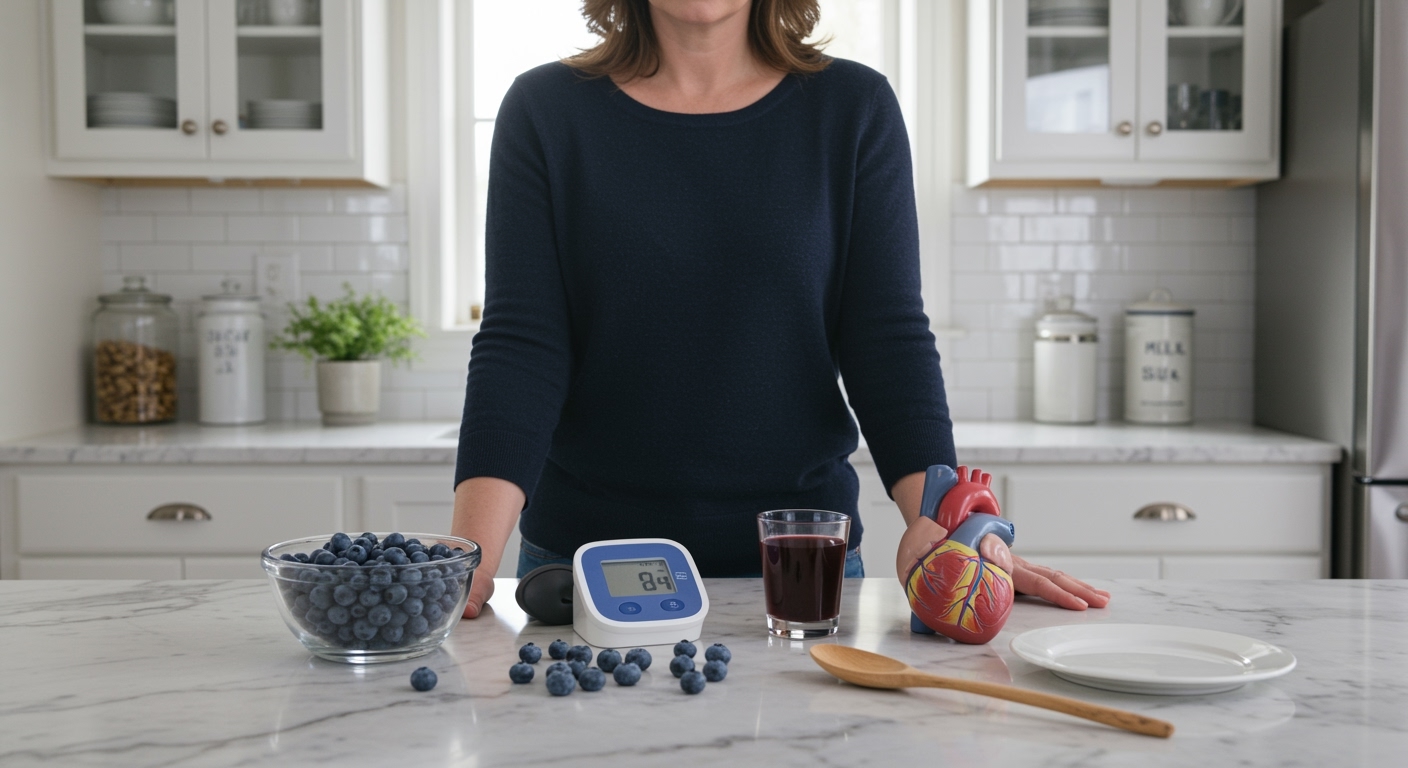
Woman standing behind marble counter looking at fresh blueberries, blood pressure monitor, juice glass, and heart model in bright kitchen.

✪ Key Takeaway: Blueberries lower blood pressure, so they may worsen hypotension if consumed in large amounts regularly. Introduction You have been told that blueberries are a superfood packed with health benefits. But if you already struggle with low blood pressure, you might wonder whether these tiny berries will help or harm your condition. Hi, I am Abdur, your nutrition coach, and today I am going to explain exactly how blueberries affect low blood pressure and what you need to know before making them a daily habit. What Do Blueberries Actually Do To Your Blood Pressure? Blueberries contain powerful compounds called anthocyanins, which are responsible for their deep blue color. These anthocyanins have been shown in multiple studies to lower blood pressure by improving the function of your blood vessels. When you eat blueberries regularly, these compounds help your blood vessels relax and widen, a process called vasodilation. This relaxation reduces the resistance in your arteries, which naturally brings your blood pressure down. Research published in the Journal of the Academy of Nutrition and Dietetics found that consuming blueberries daily for eight weeks significantly reduced systolic and diastolic blood pressure in people with elevated levels. The effect is not immediate but develops over time with consistent consumption. If your blood pressure is already too low, this blood pressure lowering effect could potentially make your symptoms worse. ✪ Fact: Just one cup of blueberries contains about 16 percent of your daily vitamin C needs, which also supports blood vessel health. Why
Beets: Can They Help With Low Blood Pressure? (Expert Answer)

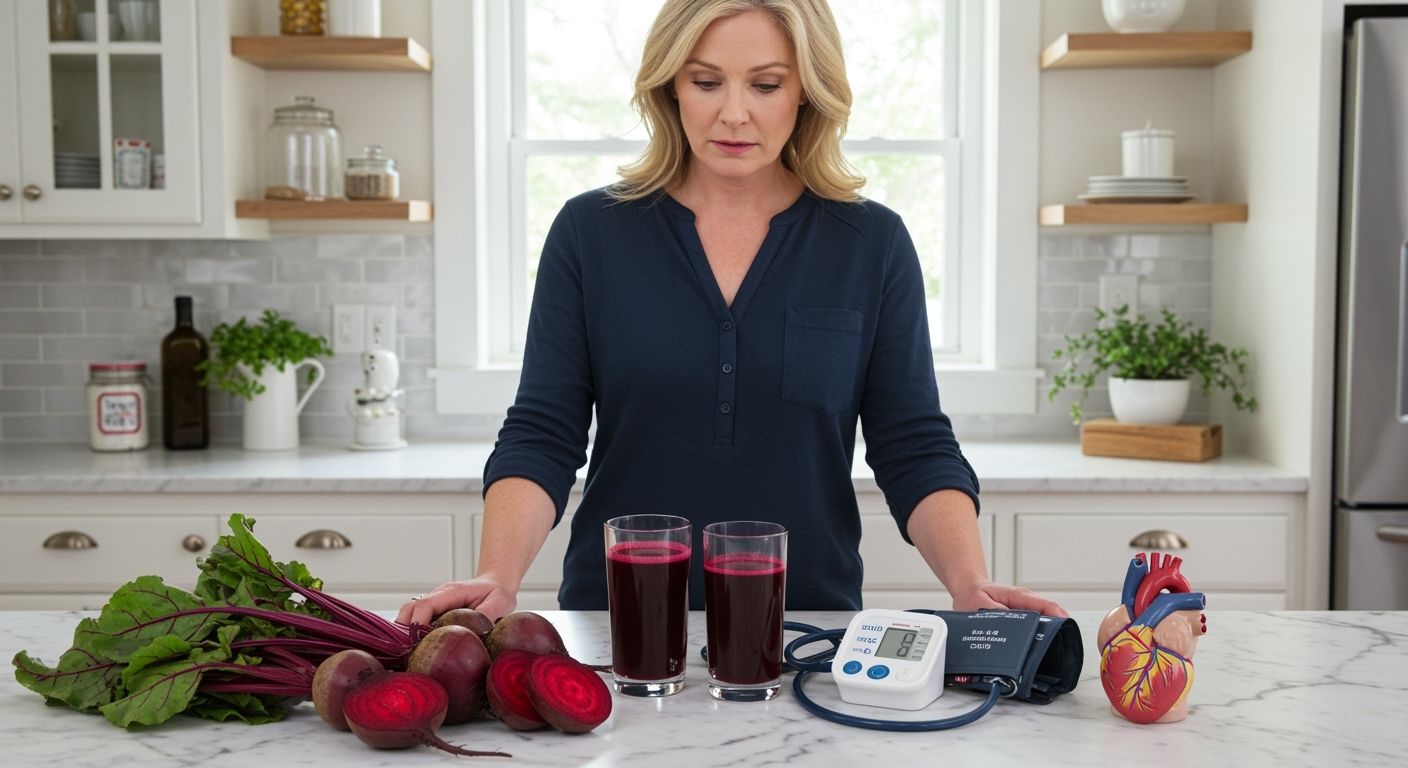
Woman holding fresh beet while standing behind marble counter with sliced beets, juice, and blood pressure equipment in bright kitchen

✪ Key Takeaway: Beets lower blood pressure and may worsen hypotension, so avoid them if your readings are already low. Introduction You have heard that beets are heart-healthy and can manage blood pressure naturally. But what happens when your blood pressure is already too low and you start eating beets regularly? Hi, I am Abdur, your nutrition coach and today I am going to explain whether beets help or harm people with low blood pressure and what the science actually says about this popular root vegetable. What Do Beets Actually Do to Your Blood Pressure? Beets contain high amounts of dietary nitrates that your body converts into nitric oxide. Nitric oxide is a molecule that relaxes and widens your blood vessels, a process called vasodilation. When your blood vessels widen, blood flows more easily and the pressure against vessel walls decreases. This mechanism works perfectly for people with high blood pressure because it brings their readings down to healthier levels. Research shows that drinking beet juice can lower systolic blood pressure by 4-10 mmHg within just a few hours. But this same effect becomes problematic for people whose blood pressure is already low. ✪ Fact: One cup of beet juice contains approximately 250-300 mg of nitrates, enough to significantly affect blood pressure within 2-3 hours. Can Beets Make Low Blood Pressure Worse? Yes, beets can make low blood pressure worse because they do not discriminate between high and low readings. The nitrates in beets will lower your blood pressure regardless

Bananas: Can They Help With Low Blood Pressure? (Expert Answer)

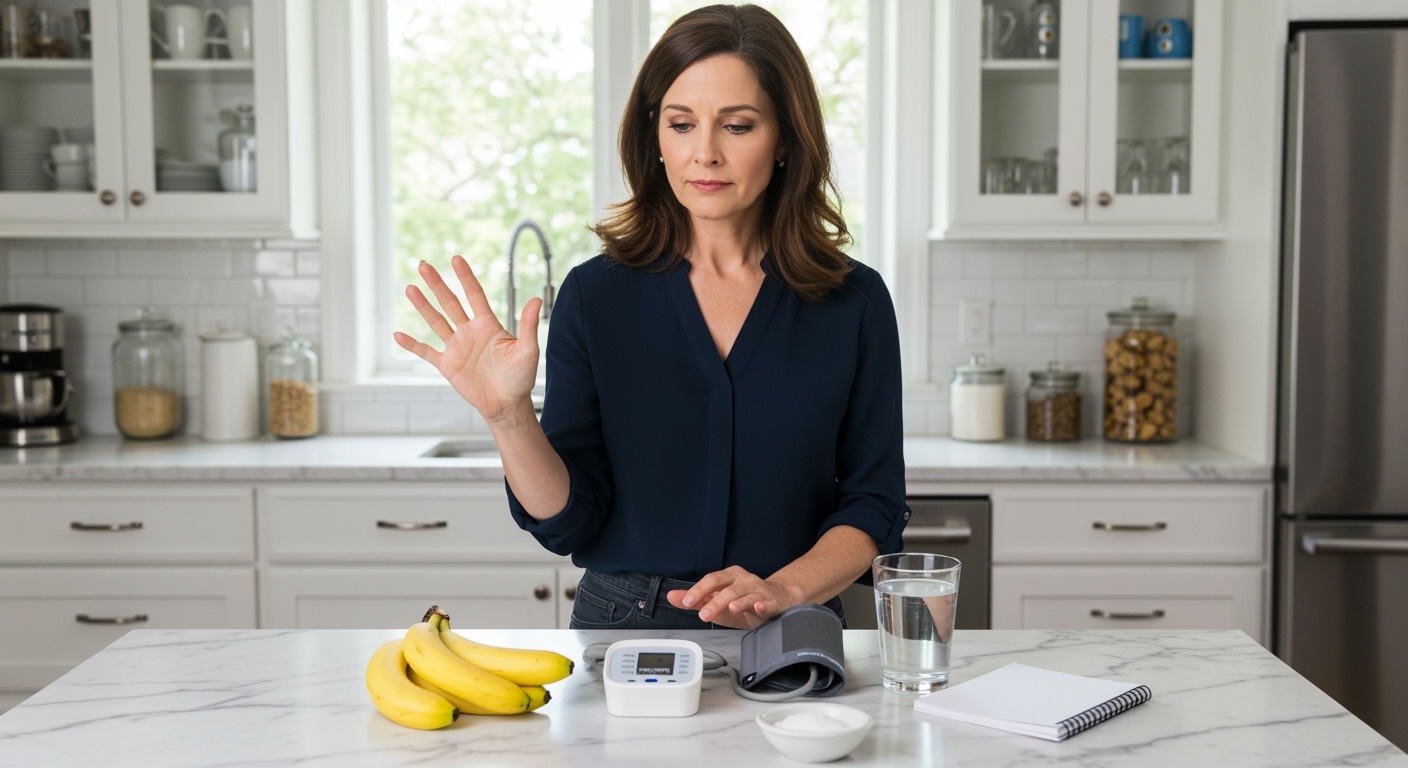
Woman holding banana while standing near blood pressure monitor on marble counter in bright modern kitchen with natural lighting

✪ Key Takeaway: Bananas may not help low blood pressure and could potentially worsen it due to their high potassium content. Introduction You have probably heard countless times that bananas are great for your blood pressure. But here is the problem: most of that advice targets people with high blood pressure, not low. If you are dealing with hypotension or low blood pressure, you might be wondering whether this popular fruit can actually help raise your numbers or if it might make things worse. Hi, I am Abdur, your nutrition coach, and today I am going to explain exactly how bananas affect low blood pressure and what you should really be eating instead. What Makes Bananas So Popular For Blood Pressure? Bananas have earned their reputation as a blood pressure friendly food primarily because of one nutrient: potassium. A medium banana contains about 422 milligrams of potassium, which is roughly 9 percent of your daily needs. Potassium works in your body by helping your kidneys remove excess sodium through urine. This process helps relax blood vessel walls, which reduces the pressure inside your arteries. Research published by the American Heart Association shows that increased potassium intake can significantly lower blood pressure in people with hypertension. But notice the key word there: hypertension, which means high blood pressure, not low. The mechanism that makes bananas helpful for high blood pressure is exactly what makes them potentially problematic for low blood pressure. ✪ Fact: Most blood pressure advice online targets hypertension, leaving

Apples: Can They Help With Low Blood Pressure? (Expert Answer)

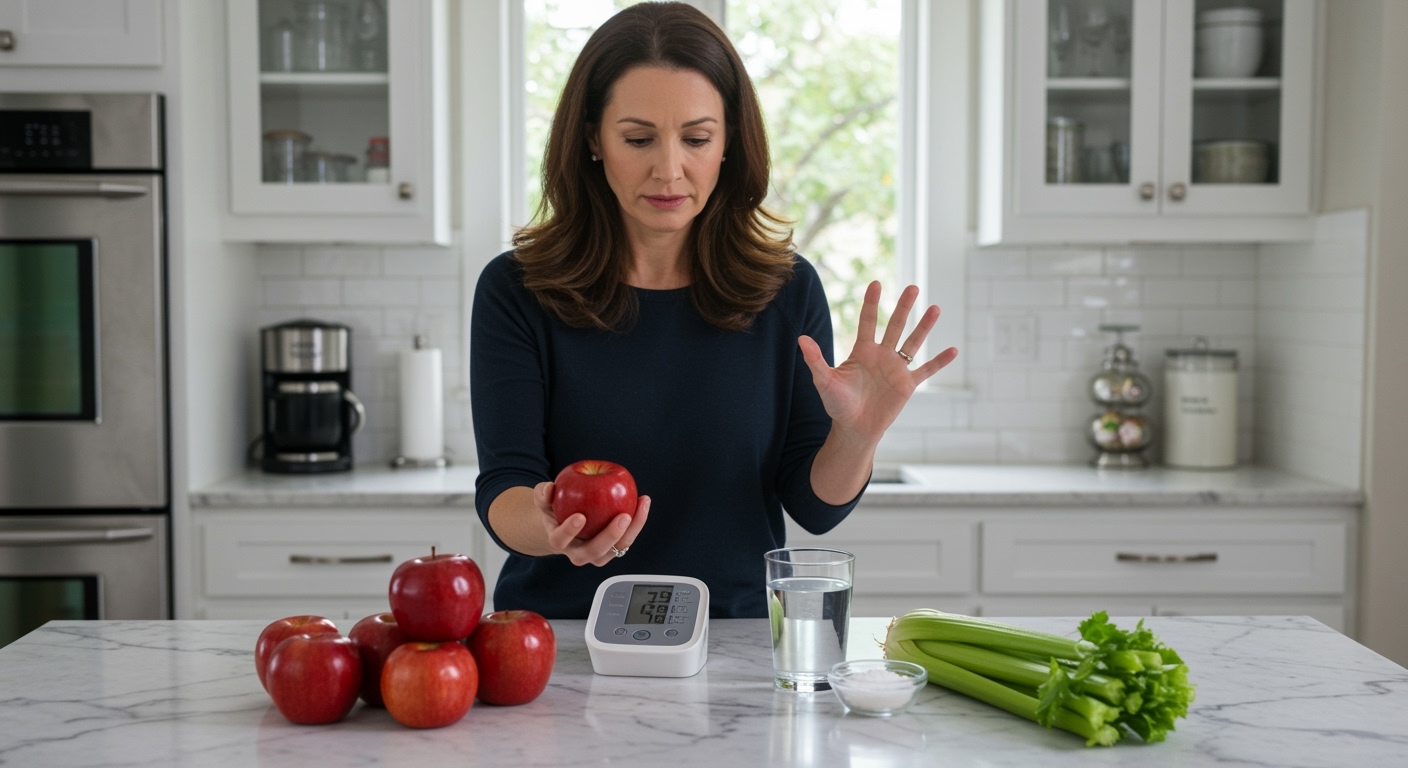
Woman holding red apple while standing behind marble counter with blood pressure monitor, glass of water, salt bowl, and celery

✪ Key Takeaway: Apples lower blood pressure rather than raise it, making them unsuitable for managing hypotension or low blood pressure conditions. Introduction You feel dizzy when you stand up too quickly. Someone told you that eating apples might help with your low blood pressure, and now you are wondering if this popular fruit could be your solution. Hi, I am Abdur, your nutrition coach and today I am going to explain the real relationship between apples and blood pressure, what science actually says, and what you should eat instead if you are dealing with hypotension. Do Apples Raise or Lower Blood Pressure? Apples actually lower blood pressure instead of raising it. Research published in the American Heart Association journal shows that flavonoid-rich foods like apples reduce blood pressure by improving blood vessel function. Apples contain high amounts of potassium, a mineral that helps your body eliminate excess sodium through urine. When sodium levels drop, your blood vessels relax and blood pressure decreases. One medium apple provides about 195 milligrams of potassium, which contributes to this blood pressure-lowering effect. The fiber in apples also plays a role in reducing blood pressure by improving cholesterol levels and supporting healthy blood vessel walls. So if you have low blood pressure, eating apples will not help your condition and might even make you feel worse. ✪ Fact: Studies show that people who eat apples regularly have lower systolic blood pressure compared to those who do not consume this fruit. Why Do People Think

Almonds: Are They Really Good For Low Blood Pressure? (Expert Answer)

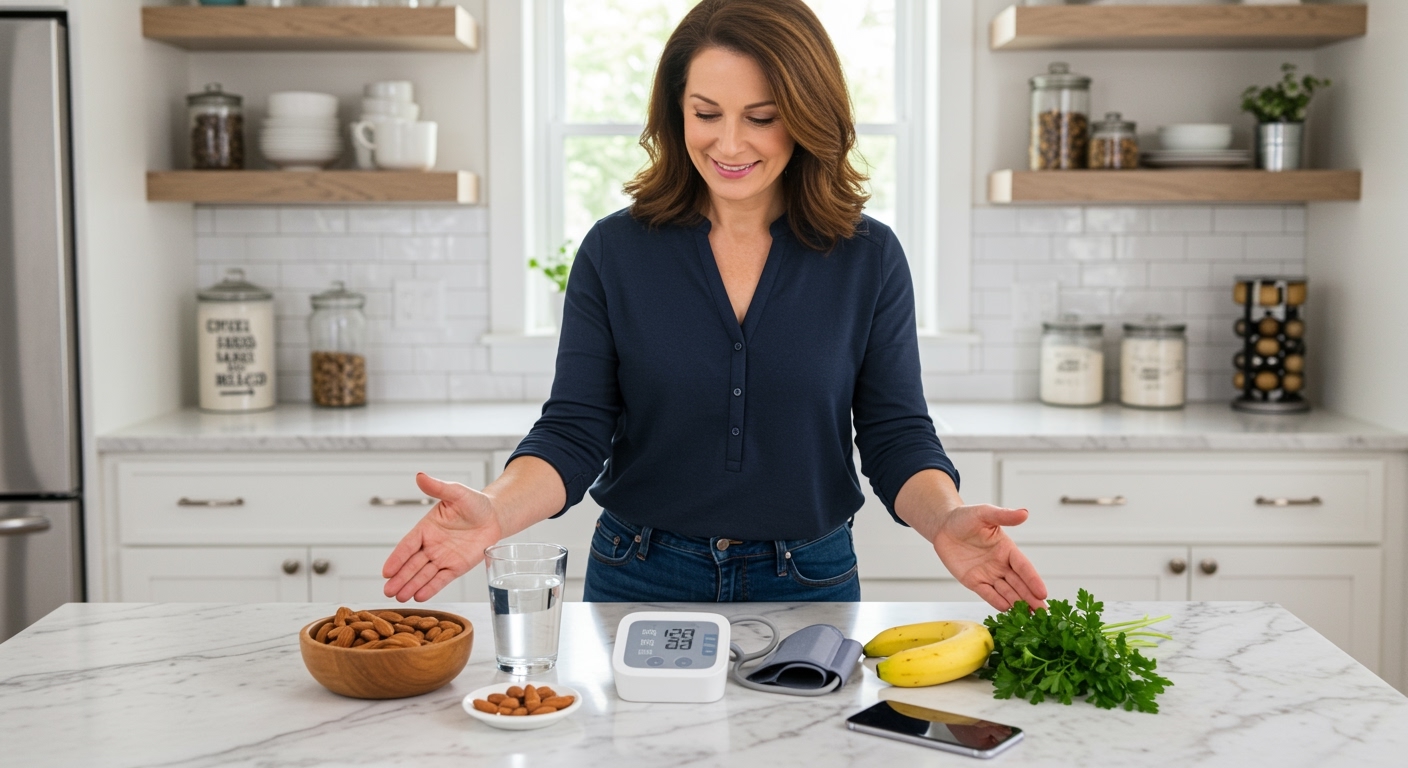
Middle-aged woman reaching toward almonds and blood pressure monitor on white marble countertop in bright modern kitchen

✪ Key Takeaway: Almonds help lower high blood pressure but do not raise low blood pressure and may worsen hypotension symptoms in some people. Introduction You grab a handful of almonds thinking they will solve your low blood pressure problem. You might be asking this question because you have heard almonds are heart-healthy and assume they will fix any blood pressure issue, whether high or low. Hi, I am Abdur, your nutrition coach, and today I am going to explain why almonds work differently for high and low blood pressure and what you should actually do if you struggle with hypotension. What Does Research Say About Almonds and Blood Pressure? The scientific evidence is clear about one thing. Almonds lower blood pressure in people who have high blood pressure or prehypertension. A comprehensive review of multiple studies found that eating almonds reduced systolic blood pressure by an average of 2.3 mmHg and diastolic pressure by 1.5 mmHg. This happens because almonds contain magnesium, potassium, and healthy fats that relax blood vessels and improve circulation. But here is the problem nobody talks about. These same blood pressure-lowering effects can make low blood pressure even worse. If your blood pressure is already below normal, eating foods that further reduce pressure will intensify symptoms like dizziness, fatigue, and fainting. ✪ Fact: Studies on almonds and blood pressure only included people with high or normal blood pressure, never those with hypotension. Why Do People Think Almonds Help Low Blood Pressure? The confusion comes from

Beetroot: Is It Really Good For Low Blood Pressure? (Expert Answer)

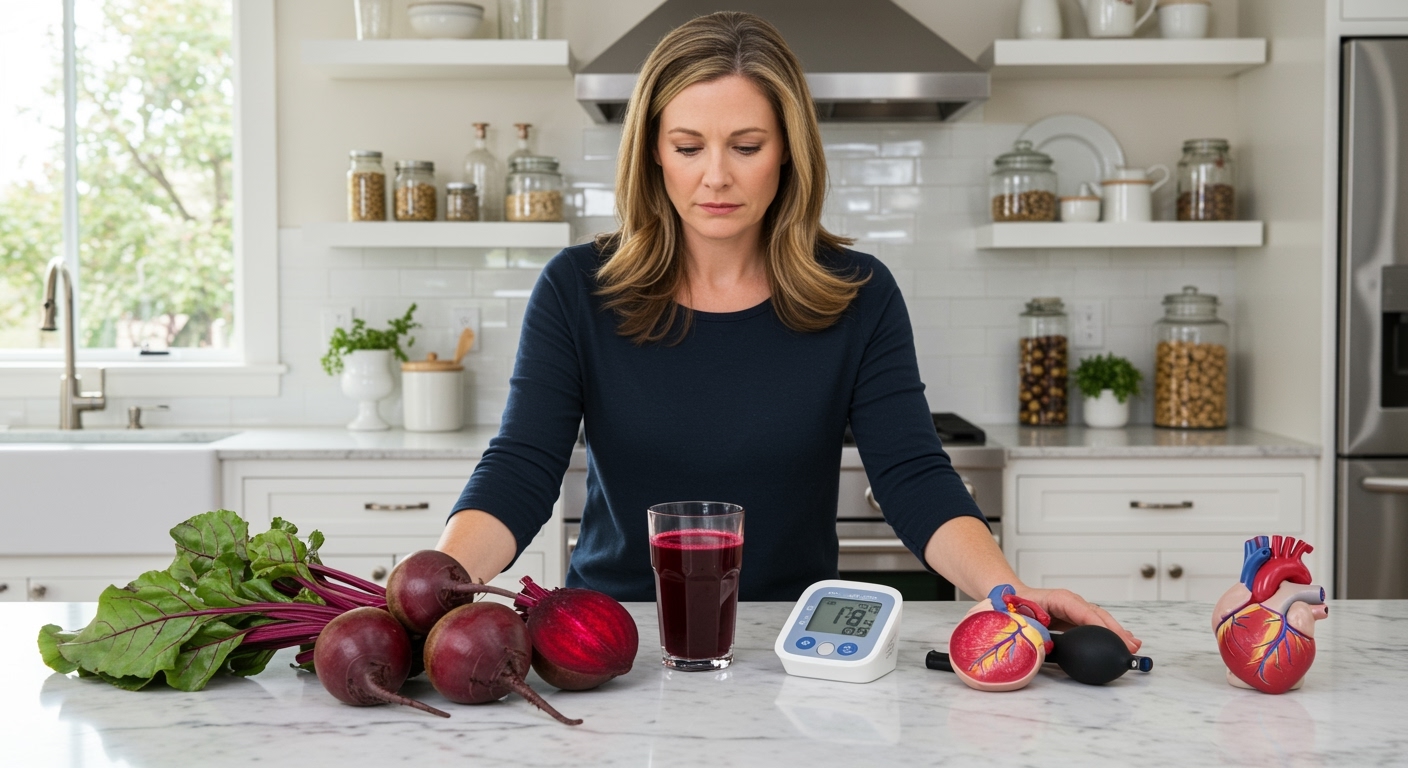
Woman standing behind marble counter looking at fresh beetroots, beetroot juice, blood pressure monitor, and heart model in sunlit kitchen

✪ Key Takeaway: Beetroot lowers blood pressure, so it can worsen hypotension and cause dangerous symptoms. Introduction You have probably heard that beetroot is a superfood for heart health and blood pressure. But if you are dealing with low blood pressure, you might be wondering whether this popular vegetable will actually help you or make things worse. Hi, I am Abdur, your nutrition coach, and today I am going to explain exactly how beetroot affects low blood pressure and whether you should include it in your diet. How Does Beetroot Actually Affect Blood Pressure? Beetroot contains high amounts of dietary nitrates, which are natural compounds found in many vegetables. When you eat beetroot, your body converts these nitrates into nitric oxide through a series of chemical reactions. Nitric oxide is a powerful molecule that signals your blood vessels to relax and widen. This widening process, called vasodilation, reduces resistance in your arteries and allows blood to flow more easily. As a result, your blood pressure drops because your heart does not need to work as hard to pump blood through relaxed vessels. Multiple studies have confirmed that beetroot juice can lower both systolic and diastolic blood pressure in people with normal or high readings. This effect typically begins within a few hours of consumption and can last for several hours. ✪ Fact: Just 250 milliliters of beetroot juice can lower blood pressure by approximately 8 millimeters of mercury within hours. Why Would Beetroot Be Dangerous For Low Blood Pressure? If

Ginger: Can It Help With Low Blood Pressure? (Expert Answer)

Woman holding ginger root at marble counter with blood pressure monitor, ginger tea, and medical tools in bright kitchen setting

✪ Key Takeaway: Ginger may lower blood pressure further, making it risky for hypotension patients who need stable readings. Introduction You feel dizzy when you stand up too quickly and wonder if ginger tea might help stabilize your blood pressure. Many people with low blood pressure search for natural remedies, hoping that popular kitchen spices like ginger will solve their problem without medication. Hi, I am Abdur, your nutrition coach and today I am going to explain how ginger actually affects your blood pressure and whether it helps or worsens hypotension. Does Ginger Lower Blood Pressure? Ginger contains bioactive compounds called gingerols and shogaols that have vasodilatory effects on your blood vessels. These compounds work by relaxing the smooth muscles in your arterial walls, which allows blood vessels to widen. When your blood vessels dilate, the pressure inside them naturally decreases because blood flows through a wider channel. Research published in multiple studies shows that ginger can reduce both systolic and diastolic blood pressure readings in people with hypertension. This blood pressure lowering effect happens because ginger acts as a natural calcium channel blocker, similar to some prescription medications. For someone already dealing with low blood pressure, this additional reduction can be problematic rather than beneficial. ✪ Fact: Ginger can lower blood pressure by up to 8 mmHg in people with elevated readings, according to clinical research. What Happens When You Take Ginger With Low Blood Pressure? Your body struggles to maintain adequate blood flow to vital organs when pressure

Black Coffee: Is It Even Safe For Low Blood Pressure? (Expert Answer)

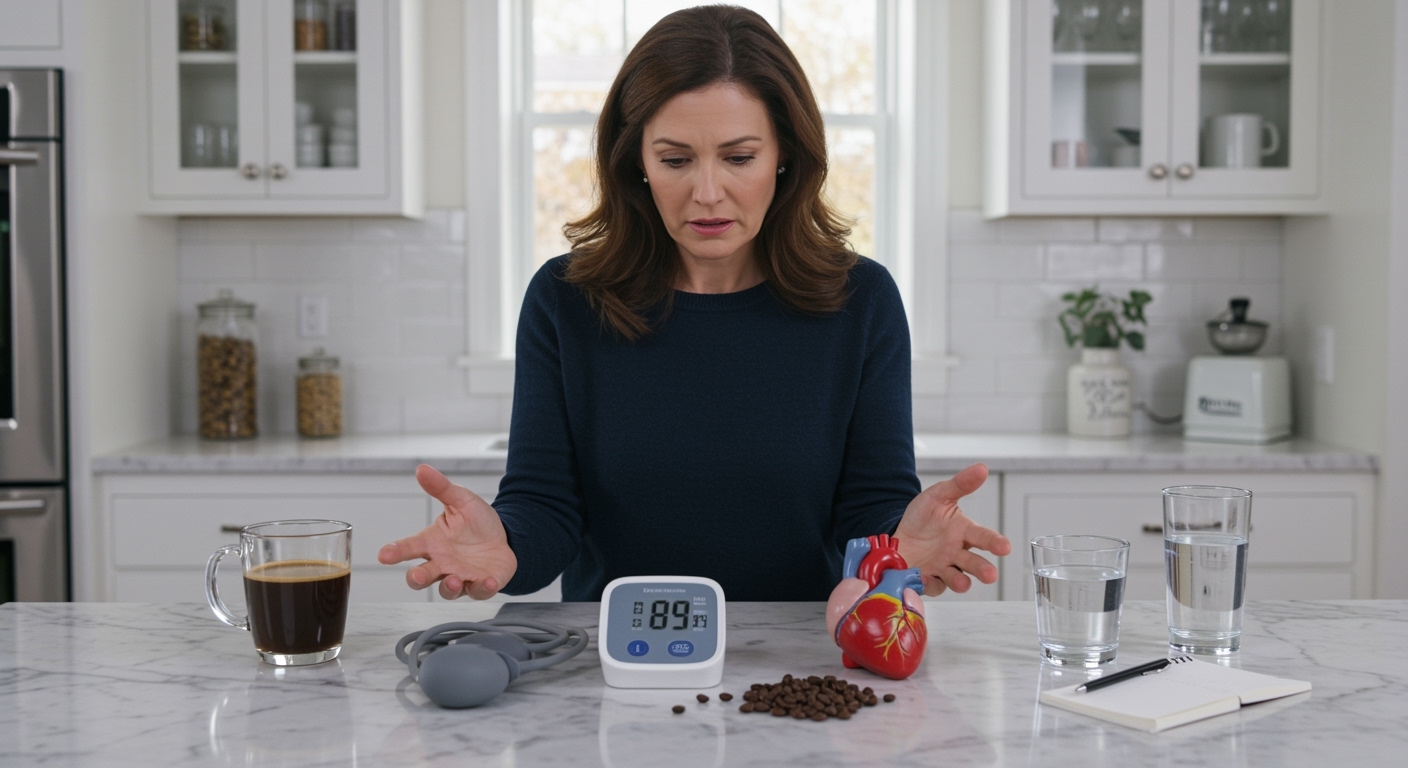
Woman standing behind marble counter looking at black coffee mug and blood pressure monitor with heart model and clock visible

✪ Key Takeaway: Black coffee can temporarily raise blood pressure by 3-15 mmHg, making it potentially helpful for low blood pressure when used strategically. Introduction You feel dizzy when you stand up too quickly, and someone tells you to drink black coffee. You might be asking this question because you have low blood pressure and wonder if that morning cup could help you feel better or make things worse. Hi, I am Abdur, your nutrition coach, and today I am going to explain exactly how black coffee affects your blood pressure, when it helps, when it does not, and what you need to know before making it part of your daily routine. How Does Black Coffee Actually Affect Your Blood Pressure? Black coffee contains caffeine, a natural stimulant that directly affects your cardiovascular system. When you drink coffee, caffeine blocks adenosine receptors in your body. Adenosine is a chemical that normally relaxes your blood vessels and makes you feel calm. When caffeine blocks these receptors, your blood vessels constrict or narrow, which increases resistance to blood flow. This constriction causes your heart to pump harder, and your blood pressure rises temporarily. Research shows that caffeine can raise systolic blood pressure by 3-15 mmHg and diastolic pressure by 4-13 mmHg within 30 minutes of consumption. For someone with low blood pressure, this temporary increase might actually bring readings closer to normal range and reduce symptoms like dizziness or fatigue. ✪ Fact: The blood pressure raising effect of caffeine typically peaks at

Garlic: Can It Help With Low Blood Pressure? (Expert Answer)

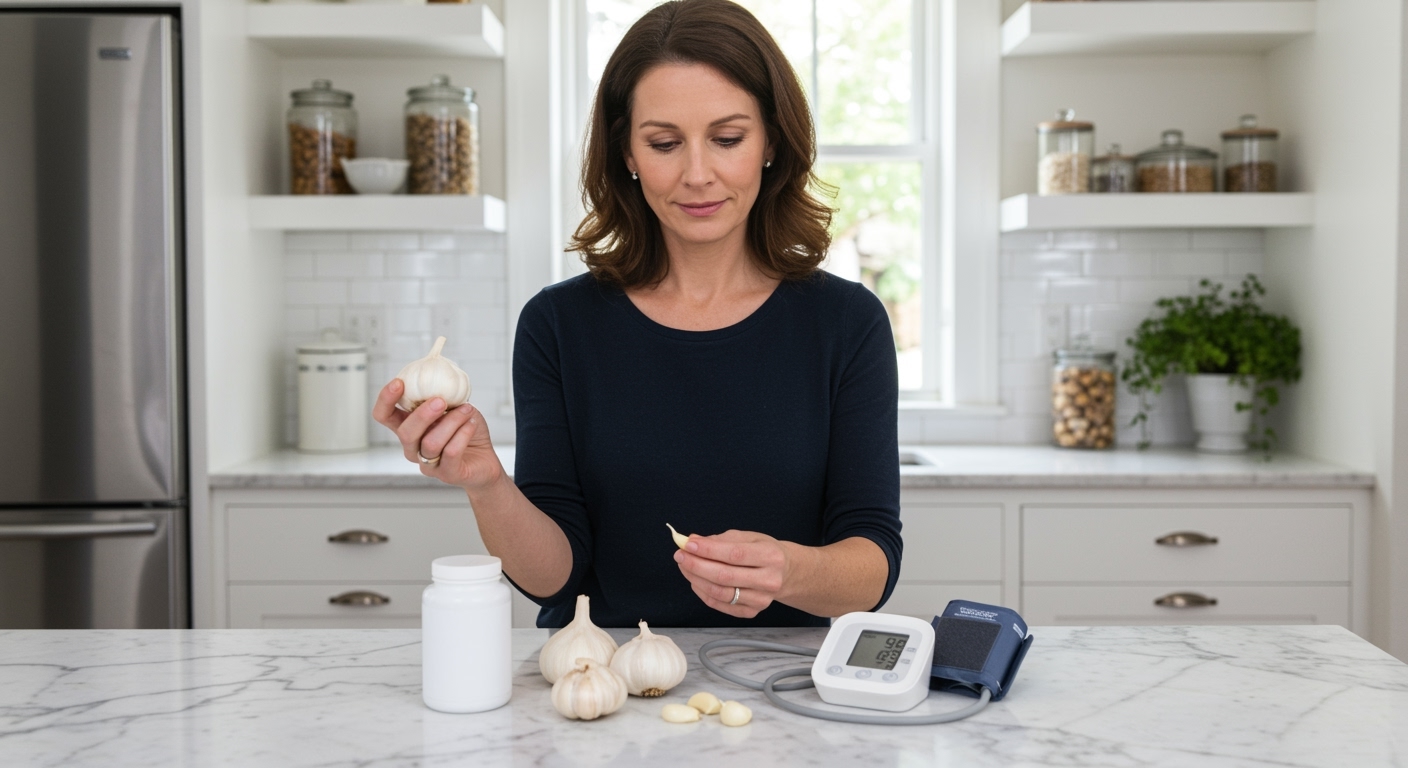
Woman holding garlic bulb and blood pressure cuff standing behind marble counter with garlic cloves and monitor in bright kitchen

✪ Key Takeaway: Garlic can lower blood pressure further, making it risky for people with hypotension who should use it cautiously. Introduction You have heard that garlic is good for your heart, but what if your blood pressure is already too low? You might be asking this question because you love cooking with garlic, or someone told you about its health benefits, but you worry it could make your hypotension worse. Hi, I am Abdur, your nutrition coach and today I am going to explain how garlic affects low blood pressure and whether you should avoid it or use it carefully. What Does Garlic Actually Do to Your Blood Pressure? Garlic contains a compound called allicin that forms when you crush or chop fresh cloves. This allicin helps your blood vessels relax and widen, which is called vasodilation. When your blood vessels widen, the pressure inside them naturally decreases. Research shows that garlic can lower systolic blood pressure by about 8-10 mmHg in people with high blood pressure. But here is the problem: if your blood pressure is already low, this relaxing effect could push it even lower. Your body needs a certain level of pressure to push blood to your brain, heart, and other vital organs. When pressure drops too much, you might feel dizzy, weak, or even faint. ✪ Fact: Allicin breaks down quickly after cutting garlic, so letting it sit for 10 minutes before cooking preserves more of its active compounds. Is Cooked Garlic Safer Than Raw

Boiled Egg: Can It Help With Low Blood Pressure? (Expert Answer)

Woman standing behind marble counter with boiled eggs, blood pressure monitor, and health items in bright modern kitchen

✪ Key Takeaway: Boiled eggs can help with low blood pressure by providing protein and sodium that support healthy circulation. Introduction You feel dizzy when you stand up too quickly and wonder if your breakfast choices matter. You might be asking this question because you have low blood pressure and want to know if something as simple as a boiled egg can help raise your levels naturally without medication. Hi, I am Abdur, your nutrition coach and today I am going to explain how boiled eggs affect your blood pressure, what components in eggs influence your cardiovascular system, and whether they should be part of your strategy to manage low blood pressure. What Happens to Your Blood Pressure When You Eat Boiled Eggs? When you eat a boiled egg, your body receives a complete package of protein, sodium, and various minerals that influence your cardiovascular system. The protein in eggs contains specific amino acids that can affect how your blood vessels function. Research shows that egg white proteins contain peptides that may have ACE-inhibiting properties, which typically help lower high blood pressure rather than raise it. However, the sodium content in eggs, especially when you add salt during cooking, can help increase blood volume temporarily. One large boiled egg contains approximately 62 milligrams of sodium naturally, which is relatively modest but still contributes to your daily intake. The combination of protein and sodium creates a mild effect that can support blood pressure regulation without causing dramatic spikes. Your body uses