Alcohol: Is It That Bad For Low Blood Pressure? (Expert Answer)

Woman standing behind marble counter with glass of alcohol, blood pressure monitor, heart model, and health items in bright kitchen

✪ Key Takeaway: Alcohol initially lowers blood pressure but raises it later, making it risky for hypotension patients who need stable readings. Introduction You reach for that glass of wine after a long day, but then you remember your low blood pressure diagnosis. You might be asking this question because your doctor mentioned watching your alcohol intake, or maybe you felt dizzy after drinking and wondered if the two were connected. Hi, I am Abdur, your nutrition coach and today I am going to explain how alcohol affects low blood pressure and whether you should worry about your drinking habits. What Actually Happens When You Drink Alcohol? Alcohol creates a biphasic effect on your blood pressure that most people never understand. Within the first few hours of drinking, alcohol acts as a vasodilator, which means it relaxes and widens your blood vessels. This widening causes your blood pressure to drop temporarily, sometimes by 5 to 10 mmHg depending on how much you drink. For someone with already low blood pressure, this initial drop can push readings into dangerously low territory. Your body then responds by releasing stress hormones like cortisol and adrenaline to compensate for this drop. After several hours, these hormones cause your blood pressure to rebound and rise, sometimes higher than where you started. This rollercoaster pattern creates unpredictable cardiovascular stress that your body struggles to manage efficiently. ✪ Fact: Research shows that even small amounts of alcohol can cause measurable blood pressure changes within 30 minutes of


Alcohol: Is It Even Safe For Low Blood Pressure? (Expert Answer)

Middle-aged woman standing behind marble counter looking at glass of alcohol next to blood pressure monitor and health items

✪ Key Takeaway: Alcohol is unsafe for low blood pressure because it dilates blood vessels and drops pressure further, causing dizziness and fainting. Introduction Your friend hands you a drink at dinner, and you hesitate because your blood pressure already runs low. You might be asking this question because you have experienced dizziness, lightheadedness, or weakness after drinking, or perhaps your doctor mentioned your low blood pressure readings and you wonder if your occasional glass of wine makes things worse. Hi, I am Abdur, your nutrition coach, and today I am going to explain exactly how alcohol affects low blood pressure, why this combination creates real danger, and what you need to know before taking another sip. How Does Alcohol Actually Lower Blood Pressure? Alcohol acts as a vasodilator, which means it relaxes and widens your blood vessels. When your blood vessels expand, the space inside them increases, and your blood pressure naturally drops as a result. This effect happens within minutes of drinking and can last for several hours depending on how much you consume. Research shows that even small amounts of alcohol can reduce systolic blood pressure by 3-4 mmHg and diastolic pressure by 2-3 mmHg within the first few hours. If your blood pressure already sits at 90/60 mmHg or lower, this additional drop pushes you into a dangerous zone where your brain and organs may not receive adequate blood flow. Your body tries to compensate by increasing your heart rate, but this mechanism does not always

Saltine Crackers: Can They Help With Low Blood Pressure? (Expert Answer)

Middle-aged woman standing behind marble counter with saltine crackers, salt bowl, blood pressure monitor, and healthy foods in bright kitchen

✪ Key Takeaway: Saltine crackers can temporarily raise low blood pressure due to their sodium content, but they lack essential nutrients and should not replace proper treatment. Introduction You feel dizzy when you stand up too quickly and someone hands you a pack of saltine crackers saying they will help. You might be wondering if these simple crackers can actually fix your low blood pressure or if this is just another food myth that sounds too easy to be true. Hi, I am Abdur, your nutrition coach and today I am going to explain exactly how saltine crackers affect your blood pressure, whether they truly help with hypotension, and what you should do instead for lasting results. What Makes Saltine Crackers Different From Regular Crackers? Saltine crackers are thin, crispy squares made primarily from refined white flour, water, yeast, and topped with coarse salt crystals. The defining feature is the visible salt coating on top that gives them their distinctive taste and name. A single serving of five saltine crackers contains approximately 115 milligrams of sodium, which is about 5 percent of the daily recommended limit. This sodium content is significantly higher than unsalted crackers or plain bread, making saltines a concentrated source of salt in a small package. The crackers also contain minimal amounts of protein, fiber, vitamins, or minerals beyond the sodium they provide. Their simple composition means they digest quickly and provide rapid delivery of sodium into your bloodstream. ✪ Fact: The holes in saltine crackers are

Salt Tablets: Are They Really Good For Low Blood Pressure? (Expert Answer)

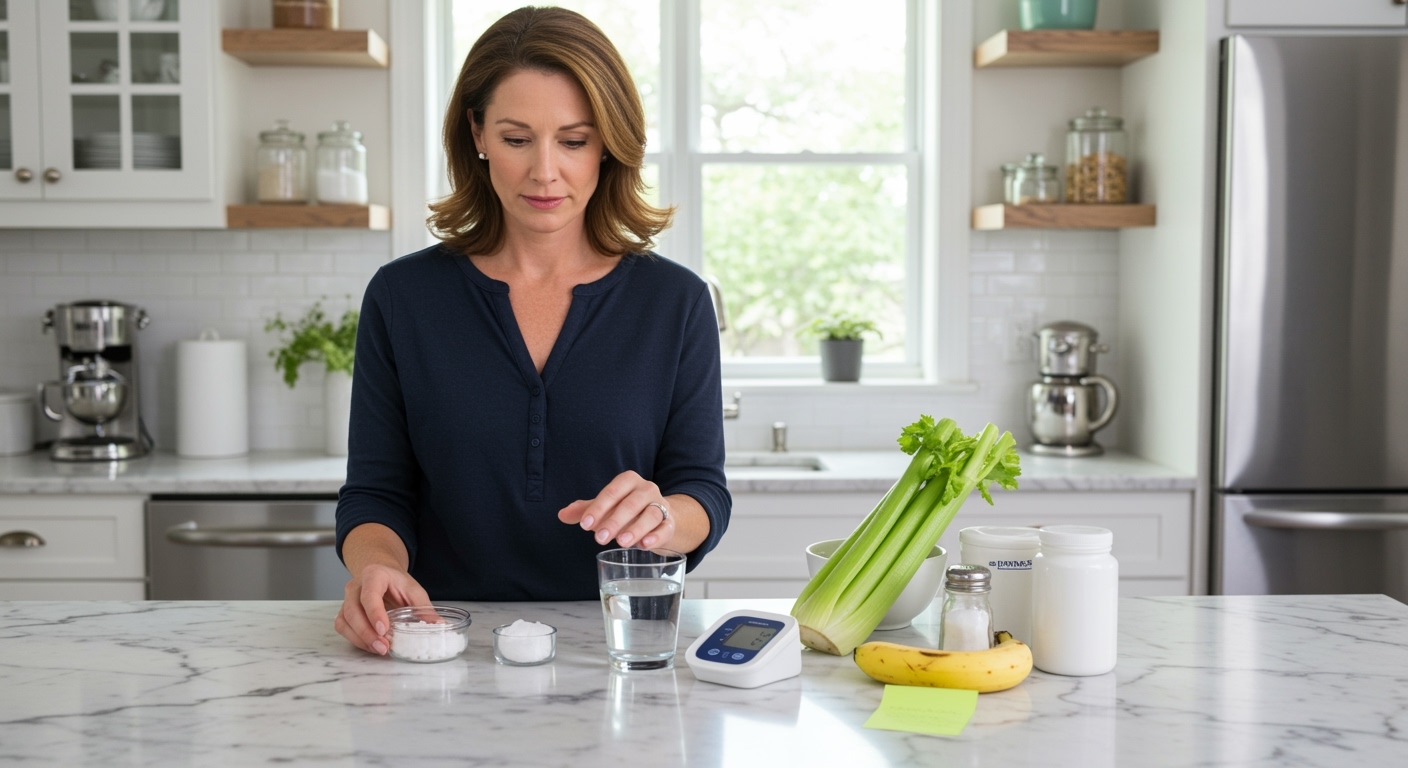
Woman standing at marble counter examining salt tablets with blood pressure monitor, water glass, and fresh produce visible in bright kitchen

✪ Key Takeaway: Salt tablets can raise blood pressure temporarily but carry serious risks and should only be used under medical supervision. Introduction You feel dizzy when you stand up too quickly. Someone told you that salt tablets could fix your low blood pressure problem fast. Now you are wondering if popping a few pills is really the smart solution or just another health shortcut that could backfire. You might be asking this question because you are tired of feeling lightheaded and want quick relief. Perhaps your doctor mentioned increasing your sodium intake, and you think tablets sound more convenient than changing your diet. Maybe you are an athlete who sweats heavily and heard that salt tablets prevent dehydration and maintain blood pressure during intense workouts. Hi, I am Abdur, your nutrition coach, and today I am going to explain whether salt tablets are truly beneficial for low blood pressure or if they create more problems than they solve. How Do Salt Tablets Actually Work In Your Body? Salt tablets contain concentrated sodium chloride, the same compound found in table salt. When you swallow a salt tablet, it dissolves in your stomach and releases sodium into your bloodstream. This sodium pulls water into your blood vessels through a process called osmosis, which increases the total volume of blood circulating in your body. More blood volume means more pressure against your artery walls, which raises your blood pressure readings. Your kidneys normally regulate sodium levels by filtering excess amounts out through

Potatoes: Can They Help With Low Blood Pressure? (Expert Answer)

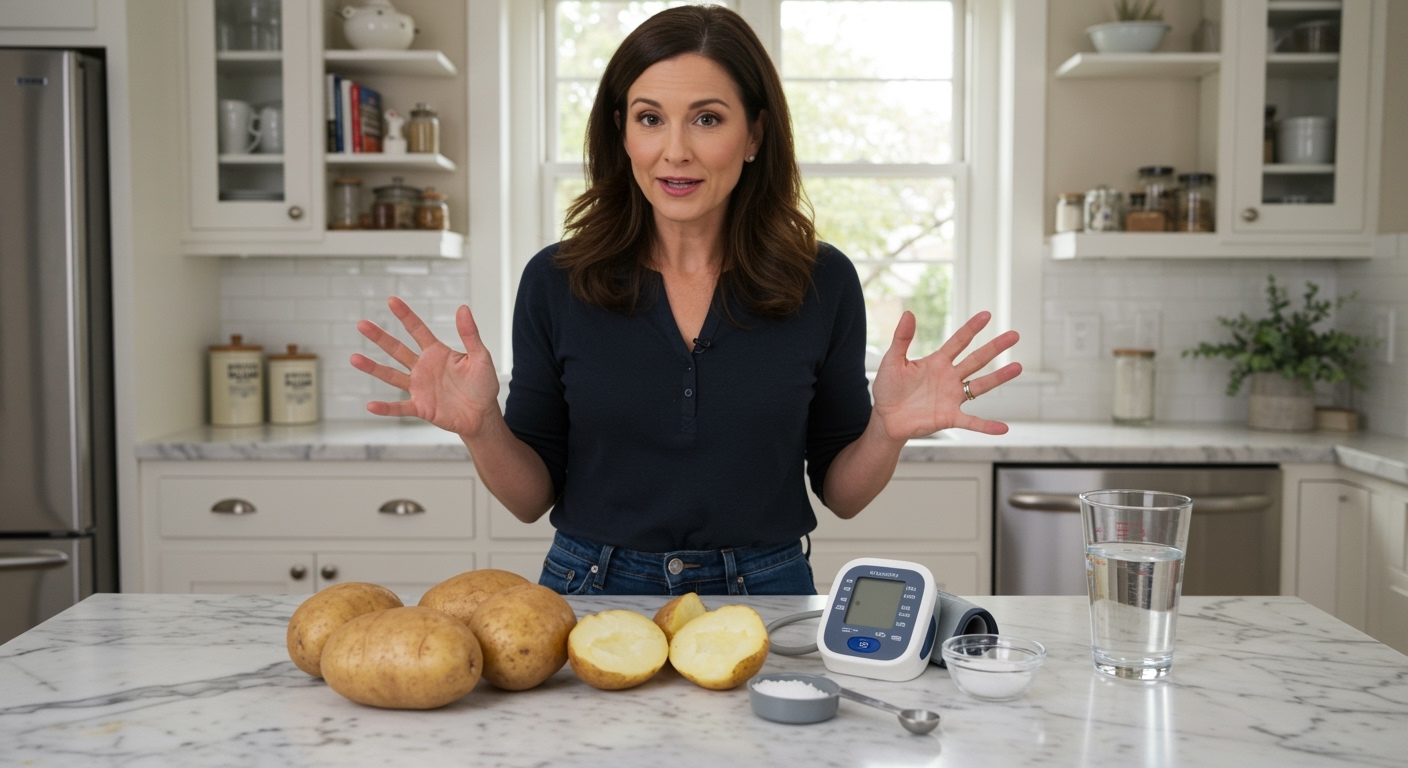
Woman gesturing toward whole and halved potatoes with blood pressure monitor and salt on white marble countertop in bright kitchen

✪ Key Takeaway: Potatoes do not directly help low blood pressure, but their potassium content may support normal blood pressure regulation. Introduction You might have heard that potatoes can affect your blood pressure levels. Perhaps you are dealing with low blood pressure and wondering if adding more potatoes to your diet could help raise those numbers naturally. Hi, I am Abdur, your nutrition coach, and today I am going to explain the real connection between potatoes and blood pressure, what the science actually shows, and whether this popular vegetable deserves a place in your low blood pressure management plan. What Does Science Say About Potatoes and Blood Pressure? The research on potatoes and blood pressure mostly focuses on high blood pressure, not low blood pressure. Multiple studies have shown that eating potatoes, especially fried or heavily processed versions, may actually increase the risk of developing hypertension. A large study published in the British Medical Journal found that people who ate four or more servings of baked, boiled, or mashed potatoes per week had an increased risk of high blood pressure. The same study showed that eating french fries even once per week was associated with higher hypertension risk. This happens because potatoes have a high glycemic index, meaning they cause rapid spikes in blood sugar levels. These blood sugar spikes trigger insulin release, and over time, this pattern can contribute to insulin resistance and metabolic changes that affect blood pressure regulation. So if the science shows potatoes may raise blood

Pickles: Is It Always Bad For Low Blood Pressure? (Expert Answer)

Woman holding pickle jar while standing behind marble counter with blood pressure monitor, cucumbers, salt, and herbs visible

✪ Key Takeaway: Pickles can actually help low blood pressure due to their sodium and electrolyte content when consumed appropriately. Introduction You reach for a pickle and suddenly wonder if this salty snack will send your already low blood pressure into dangerous territory. Most people with hypotension have heard conflicting advice about sodium, leaving them confused about whether pickles are friends or foes to their condition. Hi, I am Abdur, your nutrition coach and today I am going to explain exactly how pickles affect low blood pressure and whether you should include them in your diet. Why Does Everyone Say Pickles Are Bad For Blood Pressure? The pickle reputation comes from decades of warnings about high blood pressure and sodium intake. Medical professionals have long advised people with hypertension to reduce sodium because it can raise blood pressure in sensitive individuals. This advice created a blanket assumption that all pickled foods are universally bad for cardiovascular health. However, this guidance was never meant for people struggling with low blood pressure. The truth is that sodium works differently depending on whether your blood pressure is too high or too low. When you have hypotension, your body actually needs adequate sodium levels to maintain proper blood volume and pressure. One medium pickle contains approximately 785 milligrams of sodium, which represents about one-third of the daily recommended intake for most adults. ✪ Fact: The sodium warning for pickles was designed for hypertension patients, not those with low blood pressure conditions. How Does Sodium

Olives: Is It Even Safe for Low Blood Pressure? (Expert Answer)

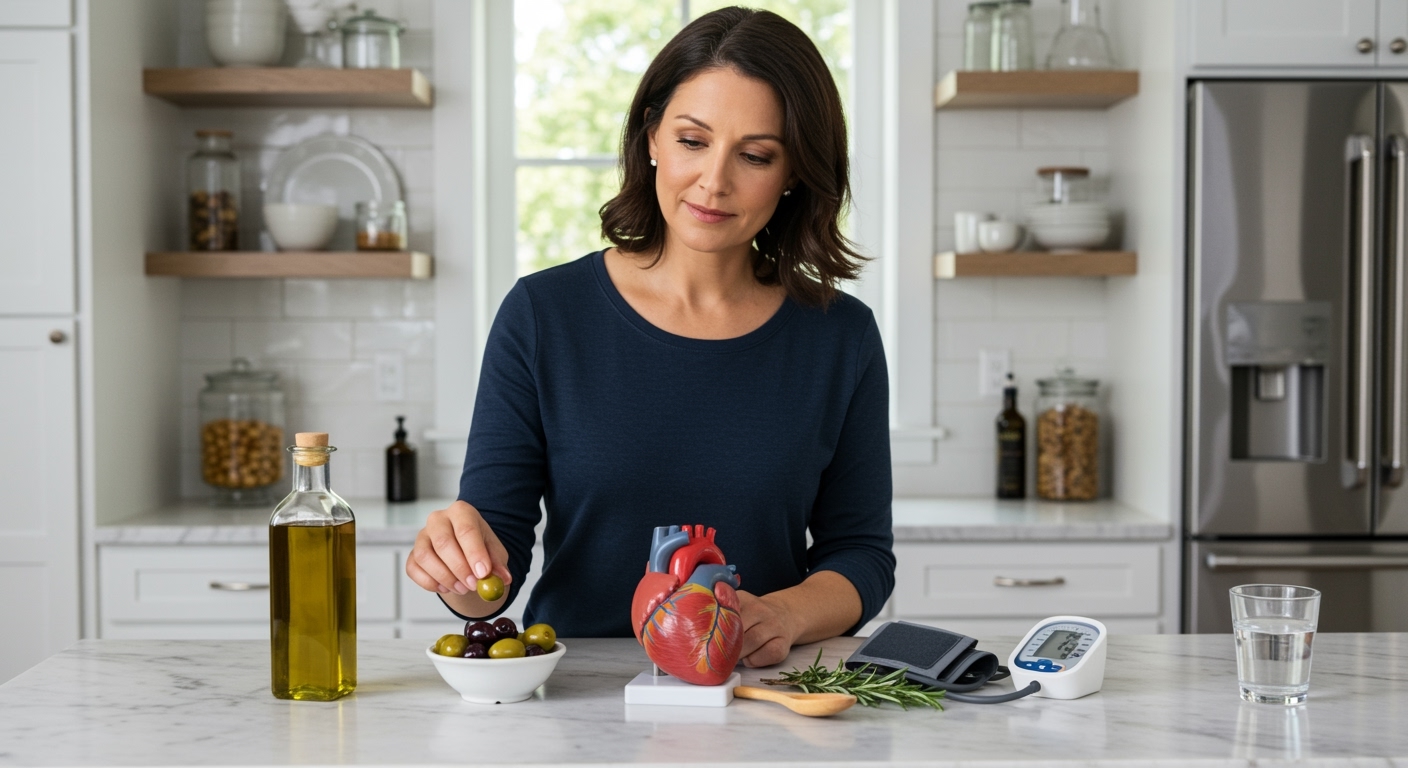
Woman holding olive while standing behind marble counter with bowl of olives, olive oil bottle, heart model, and blood pressure cuff

✪ Key Takeaway: Olives are safe for low blood pressure when consumed in moderation because their sodium content can help raise blood pressure levels. Introduction You have low blood pressure and someone told you to avoid olives completely. Now you are confused because olives are considered heart-healthy foods, yet they contain sodium that supposedly raises blood pressure. Hi, I am Abdur, your nutrition coach and today I am going to explain whether olives are safe for low blood pressure, how they affect your cardiovascular system, and the right way to include them in your diet. Why Do People Think Olives Are Dangerous for Blood Pressure? The confusion about olives and blood pressure comes from their sodium content. Most commercially available olives are preserved in brine solution, which is essentially salt water. This preservation process adds significant amounts of sodium to the olives. A single serving of about ten green olives can contain around 400 to 600 milligrams of sodium. For people with high blood pressure, this sodium content is concerning because excess sodium causes the body to retain water, which increases blood volume and raises blood pressure. However, if you have low blood pressure, this same sodium content might actually work in your favor by helping to increase your blood pressure to healthier levels. ✪ Fact: Black olives typically contain less sodium than green olives because they are riper when harvested and require less salt for preservation. How Does Sodium Actually Affect Low Blood Pressure? Understanding how sodium works in

Grapes: Can They Help With Low Blood Pressure? (Expert Answer)

Middle-aged woman holding purple grapes while standing behind marble counter with blood pressure monitor and health items visible

✪ Key Takeaway: Grapes lower blood pressure through vasodilation and will not help raise low blood pressure levels effectively. Introduction You have probably heard that grapes are heart-healthy and good for your cardiovascular system. But if you struggle with low blood pressure, you might wonder whether this popular fruit can actually help raise your numbers to a healthier range. Hi, I am Abdur, your nutrition coach and today I am going to explain exactly how grapes affect your blood pressure and whether they can help with hypotension or make it worse. What Do Grapes Actually Do To Blood Pressure? Grapes contain powerful polyphenols that have been extensively studied for their cardiovascular effects. Research shows that these compounds promote the production of nitric oxide in your blood vessel walls. Nitric oxide acts as a vasodilator, which means it relaxes and widens your blood vessels. When your blood vessels widen, the resistance to blood flow decreases and your blood pressure drops. A study published in PLOS One found that grape consumption significantly reduced systolic blood pressure in people with metabolic syndrome. This mechanism works beautifully for people with high blood pressure, but it creates a problem for those with low blood pressure. If your blood pressure is already low, eating grapes could potentially make it drop even further. ✪ Fact: Grape polyphenols can reduce blood pressure by up to 6 mmHg in people with elevated levels. Why Do People Think Grapes Might Help Low Blood Pressure? The confusion comes from the fact

Eggs: Are They Really Good For Low Blood Pressure? (Expert Answer)

Middle-aged woman holding egg while standing behind marble counter with boiled eggs, blood pressure monitor, water glass, and greens

✪ Key Takeaway: Eggs can help raise low blood pressure through sodium, protein, and B vitamins that support circulation and blood volume. Introduction You wake up feeling dizzy, your vision blurs when you stand, and that familiar weakness washes over you again. You might be wondering if something as simple as eggs could help stabilize your low blood pressure and bring back your energy. Hi, I am Abdur, your nutrition coach and today I am going to explain how eggs affect blood pressure, what makes them potentially beneficial for hypotension, and whether you should include them in your daily routine. What Happens Inside Your Body When Blood Pressure Drops Too Low? Your blood pressure represents the force your blood exerts against artery walls as your heart pumps it throughout your body. When this pressure drops below 90/60 mmHg, doctors call it hypotension or low blood pressure. Your brain and vital organs need consistent blood flow to function properly. When pressure falls too low, these organs do not receive enough oxygen and nutrients. This triggers symptoms like dizziness, fatigue, blurred vision, nausea, and even fainting. Several factors cause low blood pressure including dehydration, nutritional deficiencies, heart problems, endocrine disorders, and certain medications. Your body tries to compensate by increasing heart rate, but this only works temporarily. ✪ Fact: Nearly 10 percent of adults experience symptoms of low blood pressure at some point in their lives. How Do Eggs Influence Blood Pressure Levels? Eggs contain several nutrients that directly affect your cardiovascular

Dates: Can They Help With Low Blood Pressure? (Expert Answer)

Middle-aged woman holding date fruit while standing behind marble counter with blood pressure monitor and fresh dates visible

✪ Key Takeaway: Dates provide quick energy and essential minerals but do not directly raise low blood pressure significantly enough to be considered a treatment. Introduction You feel dizzy when you stand up too quickly, and someone tells you to eat dates for your low blood pressure. You might be asking this question because you have heard that dates are energy boosters and wonder if they can help raise your blood pressure readings naturally without medication. Hi, I am Abdur, your nutrition coach, and today I am going to explain whether dates truly help with low blood pressure and what actually happens in your body when you eat them. What Happens in Your Body When You Eat Dates? When you eat dates, your body breaks down their natural sugars quickly because they contain glucose and fructose in easily digestible forms. These sugars enter your bloodstream within minutes and provide an immediate energy boost that many people mistake for a blood pressure increase. Your blood sugar rises rapidly, which triggers your pancreas to release insulin to help cells absorb this sugar for energy. This process gives you a feeling of alertness and reduced fatigue, but it does not directly affect the force with which your heart pumps blood through your arteries. Dates also contain potassium, magnesium, and small amounts of sodium, which are electrolytes that help maintain fluid balance in your body. However, the amounts of these minerals in a typical serving of dates are not sufficient to cause a significant