Cranberry: Can It Help With Low Blood Pressure? (Expert Answer)
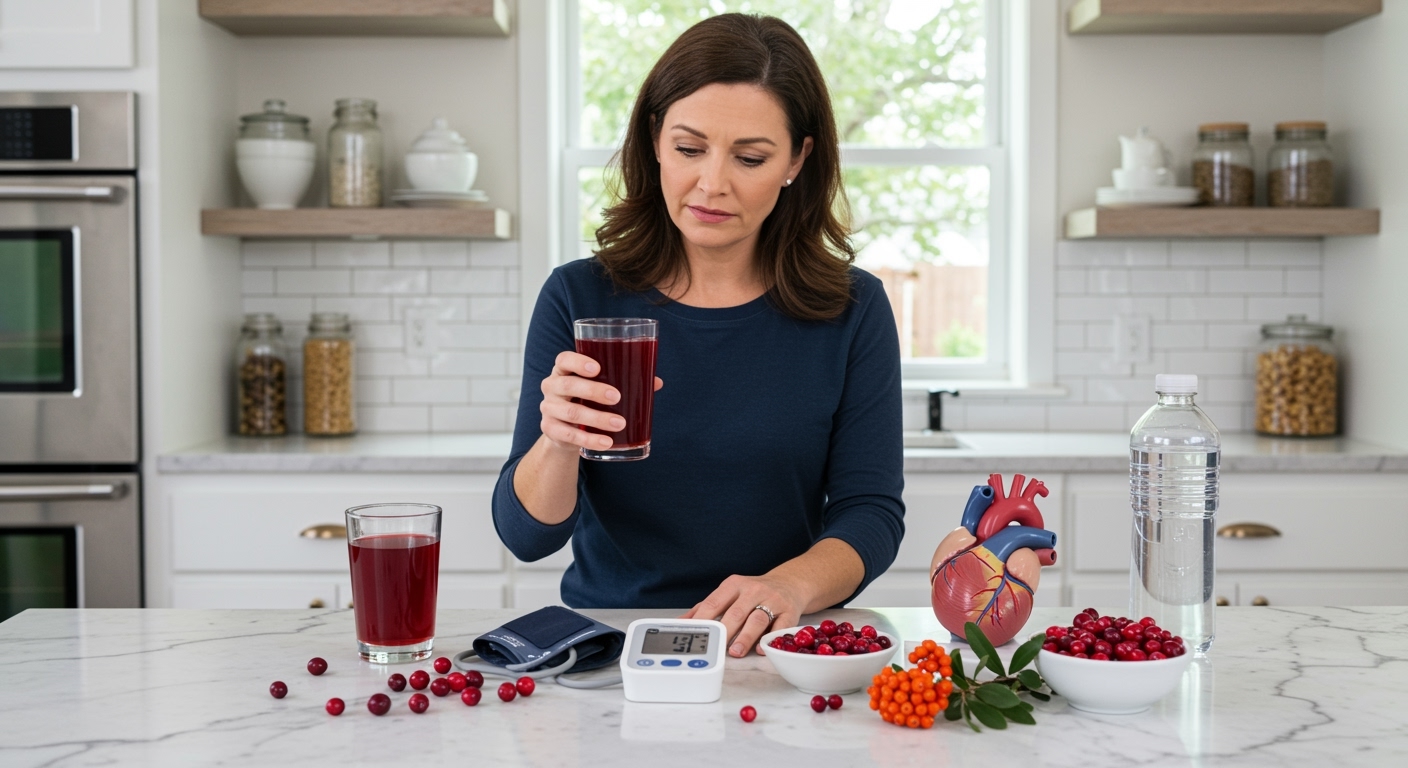
Woman holding cranberry juice glass while standing near blood pressure monitor with fresh cranberries on marble countertop

✪ Key Takeaway: Cranberry lowers blood pressure rather than raising it, making it unsuitable for treating hypotension. Introduction You wake up feeling dizzy, your vision blurs when you stand, and someone suggests drinking cranberry juice to help. You might be asking this question because you have low blood pressure and heard that cranberry offers health benefits, so you wonder if it could raise your numbers to a healthier range. Hi, I am Abdur, your nutrition coach, and today I am going to explain how cranberry affects blood pressure, whether it helps with hypotension, and what the science actually reveals about this popular berry. Does Cranberry Raise Blood Pressure? The short answer is no, cranberry does not raise blood pressure. Research consistently shows that cranberry actually lowers blood pressure in people who consume it regularly. A study published in 2012 found that drinking low-calorie cranberry juice significantly reduced blood pressure in participants over eight weeks. The reduction occurred in both systolic pressure, which is the top number, and diastolic pressure, which is the bottom number. This effect happens because cranberries contain compounds called polyphenols, which are plant chemicals that help relax blood vessels. When your blood vessels relax, they widen, allowing blood to flow more easily, which naturally decreases the pressure against vessel walls. If you already have low blood pressure, consuming cranberry products could potentially make your condition worse rather than better. ✪ Fact: Cranberry juice reduced systolic blood pressure by an average of 3 mmHg in clinical studies, which


Corn: Is It Really Good For Low Blood Pressure? (Expert Answer)

Woman holding corn cob at marble counter with blood pressure monitor, corn kernels, salt, heart model, and water glass visible

✪ Key Takeaway: Corn provides moderate sodium and potassium that may help stabilize low blood pressure when consumed as part of a balanced diet. Introduction You grab a corn cob at the grocery store and wonder if this golden grain will help your dizzy spells and constant fatigue. People with low blood pressure often search for foods that can naturally raise their levels without causing other health problems. Hi, I am Abdur, your nutrition coach and today I am going to explain exactly how corn affects your blood pressure and whether it deserves a place in your hypotension management plan. What Nutrients In Corn Actually Impact Blood Pressure? Corn contains several nutrients that directly influence your cardiovascular system and blood pressure regulation. One medium ear of corn provides about 15 milligrams of sodium, which helps maintain blood volume and pressure. This same serving delivers approximately 275 milligrams of potassium, a mineral that works with sodium to balance fluid levels in your body. The fiber content in corn, about 2 grams per ear, supports healthy blood flow by preventing arterial plaque buildup. Corn also contains magnesium, roughly 37 milligrams per ear, which helps blood vessels relax and maintain proper tone. The B vitamins in corn, particularly folate and niacin, support red blood cell production and oxygen delivery throughout your body. These nutrients work together to create a modest but measurable effect on your blood pressure levels. ✪ Fact: Yellow corn contains more carotenoids than white corn, which may provide additional cardiovascular

Coffee: Can It Help With Low Blood Pressure? (Expert Answer)

Woman holding coffee mug at marble counter with blood pressure monitor, heart model, coffee beans, and clock arranged nearby in kitchen

✪ Key Takeaway: Coffee temporarily raises blood pressure for 1-3 hours, making it helpful for acute low blood pressure episodes but not a long-term solution. Introduction You feel dizzy when you stand up too quickly, and someone suggests drinking coffee to fix it. You might be wondering if your morning cup can actually help with low blood pressure, or if this is just another health myth that sounds too simple to be true. Hi, I am Abdur, your nutrition coach and today I am going to explain exactly how coffee affects your blood pressure, when it helps, when it does not, and what you need to know to use it safely and effectively. Does Coffee Actually Raise Blood Pressure? Yes, coffee does raise blood pressure, but the effect is temporary and varies from person to person. When you drink coffee, the caffeine enters your bloodstream within 15 to 45 minutes and reaches peak levels around one hour after consumption. Caffeine works by blocking adenosine receptors in your body, which are responsible for promoting relaxation and widening blood vessels. When these receptors are blocked, your blood vessels constrict slightly, and your heart rate may increase, leading to a rise in blood pressure. Research shows that a single cup of coffee can raise systolic blood pressure by 3 to 15 points and diastolic pressure by 4 to 13 points in people who do not regularly consume caffeine. This pressure increase typically lasts between one to three hours before returning to baseline levels.

Cola Drinks: Is It That Bad For Low Blood Pressure? (Expert Answer)

Middle-aged woman standing behind marble countertop looking at cola glass with blood pressure monitor, heart model, and healthy foods

✪ Key Takeaway: Cola drinks provide temporary blood pressure elevation but create long-term health problems that outweigh any short-term benefits. Introduction You feel dizzy and someone hands you a cold cola saying it will help your low blood pressure. This advice gets passed around like an old family recipe, but nobody really questions whether it actually works or if it creates more problems than it solves. Hi, I am Abdur, your nutrition coach and today I am going to explain the real relationship between cola drinks and low blood pressure, including what happens inside your body and whether this popular remedy deserves a place in your health strategy. Does Cola Actually Raise Blood Pressure? Yes, cola can temporarily raise blood pressure, but the mechanism is not what most people think. The caffeine in cola causes your blood vessels to constrict and your heart to pump faster, which increases pressure against artery walls. A typical cola contains about 30 to 40 milligrams of caffeine per 12-ounce serving, which is enough to create a noticeable effect in sensitive individuals. The sugar content also plays a role by triggering insulin release, which affects sodium retention in your kidneys and temporarily increases blood volume. This effect usually peaks within 30 to 60 minutes after consumption and then gradually wears off as your body metabolizes the caffeine and processes the sugar. Research shows that caffeine can raise systolic blood pressure by 3 to 14 millimeters of mercury and diastolic pressure by 4 to 13 millimeters

Coconut Water: Can It Help With Low Blood Pressure? (Expert Answer)

Woman holding glass of coconut water standing behind marble counter with fresh coconut, blood pressure monitor, and healthy foods

✪ Key Takeaway: Coconut water may lower blood pressure rather than raise it, making it potentially unsuitable for hypotension management. Introduction You grab a bottle of coconut water thinking it will boost your energy and fix your low blood pressure problem. You might be asking this question because someone told you that coconut water is great for heart health, or you read somewhere that it helps with blood pressure issues. Hi, I am Abdur, your nutrition coach and today I am going to explain whether coconut water actually helps with low blood pressure or if it does the exact opposite. Does Coconut Water Actually Raise Blood Pressure? The short answer is no, and this is where things get interesting. Research shows that coconut water may actually lower blood pressure instead of raising it. A study published in the West Indian Medical Journal found that coconut water reduced systolic blood pressure in 71 percent of participants. This happens because coconut water contains high amounts of potassium, which helps relax blood vessel walls. When your blood vessels relax, blood flows more easily and pressure drops. If you already have low blood pressure, drinking coconut water might make your condition worse rather than better. ✪ Fact: One cup of coconut water contains about 600 milligrams of potassium, which is more than a medium banana provides. What Makes Coconut Water Lower Blood Pressure? The potassium content in coconut water is the main player here. Your body needs a delicate balance between sodium and potassium

Soft Drinks: Is It Even Safe For Low Blood Pressure? (Expert Answer)

Woman standing behind marble counter looking at cola drink, blood pressure monitor, heart model, vegetables, and sugar cubes in kitchen

✪ Key Takeaway: Soft drinks are unsafe for low blood pressure because they cause rapid blood sugar spikes followed by crashes that worsen hypotension. Introduction You feel dizzy, your vision blurs, and someone hands you a cold soft drink saying it will help your low blood pressure. This happens because people believe the sugar and caffeine in soft drinks can quickly raise blood pressure and make you feel better instantly. Hi, I am Abdur, your nutrition coach, and today I am going to explain why soft drinks create more problems than solutions for people with low blood pressure and what actually happens inside your body when you drink them. What Happens to Your Blood Pressure When You Drink Soft Drinks? When you drink a soft drink, the high sugar content enters your bloodstream within minutes. Your pancreas responds by releasing insulin to handle this sudden glucose surge. This insulin spike can actually cause your blood vessels to dilate, which may temporarily lower your blood pressure even further. The caffeine in many soft drinks does cause a short-term increase in blood pressure by stimulating your adrenal glands to release stress hormones. However, this effect lasts only 30 to 60 minutes before your blood pressure drops again, often lower than before you drank it. Research published in the American Journal of Physiology shows that sugar-sweetened beverages can disrupt normal blood pressure regulation mechanisms over time. The real danger comes from this rollercoaster effect that leaves you feeling worse than when you started.

Cinnamon: Can It Help With Low Blood Pressure? (Expert Answer)

Woman holding cinnamon stick while standing behind marble countertop with blood pressure monitor, heart model, and spices visible.

✪ Key Takeaway: Cinnamon may worsen low blood pressure because it naturally lowers blood pressure levels in most people. Introduction You sprinkle cinnamon on your morning oatmeal without thinking twice about it. But what if this innocent spice is making your low blood pressure worse instead of better? Hi, I am Abdur, your nutrition coach and today I am going to explain how cinnamon affects your blood pressure and whether you should avoid it when dealing with hypotension. Does Cinnamon Lower Blood Pressure? Research shows that cinnamon does lower blood pressure in most people. A study published in the journal Nutrition found that consuming cinnamon reduced both systolic and diastolic blood pressure in participants. The compounds in cinnamon work by relaxing your blood vessels and improving blood flow throughout your body. This mechanism is helpful for people with high blood pressure but problematic for those with low blood pressure. When your blood vessels relax too much, your already low blood pressure drops even further. This can lead to symptoms like dizziness, fainting, fatigue, and difficulty concentrating throughout your day. ✪ Fact: Cinnamon contains compounds called cinnamaldehyde and coumarin that directly affect how your blood vessels respond to pressure changes. What Happens When You Eat Cinnamon With Low Blood Pressure? Your body struggles to maintain adequate blood flow to vital organs when you consume cinnamon regularly. The vasodilation effect means your blood vessels widen, which reduces the pressure inside them. This is exactly what people with hypertension need, but the opposite

Coffee: Is It That Bad For Low Blood Pressure? (Expert Answer)

Middle-aged woman holding coffee cup behind marble counter with heart model, blood pressure monitor, and coffee beans visible

✪ Key Takeaway: Coffee can actually help raise low blood pressure temporarily through caffeine, making it beneficial rather than harmful for hypotension. Introduction You wake up feeling dizzy and reach for your coffee, then suddenly wonder if you should skip it. You might be asking this question because someone told you that coffee affects blood pressure, and you are worried it could make your low blood pressure worse or cause other health problems. Hi, I am Abdur, your nutrition coach, and today I am going to explain exactly how coffee interacts with low blood pressure, what the science actually says, and whether you should keep drinking it or not. Does Coffee Actually Raise Blood Pressure? Yes, coffee does raise blood pressure, but this is actually good news if you have hypotension. When you drink coffee, the caffeine blocks adenosine receptors in your brain, which normally help blood vessels relax and widen. By blocking these receptors, caffeine causes your blood vessels to constrict, which increases resistance and pushes your blood pressure up temporarily. This effect typically lasts for about three to four hours after drinking coffee, depending on your metabolism and caffeine sensitivity. Research shows that caffeine can raise systolic blood pressure by 3-15 mmHg and diastolic pressure by 4-13 mmHg in people who do not regularly consume it. For someone with low blood pressure symptoms like dizziness, fatigue, or lightheadedness, this temporary increase can actually provide relief. ✪ Fact: Regular coffee drinkers develop tolerance to caffeine’s blood pressure effects within

Cinnamon: Is It Even Safe For Low Blood Pressure? (Expert Answer)

Woman holding cinnamon stick while standing behind marble counter with blood pressure monitor, heart model, and spices in sunlit kitchen

✪ Key Takeaway: Cinnamon can lower blood pressure further, making it risky for hypotension sufferers who need medical guidance before use. Introduction You sprinkle cinnamon on your morning oatmeal without a second thought. But what if this warming spice that everyone praises for heart health is actually making your already low blood pressure drop even lower? Hi, I am Abdur, your nutrition coach and today I am going to explain whether cinnamon is safe for people with hypotension and what you absolutely need to know before adding it to your diet. Does Cinnamon Actually Lower Blood Pressure? Yes, cinnamon does lower blood pressure according to multiple research studies. A comprehensive review published in the journal Nutrition found that cinnamon supplementation significantly reduced systolic blood pressure by an average of 5.39 mmHg. The same study showed that diastolic blood pressure dropped by 2.6 mmHg in people who consumed cinnamon regularly. This happens because cinnamon contains compounds that act as vasodilators, which means they relax and widen your blood vessels. When your blood vessels relax, blood flows more easily and the pressure against vessel walls decreases naturally. For someone with high blood pressure, this effect is beneficial and protective. But for someone whose blood pressure already sits below 90/60 mmHg, this same mechanism becomes a serious concern. ✪ Fact: Cinnamon contains cinnamaldehyde, the compound responsible for both its distinctive aroma and its blood pressure-lowering effects. What Happens When Your Blood Pressure Drops Too Low? When blood pressure falls below normal levels, your

Egg: Is It Really Good For Low Blood Pressure? (Expert Answer)

Woman holding egg while standing behind marble counter with whole eggs, cracked eggs, blood pressure monitor, salt, water glass, and clock

✪ Key Takeaway: Eggs can help low blood pressure through sodium and protein but work best when combined with adequate salt and fluid intake. Introduction You crack an egg into your morning pan and wonder if this simple food will help your dizzy spells and constant fatigue from low blood pressure. Most people worry about eggs raising blood pressure too high, but when your pressure drops dangerously low, you need different answers about what this protein-packed food can actually do for your body. Hi, I am Abdur, your nutrition coach and today I am going to explain exactly how eggs affect low blood pressure, what mechanisms make them helpful or useless, and how to use them strategically for your hypotension management. What Actually Happens to Your Blood Pressure When You Eat Eggs? Your blood pressure depends on blood volume, vessel tone, and how efficiently your heart pumps blood throughout your body. When you eat eggs, you consume about 70 milligrams of sodium per large egg, which helps your body retain water and increase blood volume. This sodium content might seem small compared to processed foods, but it contributes to your daily intake that supports fluid balance. Eggs also provide high-quality protein containing all nine essential amino acids your body needs for building and repairing tissues. Research published in scientific journals shows that egg consumption correlates with lower blood pressure in some populations, but this research focused on people with normal or high blood pressure, not hypotension. The key difference is