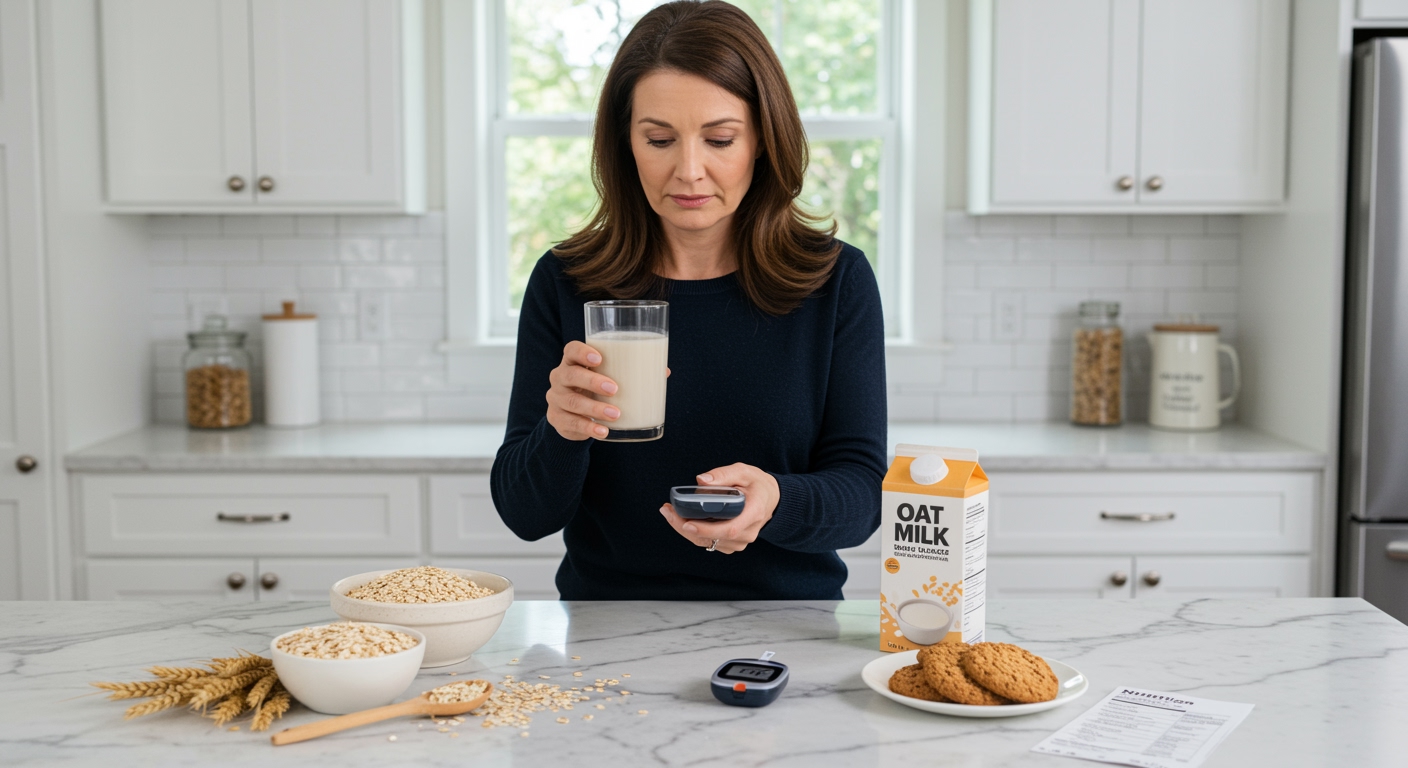
✪ Key Takeaway: Barley is excellent for diabetes due to its low glycemic index of 25 and high beta-glucan fiber content that slows sugar absorption.
Introduction
Your doctor tells you to avoid grains, but then you hear about barley being different.
You might be wondering if this ancient grain could actually help your blood sugar instead of spiking it like other grains do.
Hi, I am Abdur, your nutrition coach and today I am going to explain exactly how barley affects your blood sugar and why it might be the grain exception you have been looking for.
How Does Barley Affect Blood Sugar Levels?
Barley has a glycemic index of 25, which puts it in the low category compared to white rice at 73 or white bread at 75.
This low number means barley releases glucose into your bloodstream much more slowly than other grains.
The secret lies in barley’s unique fiber composition, particularly a type called beta-glucan.
Beta-glucan forms a gel-like substance in your digestive system that slows down carbohydrate absorption.
Research shows that people with diabetes who eat barley experience significantly smaller blood sugar spikes compared to those eating wheat or rice.
One study found that barley reduced post-meal glucose response by up to 30% compared to white bread.
✪ Fact: Pearl barley contains 6 grams of fiber per cooked cup, which is four times more than white rice.
What Makes Barley Different From Other Grains?
Unlike refined grains that have their fiber stripped away, barley retains most of its natural fiber content even after processing.
Pearl barley, the most common type, still contains about 75% of the original fiber despite having the outer hull removed.
This fiber creates a protective barrier around the starch molecules, making them harder for your digestive enzymes to break down quickly.
Barley also contains resistant starch, which acts more like fiber than regular starch in your body.
Your body cannot fully digest resistant starch, so it passes through your small intestine without causing blood sugar spikes.
The protein content in barley is also higher than most grains, providing about 4 grams per cooked cup.
This protein works together with fiber to slow digestion and create a more stable blood sugar response.
✪ Pro Tip: Choose hulled barley over pearl barley when possible for even more fiber and nutrients.
Can Barley Help Improve Long-Term Blood Sugar Control?
Studies show that regular barley consumption can improve HbA1c levels, which measure your average blood sugar over 2-3 months.
One 12-week study found that people with type 2 diabetes who ate barley daily reduced their HbA1c by 0.5%.
This improvement happens because barley helps your body become more sensitive to insulin over time.
The beta-glucan fiber in barley also feeds beneficial bacteria in your gut, which produce compounds that improve glucose metabolism.
These gut bacteria create short-chain fatty acids that help your liver process glucose more efficiently.
Regular barley consumption may also help reduce inflammation markers associated with diabetes complications.
The antioxidants in barley, including selenium and phenolic compounds, protect your cells from damage caused by high blood sugar.
✪ Note: Even small improvements in HbA1c can significantly reduce your risk of diabetes complications.
How Much Barley Should You Eat And When?
Start with half a cup of cooked barley per meal to see how your body responds.
This portion provides about 22 grams of carbohydrates, which is manageable for most people with diabetes.
The best time to eat barley is during lunch or dinner when you can pair it with protein and vegetables.
Combining barley with lean protein like chicken or fish further slows digestion and improves blood sugar control.
Adding healthy fats like olive oil or avocado to your barley dish creates an even more stable glucose response.
Cook barley in batches and store it in your refrigerator for up to 5 days to make meal planning easier.
Always test your blood sugar 2 hours after eating barley to understand your individual response and adjust portions accordingly.
✪ Pro Tip: Cooling cooked barley overnight increases its resistant starch content for even better blood sugar control.
Are There Any Risks Or Side Effects?
Barley is generally safe for people with diabetes, but you should be aware of a few considerations.
If you have celiac disease, avoid barley completely because it contains gluten.
Some people experience digestive discomfort when they first start eating barley due to its high fiber content.
Start with small portions and gradually increase to allow your digestive system to adjust.
Barley can also interact with certain diabetes medications by enhancing their blood sugar-lowering effects.
Monitor your blood sugar more frequently when adding barley to your diet and consult your doctor about potential medication adjustments.
The high fiber content might also affect the absorption of some medications, so take them at least 2 hours apart from barley meals.
✪ Note: Always inform your healthcare provider when making significant dietary changes while managing diabetes.
The Bottom Line
Barley stands out as one of the most diabetes-friendly grains you can choose, with its low glycemic index and high fiber content working together to stabilize blood sugar levels.
The best foods for diabetes are not always the ones you avoid, but the ones you choose wisely.
I would love to hear about your experience with barley or any questions you might have about incorporating it into your diabetes management plan, so please share your thoughts in the comments below.
References
At NutritionCrown, we use quality and credible sources to ensure our content is accurate and trustworthy. Below are the sources referenced in creating this article:
- PMC: Barley and Diabetes Research
- Go Barley: Barley Diabetes Guide
- Signos: Barley Glycemic Index
- Healthline: Barley Nutrition Facts