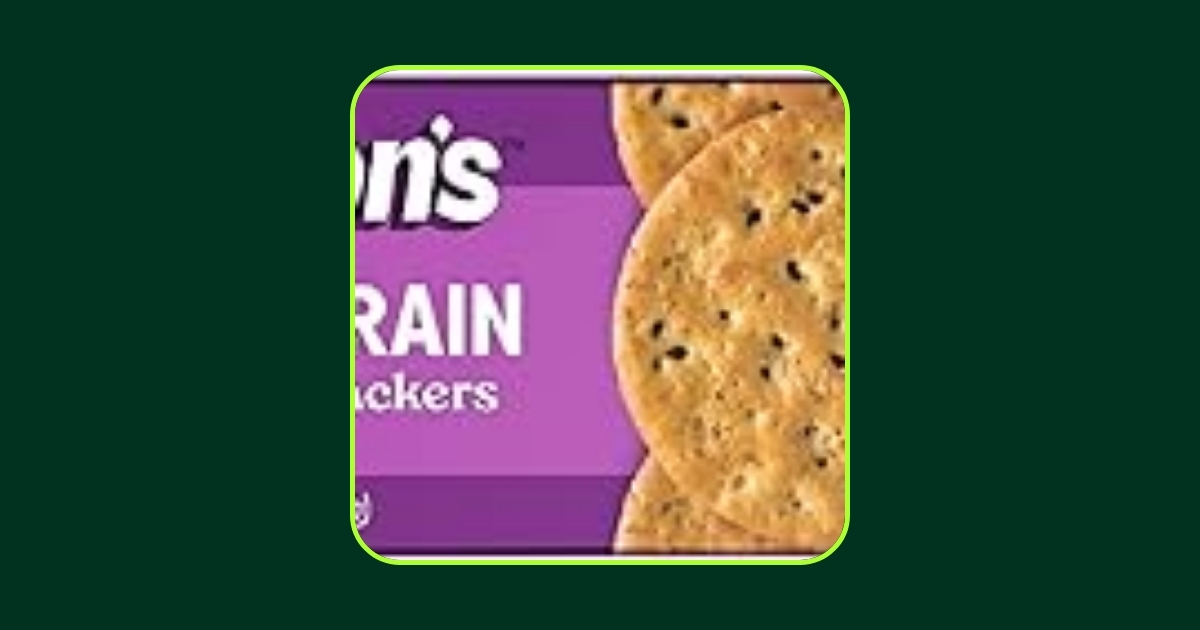
✪ Key Takeaway: Milton’s Multigrain Crackers are a decent snacking option with real whole grains and Non-GMO verification, but they still contain refined flour and soybean oil.
Introduction
You stand in the cracker aisle staring at dozens of boxes, each claiming to be the healthiest choice, and you wonder which one actually delivers on its promises without sneaking in cheap fillers or refined ingredients.
The marketing labels scream multigrain, organic, and non-GMO, but you know companies often hide the truth in tiny print on the back panel where most shoppers never look.
Hi, I’m Abdur, your nutrition coach, and today I’m giving you my honest, research-backed analysis of Milton’s Multigrain Crackers to help you make an informed decision about whether you should buy it or not.
What Is Multigrain Crackers?
Multigrain crackers are baked snack products made from a combination of different grain flours and seeds, marketed as a healthier alternative to traditional white flour crackers.
When you eat these crackers, your body breaks down the complex carbohydrates from whole grains into glucose for energy, while the fiber content helps slow digestion and keeps your blood sugar levels more stable compared to refined grain products.
The seeds and whole grains provide small amounts of protein, healthy fats, vitamins, and minerals that support your overall nutrition when consumed as part of a balanced diet.
Multigrain crackers have become increasingly popular in recent years as consumers seek convenient snack options that offer more nutritional value than traditional processed crackers without sacrificing taste or texture.
This category appeals to health-conscious shoppers who want to feel good about their snacking choices but still need something quick and shelf-stable for busy lifestyles.
✪ Fact: The global crackers market was valued at over 30 billion dollars in 2023, with multigrain varieties showing the fastest growth rate.
Who Manufactures and Markets It?
Milton’s Craft Bakers is the brand name, and the product is manufactured by Milton’s Baking Company LLC, which outsources production to third-party co-packers including a bakery facility in Escondido, California.
The company headquarters are located in Carlsbad, California, United States, where they handle business operations, product development, and quality control oversight.
Milton’s has built a solid reputation over 30 years in the organic and non-GMO space, earning BBB A+ accreditation since 2018, though they faced near-bankruptcy in 2012 before pivoting successfully toward health-focused products.
The brand has received Non-GMO Project Verification and USDA Organic certification for many products, demonstrating their commitment to meeting third-party safety and quality standards.
No major legal controversies or safety scandals have been documented, though some customers have reported issues with defective products and difficulty reaching customer service for resolution.
✪ Note: Third-party manufacturing is common in the food industry and does not automatically indicate lower quality if proper oversight exists.
When Was This Product Launched?
This specific multigrain cracker formulation was launched approximately in 2018, making it about 7 years old in the current market.
No official product recalls or FDA safety alerts have been issued for Milton’s Multigrain Crackers since its introduction, indicating a clean safety record from a regulatory standpoint.
Some customers have complained about size changes in the packaging without prior notice and occasional batches arriving stale, though these issues appear to be quality control problems rather than widespread safety concerns.
The product has maintained a consistent safety record according to consumer protection databases, with no documented cases of contamination or serious adverse reactions linked to consumption.
✪ Pro Tip: Always check the manufacturing date on cracker boxes to ensure maximum freshness, especially when buying online.
What Is Inside This Product?
- Unbleached Enriched Flour: This is refined wheat flour that has been stripped of bran and germ, then fortified with synthetic vitamins and minerals to replace some lost nutrients, making it less nutritious than whole grain flour.
- Whole Wheat Flour: This is flour made from the entire wheat kernel including bran, germ, and endosperm, providing more fiber, vitamins, and minerals compared to refined flour.
- Soybean Oil: This is a highly processed vegetable oil rich in omega-6 fatty acids, which can promote inflammation when consumed in excess and is considered a lower-quality fat source compared to olive or avocado oil.
- Sesame Seeds: These are nutrient-dense seeds providing healthy fats, protein, calcium, and antioxidants that support bone health and reduce inflammation.
- Yeast: This is a leavening agent that helps the crackers rise during baking and adds a subtle savory flavor without any significant nutritional contribution.
✪ Fact: The order of ingredients on food labels reflects their quantity by weight, so unbleached enriched flour being first means it is the primary ingredient.
What Is the Quality of The Ingredients?
The primary ingredients appear to be sourced from conventional agricultural suppliers, as the brand does not specifically disclose farm origins or premium sourcing practices on the standard multigrain variety.
The flour blend combines both refined and whole grain options, which is a middle-ground approach that provides some fiber and nutrients while maintaining the crispy texture consumers expect from crackers.
The product carries Non-GMO Project Verified certification, which means the ingredients have been tested to confirm they do not contain genetically modified organisms, though this does not automatically make them organic or pesticide-free.
The use of soybean oil instead of higher-quality oils like olive or avocado oil suggests cost optimization, as soybean oil is one of the cheapest vegetable oils available and offers minimal nutritional benefits.
Given the mid-range price point and ingredient profile, the overall quality justifies what you pay, but you are not getting premium ingredients that would command a significantly higher price in specialty health food stores.
✪ Pro Tip: Look for crackers with whole grain flour listed as the first ingredient and oils like olive or sunflower instead of soybean for better nutritional quality.
What Does This Product Claim?
The primary claim printed on the packaging emphasizes that these are multigrain crackers made with real whole grains and verified as Non-GMO by the Non-GMO Project.
This claim is True based on the ingredient list, which includes whole wheat flour and sesame seeds alongside the refined flour, and the product does carry official Non-GMO Project Verification.
However, the multigrain label can be misleading because the first ingredient is still unbleached enriched flour, meaning refined flour makes up the largest portion of the product rather than whole grains.
The marketing matches the actual contents in terms of certification and grain variety, but consumers might assume these crackers are healthier than they actually are because refined flour still dominates the formula.
✪ Note: Multigrain does not automatically mean whole grain, so always check if whole grain flour is the first ingredient listed.
What Do Other Users Say?
The most common positive feedback from over 5,000 Amazon reviews highlights the crispy texture that holds toppings well, the pleasant flavor from seeds and grains, and the perception that these crackers are a healthier alternative to regular options.
The most frequent negative complaints mention occasional stale batches arriving, smaller box sizes being shipped without notice, and some users finding the crackers too hard or dense compared to other brands.
Users appreciate the resealable inner bag inside the cardboard box, which helps maintain freshness after opening, though some report the packaging quality has declined over time.
A small number of reviewers mention mild digestive discomfort after eating multiple servings, likely due to the fiber content or sensitivity to sesame seeds, though these reports are not widespread.
The general consensus suggests that users feel the product offers good value for money at its typical price point, especially when purchased in multi-pack options or during sales.
✪ Fact: A 4.6 out of 5 rating with over 5,000 reviews indicates strong overall customer satisfaction despite some quality control issues.
What Is Your Honest Opinion?
Adults and teenagers looking for a convenient snack option can eat 1 to 2 servings (about 10 to 20 crackers) per day as part of a balanced diet, but those with gluten sensitivity or celiac disease should avoid this product entirely.
This recommendation is based on the fact that while the crackers contain some whole grains and beneficial seeds, the primary ingredient is still refined flour, which means they should be treated as an occasional snack rather than a health food staple.
Among the available variations, the Original Multi-Grain and Sea Salt options are better choices than the Cheese variety, which likely contains additional processed ingredients and sodium that reduce the overall nutritional value.
Milton’s Multigrain Crackers deserve a spot in your pantry rotation if you prioritize convenience and Non-GMO verification, but they should not replace whole food snacks like fresh vegetables, nuts, or homemade options when you have time to prepare them.
✪ Pro Tip: Pair these crackers with protein-rich toppings like hummus, cheese, or nut butter to create a more balanced snack that keeps you satisfied longer.
The Bottom Line
Go for Milton’s Multigrain Crackers if you need a convenient, Non-GMO verified snack that tastes good and offers more nutritional value than standard white flour crackers, but keep your expectations realistic about what multigrain actually means.
The best nutrition plan is the one you can stick to without sacrificing your health for convenience.
Share your experience with these crackers in the comments below, especially if you have found creative ways to incorporate them into balanced meals or discovered which toppings work best for your taste preferences and nutritional goals.
References
At NutritionCrown, we use quality and credible sources to ensure our content is accurate and trustworthy. Below are the sources referenced in writing this article:
- ZoomInfo: Milton’s Craft Bakers Company Profile
- San Diego Business Journal: Milton’s Bakes Success With Innovative Products
- Better Business Bureau: Milton’s Craft Bakers BBB Profile
- VMG Partners: Milton’s Craft Bakers Investment Portfolio