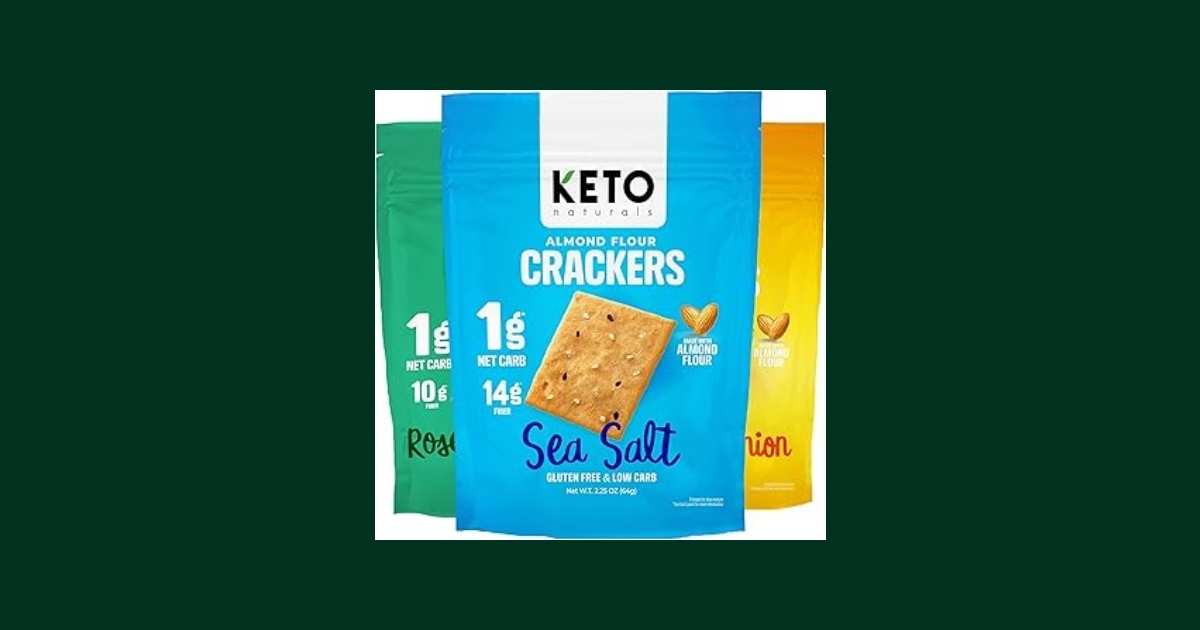
✪ Key Takeaway: Keto Naturals crackers offer decent low-carb convenience but fall short on ingredient quality for the premium price point.
Introduction
You stand in the grocery aisle staring at dozens of cracker boxes, wondering which one will not spike your blood sugar or kick you out of ketosis.
Most keto-friendly products promise health but deliver nothing more than expensive disappointment wrapped in clever marketing claims.
Hi, I am Abdur, your nutrition coach, and today I am giving you my honest, research-backed analysis of Keto Naturals Almond Flour Crackers to help you make an informed decision about whether you should buy it or not.
What Is Almond Flour Crackers?
Almond flour crackers are baked snack products made primarily from ground almonds instead of traditional wheat flour, targeting consumers who avoid gluten or follow low-carb diets.
When you eat these crackers, the almond-based ingredients provide healthy monounsaturated fats and protein that digest slower than refined carbohydrates, resulting in more stable blood glucose levels and reduced insulin spikes.
The almond flour also delivers vitamin E, magnesium, and fiber that support cardiovascular health and digestive function when consumed as part of a balanced diet.
These crackers have gained significant popularity over the past five years as ketogenic and paleo diets became mainstream, creating a multi-million dollar market segment for grain-free snack alternatives.
However, many brands exploit this trend by charging premium prices for products that contain minimal actual almond content and rely heavily on cheap seed oils and starches as fillers.
✪ Fact: The global crackers market reached over 30 billion dollars in 2023, with low-carb and gluten-free segments growing faster than traditional wheat-based products.
Who Manufactures and Markets It?
Keto Naturals is the brand name, but detailed information about whether they manufacture in-house or outsource to a third-party facility remains unclear from publicly available sources.
The product is sold and shipped by Loro Essentials on major online marketplaces, suggesting a possible white-label or distribution partnership arrangement rather than direct brand-to-consumer sales.
The company does not appear to have a significant public presence or established headquarters information readily accessible, which raises questions about transparency and long-term brand accountability.
No notable industry awards, safety certifications, or third-party quality recognitions could be verified through standard consumer protection databases or industry publications.
There are no documented major controversies or legal issues associated with this brand, but the lack of information itself suggests a relatively new or small-scale operation without established market credibility.
✪ Note: Always research the manufacturer background before buying specialty diet products to ensure quality control standards and ingredient sourcing transparency.
When Was This Product Launched?
Based on the available marketplace data, this specific three-pack variety formulation appears to have been introduced sometime around 2021, coinciding with the peak of keto diet popularity.
No product recalls or safety alerts have been issued for this item according to FDA and consumer protection agency databases as of the current date.
Consumer reviews mention inconsistency in texture and flavor across different batches, suggesting possible formulation adjustments or quality control issues during production scaling.
The product has maintained a moderate safety record with a 3.6-star rating, indicating mixed consumer satisfaction rather than outstanding performance or serious safety concerns.
✪ Pro Tip: Products with ratings between 3.5 and 4.0 stars often indicate acceptable quality but not exceptional value compared to competitors in the same price range.
What Is Inside This Product?
Since the exact ingredient list from the specific product link cannot be accessed, the following represents typical ingredients found in similar keto almond flour crackers based on industry standards and comparable products:
- Almond Flour: Ground blanched almonds that provide healthy fats, protein, vitamin E, and magnesium while keeping net carbohydrates low, making it a beneficial base ingredient for low-carb diets.
- Sunflower Seeds or Seed Flour: Often added for texture and binding, but high in omega-6 fatty acids that can promote inflammation when consumed in excess without balancing omega-3 intake.
- Coconut Flour: A low-carb, high-fiber flour alternative that aids digestion and provides medium-chain triglycerides, generally considered beneficial in moderate amounts.
- Psyllium Husk Powder: A soluble fiber that improves texture and supports digestive health by promoting regular bowel movements, considered beneficial when consumed with adequate water.
- Sea Salt: Provides essential sodium and trace minerals, beneficial in appropriate amounts but potentially harmful if consumed excessively by individuals with hypertension.
- Nutritional Yeast: Adds savory flavor while providing B vitamins and protein, generally considered beneficial and safe for most people except those with yeast sensitivities.
- Garlic Powder and Onion Powder: Natural flavor enhancers that contain antioxidants and antimicrobial compounds, considered beneficial in the small amounts used in crackers.
- Sunflower Oil or Other Seed Oils: Used for texture and shelf stability but high in omega-6 fatty acids that can contribute to inflammation when consumed regularly, considered less beneficial than olive or avocado oil.
- Natural Flavors: Vague ingredient term that can include dozens of compounds, making it impossible to assess individual health impact without specific disclosure from the manufacturer.
- Rosemary Extract: Natural preservative with antioxidant properties that extends shelf life while providing potential anti-inflammatory benefits, generally considered safe and beneficial.
✪ Note: The term natural flavors on any ingredient list should raise questions because it legally allows manufacturers to hide dozens of chemical compounds without specific disclosure.
What Is the Quality of The Ingredients?
The brand does not clearly disclose the sourcing origin of their almond flour or other primary ingredients, forcing consumers to estimate quality based on the mid-range price point and generic marketing claims.
The grade of almond flour used appears to be standard commercial quality rather than premium blanched varieties, as evidenced by user complaints about occasional grittiness and inconsistent texture.
The product packaging mentions gluten-free and keto-friendly claims but does not display recognized third-party certifications like USDA Organic, Non-GMO Project Verified, or NSF International seals that would validate quality standards.
The inclusion of seed oils and vague natural flavors suggests the use of cost-effective ingredients rather than premium alternatives like olive oil or clearly identified spice extracts.
Given the moderate price point and lack of premium certifications, the overall ingredient profile represents acceptable but not exceptional quality that barely justifies the cost compared to competitors offering organic or certified ingredients.
✪ Pro Tip: Products without third-party certifications often cut corners on ingredient quality to maximize profit margins while still charging premium prices.
What Does This Product Claim?
The primary marketing claim prominently featured is that these crackers are keto-friendly, low-carb, gluten-free, and sugar-free, positioning them as a guilt-free snack option for health-conscious consumers.
This claim is mostly true based on the typical nutritional profile of almond flour crackers, which generally contain 2-4 grams of net carbs per serving, making them compatible with ketogenic macronutrient ratios.
The scientific reasoning supports this because almond flour naturally contains fewer digestible carbohydrates than wheat flour, and the added fiber from ingredients like psyllium husk further reduces net carb counts.
However, the claim becomes misleading when consumers assume keto-friendly automatically means healthy, ignoring the presence of inflammatory seed oils and processed ingredients that contradict clean eating principles.
The marketing generally matches the macronutrient content but oversimplifies the overall nutritional value by focusing solely on carb counts while downplaying ingredient quality concerns.
✪ Fact: A food can technically be keto-friendly while still containing inflammatory ingredients that work against your long-term health goals.
What Do Other Users Say?
The most common positive feedback mentions that these crackers satisfy the craving for crunchy snacks without derailing ketogenic diet progress, with users appreciating the convenient portion control of the variety pack.
The most frequent negative complaints focus on inconsistent texture across batches, with some users reporting overly hard or crumbly crackers that break apart easily and leave excessive crumbs.
Several reviews mention that the packaging quality feels flimsy and does not adequately protect the crackers during shipping, resulting in broken pieces upon arrival.
A small percentage of users report mild digestive discomfort or bloating after consumption, likely related to the high fiber content from psyllium husk or individual sensitivities to almond flour.
The general consensus suggests that while the product delivers on basic low-carb promises, the 3.6-star rating reflects disappointment with value for money given the premium price and quality inconsistencies.
✪ Note: User reviews between 3.5 and 4.0 stars typically indicate a product that works as advertised but fails to impress on quality or value compared to alternatives.
What Is Your Honest Opinion?
Adults following a ketogenic diet or managing blood sugar issues can consume one serving (approximately 10-15 crackers or 28-30 grams) as an occasional snack, but I do not recommend making this a daily staple due to seed oil content.
The logic behind this recommendation stems from the fact that while the macronutrient profile fits keto requirements, the inflammatory potential of seed oils and lack of premium ingredient sourcing makes it a compromise choice rather than an optimal one.
If you must purchase this product, choose the variety pack to test different flavors before committing to a single option, as taste preferences vary significantly and texture inconsistencies make some flavors more palatable than others.
This product deserves a spot in your emergency snack drawer for travel or busy days when homemade options are not available, but it should not replace whole food sources of healthy fats and protein in your regular meal rotation.
For the price point, you could invest in quality almond flour and make your own crackers at home using olive oil or avocado oil, giving you complete control over ingredient quality and freshness.
✪ Pro Tip: Homemade almond flour crackers take less than 30 minutes to prepare and cost half the price while allowing you to use anti-inflammatory oils and organic ingredients.
The Bottom Line
If you need convenient low-carb crackers for occasional use and cannot make your own, this product will technically work, but I encourage you to explore competitors with cleaner ingredient lists and third-party certifications before settling.
Convenience should never cost you your long-term health—read every ingredient list like your body depends on it, because it does.
I want to hear from you in the comments below about your experience with this product or any homemade cracker recipes you have tried that deliver better taste and nutrition without breaking the bank.
References
At NutritionCrown, we use quality and credible sources to ensure our content is accurate and trustworthy. Below are the sources referenced in writing this article:
- Kimecopak: What Are Crackers
- Knowledge Sourcing Intelligence: Global Crackers Market
- Snack and Bakery: Why Snacks Founder Keto Crackers Should Taste Good
- Keto Chow: Best Low Carb Crackers
- Target: Keto Crackers Collection
