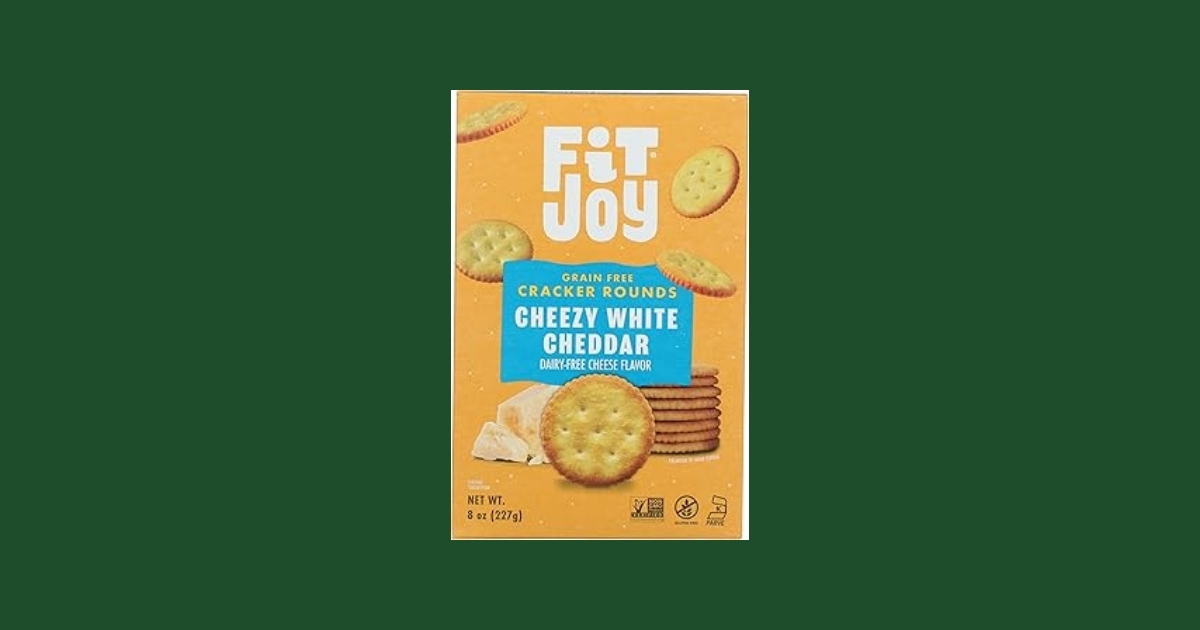
✪ Key Takeaway: FitJoy White Cheddar Crackers deliver satisfying crunch and bold flavor but cost significantly more than traditional options.
Introduction
You stand in the snack aisle staring at dozens of cracker boxes, wondering which one won’t sabotage your health goals while still satisfying that crunchy craving.
The grain-free options promise everything, but their ingredient lists often hide surprises that make you question if you’re actually making a healthier choice.
Hi, I’m Abdur, your nutrition coach, and today I’m giving you my honest, research-backed analysis of FitJoy White Cheddar Crackers to help you make an informed decision about whether you should buy it or not.
What Is Grain-Free Cracker?
A grain-free cracker is a snack product made without traditional wheat, corn, rice, or other cereal grains, typically using alternative flours like cassava, almond, or coconut.
When you eat these crackers, your body breaks down the alternative starches into glucose at varying rates depending on the specific flour used, which then enters your bloodstream to provide energy.
The cassava-based and tapioca-based options digest similarly to regular crackers because both are high-glycemic carbohydrate sources, despite being labeled grain-free.
These products have become increasingly popular among people following gluten-free, paleo, or autoimmune protocol diets who want convenient snack options that fit their restrictions.
The market has exploded with grain-free alternatives because consumers mistakenly believe anything without wheat or corn is automatically healthier, even when the nutritional profile remains nearly identical.
✪ Fact: Cassava flour and tapioca starch both come from the same plant but are processed differently, affecting texture more than nutrition.
Who Manufactures and Markets It?
FitJoy, Inc. is the brand behind these crackers, but they outsource manufacturing to third-party facilities rather than producing them in-house.
The company headquarters are located in Austin, Texas, though the exact manufacturing facility locations remain undisclosed on their packaging and website.
FitJoy operates as a relatively young brand established around 2021, positioning itself in the specialty snack market rather than as an established industry leader.
The brand has not received major industry awards or safety certifications beyond standard food manufacturing requirements, which is typical for newer companies.
No major controversies, recalls, or legal issues have been publicly reported regarding FitJoy’s business practices or product safety since their launch.
✪ Note: Third-party manufacturing is common in the food industry and does not automatically indicate lower quality standards.
When Was This Product Launched?
The FitJoy Cheezy White Cheddar Cracker Rounds were introduced to the market approximately in 2024, making them a very recent addition to the brand’s product line.
No product-specific recalls or safety alerts have been issued for these crackers since their launch, according to available consumer protection databases.
The product has not faced widespread market criticism regarding formulation changes because it is too new to have undergone significant reformulations.
Based on available data, the product has maintained a consistent safety record with no documented contamination issues or adverse health reports.
✪ Pro Tip: Newer products often have limited long-term consumer feedback, so monitor reviews regularly before committing to bulk purchases.
What Is Inside This Product?
- Cassava Flour: This is a starchy flour extracted from the cassava root that provides structure and texture, though it offers minimal nutritional value beyond carbohydrates.
- Tapioca Starch: A refined carbohydrate derived from cassava that helps create crispiness but contains virtually no fiber, protein, or micronutrients.
- Cheese Powder (Cheddar): Dehydrated dairy product that provides the savory flavor and some protein and calcium, though processing reduces nutritional quality compared to fresh cheese.
- Sunflower Oil: A polyunsaturated fat source that is generally considered neutral to beneficial when consumed in moderation, though it can oxidize during high-heat processing.
- Sea Salt: A mineral-rich form of sodium chloride that enhances flavor and provides trace minerals, though excessive intake can contribute to high blood pressure.
✪ Fact: Cassava and tapioca are the same plant, but cassava flour uses the whole root while tapioca starch is the extracted starch only.
What Is the Quality of The Ingredients?
The brand does not disclose specific sourcing information for their cassava or tapioca, so we must estimate based on the mid-premium price point that they likely use standard commercial-grade ingredients.
The processing method for the starches appears standard rather than specialty-grade, as evidenced by the typical texture and the absence of claims about cold-processing or enzyme preservation.
The product carries gluten-free, non-GMO, and kosher certifications printed on the packaging, which indicates third-party verification of these specific claims.
The ingredient list shows minimal additives with no artificial preservatives or sweeteners, which is a positive indicator of cleaner formulation compared to conventional crackers.
The overall ingredient profile justifies the premium price only if you specifically need grain-free options, but not if you’re simply looking for the most nutritious cracker available.
✪ Note: Certifications verify specific claims but do not automatically make a product healthier than uncertified alternatives with similar ingredients.
What Does This Product Claim?
The primary claim featured on the packaging states that these crackers are gluten-free and grain-free, positioning them as a healthier alternative to traditional wheat-based crackers.
The gluten-free and grain-free claims are True based on the ingredient panel, which shows only cassava flour and tapioca starch as the carbohydrate sources.
However, the implied health benefit is Misleading because cassava and tapioca are both high-glycemic carbohydrates that affect blood sugar similarly to refined wheat flour.
The marketing message matches the actual contents regarding what is excluded from the formula, but it oversells the nutritional superiority by focusing on what’s absent rather than what beneficial nutrients are present.
✪ Pro Tip: Grain-free does not automatically mean low-carb or blood-sugar-friendly, so check the total carbohydrate content regardless of the flour source.
What Do Other Users Say?
The most common positive feedback on online marketplaces highlights the crunchy texture that holds up well with dips and the bold cheesy flavor that satisfies cravings without feeling like a compromise.
The most frequent negative complaints mention that the cracker rounds are smaller than expected, the price is significantly higher than traditional crackers, and some users detect a mild aftertaste.
Users appreciate the resealable pouch design that maintains freshness, though a few reviews note that the packaging can be difficult to open initially without tearing.
Some consumers report minor digestive discomfort when eating large quantities, likely due to the high starch content and lack of fiber in cassava-based products.
The general consensus indicates that users feel the product offers good value only if you specifically need grain-free options, but not if you’re simply looking for the best-tasting or most affordable cracker.
✪ Fact: High-starch, low-fiber foods can cause bloating in some people because they ferment quickly in the digestive tract.
What Is Your Honest Opinion?
You should buy FitJoy White Cheddar Crackers only if you have celiac disease, gluten sensitivity, or follow a strict grain-free diet for medical reasons, consuming them as an occasional snack rather than a daily staple.
The logic behind this recommendation is that the ingredient profile offers no significant nutritional advantage over traditional crackers for people without grain restrictions, while costing substantially more per serving.
Among the available flavor variations, the White Cheddar option provides the most satisfying taste according to user reviews, making it the better choice over the Tangy Dijon Mustard or Pepper Jack if you’re trying the brand for the first time.
This product deserves a spot in your snack rotation only if convenience and dietary restrictions outweigh cost considerations, but it should not replace whole-food snacks like nuts, vegetables, or homemade options.
✪ Pro Tip: Pair these crackers with protein-rich dips like hummus or Greek yogurt to slow down the blood sugar spike from the high-starch content.
The Bottom Line
If you genuinely need grain-free crackers for medical or dietary reasons, FitJoy delivers on taste and texture without major compromises, making them worth trying despite the premium price.
Health is built in your kitchen with real ingredients, not rescued in the snack aisle with clever marketing.
Share your experience with these crackers in the comments below, especially if you’ve found creative ways to incorporate them into meals or discovered better alternatives.
References
At NutritionCrown, we use quality and credible sources to ensure our content is accurate and trustworthy. Below are the sources referenced in writing this article:
- MapQuest: FitJoy Nutrition Location
- ZoomInfo: FitJoy Foods Company Profile
- FitJoy Foods: Authorized Retailers
- PrivCo: FitJoy Nutrition Company Information