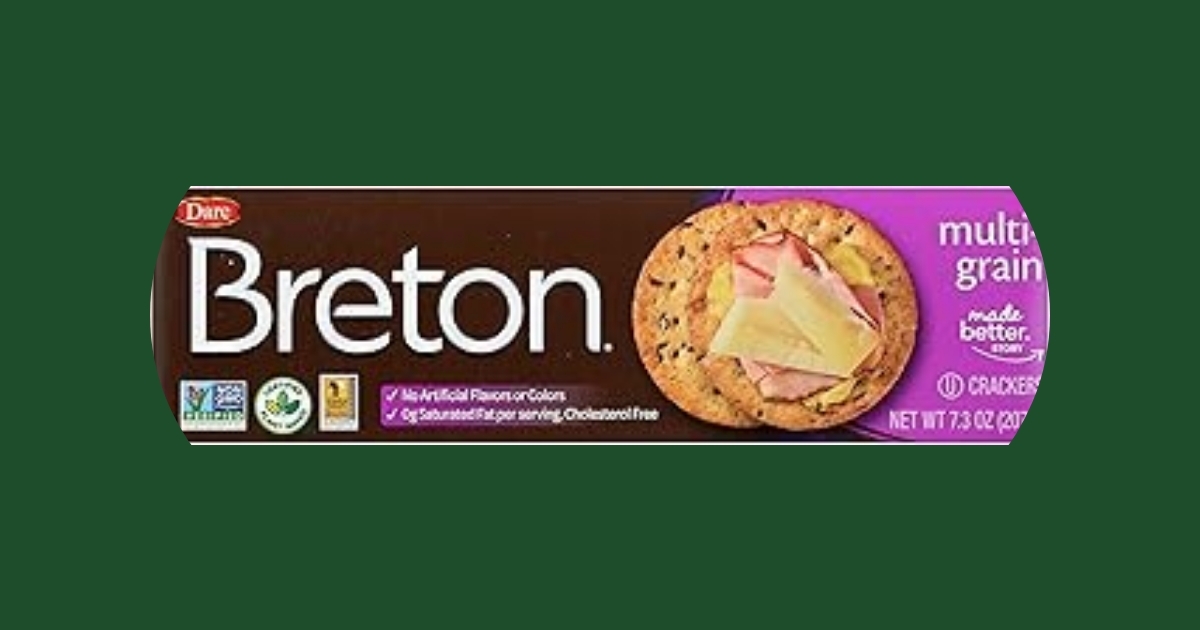
✪ Key Takeaway: Dare Multigrain Crackers are a decent snack option with quality certifications, but the high sodium and refined flour base make them less healthy than the multigrain label suggests.
Introduction
You stand in the cracker aisle staring at dozens of boxes, wondering if multigrain actually means healthier or if it is just another marketing trick designed to make you feel better about your snack choices.
The truth is that many people grab products labeled multigrain without checking what is really inside, and that blind trust could be sabotaging your health goals without you even realizing it.
Hi, I am Abdur, your nutrition coach, and today I am giving you my honest, research-backed analysis of Dare Multigrain Crackers to help you make an informed decision about whether you should buy it or not.
What Is Multigrain Crackers?
Multigrain crackers are baked snack products made from a combination of different grain flours such as wheat, oats, rye, or barley, designed to provide a crunchy texture and serve as a base for toppings like cheese, spreads, or dips.
When you eat these crackers, your body breaks down the carbohydrates from the grains into glucose, which enters your bloodstream to provide quick energy, while any fiber present slows down digestion and helps maintain steadier blood sugar levels.
Multigrain crackers have become increasingly popular because consumers perceive them as a healthier alternative to regular crackers, even though the actual nutritional benefit depends entirely on whether the grains are whole or refined.
The problem is that many brands use the term multigrain loosely, mixing small amounts of various grains with refined white flour as the primary ingredient, which defeats the purpose of choosing a supposedly healthier option.
✪ Fact: Multigrain does not automatically mean whole grain, and many multigrain products contain mostly refined flour with minimal nutritional advantage.
Who Manufactures and Markets It?
Dare Foods Limited manufactures and markets these crackers directly in their own facilities located in both Canada and the United States, ensuring they maintain control over the production process from start to finish.
The company headquarters are located in Cambridge, Ontario, Canada, where this family-owned business has operated for over 137 years since its establishment in 1889.
Dare Foods is an established industry leader in the cracker category with a long-standing reputation for producing popular brands like Breton, and they are not a generic white-label manufacturer.
The brand has earned certifications including Non-GMO Project Verified, Kosher Dairy, and Certified Plant-Based, which demonstrates their commitment to meeting specific quality standards recognized by third-party organizations.
No major controversies or legal issues regarding their business practices have been documented, and the company has maintained a relatively clean reputation throughout its long history in the food industry.
✪ Note: A 137-year history suggests consistent quality control, but it does not automatically guarantee that every product they make is nutritionally optimal.
When Was This Product Launched?
The Breton cracker line was introduced to the market approximately 50 years ago around 1976, making it one of the longest-running products in the Dare Foods portfolio.
No specific recalls or safety alerts have been issued for this particular product since its launch, which indicates a consistent manufacturing standard over the decades.
There have been no widespread market criticisms regarding significant formulation changes over time, though the brand has introduced new variations and flavors to keep up with consumer preferences.
The product has maintained a consistent safety record according to consumer protection data, with no documented patterns of contamination or quality control failures.
✪ Pro Tip: A long market presence without recalls is reassuring, but it does not mean the nutritional profile is ideal for your health goals.
What Is Inside This Product?
- Enriched Wheat Flour: This is refined white flour that has been stripped of its natural nutrients during processing and then fortified with synthetic vitamins, making it less nutritious than whole wheat flour.
- Vegetable Oil: This is a generic term that could include various oils like canola, soybean, or palm oil, which are often highly processed and may contain inflammatory omega-6 fatty acids in excess.
- Wheat Bran: This is the outer layer of the wheat kernel that provides dietary fiber, which supports digestive health and helps regulate blood sugar levels.
- Sugar: This is added refined sugar that increases the calorie content and can contribute to blood sugar spikes, weight gain, and increased risk of chronic diseases when consumed in excess.
- Salt: This is sodium chloride added for flavor enhancement, but excessive sodium intake is linked to high blood pressure and cardiovascular problems.
✪ Fact: Enriched flour is not the same as whole grain flour, and the enrichment process cannot fully replace the nutrients lost during refining.
What Is the Quality of The Ingredients?
The sourcing of the primary ingredients is not fully disclosed on the packaging, but given the mid-range price point and the use of generic terms like vegetable oil, we can estimate that these are standard commercial-grade ingredients rather than premium organic sources.
The grade of the raw materials appears to be average for mass-market crackers, with enriched flour being the base instead of whole grain flour, which significantly reduces the nutritional density and fiber content of the final product.
The product has earned Non-GMO Project Verified, Kosher Dairy, and Certified Plant-Based certifications, which are legitimate third-party validations that add some credibility to the ingredient quality claims.
The product claims to contain no artificial colors, flavors, or preservatives, which is a positive point, though the use of refined flour and added sugar still raises concerns about the overall nutritional value.
The overall ingredient profile does not fully justify the price point when compared to other crackers made with whole grains and minimal additives, making this a decent but not exceptional choice in terms of value for money.
✪ Pro Tip: Certifications like Non-GMO are valuable, but they do not compensate for the use of refined flour as the primary ingredient.
What Does This Product Claim?
The primary claims printed on the packaging include peanut-free, no artificial colors, flavors, or preservatives, and cholesterol-free, which are all featured prominently to appeal to health-conscious consumers.
These claims are True based on the nutritional facts panel and ingredient list, as the product does not contain peanuts, artificial additives, or cholesterol.
The scientific reasoning behind the cholesterol-free claim is straightforward because plant-based products naturally do not contain cholesterol, which is only found in animal-derived foods, so this claim is accurate but not particularly impressive.
The marketing matches the actual contents of the package in terms of what is absent, but it cleverly avoids highlighting the fact that the product is made primarily from refined flour and contains added sugar and high sodium, which are the real nutritional concerns.
✪ Note: Claims about what a product does not contain are often used to distract from what it does contain, so always read the full ingredient list.
What Do Other Users Say?
The most common positive feedback found on major online marketplaces highlights the crispy texture that holds up well with toppings, the neutral flavor that pairs nicely with cheese or spreads, and the good value for the size of the package.
The most frequent negative complaints include concerns that the crackers are too salty for some palates, occasional issues with staleness in the packaging, and the realization that the sodium content is higher than many alternative cracker brands.
User feedback regarding the packaging is generally positive, with many appreciating the resealable bags or boxes that help maintain freshness, though some report that the crackers can still become stale if not consumed quickly.
A small number of users mention minor digestive issues such as bloating, which could be related to the refined flour and sodium content, though these reports are not widespread.
The general consensus is that users feel the product offers good value for money as a convenient snack, but many wish it had a lower sodium content and more whole grains for better nutritional quality.
✪ Fact: High sodium intake from snacks like crackers can contribute to water retention and increased blood pressure over time.
What Is Your Honest Opinion?
You should use Dare Multigrain Crackers as an occasional snack rather than a daily staple, limiting yourself to 5 to 10 crackers per serving, and only if you are not dealing with high blood pressure, insulin resistance, or weight management issues.
The logic behind this recommendation is that the product is made primarily from refined flour with added sugar and high sodium, which means it lacks the fiber and nutrient density you need for sustained energy and optimal health.
If you are choosing between the available variations, I recommend opting for the Whole Grain version over the Multigrain version because whole grain crackers provide more fiber and nutrients, making them a better choice for blood sugar control and digestive health.
My final verdict is that Dare Multigrain Crackers do not deserve a regular spot in your grocery rotation if your goal is optimal health, but they are acceptable as a convenient option when you need a quick snack and pair them with protein and healthy fats like cheese or hummus.
✪ Pro Tip: Always pair crackers with a protein source like cheese or nut butter to slow down the blood sugar spike from the refined carbohydrates.
The Bottom Line
If you are looking for a convenient snack with decent certifications and you are not overly concerned about refined flour or sodium content, then Dare Multigrain Crackers can be a reasonable choice, but if you prioritize whole grains and minimal processing, you should look for other options.
The healthiest snack is the one you prepare at home with ingredients you can pronounce and control.
I invite you to share your results, questions, or variations in the comments below, and let me know if you have found a cracker brand that truly delivers on both taste and nutrition.
References
At NutritionCrown, we use quality and credible sources to ensure our content is accurate and trustworthy. Below are the sources referenced in writing this article:
- Dare Foods: Our Story
- Wikipedia: Dare Foods
- Dare Foods: Breton Original Crackers
- Baking Business: Breton Crackers Launches US Rebrand