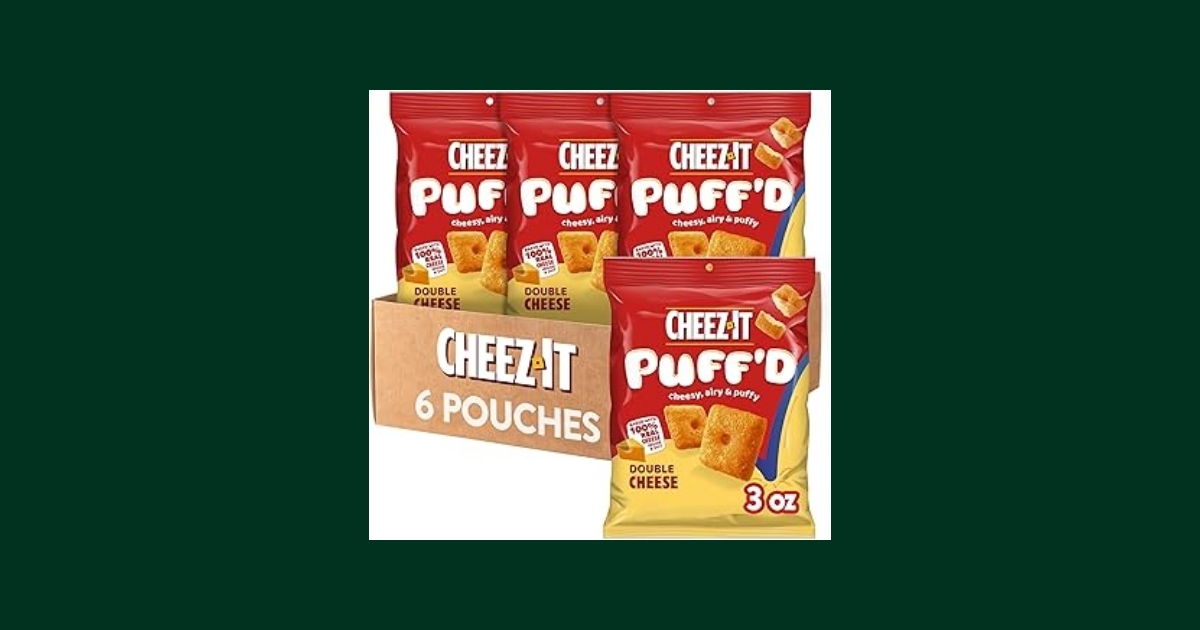
✪ Key Takeaway: Cheez-It Puffd Double Cheese is a highly processed snack with real cheese but loaded with refined oils, MSG, and sodium that makes it unsuitable for regular consumption.
Introduction
You stand in the snack aisle staring at colorful bags wondering if that baked cheese puff is actually a healthier choice than regular fried chips.
The marketing claims scream real cheese and baked goodness, but your gut tells you something does not add up when you see that unnaturally bright orange color.
Hi, I am Abdur, your nutrition coach, and today I am giving you my honest, research-backed analysis of Cheez-It Puffd Double Cheese to help you make an informed decision about whether you should buy it or not.
What Is Puffed Cheese Snack?
Puffed cheese snacks are corn-based products that undergo high-heat extrusion to create an airy, crunchy texture coated with cheese flavoring.
After you eat these snacks, your body rapidly breaks down the refined corn meal into glucose, causing a quick spike in blood sugar followed by an energy crash within 30 to 60 minutes.
The cheese coating provides some protein and fat that slightly slows digestion, but the overall nutritional impact remains dominated by processed carbohydrates and industrial seed oils.
These snacks became wildly popular in America during the 1950s when companies discovered that puffing technology could transform cheap corn into addictive, shelf-stable products with long profit margins.
Today, puffed cheese snacks remain a billion-dollar category because they deliver intense flavor, satisfying crunch, and convenient portability that busy people crave despite knowing they offer minimal nutritional value.
✪ Fact: The first cheese puff was accidentally created in 1939 when an animal feed manufacturer discovered that moistened corn kernels expanded when heated under pressure.
Who Manufactures and Markets It?
Kellanova manufactures Cheez-It Puffd Double Cheese directly through its Sunshine Biscuits division in their own United States facilities.
The company headquarters are located in Battle Creek, Michigan, and production happens at various Kellanova-owned plants across America that maintain consistent quality standards.
Kellanova is an established industry leader that split from Kellogg Company in 2023 and manages iconic snack brands with over a century of manufacturing experience.
The Cheez-It brand itself has earned recognition as a trusted American snack since 1907, though specific safety awards for this product line are not publicly highlighted.
No major controversies or legal issues have plagued Kellanova regarding business practices, and the company was recently acquired by Mars Inc. in a deal expected to close in early 2025.
✪ Note: Kellanova operates globally but maintains strict manufacturing protocols in US facilities to ensure product consistency across all markets.
When Was This Product Launched?
Cheez-It Puffd Double Cheese was introduced to the market approximately in 2021 as part of the brand’s expansion into the puffed snack category.
No product-specific recalls or safety alerts have been issued for Cheez-It Puffd since its launch, indicating a clean regulatory record over the past four years.
Widespread market criticisms have not emerged regarding formulation changes, suggesting the recipe has remained relatively stable since introduction.
According to consumer protection data, this product has maintained a consistent safety record with no documented incidents of contamination or adverse health events.
✪ Pro Tip: A clean recall history does not automatically mean a product is healthy—it only confirms the absence of contamination or mislabeling issues.
What Is Inside This Product?
- Degerminated Yellow Corn Meal: This is refined corn with the nutrient-rich germ removed, leaving mostly starch that rapidly converts to sugar in your bloodstream and provides minimal fiber or vitamins.
- Vegetable Oil (Soybean, High Oleic Soybean, Canola, Corn Oil): These are industrial seed oils high in omega-6 fatty acids that promote inflammation when consumed regularly and undergo heavy processing involving chemical solvents and high heat.
- TBHQ (Tertiary Butylhydroquinone): This is a synthetic preservative derived from petroleum that extends shelf life but has raised concerns about potential effects on immune function and behavior in animal studies.
- Whey: This is a dairy byproduct that provides some protein and helps bind the cheese coating, though it is heavily processed and may cause digestive issues in lactose-sensitive individuals.
- Cheddar Cheese (Cultured Milk, Salt, Enzymes): This is real cheese that contributes protein, calcium, and fat, making it the most nutritionally valuable ingredient in the formula despite being present in relatively small amounts.
- Salt: This mineral enhances flavor but appears multiple times in the ingredient list, indicating excessive sodium content that contributes to high blood pressure and water retention when consumed regularly.
- Monosodium Glutamate (MSG): This is a flavor enhancer that makes food taste more savory and addictive, though some people report headaches or sensitivity reactions after consuming it.
- Natural and Artificial Flavors: These are proprietary chemical compounds that mimic cheese taste but provide no nutritional value and may include dozens of undisclosed ingredients protected as trade secrets.
- Lactic Acid: This is an acidulant that adds tanginess and acts as a preservative, generally considered safe but contributes to the overall processed nature of the product.
- Yellow 5 and Yellow 6: These are synthetic food dyes that create the bright orange color but have been linked to hyperactivity in children and allergic reactions in sensitive individuals.
✪ Fact: When you see multiple types of oils listed together, it means the manufacturer uses whichever is cheapest at the time of production rather than maintaining consistent quality.
What Is the Quality of The Ingredients?
The primary ingredients are commodity-grade corn and vegetable oils sourced from industrial suppliers, which the brand does not disclose in detail, suggesting cost optimization over premium quality.
The corn meal is degerminated and heavily refined, removing the nutrient-dense portions, while the oils undergo chemical extraction and deodorization that destroys natural antioxidants.
No official quality certifications like USDA Organic, Non-GMO Project Verified, or GMP appear on the packaging, indicating standard commercial production without third-party quality verification.
The additives include synthetic preservatives (TBHQ), artificial colors (Yellow 5 and 6), and MSG, which are considered cheap fillers that enhance shelf life and flavor at minimal cost.
The overall ingredient profile does not justify a premium price point because it relies on inexpensive base materials and industrial processing rather than high-quality, minimally processed ingredients.
✪ Note: The presence of real cheddar cheese does not compensate for the low quality of the base ingredients that make up the majority of the product.
What Does This Product Claim?
The primary claim printed on the packaging states that Cheez-It Puffd is baked not fried and made with 100% real cheese, positioning it as a better snack choice.
The baked claim is True based on the manufacturing process, but this does not make it healthy since the product still contains refined oils and excessive sodium.
The 100% real cheese claim is also True because cheddar cheese appears in the ingredient list, though it represents a small percentage compared to corn meal and oils.
The implied suggestion that baked equals healthy is Misleading because the product remains highly processed with artificial additives, synthetic preservatives, and inflammatory seed oils regardless of cooking method.
The marketing emphasizes positive attributes while conveniently omitting the MSG, artificial colors, and TBHQ that dominate the actual nutritional profile.
✪ Pro Tip: Baked snacks often contain just as much fat and sodium as fried versions because manufacturers add extra oil and salt to compensate for texture differences.
What Do Other Users Say?
The most common positive feedback praises the intense double cheese flavor, light airy crunch, and addictive melt-in-mouth texture that makes the snack hard to stop eating.
Frequent negative complaints mention the orange cheese dust residue that sticks to fingers, overly salty taste that leaves you thirsty, and the presence of MSG that some consumers actively avoid.
User feedback regarding packaging quality is generally neutral, with the resealable bag functioning adequately but not exceptionally well at maintaining freshness after opening.
Some users report minor digestive discomfort or bloating after consuming a full bag, likely due to the combination of refined carbs, oils, and sodium.
The general consensus suggests that while the taste delivers on expectations, most users do not feel the product offers exceptional value for money given the small serving size and processed ingredient list.
✪ Fact: When a snack is described as addictive by multiple reviewers, it usually indicates the presence of flavor enhancers like MSG that trigger overconsumption.
What Is Your Honest Opinion?
Adults who occasionally need a convenient snack can consume one small serving (about 1 ounce or 28 grams) once or twice per month without significant health consequences, but daily or weekly consumption will accumulate inflammatory oils and excessive sodium.
This recommendation is based on the fact that the product contains refined corn, industrial seed oils, MSG, and artificial colors that contribute to chronic inflammation and metabolic dysfunction when consumed regularly.
Among the available variations, the 3-ounce bag is the better choice over larger formats because it naturally limits portion sizes and reduces the temptation to overconsume in one sitting.
Cheez-It Puffd Double Cheese does not deserve a spot in your regular grocery rotation because you can find or make healthier cheese-based snacks using real ingredients without synthetic additives and inflammatory oils.
✪ Pro Tip: If you crave cheese flavor, slice real cheddar cheese and pair it with whole grain crackers or raw vegetables for genuine nutrition without the processed junk.
The Bottom Line
Skip this product for regular consumption and save it only for rare occasions when convenience absolutely trumps health and no better options exist.
Health is built in your kitchen with real ingredients, not in a factory with flavor chemicals and artificial colors.
Share your experience with Cheez-It Puffd or your favorite healthier cheese snack alternatives in the comments below so we can learn from each other.
References
At NutritionCrown, we use quality and credible sources to ensure our content is accurate and trustworthy. Below are the sources referenced in writing this article:
- Wikipedia: Cheez-It
- The Daily Meal: Cheez Doodles: Popular 1950s Snack Still Packs Punch
- Kellanova US: Cheez-It Puffd Double Cheese
- Cheez-It Official: Cheez-It Puffd Double Cheese Product Page
- Baking Business: Cheez-It Goes Poppable with New Puffd Crackers