2% Milk: Is It Even Safe For High Blood Pressure? (Expert Answer)

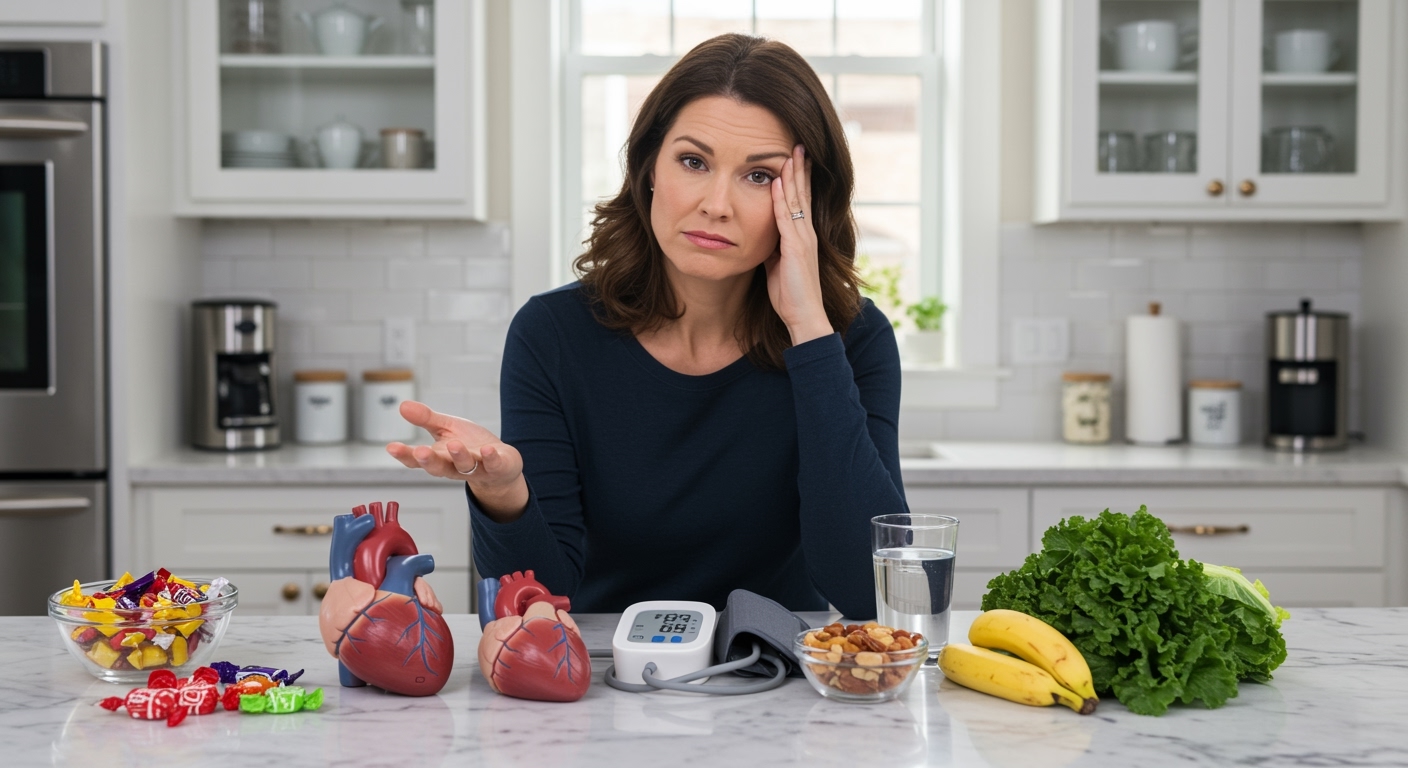
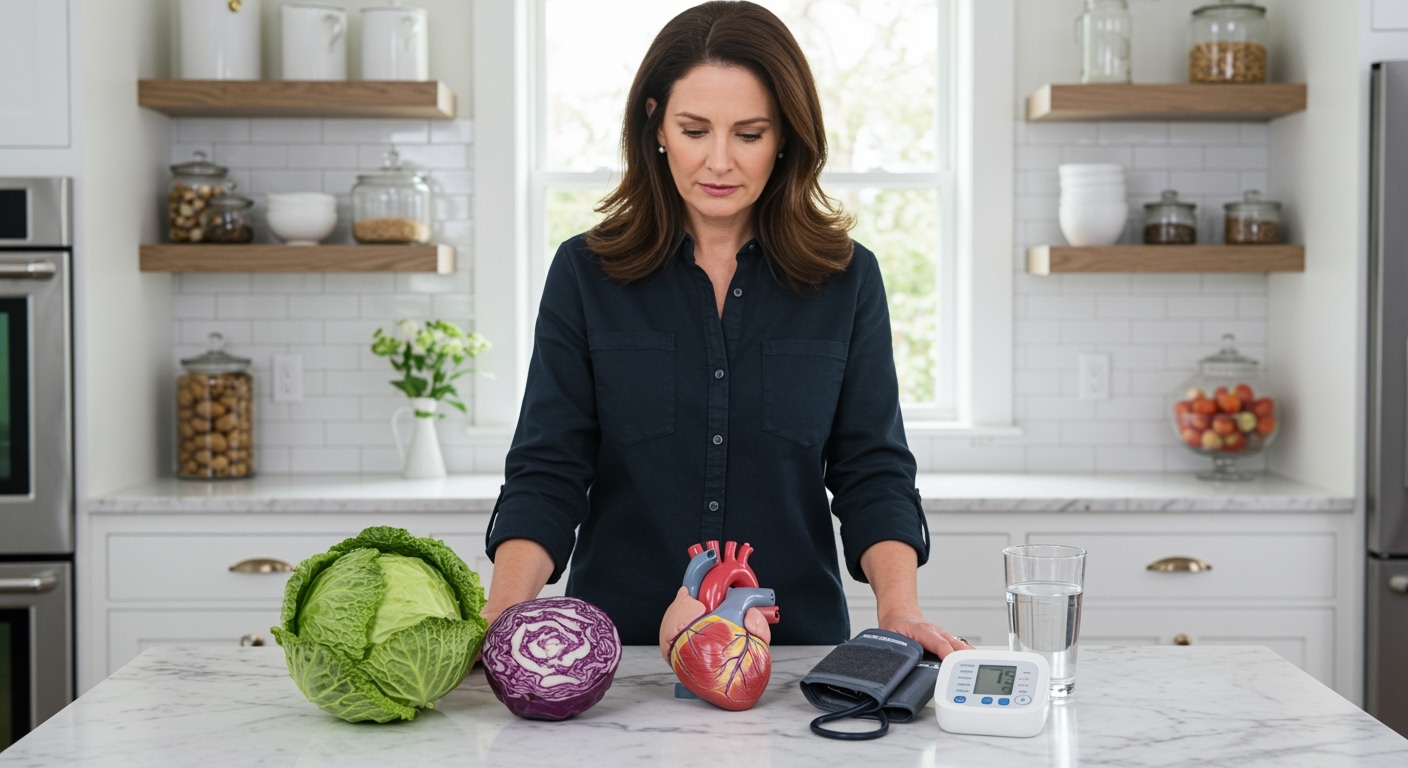
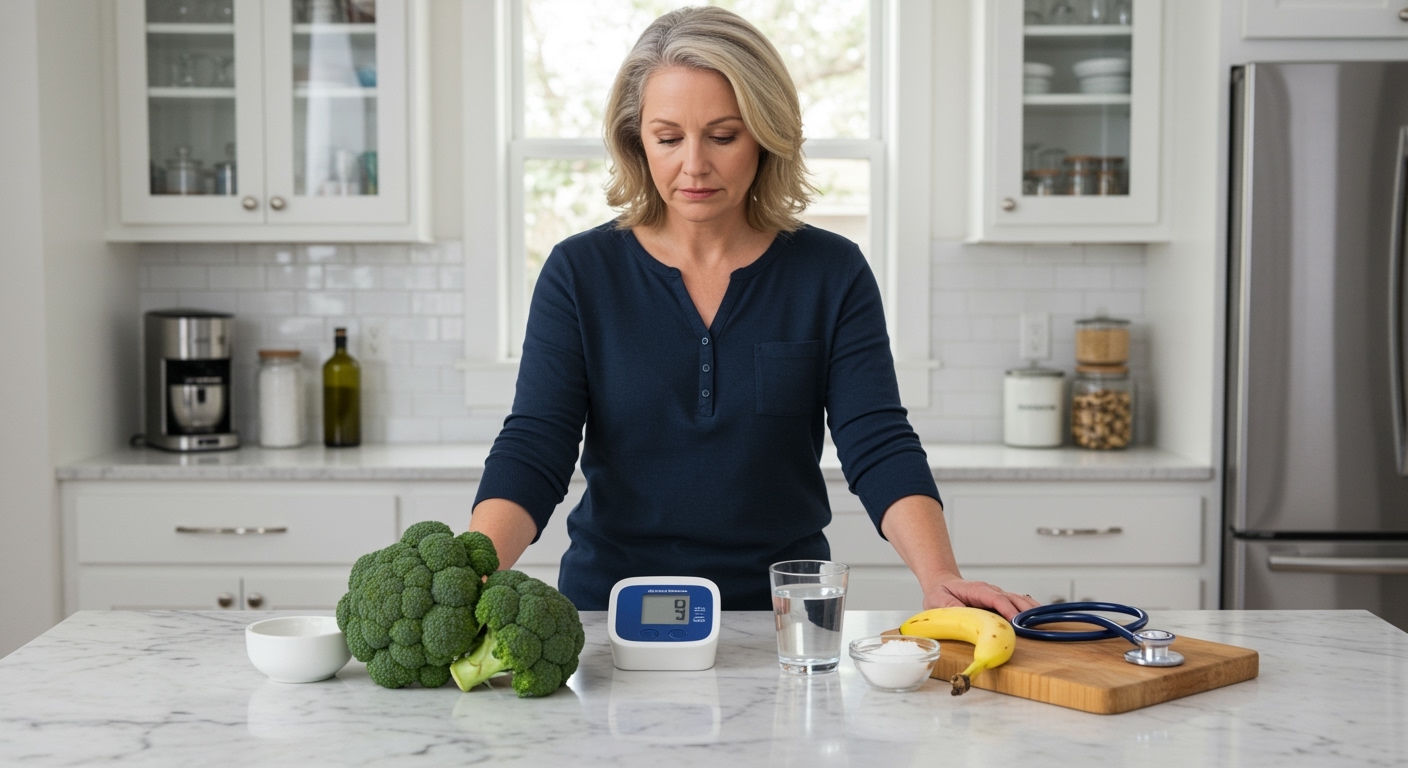
Middle-aged woman holding glass of milk standing behind marble counter with blood pressure monitor, heart model, and healthy foods

✪ Key Takeaway: 2% milk is generally safe for high blood pressure and may even help lower it due to calcium, potassium, and bioactive peptides. Introduction You stand in the dairy aisle staring at rows of milk cartons wondering if that 2% option will spike your blood pressure. You might be asking this question because your doctor told you to watch your sodium intake and you heard somewhere that dairy products can affect blood pressure readings. Hi, I am Abdur, your nutrition coach and today I am going to explain exactly how 2% milk affects your blood pressure and whether you should keep it in your diet. What Makes 2% Milk Different From Other Milk Options? The number 2% refers to the fat content by weight in the milk. Whole milk contains about 3.25% fat while 2% milk has had some of that fat removed. This reduction in fat means fewer calories per serving compared to whole milk. One cup of 2% milk contains approximately 122 calories, 5 grams of fat, 12 grams of carbohydrates, and 8 grams of protein. The nutrient profile remains largely intact because vitamins A and D are fat-soluble and manufacturers typically fortify reduced-fat milk with these nutrients. The calcium and potassium content stays the same regardless of fat percentage. ✪ Fact: One cup of 2% milk provides about 30% of your daily calcium needs and 10% of your potassium requirements. How Does Dairy Consumption Affect Blood Pressure Levels? Research shows that dairy products can actually

Rhubarb: Can It Help With Diabetes? (Expert Answer)

Middle-aged woman standing behind marble counter with fresh rhubarb stalks, glucose meter, and healthy foods in bright kitchen

✪ Key Takeaway: Rhubarb contains beneficial compounds that may help lower blood sugar levels and improve insulin sensitivity when consumed properly. Introduction You walk through the produce section and spot those bright red stalks that remind you of childhood pies. You might be wondering if rhubarb could actually help manage your blood sugar levels or if it is just another food that sounds healthy but does nothing for diabetes. Hi, I am Abdur, your nutrition coach, and today I am going to explain exactly how rhubarb affects diabetes, what the science actually says, and whether you should add it to your meal plan. What Makes Rhubarb Different From Other Vegetables? Rhubarb belongs to a unique category of plants that people often mistake for fruit because of how they use it in cooking. The stalks contain very low sugar content compared to actual fruits, which makes them naturally suitable for people watching their carbohydrate intake. One cup of raw rhubarb contains only about 5 grams of carbohydrates and 2 grams of fiber, giving it a low glycemic impact on your blood. The plant produces several bioactive compounds including anthraquinones, stilbenes, and polyphenols that researchers have studied for their metabolic effects. These compounds work differently than simple sugars or starches because they interact with your digestive enzymes and cellular processes. The tartness you taste comes from organic acids like malic acid and oxalic acid, not from sugar, which explains why most recipes add sweeteners to make it palatable. ✪ Note: Never eat

Tomato Sauce: Is It Always Bad For High Blood Pressure? (Expert Answer)

Woman standing behind marble countertop with tomato sauce, fresh tomato, blood pressure monitor, and kitchen items in bright kitchen

✪ Key Takeaway: Tomato sauce is not always bad for high blood pressure—the sodium content and added ingredients determine its impact on your health. Introduction You stand in the grocery aisle staring at rows of tomato sauce jars, wondering if your favorite pasta dinner is now off limits. You might be asking this question because your doctor mentioned watching sodium intake, or perhaps you heard that tomato sauce raises blood pressure and now you feel confused about what to believe. Hi, I am Abdur, your nutrition coach, and today I am going to explain the truth about tomato sauce and high blood pressure so you can make informed decisions without unnecessary fear. What Makes Tomato Sauce Different From Fresh Tomatoes? Fresh tomatoes are naturally low in sodium and packed with potassium, which actually helps lower blood pressure. A medium fresh tomato contains only about 6 milligrams of sodium and over 290 milligrams of potassium. This natural balance makes fresh tomatoes an excellent choice for people managing hypertension. Tomato sauce changes this equation dramatically because manufacturers add salt during processing to enhance flavor and extend shelf life. A half-cup serving of commercial tomato sauce can contain anywhere from 300 to 700 milligrams of sodium, depending on the brand. This means one serving of processed sauce delivers more sodium than 50 fresh tomatoes combined. The processing method also concentrates sugars and removes some of the beneficial fiber found in whole tomatoes. ✪ Fact: Research shows that eating one fresh tomato daily can

Pork Chop: Is It Really Good For Diabetes? (Expert Answer)

Middle-aged woman standing behind marble countertop gesturing toward raw and grilled pork chops with glucose meter and vegetables

✪ Key Takeaway: Pork chops can be good for diabetes when you choose lean cuts, control portions, and avoid breading or sugary sauces. Introduction You stand in the grocery store meat section, staring at pork chops, wondering if they will send your blood sugar through the roof. You might be asking this question because someone told you meat causes diabetes complications, or maybe your doctor said to watch your protein sources carefully. Hi, I am Abdur, your nutrition coach, and today I am going to explain exactly how pork chops affect your blood sugar and whether they deserve a place on your diabetes-friendly plate. What Happens To Your Blood Sugar When You Eat Pork Chops? Pork chops contain zero carbohydrates in their natural state. This means they do not directly raise your blood sugar levels after eating. Your body breaks down the protein in pork chops into amino acids, which your cells use for repair and growth. Some of these amino acids can convert to glucose through a process called gluconeogenesis, but this happens slowly and does not cause blood sugar spikes. The fat content in pork chops actually slows down digestion, which helps prevent rapid blood sugar changes. However, the real problem starts when you bread your pork chops, add sugary barbecue sauce, or pair them with high-carb sides like mashed potatoes. A plain grilled pork chop will have a completely different effect on your blood glucose compared to a breaded, fried version served with sweet glaze. ✪ Fact:

Catfish: Is It Really Good For High Blood Pressure? (Expert Answer)

Middle-aged woman in navy shirt examining whole catfish on marble counter with blood pressure monitor, salt, olive oil, and herbs

✪ Key Takeaway: Catfish can be good for high blood pressure when prepared fresh without added salt, but processed catfish products often contain excessive sodium. Introduction You walk through the fish section at your local market and see catfish selling at half the price of salmon. You have heard fish is good for your heart, but you wonder if this affordable option actually helps with your blood pressure or makes it worse. Hi, I am Abdur, your nutrition coach, and today I am going to explain exactly how catfish affects your blood pressure and whether you should add it to your weekly meal plan. What Makes Catfish Different From Other Fish? Catfish belongs to a group of bottom-feeding freshwater fish that live in rivers, lakes, and ponds across the world. Unlike salmon or tuna that swim in cold ocean waters, catfish thrive in warmer freshwater environments where they feed on small organisms and plant matter. This difference in habitat and diet creates a unique nutritional profile that sets catfish apart from its ocean-dwelling cousins. A typical 100-gram serving of raw catfish contains about 105 calories, 18 grams of protein, and only 2.8 grams of fat. The fat content in catfish is significantly lower than fatty fish like salmon, which means it also contains less omega-3 fatty acids. Catfish provides important nutrients including vitamin B12, selenium, phosphorus, and niacin that support various body functions. The mild flavor and firm texture make catfish popular in many cuisines, especially in Southern American cooking

Dried Cranberry: Is It Always Bad For Diabetes? (Expert Answer)

Woman holding measuring cup over bowl of dried cranberries with glucose meter and fresh cranberries on white marble countertop

✪ Key Takeaway: Dried cranberries are not always bad for diabetes when you choose unsweetened versions and control portions carefully. Introduction You grab a handful of dried cranberries thinking you made a healthy choice, then your blood sugar shoots up like a rocket. You might be asking this question because someone told you dried fruits are diabetes poison, or maybe you noticed your glucose meter showing scary numbers after eating them. Hi, I am Abdur, your nutrition coach, and today I am going to explain the complete truth about dried cranberries and diabetes management. What Makes Dried Cranberries Different From Fresh Ones? Fresh cranberries contain about 4 grams of sugar per cup, which makes them one of the lowest sugar fruits available. When you dry cranberries, water evaporates and the natural sugars become highly concentrated in a smaller volume. But here is where things get worse for most commercial products. Manufacturers add extra sugar because dried cranberries taste extremely tart and bitter without sweetening. One-third cup of sweetened dried cranberries contains around 26 grams of sugar, which equals more than 6 teaspoons. The glycemic index of sweetened dried cranberries sits around 64, putting them in the medium category that can spike blood glucose. This dramatic transformation from low-sugar fresh fruit to high-sugar dried product creates the diabetes concern most people worry about. ✪ Fact: Fresh cranberries have 87 percent water content, which disappears during the drying process, concentrating everything else. Does The Added Sugar Make All Dried Cranberries Bad? The

Canned Tuna: Is It That Bad For High Blood Pressure? (Expert Answer)

Woman examining two unlabeled cans on marble counter with fresh tuna, blood pressure monitor, and heart-healthy foods in bright kitchen

✪ Key Takeaway: Canned tuna can be good for high blood pressure if you choose low-sodium versions, but regular canned tuna is often loaded with salt that raises blood pressure. Introduction You stand in the grocery aisle staring at rows of canned tuna wondering if this convenient protein will spike your blood pressure. You might be asking this question because you have heard conflicting information about canned tuna being both healthy and harmful for your heart. Hi, I am Abdur, your nutrition coach and today I am going to explain exactly how canned tuna affects your blood pressure and which types you should choose or avoid. What Makes Canned Tuna Different From Fresh Tuna? Fresh tuna contains almost no sodium naturally, with just 40 to 50 milligrams per 100 grams. Canned tuna gets packed in either water or oil along with added salt for preservation and flavor enhancement. This processing step transforms a heart-healthy fish into a potential blood pressure problem depending on how much salt gets added. Regular canned tuna in water contains between 200 to 400 milligrams of sodium per serving, which is about 10 times more than fresh tuna. Some brands pack their tuna with even more salt, reaching up to 600 milligrams per small can. The canning process itself does not harm the beneficial omega-3 fatty acids and protein that make tuna valuable for heart health. The real issue lies entirely in the sodium content that manufacturers add during processing. ✪ Fact: A single can of

Chicken Noodle Soup: Is It Really Good For Diabetes? (Expert Answer)

Middle-aged woman standing behind marble counter looking at bowl of chicken noodle soup next to blood glucose meter and fresh vegetables

✪ Key Takeaway: Chicken noodle soup can raise blood sugar quickly due to refined noodles, but homemade versions with smart swaps work better for diabetes. Introduction You reach for a warm bowl of chicken noodle soup thinking it will comfort you without harming your blood sugar. Many people with diabetes wonder if this classic comfort food fits into their meal plan because it seems lighter than other carb-heavy dishes. Hi, I am Abdur, your nutrition coach and today I am going to explain exactly how chicken noodle soup affects your blood glucose and what you can do to enjoy it safely. What Makes Chicken Noodle Soup Risky For Blood Sugar? The main problem with chicken noodle soup comes from the refined noodles that most recipes use. These noodles are made from white flour that breaks down rapidly into glucose in your digestive system. When you eat refined carbohydrates, your body absorbs them quickly because they lack fiber to slow digestion. Research shows that noodle consumption is associated with insulin resistance and higher blood glucose levels in Asian populations. One cup of typical chicken noodle soup contains about 15 to 20 grams of carbohydrates, mostly from those noodles. Commercial canned versions often add extra sodium and sometimes sugar to enhance flavor, making the blood sugar impact even worse. The glycemic load of chicken noodle soup varies widely depending on the noodle type and portion size you consume. ✪ Fact: One serving of dry chicken noodle soup mix can contain up to

Mushrooms: Are They Really Good For High Blood Pressure? (Expert Answer)

Woman holding portobello mushroom on marble countertop with blood pressure monitor, heart model, and various fresh mushrooms visible

✪ Key Takeaway: Mushrooms can help lower blood pressure through potassium, fiber, and bioactive compounds, but psilocybin mushrooms may dangerously raise it. Introduction You walk through the grocery store and see those little white mushrooms sitting quietly in their package. You might be wondering if these humble fungi could actually help manage your blood pressure readings that keep creeping higher each year. Hi, I am Abdur, your nutrition coach and today I am going to explain exactly how mushrooms affect your blood pressure, which types work best, and the surprising truth about one variety you should absolutely avoid. What Makes Mushrooms Potentially Helpful For Blood Pressure? Mushrooms contain high amounts of potassium, a mineral that directly counteracts sodium in your body. When you eat foods rich in potassium, your kidneys flush out more sodium through urine. This process helps relax blood vessel walls and reduces the pressure inside your arteries. A single cup of cooked white button mushrooms provides about 428 milligrams of potassium. That is roughly 9 percent of your daily potassium needs in just one serving. Mushrooms also contain beta-glucans, which are special types of soluble fiber found in fungal cell walls. These compounds help reduce cholesterol levels and improve overall cardiovascular function. ✪ Fact: Mushrooms are the only plant-based food source that naturally contains vitamin D when exposed to sunlight during growth. Does Research Actually Support Mushrooms For Hypertension? A 2023 study published in the Journal of Hypertension examined over 24,000 adults and their mushroom consumption patterns.

Dried Cranberries: Are They Always Bad For Diabetes? (Expert Answer)

Middle-aged woman measuring dried cranberries with measuring cup over glass bowl on white marble countertop with glucose meter visible

✪ Key Takeaway: Dried cranberries can fit into a diabetes diet when unsweetened and eaten in small portions, but most commercial versions spike blood sugar. Introduction You grab a bag of dried cranberries thinking they are a healthy snack, but then you wonder if they will send your blood sugar through the roof. You might be asking this question because you have heard mixed messages about dried fruits and diabetes, or maybe your doctor told you to watch your sugar intake but did not explain which dried fruits are safe. Hi, I am Abdur, your nutrition coach, and today I am going to explain exactly when dried cranberries help or harm your diabetes management and how to enjoy them without guilt. What Makes Dried Cranberries Different From Fresh Ones? Fresh cranberries are extremely tart because they contain very little natural sugar and lots of organic acids. Most people cannot eat fresh cranberries without puckering their faces from the sour taste. When cranberries are dried, manufacturers remove the water content, which concentrates the nutrients but also makes them even more sour. To make dried cranberries palatable, companies add massive amounts of sugar during processing. A typical serving of sweetened dried cranberries contains about 26 grams of sugar in just one-quarter cup, which is more than six teaspoons of added sugar. This added sugar transforms what could be a healthy snack into a blood sugar bomb for people with diabetes. The glycemic index of sweetened dried cranberries sits around 64, which falls