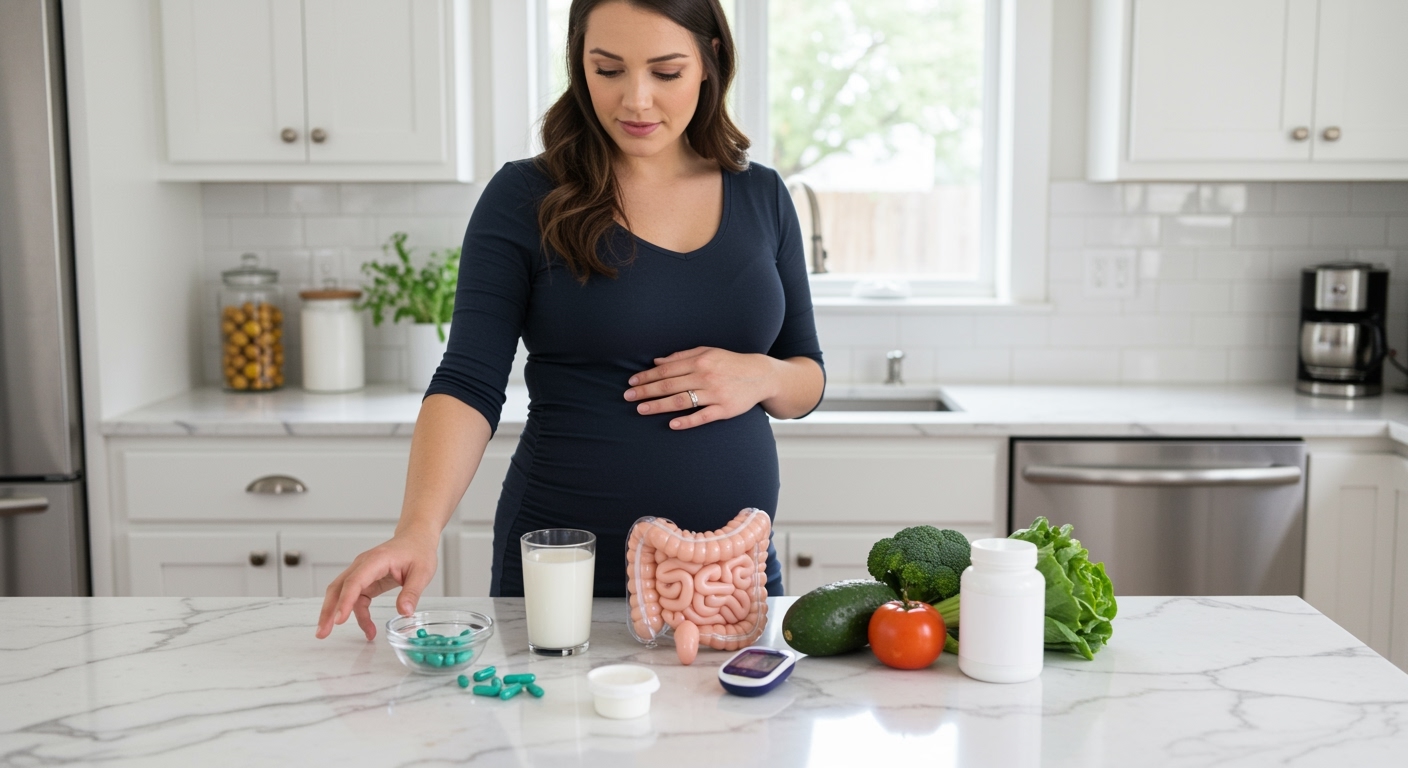
✪ Key Highlight: Vitamin D deficiency during pregnancy increases risks of preeclampsia, preterm birth, and cesarean delivery complications.
Introduction
Pregnancy should be a time of joy and anticipation, not fear and medical complications.
Yet new research reveals that a simple vitamin deficiency is putting millions of pregnant women and their babies at serious risk of life-threatening complications including high blood pressure, premature delivery, and emergency cesarean sections.
Hi, I am Abdur, your nutrition coach, and today I am going to analyze the alarming connection between vitamin D deficiency during pregnancy and the dramatic increase in delivery complications that affect up to 83% of expectant mothers in some populations.
How Does Vitamin D Deficiency Lead To Preeclampsia?
Preeclampsia is a dangerous pregnancy complication characterized by high blood pressure and protein in the urine that affects up to 10% of all pregnancies worldwide.
Research published in Frontiers in Endocrinology shows that low vitamin D levels disrupt the normal development of the placenta during early pregnancy.
The placenta is the organ that connects mother and baby, delivering oxygen and nutrients while removing waste products.
When vitamin D is insufficient, the process called placentation goes wrong, leading to abnormal blood vessel formation in the placenta.
Animal studies demonstrate that vitamin D deficiency causes the body to produce excessive amounts of renin, a hormone that raises blood pressure and constricts placental blood vessels.
Human observations confirm that preeclamptic placentas show incomplete invasion of trophoblast cells, which are specialized cells that help the placenta attach properly to the uterine wall.
The only cure for preeclampsia is delivery of the baby, which often means premature birth and all the health risks that come with it for both mother and child.
✪ Fact: Preeclampsia affects 3-5% of pregnancies globally and remains a leading cause of maternal and fetal mortality worldwide.
What Other Pregnancy Complications Are Linked To Low Vitamin D?
Beyond preeclampsia, vitamin D deficiency during pregnancy creates a cascade of health problems that threaten both mother and baby.
Research shows strong connections between low vitamin D and preterm birth, which means delivery before 37 weeks of pregnancy.
Babies born prematurely face serious health challenges including breathing problems, feeding difficulties, and developmental delays that can last a lifetime.
Small-for-gestational-age babies, meaning infants who are smaller than normal for their weeks of development, are also more common when mothers have insufficient vitamin D.
Gestational diabetes, a form of high blood sugar that develops during pregnancy, shows increased rates in women with vitamin D deficiency.
Studies reveal that low vitamin D during pregnancy can even affect the baby’s long-term health, increasing risks of childhood asthma through changes in lung development and inflammatory processes.
The research published in Trials journal confirms that vitamin D deficiency raises risks of low birthweight and fetal growth restriction, conditions that can have lasting impacts on child health and development.
✪ Note: Vitamin D plays crucial roles in immune function, inflammation control, and cellular growth that extend far beyond bone health.
How Common Is Vitamin D Deficiency Among Pregnant Women?
The prevalence of vitamin D deficiency during pregnancy is shockingly high across the globe.
A study published in Medicine journal examined pregnant women in China and found that an astounding 83% had vitamin D deficiency.
The deficient group showed significantly higher rates of spontaneous abortion and delivered babies with lower birth weights compared to women with adequate vitamin D levels.
This is not just a problem in one country or region.
Vitamin D deficiency affects pregnant women worldwide, particularly those living in areas with limited sunlight exposure or those who spend most of their time indoors.
The body produces vitamin D when skin is exposed to sunlight, but modern lifestyles keep many people indoors during peak sunlight hours.
Darker skin pigmentation also reduces the skin’s ability to produce vitamin D from sunlight, putting certain populations at even higher risk of deficiency.
✪ Pro Tip: If you are planning pregnancy or already pregnant, ask your doctor to check your vitamin D levels with a simple blood test.
What Factors Protect Against Vitamin D Deficiency During Pregnancy?
The Chinese study identified several protective factors that reduced the risk of vitamin D deficiency in pregnant women.
Women in their second trimester, specifically between 28-32 weeks of gestational age, showed better vitamin D status than those in earlier or later stages.
Seasonal timing played a significant role, with pregnancies during summer and autumn months associated with higher vitamin D levels due to increased sunlight exposure.
Higher education levels correlated with better vitamin D status, likely because educated women have greater health awareness and access to nutritional information.
Spending more than 10 hours outdoors weekly provided substantial protection against deficiency by allowing adequate sunlight exposure for natural vitamin D production.
Most importantly, taking vitamin D supplements significantly reduced deficiency risk and improved pregnancy outcomes.
The research showed that vitamin D levels rose with warmer temperatures and that low levels tied directly to increased infection, inflammation, and weakened immune tolerance that raised miscarriage odds.
✪ Fact: Vitamin D receptors are found in virtually every tissue in the body, including the placenta, highlighting its importance for pregnancy.
What Can Pregnant Women Do To Prevent Vitamin D Deficiency?
Prevention of vitamin D deficiency during pregnancy requires a multi-faceted approach that combines diet, lifestyle, and supplementation.
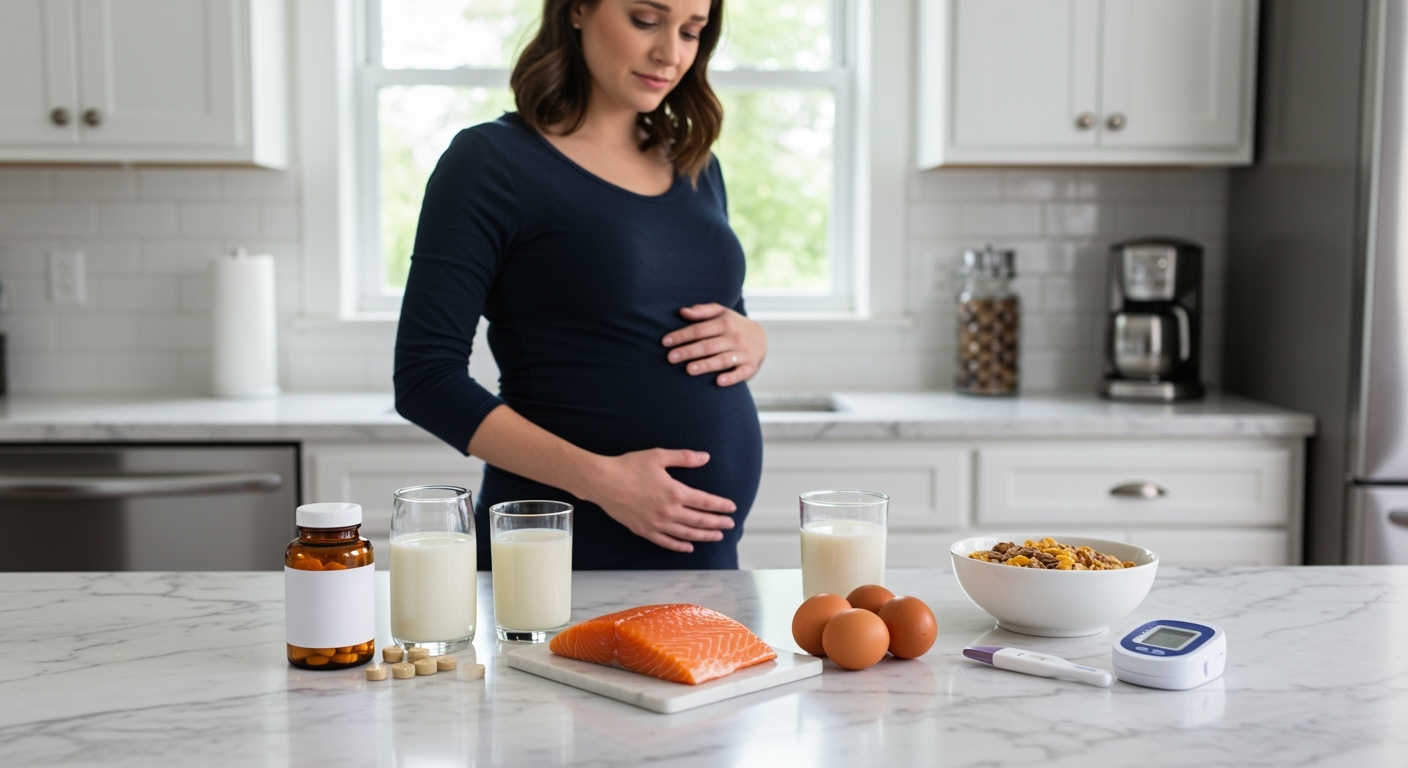
First, include vitamin D-rich foods in your daily diet such as fatty fish like salmon and mackerel, egg yolks, and fortified dairy products.
Second, aim for safe sun exposure by spending 10-30 minutes outdoors during midday hours several times per week, though this varies based on skin tone and geographic location.
Third, discuss vitamin D supplementation with your healthcare provider, as most prenatal vitamins contain some vitamin D but may not provide adequate amounts for deficient individuals.
The American College of Obstetricians and Gynecologists recommends that pregnant women get at least 600 IU of vitamin D daily, though some experts suggest higher doses for deficient women.
Regular monitoring through blood tests allows your doctor to adjust supplementation based on your individual needs and current vitamin D status.
Remember that vitamin D is a fat-soluble vitamin, meaning it absorbs better when consumed with dietary fats, so take supplements with meals containing healthy fats.
✪ Pro Tip: Start optimizing your vitamin D levels before conception to ensure adequate stores throughout early pregnancy when placental development occurs.
The Bottom Line
The evidence is clear and compelling: vitamin D deficiency during pregnancy significantly increases the risk of serious complications including preeclampsia, preterm birth, gestational diabetes, and poor fetal growth.
Your baby’s health begins with your nutritional choices long before delivery day, and vitamin D status is too important to ignore or leave to chance.
I encourage you to share your experiences, questions, or concerns about vitamin D and pregnancy in the comments section below, and let us build a supportive community where expectant mothers can learn from each other and make informed decisions for healthier pregnancies.
References
At NutritionCrown, we use quality and credible sources to ensure our content is accurate and trustworthy. Below are the sources referenced in writing this article:
- Frontiers in Endocrinology: Vitamin D and the Risk of Preeclampsia
- PMC (National Library of Medicine): Vitamin D Deficiency in Pregnancy
- PMC (National Library of Medicine): Vitamin D Status and Pregnancy Outcomes
- ACOG (American College of Obstetricians and Gynecologists): Vitamin D Screening and Supplementation During Pregnancy
- ClinicalTrials.gov: Vitamin D Supplementation in Pregnancy