✪ Key Highlight: Scientists discovered saliva and tears can accurately measure vitamin D and glucose levels, potentially ending painful blood tests.
Introduction
Blood tests make millions of people anxious every single day.
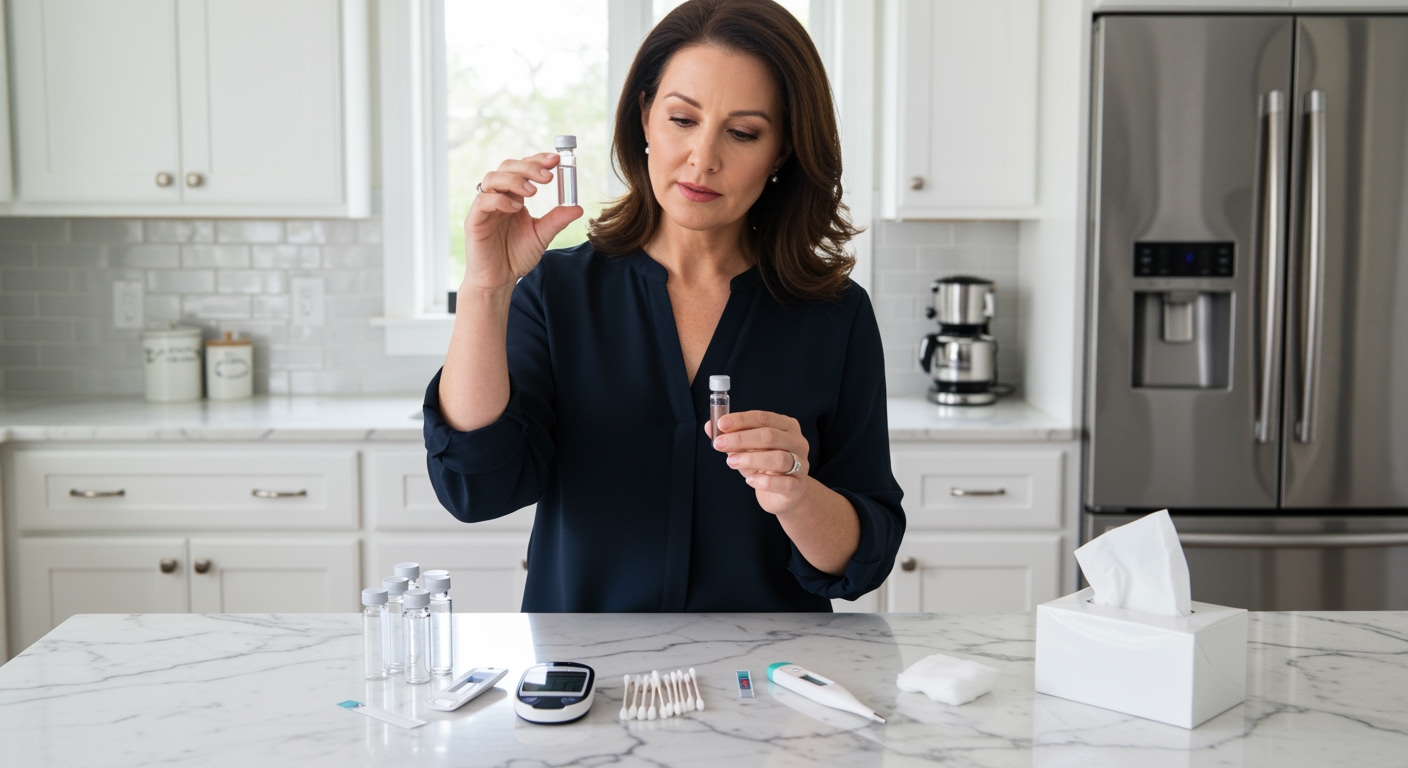
Scientists just published groundbreaking research showing that saliva and tears can replace blood draws for monitoring critical health markers like vitamin D and glucose levels.
Hi, I’m Abdur, your nutrition coach and today I’m going to analyze this revolutionary study that could transform how we monitor chronic diseases like diabetes.
What Did The Scientists Actually Discover?
Researchers published their findings in the journal Physiologia after comparing saliva, tears, and blood samples from people with type 2 diabetes.
The results shocked the medical community.
Saliva samples accurately reflected vitamin D levels found in blood tests.
Tear samples closely mirrored blood glucose concentrations.
The scientists stated that tears could serve as a reliable matrix for glucose assessment while saliva could be useful for vitamin D measurement.
This discovery challenges decades of medical practice that relied exclusively on blood draws for accurate health monitoring.
The implications reach far beyond convenience because this technology could revolutionize healthcare for nearly 400 million people worldwide living with type 2 diabetes.
✪ Fact: Type 2 diabetes affects nearly 400 million people globally who need regular glucose monitoring.
Why Does Vitamin D Matter So Much?
Vitamin D functions as a hormone rather than just a simple vitamin in your body.
Your skin produces vitamin D3 when exposed to sunlight, while you get vitamin D2 from certain foods.
This nutrient controls calcium absorption in your intestines, making it essential for bone health.
Vitamin D also regulates inflammation throughout your body and supports your immune system function.
Research links vitamin D deficiency to increased risks of heart disease, autoimmune conditions, diabetes, and metabolic syndrome.
The connection between vitamin D and glucose metabolism makes this discovery particularly important for diabetes management.
Currently, doctors only measure vitamin D through blood tests, which creates barriers for regular monitoring.
✪ Pro Tip: Vitamin D deficiency affects over 1 billion people worldwide, making accessible testing crucial.
How Could This Change Diabetes Management?
Type 2 diabetes develops when your cells become insulin resistance or your pancreas cannot produce enough insulin.
Regular glucose monitoring remains essential for managing this condition effectively.
Many people with diabetes struggle with the discomfort and inconvenience of frequent blood tests.
Dr. Jonathan Little from the University of British Columbia Okanagan explained that detecting problems early could help identify people at risk before blood glucose levels start rising.
This early detection would allow for lifestyle changes and treatments long before glucose levels become dangerous.
Saliva tests could help spot insulin resistance in its earliest stages, giving people more time to take preventive action.
The convenience factor alone could dramatically improve patient compliance with monitoring recommendations.
✪ Note: Early detection of insulin resistance could prevent millions of diabetes cases worldwide.
What Technology Makes This Possible?
Scientists developed specialized biosensors that can detect glucose in tears and saliva using specific enzymes.
These devices are designed to be portable and user-friendly for home testing.
The main challenge involves the much lower concentrations of glucose and other markers in saliva and tears compared to blood samples.
This requires highly sensitive testing equipment to provide accurate results.
Researchers are working to eliminate interference from other sugars like galactose that can affect saliva glucose measurements.
The technology continues advancing rapidly, with scientists developing more precise and reliable detection methods.
Future devices could allow people to check their levels at home without visiting clinics or laboratories.
✪ Fact: Biosensor technology can detect glucose concentrations as low as those found in human tears.
What Challenges Still Need Solving?
Several technical hurdles must be overcome before these tests become widely available.
Saliva contains multiple sugars that can interfere with glucose measurements, requiring advanced filtration methods.
More studies are needed to confirm reliability across different populations and health conditions.
The testing equipment must become more affordable and accessible for widespread adoption.
Regulatory approval processes will need to validate these methods against traditional blood testing standards.
Healthcare providers will require training on interpreting results from these new testing methods.
Despite these challenges, early results show tremendous promise for revolutionizing health monitoring.
✪ Pro Tip: Regulatory approval typically takes 3-5 years for new medical testing technologies.
The Bottom Line
This breakthrough research proves that saliva and tears can accurately measure critical health markers, potentially eliminating the need for painful blood draws.
The future of health monitoring lies in making testing accessible, comfortable, and convenient for everyone.
I would love to hear your thoughts about this revolutionary testing method in the comments below.
References
At NutritionCrown, we use quality and credible sources to ensure our content is accurate and trustworthy. Below are the sources referenced in creating this article:
- News Medical: Can saliva and tears replace blood tests for vitamin D and glucose
- Pharmacy Times: Non-invasive saliva tests could offer early clues for diabetes and obesity risk
- PMC: Saliva as a diagnostic tool for monitoring health
- Greater Good: Could tears and saliva replace blood tests
- News Medical: Could vitamin D be the missing link in managing type 2 diabetes