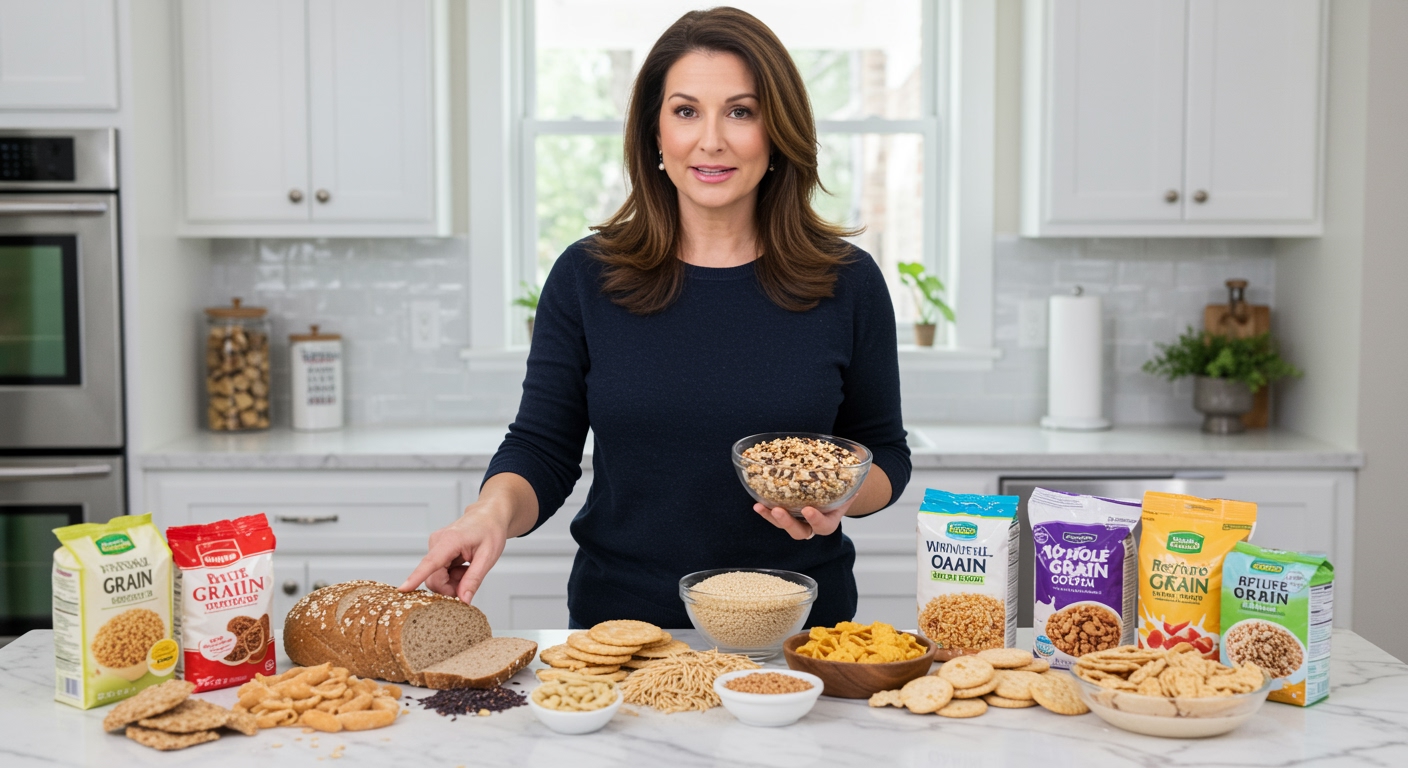
✪ Key Highlight: New research shows both whole and refined grains improve health when nutrient-dense and high-quality.
Introduction
You have been told that refined grains are bad for your health.
New research from the University of Washington challenges this belief by showing that both whole and refined grains can improve diet quality and metabolic health when they are nutrient-dense.
Hi, I am Abdur, your nutrition coach and today I am going to analyze this groundbreaking study that examined over 14,000 Americans and their grain consumption patterns over five years.
What Makes Grain Foods Actually Healthy?
The University of Washington researchers used two new nutrient profiling models to identify healthy grain foods.
The first model called Carbohydrate Food Quality Score focused on fiber content, protein levels, and essential nutrients.
The second model called Nutrient Rich Food index measured foods that were lower in added sugars, saturated fat, and sodium.
These models revealed that many everyday grain foods including certain breads, cereals, and tortillas scored surprisingly high for nutrient density and affordability.
The key finding was that nutrient density matters more than whether grains are whole or refined.
This approach helps you focus on what actually makes grains healthy rather than following blanket rules about avoiding all refined grains.
✪ Pro Tip: Check the ingredient list on grain products to identify those with higher fiber and protein content.
How Do Quality Grains Affect Your Health?
People who ate more nutrient-dense grain foods showed better overall nutrient intake in the study.
These individuals had healthier eating patterns and more favorable markers of metabolic health.
The research showed lower rates of obesity and improved insulin levels among those consuming quality grains.
Your body responds differently to grains based on their nutrient composition rather than their processing level.
High-quality grains provide essential nutrients that support your metabolism and help maintain healthy blood sugar levels.
The fiber in quality grains slows down digestion and prevents rapid spikes in blood glucose.
✪ Fact: Quality grains can improve insulin sensitivity regardless of whether they are whole or refined.
Which Grain Foods Scored Highest For Health?
The Carbohydrate Food Quality Score gave top ratings to cooked whole grains, certain cereals, and savory snacks.
The Nutrient Rich Food index ranked breads, rolls, and ready-to-eat cereals as the healthiest options.
Many of these high-scoring foods were surprisingly affordable and accessible to most Americans.
The study found that focusing on nutrient density rather than simply avoiding refined grains helps people make better food choices.
Some refined grain products actually scored higher than certain whole grain products due to fortification with essential nutrients.
This challenges the common belief that all whole grains are automatically healthier than all refined grains.
✪ Note: Some fortified refined grains provide more essential nutrients than unfortified whole grains.
What Does Supporting Research Tell Us?
Harvard research confirms that whole grains lower cholesterol, triglycerides, and insulin levels compared to refined grains.
Women who ate two to three servings of whole grains daily were 30 percent less likely to have heart attacks over 10 years.
Replacing refined grains with whole grains reduces the risk of type 2 diabetes and improves glucose metabolism.
Whole grains contain dietary fiber, vitamins, minerals, and phytochemicals that support digestive health.
Studies show high intake of cereal fiber and whole grains links to lower colorectal cancer risk.
The 2025 Dietary Guidelines Advisory Committee recommends that grains should be mostly whole grains to prevent chronic diseases.
✪ Fact: Whole grain consumption in the US remains low with only 7.9 percent of packaged foods containing whole grain ingredients.
The Bottom Line
This research shows that both whole and refined grains can be part of a healthy diet when they deliver nutrient density and quality.
Focus on what grains provide rather than how they are processed to make smarter food choices.
I would love to hear your thoughts about this research and any questions you might have about choosing healthy grains in the comment section below.
References
At NutritionCrown, we use quality and credible sources to ensure our content is accurate and trustworthy. Below are the sources referenced in creating this article:
- News Medical: Healthy grain foods linked to improved diet quality and metabolic markers
- PubMed: Research study on grain foods and health
- Frontiers in Nutrition: Nutrient profiling models for grain foods
- Harvard Nutrition Source: Whole grains health benefits
- PMC: Whole grains and metabolic health