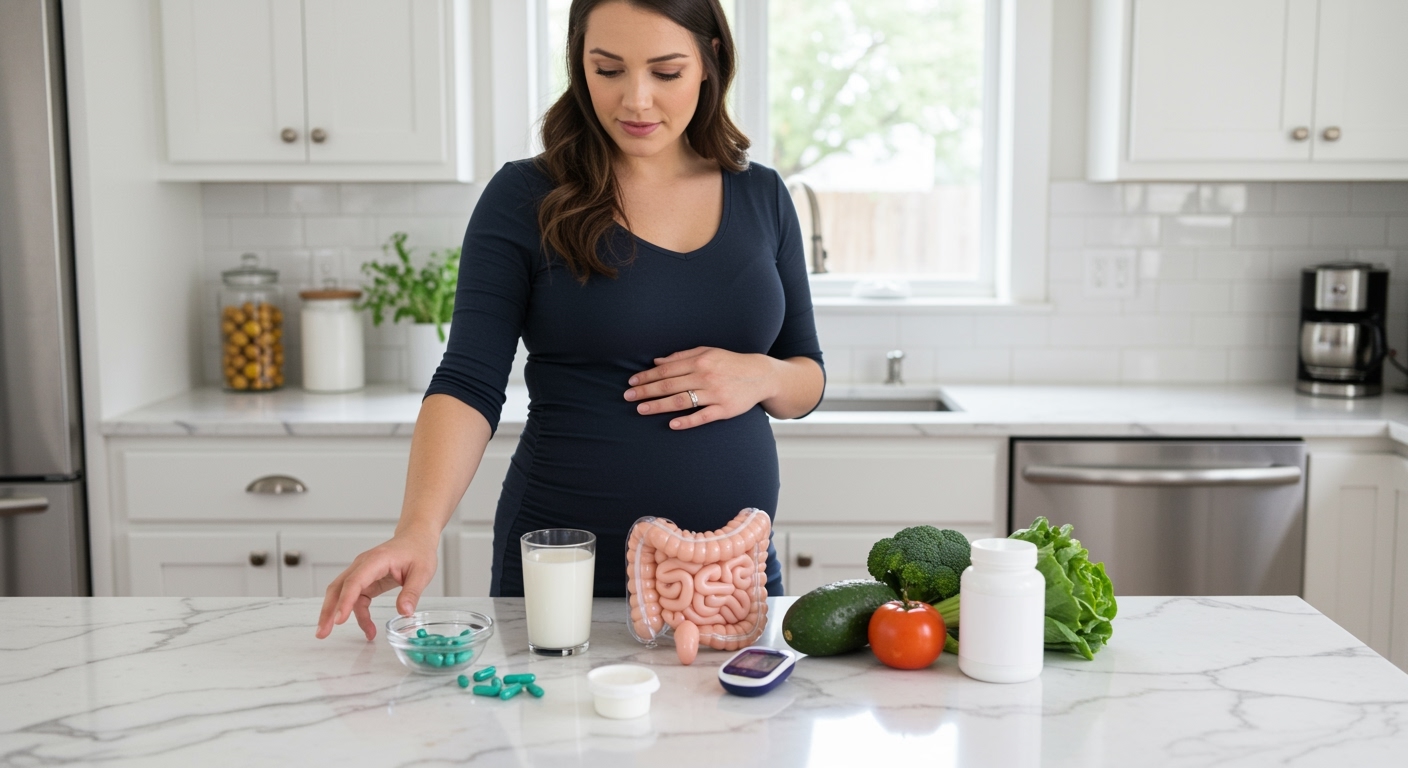
✪ Key Highlight: Recent research shows probiotics during pregnancy produce inconsistent results for preventing gestational diabetes in women.
Introduction
Pregnant women around the world have been told that probiotics might protect them from gestational diabetes.
New research reveals that the truth about probiotics during pregnancy is far more complicated than the simple promises made by supplement companies and health influencers.
Hi, I’m Abdur, your nutrition coach, and today I’m going to analyze the latest scientific evidence showing why probiotics fail to consistently prevent gestational diabetes in expectant mothers despite earlier optimistic findings.
What Does The Latest Research Actually Show?
A comprehensive analysis published in Frontiers in Medicine examined multiple studies involving thousands of pregnant women who took probiotics.
The researchers found that probiotics reduced gestational diabetes risk by approximately 33 percent in some populations.
However, this benefit disappeared completely when scientists looked specifically at overweight and obese women who face the highest diabetes risk.
Another study in Diabetes Care journal tracked 411 pregnant women and found no significant difference in gestational diabetes rates between those taking probiotics and those taking placebo.
The most recent 2024 research published in PubMed confirmed these inconsistent results across different populations and probiotic strains.
A Cochrane systematic review analyzing data from over 1,600 women concluded that current evidence remains insufficient to recommend probiotics for gestational diabetes prevention.
These conflicting findings have left both healthcare providers and pregnant women confused about whether probiotics actually work.
✪ Fact: Gestational diabetes affects approximately 2 to 10 percent of pregnancies in the United States each year according to CDC data.
Why Do Probiotics Work For Some Women But Not Others?
The effectiveness of probiotics during pregnancy depends heavily on your starting gut bacteria composition before you even begin supplementation.
Women with certain bacterial imbalances may respond positively while others with different gut profiles see absolutely no benefit.
Your body weight plays a crucial role because obesity changes how your intestines process and respond to probiotic bacteria.
The specific probiotic strains used in different studies varied dramatically, with some using Lactobacillus species while others used Bifidobacterium or combination formulas.
Research shows that timing matters significantly because starting probiotics in early pregnancy produces different outcomes than beginning supplementation in the second or third trimester.
Your diet quality influences whether probiotics can establish themselves in your gut and produce the metabolic changes needed to affect blood sugar regulation.
Genetic variations between individuals affect how your immune system responds to introduced bacterial strains, creating person-to-person differences in probiotic effectiveness.
✪ Note: Probiotics are live microorganisms that when consumed in adequate amounts may provide health benefits by improving gut bacteria balance.
What Are The Real Risks Of Gestational Diabetes?
Gestational diabetes increases your risk of developing type 2 diabetes later in life by approximately 50 percent compared to women without pregnancy complications.
Your baby faces higher chances of being born with excessive birth weight, which creates delivery complications and increases cesarean section necessity.
Children born to mothers with gestational diabetes have elevated risks of developing obesity and diabetes themselves during childhood and adolescence.
High blood sugar during pregnancy can cause your baby to produce excess insulin, leading to dangerously low blood sugar levels immediately after birth.
You face increased risks of preeclampsia, a serious condition characterized by high blood pressure that can damage your liver and kidneys.
Gestational diabetes raises the likelihood of premature birth, which brings additional complications including respiratory problems and longer hospital stays for your newborn.
These serious consequences explain why researchers desperately want to find effective prevention strategies, even though probiotics have not proven to be the universal solution.
✪ Pro Tip: Regular physical activity during pregnancy remains one of the most evidence-based strategies for reducing gestational diabetes risk regardless of probiotic use.
Should You Take Probiotics During Pregnancy?
The decision to take probiotics during pregnancy should be made in consultation with your healthcare provider based on your individual risk factors.
If you have a healthy weight, no family history of diabetes, and good dietary habits, probiotics may offer minimal additional benefit for gestational diabetes prevention.
Women with previous gestational diabetes, obesity, or polycystic ovary syndrome might consider probiotics as part of a comprehensive prevention strategy, though results remain unpredictable.
Current research suggests that probiotics appear generally safe during pregnancy with few reported adverse effects in clinical trials.
However, safety does not equal effectiveness, and spending money on supplements that may not work for your specific situation makes little practical sense.
If you choose to try probiotics, select products containing well-researched strains like Lactobacillus rhamnosus GG or Bifidobacterium lactis that have been studied in pregnancy contexts.
Remember that probiotics should never replace proven prevention strategies including maintaining healthy weight, eating balanced meals, and staying physically active throughout your pregnancy.
✪ Fact: A single probiotic capsule typically contains between 1 billion and 10 billion live bacterial cells from one or multiple strains.
What Prevention Strategies Actually Work Better?
Achieving a healthy body weight before pregnancy reduces gestational diabetes risk more effectively than any supplement intervention studied to date.
Eating a diet rich in whole foods, vegetables, lean proteins, and healthy fats while limiting refined carbohydrates provides measurable blood sugar benefits.
Regular moderate-intensity exercise for at least 150 minutes weekly throughout pregnancy significantly lowers gestational diabetes incidence in multiple large studies.
Getting adequate sleep and managing stress levels influence insulin sensitivity and glucose metabolism in ways that directly impact diabetes risk.
Early pregnancy screening allows healthcare providers to identify high-risk women who benefit from intensive lifestyle interventions and closer monitoring.
Avoiding excessive weight gain during pregnancy through portion control and mindful eating prevents the metabolic stress that contributes to gestational diabetes development.
These evidence-based strategies may seem less exciting than taking a daily probiotic capsule, but they produce consistent, reproducible results across diverse populations.
✪ Pro Tip: Focus on adding fermented foods like yogurt, kefir, and sauerkraut to your diet for natural probiotics along with the fiber that helps them thrive.
The Bottom Line
The current evidence shows that probiotics during pregnancy produce inconsistent results for gestational diabetes prevention, with benefits appearing in some populations but not others.
Health is built through consistent daily choices, not through searching for magic supplements that promise easy solutions to complex metabolic challenges.
I would love to hear your thoughts on this topic in the comments below, especially if you have personal experience with probiotics during pregnancy or questions about gestational diabetes prevention strategies.
References
At NutritionCrown, we use quality and credible sources to ensure our content is accurate and trustworthy. Below are the sources referenced in writing this article:
- Frontiers in Medicine: Probiotics for the prevention of gestational diabetes mellitus
- Diabetes Care Journal: Probiotics for the Prevention of Gestational Diabetes
- PubMed: Probiotics and gestational diabetes mellitus research 2024
- PubMed Central: Probiotic supplementation during pregnancy systematic review
- Cochrane Review: Probiotics in pregnancy for the prevention of gestational diabetes