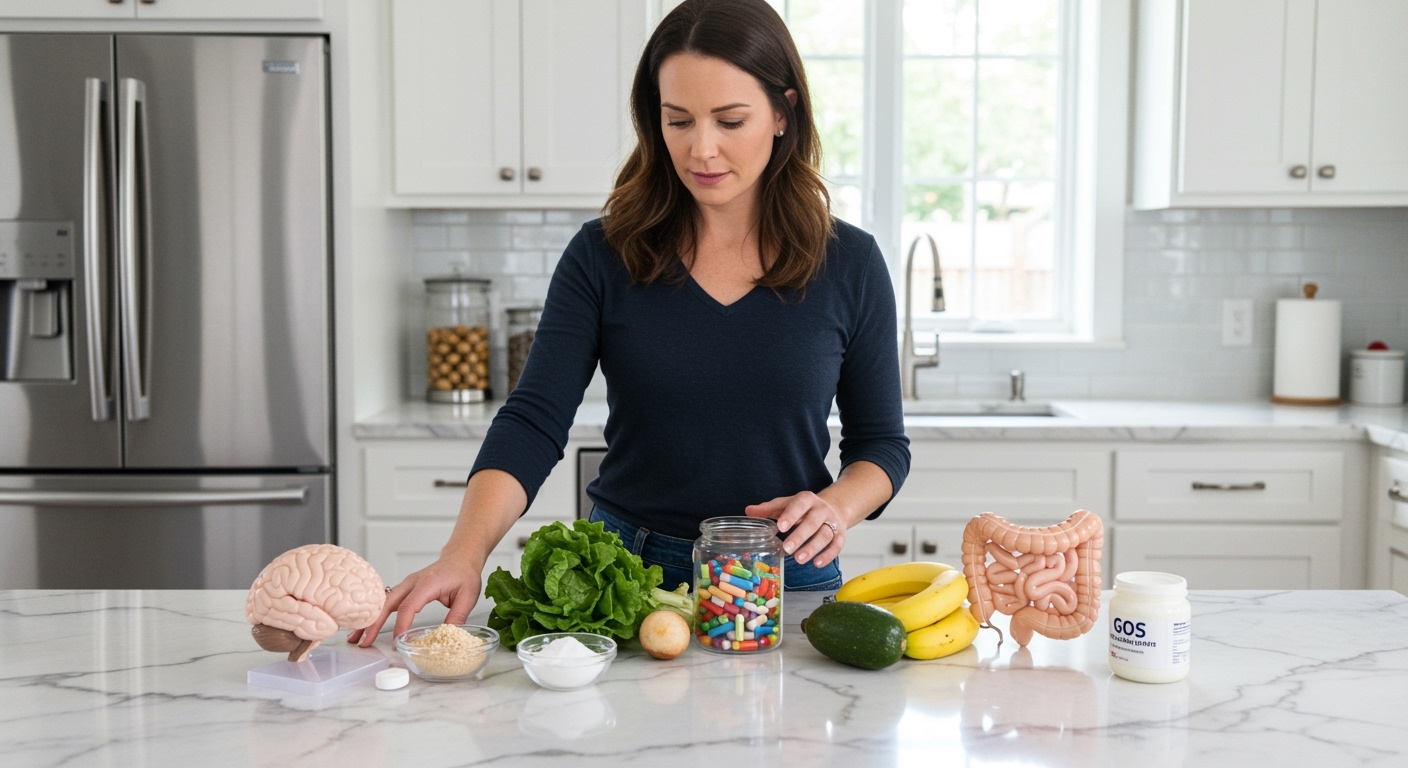
✪ Key Highlight: A simple prebiotic supplement reduced impulsive behavior in brain-injured rats by healing gut bacteria problems.
Introduction
Your gut might hold the key to healing your brain after injury.
Researchers at Ohio State University discovered that a prebiotic supplement called galacto-oligosaccharide reduced dangerous impulsive behavior in rats with traumatic brain injuries by fixing their damaged gut bacteria.
Hi, I’m Abdur, your nutrition coach and today I’m going to analyze this groundbreaking research showing how a simple dietary addition might help millions of people struggling with decision-making problems after brain injury.
What Did This Research Actually Discover?
Scientists gave rats a prebiotic supplement starting six weeks before a controlled brain injury and continuing for 60 days afterward.
The prebiotic they used was galacto-oligosaccharide, which you can simply call GOS for short.
This compound works by feeding the beneficial bacteria already living in your digestive system.
When these good bacteria get proper nutrition, they grow stronger and produce compounds that reduce inflammation throughout your entire body, including your brain.
The rats receiving this prebiotic performed significantly better on impulsivity tests compared to injured rats eating regular food.
Researchers tested impulsivity using a gambling task where rats chose between four options offering different sugar rewards.
The rats had to wait for a light signal before making their choice, which tested their ability to control impulses.
✪ Fact: Nearly 3 million emergency department visits happen each year in the United States due to traumatic brain injury.
Why Does Gut Health Matter After Brain Injury?
Scientists discovered within the past decade that a condition called gut dysbiosis occurs in patients after moderate brain injury.
Gut dysbiosis means the collection of bacteria living in your digestive tract changes in negative ways.
Previous research by the Ohio State team showed that these negative gut changes predicted poor decision-making months or even years after the initial injury.
The critical question researchers wanted to answer was whether gut problems actually cause brain symptoms or just happen at the same time.
This new study proves that fixing the gut problem can actually improve brain symptoms, moving beyond simple correlation to actual causation.
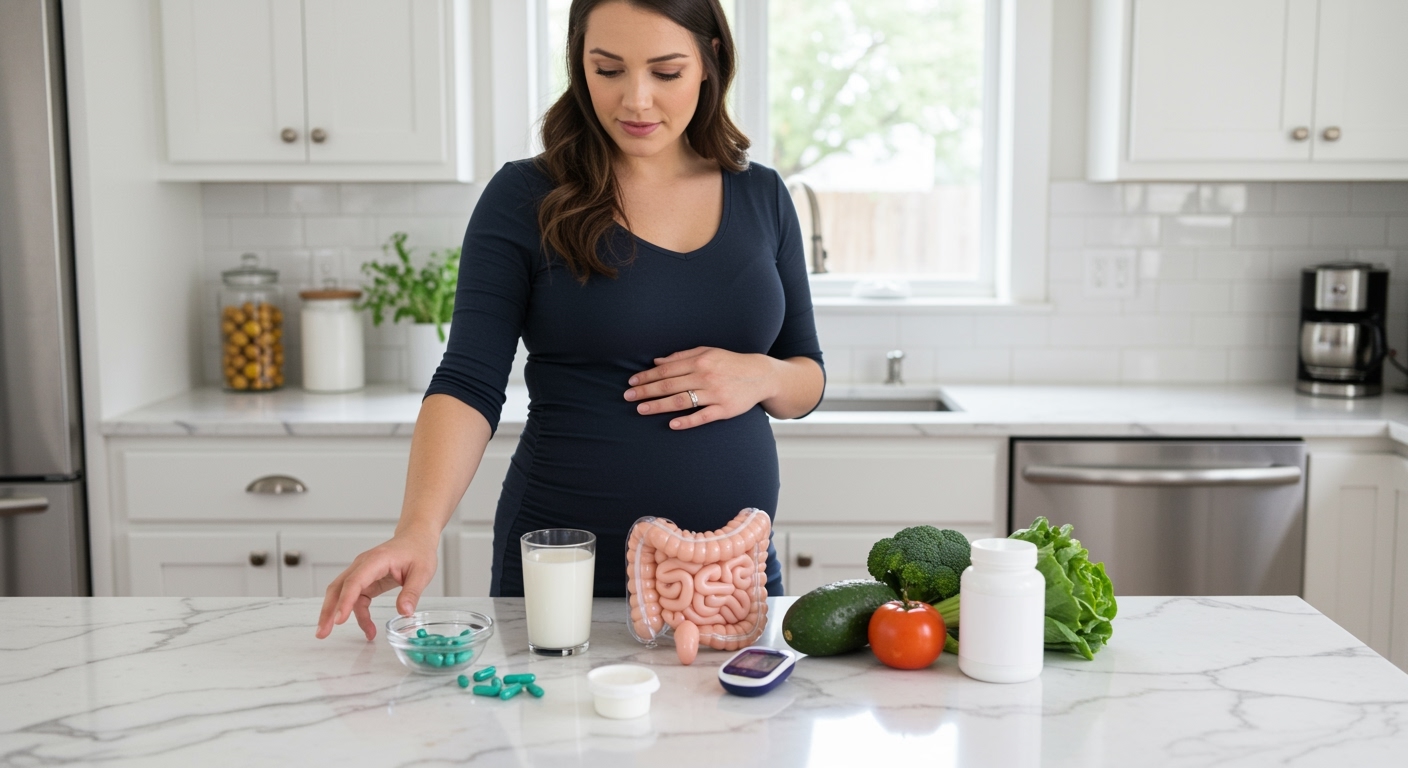
Your gut and brain communicate through a two-way system called the gut-brain axis.
When beneficial bacteria thrive in your digestive system, they produce compounds that support brain function and reduce inflammation that damages neural tissue.
✪ Note: More than 11 million Americans over age 40 who lost consciousness from traumatic brain injury currently live with disability.
How Significant Were The Results?
The lead researcher Cole Vonder Haar described the improvement as modest but meaningful.
Rats receiving the prebiotic were still more impulsive than rats that never suffered injury.
However, they showed noticeably better impulse control compared to injured rats without the prebiotic supplement.
Vonder Haar explained that most studies attempting to treat impulsivity after brain injury have failed completely.
This represents one of the few times where a treatment showed any beneficial effects at all.
For researchers working on brain injury treatment, even modest improvement represents significant progress because so few interventions work.
The study also measured anxiety-like behavior, depression-like symptoms, and learning and memory in the injured rats.
✪ Pro Tip: Prebiotic-rich foods include garlic, onions, leeks, asparagus, bananas, oats, and Jerusalem artichokes.
What Does This Mean For Brain Injury Treatment?
Currently, there is no FDA-approved treatment specifically for traumatic brain injury itself.
Doctors and patients must manage individual symptoms like depression or anxiety with rehabilitation and medications.
Nothing addresses the root problem causing these symptoms.
This research suggests that a gut-based treatment approach could eventually provide relief for people struggling with brain injury-related problems.
Other research has shown that probiotics, which are live beneficial bacteria, can also help reduce traumatic brain injury complications in human patients.
Studies demonstrated that probiotic administration beginning early after trauma can improve intestinal barrier function and reduce inflammation.
These interventions modified gut bacteria in ways that lowered infection rates and reduced time spent in intensive care.
✪ Fact: The United States Department of Defense supported this research to help service members and veterans with traumatic brain injuries.
Can You Apply This Knowledge Today?
While this research used rats and not humans, the findings point toward practical dietary strategies you can implement now.
Prebiotics like galacto-oligosaccharide are available as supplements and naturally occur in certain foods.
You can find prebiotics in foods like garlic, onions, leeks, asparagus, bananas, oats, and Jerusalem artichokes.
These foods feed the beneficial bacteria in your gut, helping them produce compounds that support brain health.
Combining prebiotic foods with probiotic foods like yogurt, kefir, sauerkraut, and kimchi creates a powerful one-two punch for gut health.
If you or someone you know has suffered a brain injury, discussing gut health strategies with your healthcare provider makes sense.
The evidence from both prebiotic and probiotic research suggests that managing digestive health through diet and supplementation might become an important part of recovery.
✪ Pro Tip: Start with small amounts of prebiotic foods and gradually increase to avoid digestive discomfort as your gut bacteria adjust.
The Bottom Line
This research proves that healing your gut can actually improve brain function after traumatic injury.
Your fork holds more power than you realize because every meal either feeds disease or fights it.
What questions do you have about using prebiotics or probiotics for brain health, and have you noticed any connection between your digestive health and mental clarity in your own life?
References
At NutritionCrown, we use quality and credible sources to ensure our content is accurate and trustworthy. Below are the sources referenced in writing this article:
- Ohio State University News: Prebiotic in Diet Linked to Less Impulsivity in Gambling Rats With TBI
- National Center for Biotechnology Information: Gut Microbiome and Traumatic Brain Injury
- National Center for Biotechnology Information: Probiotic Administration in Early Life and TBI
- Berkey Water Filter: Prebiotic Diet Reduces Impulsivity in TBI Gambling Rats