✪ Key Highlight: Eating 1.45 servings of green leafy vegetables daily reduces glaucoma risk by 48% compared to eating just 0.31 servings.
Introduction
Your eyes are slowly losing their ability to see, and you might not even know it.
A massive 25-year study tracking over 100,000 Americans just revealed that something as simple as eating more green leafy vegetables could slash your risk of primary open-angle glaucoma by nearly half.
Hi, I am Abdur, your nutrition coach, and today I am going to analyze how dietary nitrates from vegetables like spinach, kale, and lettuce protect your vision from one of the leading causes of irreversible blindness worldwide.
What Did This Groundbreaking Study Actually Find?
Researchers followed 63,893 women from the Nurses Health Study and 41,094 men from the Health Professionals Follow-up Study for 25 years.
They used detailed food questionnaires to track exactly how much nitrate people consumed from vegetables.
The results were shocking.
People eating the most green leafy vegetables had an 18% lower risk of developing primary open-angle glaucoma compared to those eating the least.
The highest consumers ate about 1.45 servings daily, while the lowest group ate just 0.31 servings.
Even more impressive, the protection grew much stronger for a specific type of glaucoma called early paracentral visual field loss, where risk dropped by a massive 48% in the highest consumption group.
Green leafy vegetables accounted for 56.7% of all nitrate variation in the diets studied, making them the most important source by far.
✪ Fact: Primary open-angle glaucoma is the most common form of glaucoma and develops slowly without early warning signs until significant vision loss occurs.
Why Do Green Leafy Vegetables Protect Your Eyes?
The secret lies in compounds called dietary nitrates.
When you eat vegetables containing nitrates, your body converts them into nitric oxide.
Nitric oxide is a powerful molecule that relaxes and widens your blood vessels.
This improved blood flow reaches the delicate tissues of your eyes, including the optic nerve.
Better blood flow means more oxygen and nutrients reach your eye tissues, helping them stay healthy and resist damage.
Nitric oxide also helps regulate intraocular pressure, which is the pressure inside your eyeball.
High intraocular pressure is the main risk factor for developing glaucoma because it damages the optic nerve over time.
✪ Pro Tip: Eating your greens raw or lightly cooked preserves more nitrates than boiling them for extended periods.
Which Vegetables Give You The Most Protection?
Not all vegetables are created equal when it comes to nitrate content.
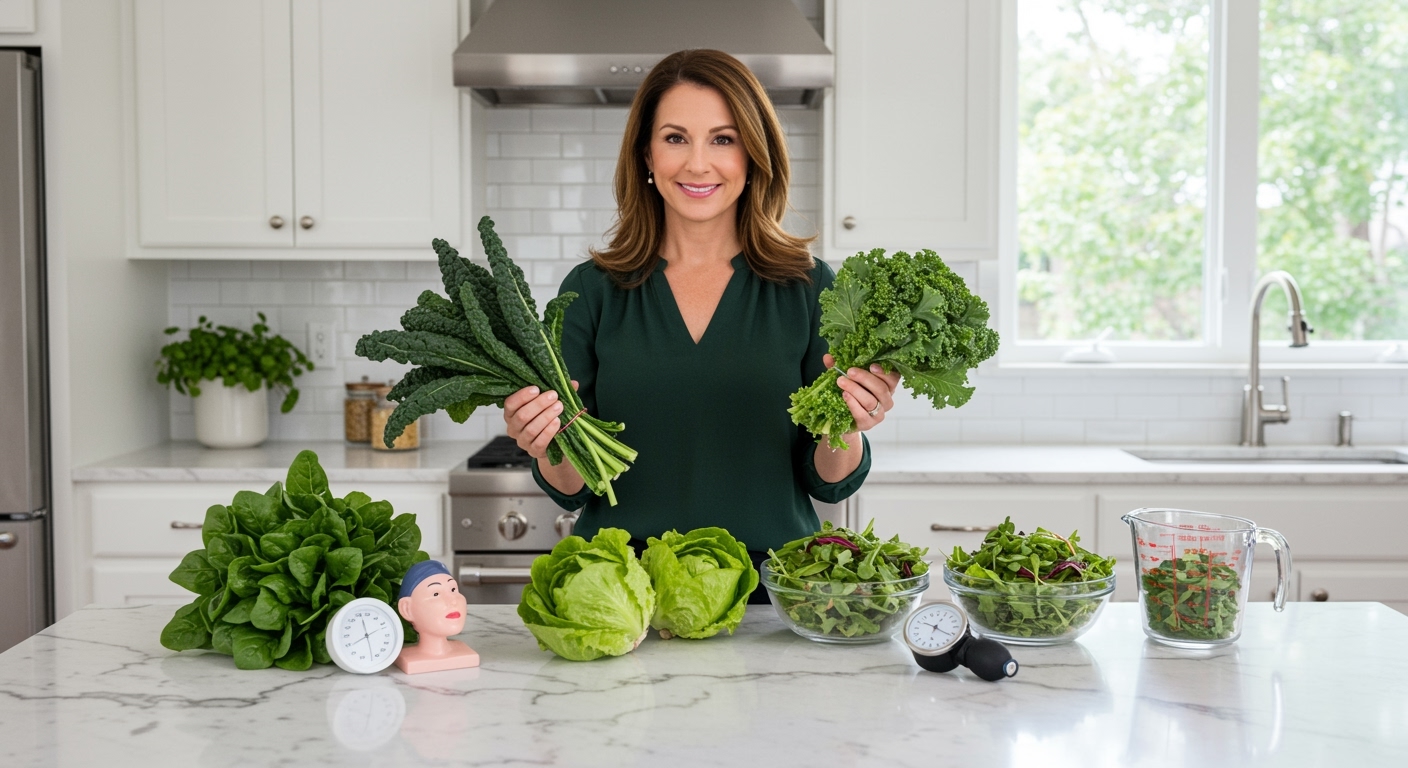
Green leafy vegetables dominate the list, with spinach, kale, and lettuce leading the way.
One fascinating study in older African American women found that eating collard greens or kale more than once weekly cut glaucoma odds by 57%.
Other vegetables like cruciferous vegetables including broccoli and cabbage, root vegetables like beets, and tomatoes also contribute nitrates.
However, green leafy vegetables provide the most concentrated and consistent source.
Swiss chard, arugula, and bok choy are also excellent choices that many people overlook.
The key is eating these vegetables consistently rather than occasionally, as the protective effects build over time with regular consumption.
✪ Note: One serving of leafy greens equals about one cup raw or half cup cooked, making the 1.45 daily servings target very achievable.
Who Benefits Most From This Dietary Change?
Everyone can benefit from eating more greens, but certain groups face higher glaucoma risk.
People over 60 years old have significantly increased risk as glaucoma becomes more common with age.
African Americans develop glaucoma at younger ages and experience more severe vision loss compared to other ethnic groups.
Anyone with a family history of glaucoma carries higher genetic risk.
People with diabetes, high blood pressure, or heart disease also face elevated risk because these conditions affect blood circulation throughout the body, including the eyes.
The beauty of this dietary approach is that it works for prevention in healthy people and may help slow progression in those already diagnosed.
Since glaucoma develops silently without symptoms until significant damage occurs, starting this habit early makes perfect sense.
✪ Fact: Glaucoma affects more than 3 million Americans, but only half know they have it because early stages cause no noticeable symptoms.
How Can You Easily Add More Greens To Your Diet?
Getting 1.45 servings of green leafy vegetables daily sounds harder than it actually is.
Start your morning by adding a handful of spinach to your eggs or morning smoothie.
Make a large salad with mixed greens, kale, and arugula as your lunch base instead of a side dish.
Sauté Swiss chard or collard greens with garlic as a quick dinner side that takes less than 10 minutes.
Keep pre-washed salad greens in your refrigerator for instant access when you are short on time.
Add kale or spinach to soups, stews, pasta dishes, and stir-fries where they blend seamlessly without changing the flavor profile.
The goal is making greens so convenient and accessible that eating them becomes automatic rather than something you have to remember.
✪ Pro Tip: Frozen spinach and kale retain their nitrate content and cost less than fresh varieties, making them budget-friendly options.
The Bottom Line
The evidence is clear that eating more green leafy vegetables provides powerful protection against glaucoma.
Your fork is more powerful than any prescription when it comes to preventing diseases that steal your vision silently.
I would love to hear your thoughts on this research and whether you plan to increase your intake of greens, so please share your questions, experiences, or concerns in the comment section below.
References
At NutritionCrown, we use quality and credible sources to ensure our content is accurate and trustworthy. Below are the sources referenced in writing this article:
- JAMA Ophthalmology: Association of Dietary Nitrate Intake With Primary Open-Angle Glaucoma
- PubMed Central: Nitric Oxide and Intraocular Pressure
- Physicians Committee for Responsible Medicine: Green Leafy Vegetables Reduce Glaucoma Risk
- Glaucoma Today: The Impact of Diet on Glaucoma Risk
- PubMed: Kale and Collards and Glaucoma Risk