✪ Key Highlight: Scientists discover how citrin deficiency causes fatty liver in lean people through metabolic disruption.
Introduction
You probably think fatty liver disease only strikes people who carry extra weight.
But new research reveals a rare genetic condition called citrin deficiency triggers severe liver fat buildup even in lean individuals.
Hi, I am Abdur, your nutrition coach and today I am going to analyze how mutations in the SLC25A13 gene disrupt liver metabolism and cause fatty liver disease regardless of body weight.
What Exactly Is Citrin Deficiency?
Citrin deficiency stems from mutations in a gene called SLC25A13.
This gene produces a protein that lives inside the mitochondria of your liver cells.
The protein acts like a shuttle, moving molecules called aspartate and glutamate across membranes.
When citrin fails, this shuttle system breaks down completely.
Your cells then face an imbalance in two critical molecules: NADH and NAD+.
This imbalance stalls the process of breaking down sugar for energy, which we call glycolysis.
At the same time, your liver starts making new fat from scratch through a process called de novo lipogenesis.
✪ Fact: Citrin deficiency affects mostly people of East Asian descent, though cases appear worldwide.
How Does This Gene Defect Cause Fatty Liver?
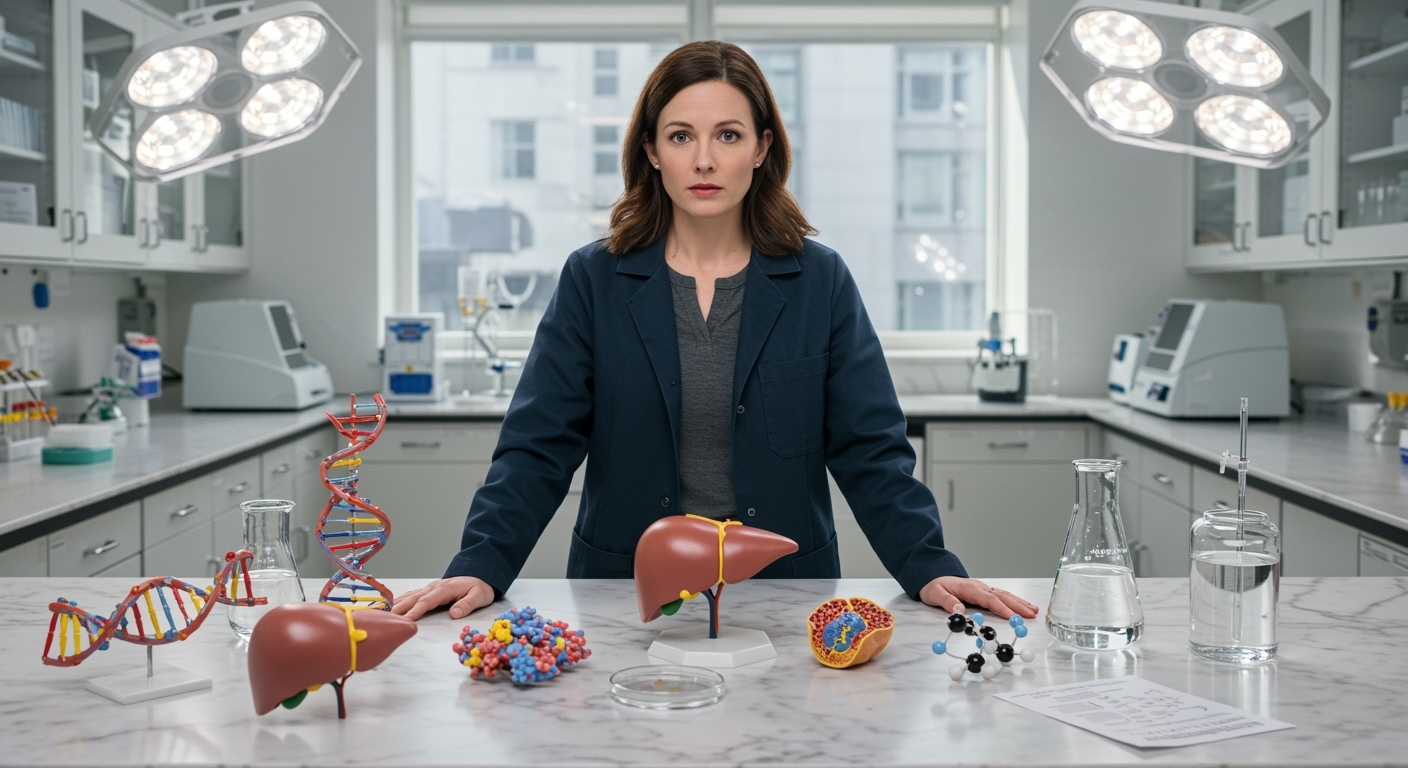
Researchers used special knockout cells that lack citrin to study what goes wrong.
They found ammonia levels shoot up inside these cells.
The ratio of NADH to NAD+ becomes severely skewed in the cytosol, which is the fluid inside cells.
This skewed ratio forces glycolysis to slow down dramatically.
Meanwhile, pathways that produce cholesterol and bile acids ramp up significantly.
The ability to burn fatty acids for energy tanks completely.
When researchers gave these cells a compound called nicotinamide riboside, the NADH ratio improved and fat burning increased, though ammonia stayed high.
✪ Note: The urea cycle problem exists separately from the shuttle defect, requiring different treatment approaches.
What Symptoms Appear Across Different Life Stages?
Citrin deficiency unfolds in three distinct phases throughout life.
Newborns develop a condition called neonatal intrahepatic cholestasis, or NICCD.
These babies show low birth weight, enlarged livers, poor bile flow, and fat accumulation in liver tissue.
They often suffer from anemia and dangerously low blood sugar.
Most babies outgrow this phase by age one when fed special lactose-free formulas rich in medium-chain triglycerides.
Between ages one and eleven, some children develop failure to thrive and dyslipidemia, or FTTDCD.
These kids face growth delays, constant fatigue, hypoglycemia, and abnormally high blood lipids.
They naturally shun carbohydrates while craving proteins and fats instead.
By adulthood, some develop citrullinemia type II, or CTLN2, which brings wild ammonia spikes, neuropsychiatric problems, and unexpected weight loss.
✪ Pro Tip: Triggers like alcohol, certain medications, or carb-heavy meals can spark dangerous ammonia crises in adults.
Why Do Patients Stay Lean Despite Eating More?
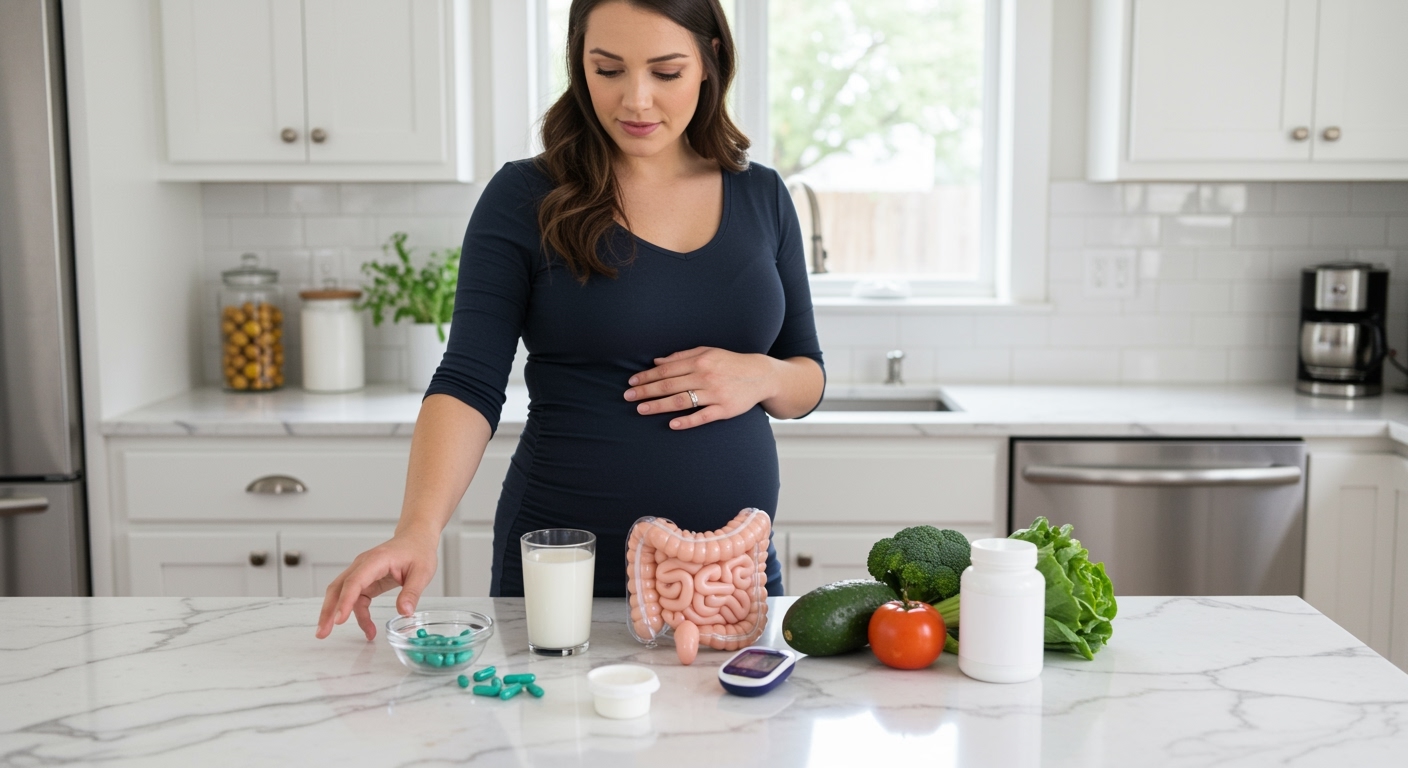
People with citrin deficiency naturally select high-fat, high-protein, low-carb diets.
One study found their energy intake reaches 115 percent of normal Japanese dietary standards.
Yet they avoid becoming overweight, which hints at inefficient carbohydrate metabolism.
Their typical protein to fat to carbohydrate ratio hits 20-22:47-51:28-32.
Female patients lean even more toward fat at 22:53:25, possibly avoiding CTLN2 more often.
This self-selected balance seems to counter the wonky metabolism they inherited from infancy.
Carbohydrates influence food choices most strongly, with females avoiding them most aggressively.
✪ Fact: Patients maintain normal or low BMI despite consuming more calories than healthy controls.
What Treatment Options Show Promise?
Oral aspartate or alanine supplements help curb ammonia by fueling the urea cycle.
These amino acids lower cytosolic NADH through conversion in the gut.
Mouse studies showed glycine plus sucrose spiked ammonia worst.
Ornithine combined with aspartate or alanine tamed ammonia levels best.
For NICCD, doctors prescribe fat-soluble vitamins and zinc supplements.
Severe cases rarely need liver transplants anymore.
CTLN2 now responds to medications like arginine, sodium pyruvate, and MCT oil rather than surgery alone.
Gene therapy research suggests swapping in a similar protein called aralar could restore shuttle activity.
This approach restored function in knockout mice and holds promise for human patients.
✪ Pro Tip: Avoiding sugar and alcohol prevents dangerous metabolic flares in people with citrin deficiency.
The Bottom Line
Citrin deficiency proves that fatty liver disease can strike lean people through pure genetic disruption.
One broken gene creates a lifetime of metabolic chaos, but smart food choices and targeted supplements offer real control.
Do you have questions about citrin deficiency or fatty liver disease? Share your thoughts in the comments below.
References
At NutritionCrown, we use quality and credible sources to ensure our content is accurate and trustworthy. Below are the sources referenced in writing this article:
- News Medical: Scientists unravel how citrin deficiency can trigger fat buildup in the liver
- Citrin Foundation: Publications about citrin deficiency research
- Metabolic Support UK: Citrin Deficiency condition overview
- Frontiers in Immunology: Malate-aspartate shuttle and systemic inflammation
- Clinical and Translational Medicine: Citrin deficiency metabolic profiling study