Is Metamucil Good for Fatty Liver? (Expert Answer)

Short Answer: Metamucil is good for fatty liver. Because it has psyllium husk and it can help reduce liver fat, inflammation, blood sugar, and cholesterol. Fatty liver is a condition that affects your liver. In fatty liver, your body stores too much fat in your liver cells. This can lead to inflammation, scarring, and damage to your liver. This can cause various health problems, such as cirrhosis, liver failure, and liver cancer. One of the key factors in managing fatty liver is diet. What you consume can affect your liver function, which can impact your fatty liver symptoms and overall health. To effectively manage fatty liver, you should consume fiber-rich foods like fruits, vegetables, and whole grains, and avoid saturated fat-rich foods like red meat, cheese, and butter. Now, Metamucil is a fiber supplement that contains psyllium husk, a type of soluble fiber derived from a plant. People usually take Metamucil with water or juice to relieve constipation or lower cholesterol. Metamucil is good for fatty liver because it contains psyllium husk, which can help reduce liver fat and inflammation. Psyllium husk can also lower blood sugar and cholesterol levels, which are risk factors for fatty liver. This is true for both alcoholic and nonalcoholic fatty liver. One tablespoon of Metamucil can give you about 3 grams of fiber, which is 12% of your daily needs. Psyllium husk can positively affect fatty liver by binding to bile acids in the intestine and preventing them from being reabsorbed into the bloodstream.
Is Lentil Soup Good for Constipation? (Expert Answer)

Short Answer: Lentil soup is good for constipation. Because it has dietary fiber and liquids, which can help soften and hydrate the stool and increase its bulk and frequency. Constipation is a condition that affects your bowel movements. In constipation, your body absorbs too much water from the stool, making it hard, dry and difficult to pass. This can lead to various health problems, such as hemorrhoids, anal fissures, fecal impaction and diverticular disease. One of the key factors in managing constipation is diet. What you consume can affect your stool consistency, which can impact your constipation symptoms and overall health. To effectively manage constipation, you should consume fiber-rich foods like fruits, vegetables, whole grains and legumes and avoid low-fiber foods like meat, cheese, processed foods and white bread. Now, lentil soup is a dish made with lentils, vegetables, spices and broth. People usually eat it as a main course or a side dish. Lentil soup is good for constipation because it contains dietary fiber, which can help soften the stool and increase its bulk. Fiber also helps stimulate the movement of the intestinal muscles, which can prevent or relieve constipation. One cup of lentil soup can give you about 8 grams of fiber, which is 32% of your daily needs. Fiber is not the only nutrient in lentil soup. It also provides protein, iron, folate, potassium and antioxidants, which can benefit your overall health. Fiber can positively affect constipation by improving stool quality and frequency. However, not all types

Are Cashews Good for CKD? (Expert Answer)

Short Answer: Cashews are good for CKD. Because they have healthy fats, protein, magnesium, and copper, and they can lower blood pressure, improve blood sugar control, prevent anemia, and support bone health. Chronic kidney disease (CKD) is a condition that affects your kidneys, which are the organs that filter wastes and excess fluids from your blood. In CKD, your body loses kidney function gradually over time. This can lead to various health problems, such as high blood pressure, anemia, weak bones, poor nutrition, nerve damage, and heart disease. One of the key factors in managing CKD is diet. What you consume can affect your blood sugar, blood pressure, cholesterol, and electrolyte levels, which can impact your CKD symptoms and overall health. To effectively manage CKD, you should consume fiber-rich foods like fruits, vegetables, and whole grains, and avoid sodium-rich foods like processed meats, canned soups, and salty snacks. Now, cashews are the seeds of the cashew tree, which are commonly eaten as a snack or used in recipes. People usually eat them raw, roasted, or salted, or use them to make cashew butter, cheese, or milk. Cashews are good for CKD because they contain healthy fats, protein, magnesium, and copper. These nutrients can help lower blood pressure, improve blood sugar control, prevent anemia, and support bone health. However, cashews are also high in potassium and phosphorus, which can be harmful for people with advanced CKD or those on dialysis. One ounce (28 grams) of unsalted cashews can give you 12

Is Beetroot Juice Good for Anemia? (Expert Answer)

Short Answer: Beetroot juice is good for anemia. Because it has iron and vitamin C, and they can increase the hemoglobin and red blood cell levels, and enhance the iron absorption in your blood. Anemia is a condition that affects your blood. In anemia, your body does not have enough healthy red blood cells or hemoglobin, which is the protein that carries oxygen throughout your body. This can lead to various health problems, such as fatigue, weakness, dizziness, shortness of breath, and increased risk of infections. One of the key factors in managing anemia is diet. What you consume can affect your iron levels, which can impact your anemia symptoms and overall health. To effectively manage anemia, you should consume iron-rich foods like red meat, spinach, and lentils, and avoid calcium-rich foods like dairy products, almonds, and broccoli. Now, beetroot juice is a drink made from the root vegetable beetroot. People usually drink beetroot juice for its health benefits, such as lowering blood pressure, improving athletic performance, and boosting immunity. Beetroot juice is good for anemia because it contains iron and vitamin C. Iron is the mineral that is essential for the production of hemoglobin and red blood cells. Vitamin C is the vitamin that helps increase the absorption of iron from plant sources, such as beetroot. Beetroot juice is good for all types of anemia that are caused by iron deficiency, such as iron deficiency anemia, pregnancy-related anemia, and chronic disease anemia. One cup of beetroot juice can give

Are Apples Good for Muscle Building? (Expert Answer)

Short Answer: Apples are good for muscle atrophy. Because they have quercetin, vitamin C, and fiber and they can reduce inflammation, boost immunity, and regulate blood sugar. Are Apples Good for Muscle Building? Muscle atrophy is a condition that affects your skeletal muscles. In muscle atrophy, your body breaks down muscle tissue faster than it can rebuild it. This can lead to various health problems, such as weakness, fatigue, reduced mobility, and increased risk of injury. One of the key factors in managing muscle atrophy is diet. What you consume can affect your protein synthesis, which can impact your muscle growth and recovery. To effectively manage muscle atrophy, you should consume protein-rich foods like eggs, chicken, fish, and dairy products and avoid alcohol-rich foods like beer, wine, and liquor. Now, apples are fruits that grow on trees. People usually eat them raw, cooked, or juiced. Apples are good for muscle atrophy because they contain quercetin, vitamin C, and fiber. Quercetin is a flavonoid that can help reduce muscle inflammation and enhance muscle recovery. Vitamin C is an antioxidant that can boost immune function and collagen synthesis, which are essential for muscle repair. Fiber can help regulate blood sugar levels and prevent insulin spikes, which can interfere with muscle growth. One medium apple can give you about 4.4 grams of fiber (15% of your daily needs), 8.4 milligrams of vitamin C (14% of your daily needs), and 4.2 milligrams of quercetin (no recommended intake established). Quercetin can positively affect muscle atrophy

Are Oranges Good for Weight Gain? (Expert Answer)

Short Answer: Oranges are good for weight gain. Because they have fiber, vitamin C, and antioxidants and they can help you feel full, boost your metabolism, and reduce inflammation. Weight gain is a condition that affects your body composition and health. In weight gain, your body stores excess calories as fat, which can increase your body mass index (BMI) and body fat percentage. This can lead to various health problems, such as obesity, diabetes, heart disease, and joint pain. One of the key factors in managing weight gain is diet. What you consume can affect your energy balance, which can impact your weight gain symptoms and overall health. To effectively manage weight gain, you should consume protein-rich foods like eggs, chicken, and beans and avoid sugar-rich foods like candy, soda, and pastries. Now, oranges are a type of citrus fruit that have a sweet and tangy flavor. People usually eat them raw, juice them, or add them to salads and desserts. Oranges are good for weight gain because they contain fiber, vitamin C, and antioxidants. Fiber can help you feel full and reduce your appetite, vitamin C can boost your immune system and metabolism, and antioxidants can protect your cells from oxidative stress and inflammation. One medium-sized (131-gram) orange can give you the following nutrients: Calories: 62Protein: 1.2 gramsFat: 0.2 gramsCarbs: 15.4 gramsFiber: 3.1 gramsVitamin C: 69% of the Daily Value (DV)Folate: 10% of the DV Fiber can positively affect weight gain by slowing down your digestion and increasing your

Are Chocolate Covered Raisins Good for Weight Loss? (Expert Answer)

Short Answer: Chocolate covered raisins are bad for obesity. Because they have high amounts of sugar and fat, and they can increase your calorie intake, blood glucose levels, cholesterol levels, and body fat percentage. Obesity is a condition that affects your body weight and fat distribution. In obesity, your body stores excess fat, especially around your abdomen, which can increase your risk of various health problems, such as diabetes, heart disease, stroke, and some cancers. One of the key factors in managing obesity is diet. What you consume can affect your calorie intake and expenditure, which can impact your obesity symptoms and overall health. To effectively manage obesity, you should consume fiber-rich foods like fruits, vegetables, and whole grains, and avoid sugar-rich foods like candies, cakes, and sodas. Now, chocolate covered raisins are dried grapes coated with chocolate. People usually eat them as a snack or a dessert. Chocolate covered raisins are bad for obesity because they contain high amounts of sugar and fat. Sugar and fat are both sources of calories, which can contribute to weight gain if consumed in excess. Sugar can also spike your blood glucose levels, which can lead to insulin resistance and diabetes. Fat can raise your cholesterol levels, which can increase your risk of heart disease and stroke. A 1/4 cup (50 g) of chocolate covered raisins can give you 211 calories, 8.9 g of fat (14% of your daily needs), 5.6 g of saturated fat (28% of your daily needs), and 30 g

Is Gabapentin Good for Arthritis Pain? (Expert Answer)

Short Answer: Gabapentin is bad for arthritis. Because it has no anti-inflammatory effects and it can cause side effects and complications that can worsen your arthritis. Arthritis is a condition that affects your joints, which are the places where your bones meet. In arthritis, your body’s immune system attacks your own joint tissues, causing inflammation, pain, stiffness, and damage. This can lead to various health problems, such as reduced mobility, disability, and increased risk of infections and heart disease. One of the key factors in managing arthritis is diet. What you consume can affect your inflammation levels, which can impact your arthritis symptoms and overall health. To effectively manage arthritis, you should consume anti-inflammatory foods like fruits, vegetables, nuts, and fish, and avoid pro-inflammatory foods like red meat, processed foods, sugar, and alcohol. Now, gabapentin is a medication that is used to treat nerve pain and seizures. People usually take it by mouth in the form of capsules, tablets, or liquid. Gabapentin is not a painkiller, but it works by changing the way your brain perceives pain signals. Gabapentin is bad for arthritis because it does not address the underlying cause of the pain, which is inflammation. Gabapentin may also have negative side effects, such as drowsiness, dizziness, weight gain, and swelling of the hands and feet. Gabapentin is not effective for all types of arthritis, especially those that involve autoimmune processes, such as rheumatoid arthritis and psoriatic arthritis. One capsule of gabapentin can give you 100 to 800 milligrams

Are Brussel Sprouts Bad for Gout? (Expert Answer)

Short Answer: Brussel sprouts are good for gout. Because they have vitamin C, fiber, and antioxidants and they can lower uric acid levels, flush out excess uric acid, fight inflammation, and protect your joints. Gout is a condition that affects your joints. In gout, your body produces too much uric acid, a waste product that forms crystals in your joints. This can lead to various health problems, such as pain, swelling, redness, and stiffness. One of the key factors in managing gout is diet. What you consume can affect your uric acid levels, which can impact your gout symptoms and overall health. To effectively manage gout, you should consume vitamin C rich foods like oranges, strawberries, and bell peppers and avoid purine rich foods like red meat, alcohol, and certain types of fish and shellfish. Now, brussel sprouts are a type of cruciferous vegetable that look like mini cabbages. People usually cook them by boiling, roasting, or sautéing them. Brussel sprouts are good for gout because they contain vitamin C, fiber, and antioxidants. Vitamin C can help lower uric acid levels and prevent gout attacks. Fiber can help flush out excess uric acid and improve digestion. Antioxidants can help fight inflammation and protect your cells from damage. One cup of cooked brussel sprouts can give you 124% of your daily vitamin C needs, 15% of your daily fiber needs, and 10% of your daily vitamin K needs. Vitamin C can positively affect gout by reducing the production and increasing the

Foxtail Millet: Is It Really Good For Hypothyroidism? (Expert Answer)

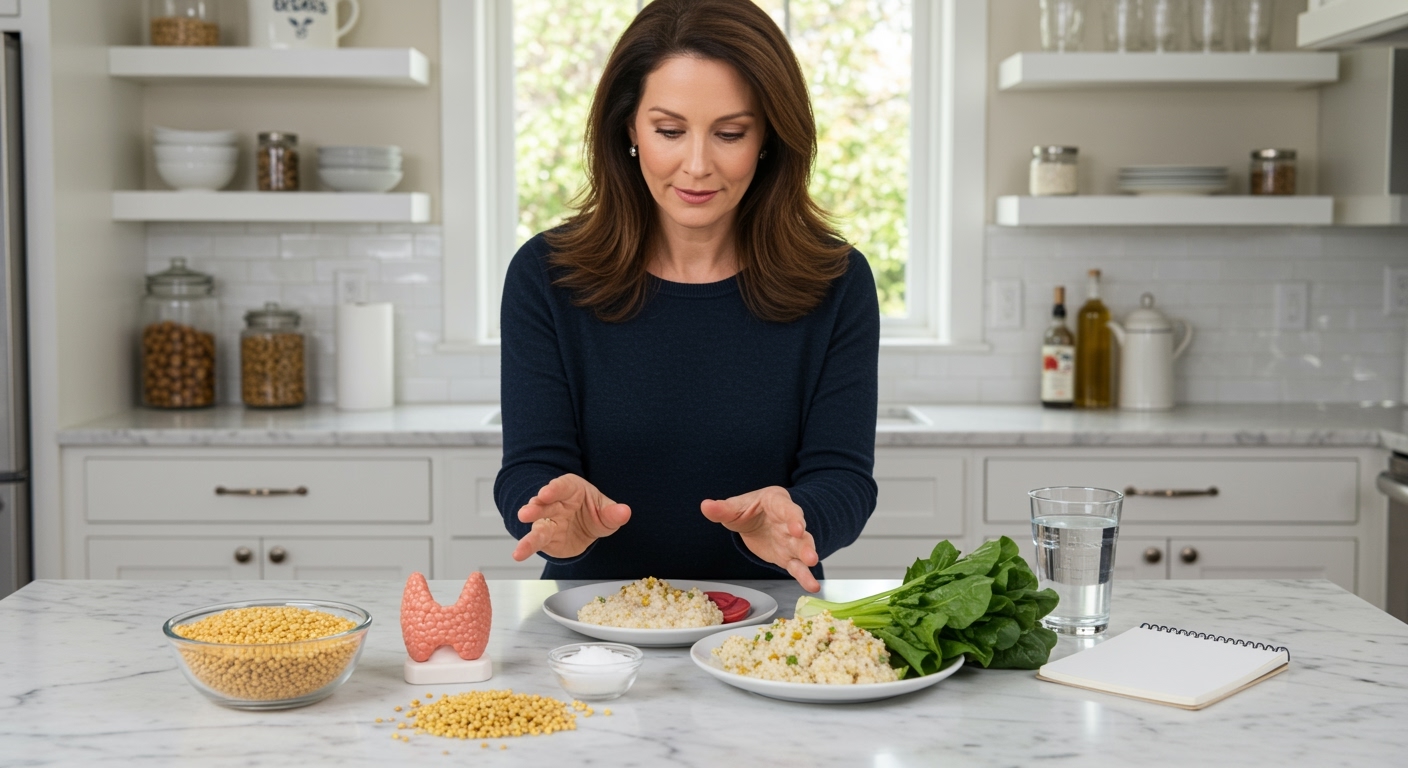
Middle-aged woman in navy sweater arranging foxtail millet grains, thyroid model, and healthy foods on white marble countertop

✪ Key Takeaway: Foxtail millet can support hypothyroidism management when paired with adequate iodine intake and thyroid medication. Introduction You have probably heard that foxtail millet is a superfood that can fix your thyroid problems. You might be asking this question because you are tired of feeling exhausted, gaining weight, and struggling with hypothyroidism symptoms despite trying different diets. Hi, I am Abdur, your nutrition coach and today I am going to explain whether foxtail millet truly helps hypothyroidism or if it is just another overhyped grain that could actually harm your thyroid function. What Makes Foxtail Millet Different From Other Grains? Foxtail millet is an ancient grain that has been cultivated in Asia for thousands of years. This small yellow grain looks similar to quinoa but belongs to the millet family of grasses. It contains about 12 grams of protein per 100 grams, which is higher than most other grains like rice or wheat. The grain is naturally gluten-free, making it suitable for people with celiac disease or gluten sensitivity. Foxtail millet provides significant amounts of iron, magnesium, phosphorus, and B vitamins that support various metabolic functions in your body. The fiber content in foxtail millet helps regulate blood sugar levels and supports digestive health. What sets this grain apart is its low glycemic index of around 50, which means it does not cause rapid spikes in blood sugar like white rice or refined wheat products. ✪ Fact: Foxtail millet was one of the first crops domesticated in China