Is Milk Chocolate Good for Constipation? (Expert Answer)

Short Answer: Milk chocolate is bad for constipation. Because it has high amounts of fat and sugar and low amounts of fiber and they can slow down the intestinal transit, dehydrate the stool, and reduce the stool volume. Constipation is a condition that affects your digestive system. In constipation, your body has difficulty passing stool or passes stool less often than usual. This can lead to various health problems, such as hemorrhoids, anal fissures, fecal impaction, or bowel obstruction. One of the key factors in managing constipation is diet. What you consume can affect your bowel movements, which can impact your constipation symptoms and overall health. To effectively manage constipation, you should consume fiber-rich foods like fruits, vegetables, whole grains, and legumes and avoid low-fiber foods like cheese, meat, and processed foods. Now, milk chocolate is a type of chocolate that contains cocoa solids, cocoa butter, milk, and sugar. People usually eat milk chocolate as a snack or a dessert. Milk chocolate is bad for constipation because it contains high amounts of fat and sugar. Fat can slow down the movement of food through the intestines, while sugar can draw water from the stool, making it harder and drier. 100 grams of milk chocolate can give you 535 calories, 30 grams of fat (46% of your daily needs), 52 grams of sugar (104% of your daily needs), and only 3.4 grams of fiber (14% of your daily needs). Fat can negatively affect constipation by reducing the contractions of the intestinal
Are Cheerios Good for CKD? (Expert Answer)

Short Answer: Cheerios is good for CKD. Because it has oat fiber, iron, and vitamin C, and they can lower your blood sugar and cholesterol, prevent or treat anemia, and protect your blood vessels. CKD is a condition that affects your kidneys. In CKD, your body cannot filter wastes and excess fluids from your blood properly. This can lead to various health problems, such as high blood pressure, anemia, weak bones, nerve damage, and cardiovascular disease. One of the key factors in managing CKD is diet. What you consume can affect your blood sugar, blood pressure, electrolytes, and kidney function, which can impact your CKD symptoms and overall health. To effectively manage CKD, you should consume fiber-rich foods like oats, fruits, and vegetables, and avoid sodium-rich foods like processed meats, canned soups, and fast foods. Now, Cheerios is a brand of cereal that consists of pulverized oats in the shape of a solid torus. People usually eat Cheerios with milk or yogurt for breakfast or as a snack. Cheerios is good for CKD because it contains oat fiber, iron, and vitamin C. One cup (28g) of Cheerios can give you 3g of fiber (12% of your daily needs), 45mg of iron (346% of your daily needs), and 10mg of vitamin C (12% of your daily needs). Oat fiber can help lower your blood sugar and cholesterol levels, which can reduce the risk of diabetes and heart disease, two common complications of CKD. Iron can help prevent or treat anemia, a

Is Beetroot Good for Anemia? (Expert Answer)

Short Answer: Beetroot is good for anemia. Because it has iron, folate, and nitrates, and they can increase your hemoglobin and red blood cell levels, prevent megaloblastic anemia, and improve your blood flow and oxygen delivery. Anemia is a condition that affects your blood. In anemia, your body does not have enough healthy red blood cells or hemoglobin to carry oxygen to your tissues. This can lead to various health problems, such as fatigue, weakness, dizziness, shortness of breath, and increased risk of infections. One of the key factors in managing anemia is diet. What you consume can affect your iron levels, which can impact your anemia symptoms and overall health. To effectively manage anemia, you should consume iron-rich foods like meat, poultry, fish, eggs, and fortified cereals and avoid calcium-rich foods like dairy products, spinach, and rhubarb. Now, beetroot is a root vegetable that has a deep red or purple color. People usually eat it raw, cooked, or pickled, or drink its juice. Beetroot is good for anemia because it contains iron, folate, and nitrates. Iron is essential for making hemoglobin and red blood cells. Folate is a vitamin that helps prevent certain types of anemia. Nitrates are compounds that help improve blood flow and oxygen delivery. One cup of raw beetroot can give you 6% of your daily iron needs, 34% of your daily folate needs, and 13% of your daily nitrates needs. Iron can increase your hemoglobin and red blood cell levels and reduce your anemia symptoms.

Are Apples Good for Muscle Building? (Expert Answer)

Short Answer: Apples are good for muscle atrophy. Because they have polyphenols, vitamin C, and fiber and they can protect, repair, and grow muscle tissue. Muscle atrophy is a condition that affects your skeletal muscles. In muscle atrophy, your body breaks down muscle tissue faster than it can rebuild it. This can lead to various health problems, such as weakness, fatigue, reduced mobility, and increased risk of injury. One of the key factors in managing muscle atrophy is diet. What you consume can affect your protein synthesis, which can impact your muscle mass and strength. To effectively manage muscle atrophy, you should consume protein-rich foods like eggs, chicken, fish, and dairy products and avoid alcohol-rich foods like beer, wine, and liquor. Now, apples are fruits that have a sweet and crunchy taste. People usually eat them raw, cooked, or juiced. Apples are good for muscle atrophy because they contain polyphenols, vitamin C, and fiber. Polyphenols are antioxidants that can protect muscle cells from oxidative stress and inflammation. Vitamin C is a cofactor for collagen synthesis, which is important for muscle repair and growth. Fiber can help regulate blood sugar levels and prevent insulin resistance, which can impair muscle function. One medium apple (182 g) can give you 4.4 g of fiber (16% of your daily needs), 8.4 mg of vitamin C (14% of your daily needs), and 0.5 mg of polyphenols (no recommended intake). Fiber can positively affect muscle atrophy by improving metabolic health and reducing inflammation. Vitamin C can

Are Potatoes Good for Weight Gain? (Expert Answer)

Short Answer: Potatoes are bad for obesity. Because they have a lot of carbohydrates and starch, and they can increase your calorie intake, blood sugar levels, and fat storage. Obesity is a condition that affects your body weight and fat distribution. In obesity, your body stores excess fat, especially around your waist and organs. This can lead to various health problems, such as type 2 diabetes, heart disease, high blood pressure, and some cancers. One of the key factors in managing obesity is diet. What you consume can affect your calorie intake, which can impact your weight and health. To effectively manage obesity, you should consume high-fiber and low-calorie foods like fruits, vegetables, and whole grains, and avoid high-fat and high-sugar foods like fried foods, sweets, and sodas. Now, potatoes are a type of starchy vegetable that grow underground. People usually eat them boiled, baked, or fried, and sometimes add butter, cheese, or sour cream to them. Potatoes are bad for obesity because they contain a lot of carbohydrates and have a high glycemic index This means that they can raise your blood sugar levels quickly and make you feel hungry again soon. If you eat too many potatoes, you may consume more calories than you need, which can lead to weight gain. Potatoes are also bad for people with diabetes, as they can worsen their blood sugar control. One medium potato (173 grams) can give you 168 calories, 37 grams of carbs, 4 grams of fiber, and 5 grams

Is Queso Fresco Good for Weight Loss? (Expert Answer)

Short Answer: Queso fresco is good for obesity. Because it has protein and calcium, which can help you lose weight and strengthen your bones. Obesity is a condition that affects your body weight and health. In obesity, your body stores excess fat, especially around your waist, which can increase your risk of various health problems, such as diabetes, heart disease, stroke, and some cancers. One of the key factors in managing obesity is diet. What you consume can affect your calorie intake, which can impact your weight and health. To effectively manage obesity, you should consume protein-rich foods like lean meat, eggs, and beans, and avoid sugar-rich foods like soda, candy, and pastries. Now, queso fresco is a traditional Mexican cheese made with raw cow’s milk or a combination of cow and goat milk. It is slightly salty and tangy in taste and adds a good balance to spicy dishes. People usually crumble it over tacos, salads, soups, or eat it as a snack. Queso fresco is good for obesity because it contains protein and calcium, which are beneficial for weight loss and bone health. A cup of crumbled queso fresco can give you 25 grams of protein (50% of your daily needs) and 400 milligrams of calcium (40% of your daily needs). Protein can help you feel full and satisfied, reduce your appetite and cravings, and boost your metabolism and muscle mass. Calcium can help you burn more fat and prevent fat accumulation, especially around your waist. Furthermore, queso

Is Cucumber Good for Arthritis? (Expert Answer)

Short Answer: Cucumber is good for arthritis. Because it has vitamin C, vitamin K, magnesium, potassium, and manganese, and they can help reduce inflammation, support cartilage health, and prevent oxidative stress in your joints. Arthritis is a condition that affects your joints, which are the places where two bones meet in your body. In arthritis, your body’s immune system attacks the lining of your joints, causing inflammation, pain, and stiffness. This can lead to various health problems, such as joint damage, reduced mobility, and increased risk of infections. One of the key factors in managing arthritis is diet. What you consume can affect your inflammation levels, which can impact your arthritis symptoms and overall health. To effectively manage arthritis, you should consume anti-inflammatory foods like fruits, vegetables, fish, and nuts, and avoid pro-inflammatory foods like red meat, dairy, sugar, and processed foods. Now, cucumber is a fruit that belongs to the gourd family. People usually eat it raw in salads, sandwiches, or as a snack. Cucumber is good for arthritis because it contains vitamin C, vitamin K, magnesium, potassium, and manganese. These nutrients can help reduce inflammation, support cartilage health, and prevent oxidative stress in your joints. One cup of sliced cucumber can give you 16% of your daily vitamin C, 19% of your daily vitamin K, 4% of your daily magnesium, 5% of your daily potassium, and 4% of your daily manganese. Vitamin C can help boost your immune system and collagen production, which are essential for joint health.

Are Black Olives Good for Gout? (Expert Answer)

Short Answer: Black olives are good for gout. Because they have oleic acid and they can lower inflammation and uric acid levels. Gout is a condition that affects your joints, especially the big toe. In gout, your body produces too much uric acid, a waste product that forms sharp crystals in your joints. This can lead to various health problems, such as inflammation, pain, swelling, and kidney stones. One of the key factors in managing gout is diet. What you consume can affect your uric acid levels, which can impact your gout symptoms and overall health. To effectively manage gout, you should consume foods rich in vitamin C, such as citrus fruits, bell peppers, and broccoli, and foods rich in antioxidants, such as cherries, berries, and dark chocolate. You should avoid foods rich in purines, such as red meat, organ meats, seafood, and beer. Now, black olives are the fruits of the olive tree, which are harvested when fully ripe and cured in brine, oil, or salt. People usually eat them as a snack, appetizer, or ingredient in salads, pizzas, and sandwiches. Black olives are good for gout because they contain oleic acid, a monounsaturated fatty acid that can lower inflammation and uric acid levels. However, they also contain sodium, which can raise blood pressure and worsen kidney function. One ounce of black olives can give you 2.5 grams of fat (mostly oleic acid), 1.5 grams of fiber, and 115 milligrams of sodium (5% of your daily needs). Oleic acid

Green Tea: Is It Even Safe For Hypothyroidism? (Expert Answer)

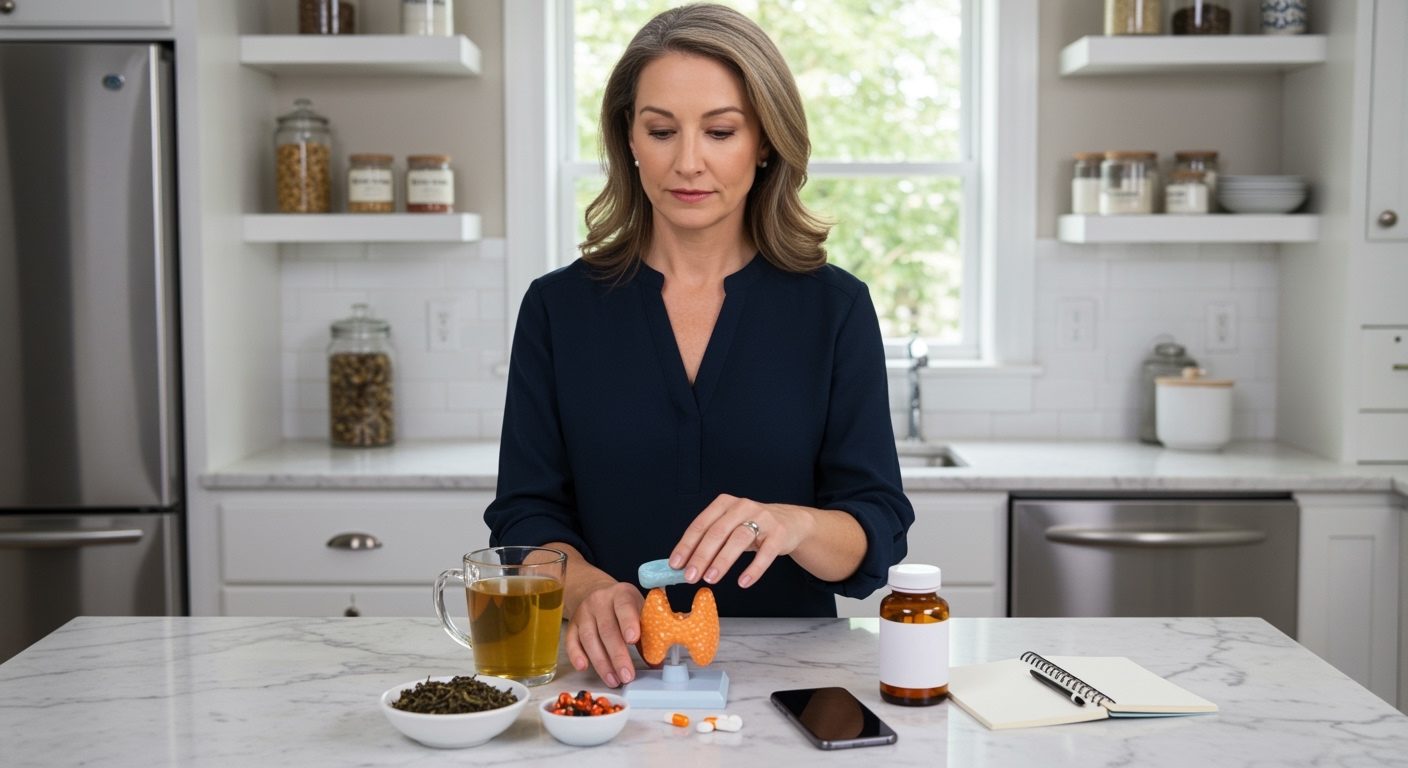
Woman holding green tea cup and pill bottle on marble counter with thyroid model, clock, and notebook in bright kitchen setting.

✪ Key Takeaway: Green tea is safe for hypothyroidism when consumed at least four hours away from thyroid medication. Introduction You probably heard that green tea might interfere with your thyroid medication and now you are confused about whether you should give it up completely. This question comes up because many people with hypothyroidism love their morning cup of green tea but worry it might be sabotaging their treatment without them knowing it. Hi, I am Abdur, your nutrition coach and today I am going to explain exactly how green tea affects hypothyroidism, what the research actually says, and the simple timing strategy that lets you enjoy both your tea and optimal thyroid health. Does Green Tea Actually Interfere With Thyroid Medication? The short answer is yes, but only when you drink it at the wrong time. Green tea contains compounds called catechins, particularly one named epigallocatechin gallate or EGCG, which can bind to thyroid medication in your digestive system. When this binding happens, your body cannot absorb the medication properly, which means less of it reaches your bloodstream where it needs to work. Research shows that consuming green tea within a few hours of taking levothyroxine (the most common thyroid medication) can reduce its absorption by up to 27 percent. This reduction happens because the catechins form complexes with the medication molecules, making them too large to pass through your intestinal walls efficiently. The good news is this interference is completely preventable with proper timing strategies that I will

Are Beans Good for Hyperthyroidism? (Expert Answer)

Short Answer: Beans are good for hyperthyroidism because they have protein, fiber, and minerals, and they can help regulate your appetite, metabolism, cholesterol, blood sugar, bone health, blood production, muscle function, inflammation, and immune system. Hyperthyroidism is a condition that affects your thyroid gland, which is located at the front of your neck. In hyperthyroidism, your body produces too much thyroid hormone, which speeds up your metabolism and causes various symptoms. This can lead to health problems such as irregular heartbeat, weight loss, anxiety, and eye problems. One of the key factors in managing hyperthyroidism is diet. What you consume can affect your thyroid function, which can impact your hyperthyroidism symptoms and overall health. To effectively manage hyperthyroidism, you should consume foods rich in antioxidants, such as berries, cruciferous vegetables, and fish, and avoid foods high in iodine, such as seaweed, dairy products, and iodized salt. Now, beans are the seeds of plants in the legume family, which are used as vegetables for human or animal food. They can be cooked in many different ways, such as boiling, frying, and baking, and are used in many traditional dishes throughout the world. Beans are good for hyperthyroidism because they contain protein, fiber, and minerals, such as iron, calcium, and magnesium. Protein and fiber can help you feel full and prevent overeating, which can help with weight management. Iron, calcium, and magnesium can support your bone health, blood production, and muscle function, which can be affected by hyperthyroidism. One cup of cooked