✪ Key Takeaway: Bajra helps manage diabetes by slowing glucose absorption and improving insulin sensitivity through its high fiber and resistant starch content.
Introduction
Your grandmother probably ate bajra regularly without knowing it was a diabetes superfood.
You might be asking this question because your doctor told you to switch from white rice to healthier grains, or maybe you saw someone in your family reverse their prediabetes with simple food changes.
Hi, I’m Abdur, your nutrition coach, and today I’m going to explain exactly how bajra affects your blood sugar and whether it deserves a permanent spot on your plate.
What Makes Bajra Different From Regular Grains?
Bajra, also called pearl millet, is an ancient grain that has fed millions of people in Asia and Africa for over 4,000 years.
Unlike refined grains that spike your blood sugar within minutes, bajra contains a thick outer layer that takes longer to break down in your digestive system.
This grain packs about 11 grams of dietary fiber per 100 grams, which is nearly three times more than white rice.
The fiber in bajra forms a gel-like substance in your intestines that slows down the absorption of glucose into your bloodstream.
Research published in Frontiers in Nutrition found that regular millet consumption significantly improved fasting blood glucose levels in people with type 2 diabetes.
Bajra also contains resistant starch, a special type of carbohydrate that your small intestine cannot fully digest.
This resistant starch reaches your colon intact where beneficial bacteria ferment it, producing compounds that improve insulin sensitivity throughout your body.
✪ Fact: Bajra has a glycemic index of 54, making it a low-GI food that causes minimal blood sugar spikes compared to white rice at 73.
How Does Bajra Actually Control Blood Sugar?
When you eat bajra, the complex carbohydrates take significantly longer to break down into simple sugars than refined grains do.
Your digestive enzymes must work harder to penetrate the fiber-rich structure, which means glucose enters your bloodstream gradually instead of flooding it all at once.
This gradual release prevents the sharp insulin spikes that damage your pancreatic beta cells over time.
A study in the Journal of Diabetes found that people who replaced refined grains with millets like bajra showed a 12-15% reduction in HbA1c levels after three months.
Bajra contains magnesium, a mineral that plays a crucial role in insulin secretion and glucose uptake by your cells.
Many people with diabetes are deficient in magnesium, and this deficiency makes blood sugar control even harder.
One cup of cooked bajra provides about 25% of your daily magnesium needs, helping your body use insulin more effectively.
✪ Pro Tip: Soak bajra grains overnight before cooking to reduce cooking time and improve mineral absorption in your gut.
What Does Science Say About Bajra And Diabetes?
Multiple clinical trials have tested bajra’s effects on blood sugar control with impressive results.
A 2024 study published in Cureus examined 180 diabetic patients who added millet-based foods to their daily diet for six months.
The participants experienced an average fasting glucose reduction of 28 mg/dL and a postprandial glucose drop of 42 mg/dL.
Research from PMC showed that bajra consumption improved insulin sensitivity markers and reduced inflammatory compounds linked to diabetes complications.
The polyphenols in bajra act as antioxidants that protect your pancreatic cells from oxidative stress caused by chronic high blood sugar.
Scientists believe these compounds work by activating specific enzymes that help your cells respond better to insulin signals.
However, not all studies show dramatic results, and individual responses vary based on overall diet quality, physical activity, and medication adherence.
✪ Note: Bajra works best as part of a complete diabetes management plan that includes portion control and regular exercise.
How Much Bajra Should You Eat For Diabetes Control?
The ideal amount depends on your total daily carbohydrate allowance, which varies based on your activity level and medication regimen.
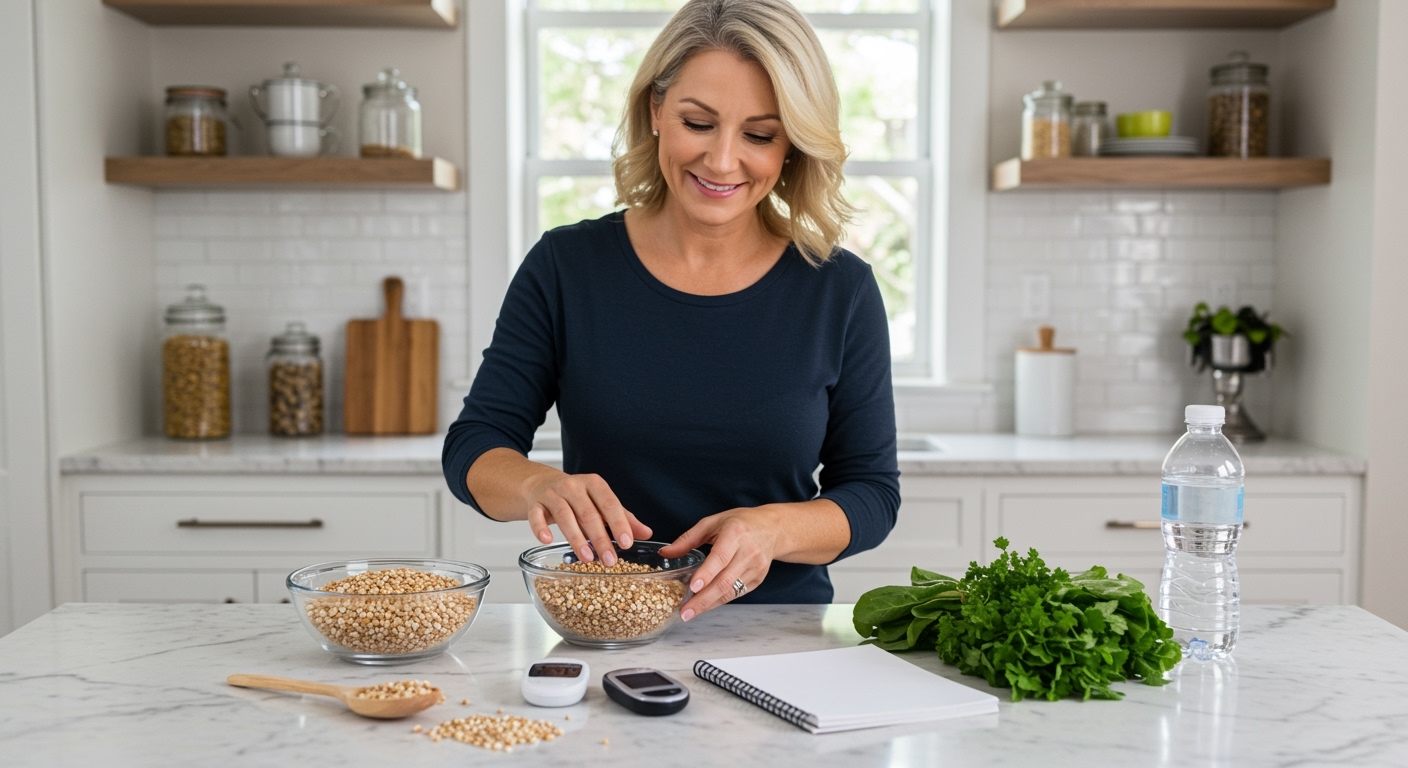
Most nutrition experts recommend starting with a half-cup serving of cooked bajra, which contains about 35 grams of carbohydrates.
You can gradually increase this to one cup per meal if your blood sugar readings remain stable.
Always pair bajra with protein sources like lentils, chicken, or paneer to further slow down glucose absorption.
Adding healthy fats from nuts or ghee also helps moderate the blood sugar response.
I recommend eating bajra during lunch or dinner rather than breakfast because your insulin sensitivity is typically better earlier in the day for handling other foods.
Monitor your blood sugar two hours after eating bajra for the first few times to understand how your body responds to this grain.
✪ Pro Tip: Cook bajra with vegetables and spices to increase the nutrient density while keeping the carbohydrate load manageable.
Are There Any Downsides To Eating Bajra?
Bajra contains compounds called goitrogens that can interfere with thyroid function when consumed in very large amounts.
However, cooking bajra significantly reduces these compounds, and moderate consumption poses no risk for most people.
If you have an existing thyroid condition, talk to your doctor before making bajra a daily staple.
Some people experience digestive discomfort when they first start eating bajra because their gut bacteria need time to adapt to the high fiber content.
Start with small portions and gradually increase the amount over two to three weeks to avoid bloating or gas.
Bajra is naturally gluten-free, making it an excellent choice for people with celiac disease or gluten sensitivity who also have diabetes.
Remember that bajra alone cannot reverse diabetes, and you still need to manage your overall calorie intake and lifestyle factors.
✪ Note: Always wash bajra thoroughly before cooking to remove any dust or debris that might have accumulated during storage.
The Bottom Line
Bajra can definitely help manage diabetes when you use it as a smart replacement for refined grains in your regular meals.
The best grain for diabetes is the one you actually eat consistently with proper portion control.
I would love to hear about your experience with bajra or any questions you have about incorporating it into your diabetes management plan, so please share your thoughts in the comments below.
References
At NutritionCrown, we use quality and credible sources to ensure our content is accurate and trustworthy. Below are the sources referenced in writing this article:
- Frontiers in Nutrition: Millet Consumption and Diabetes Management
- PMC: Pearl Millet and Blood Glucose Control
- Cureus: Managing Diabetes Mellitus with Millets
- Dr Mohan’s Diabetes: Can Bajra Help Manage Diabetes