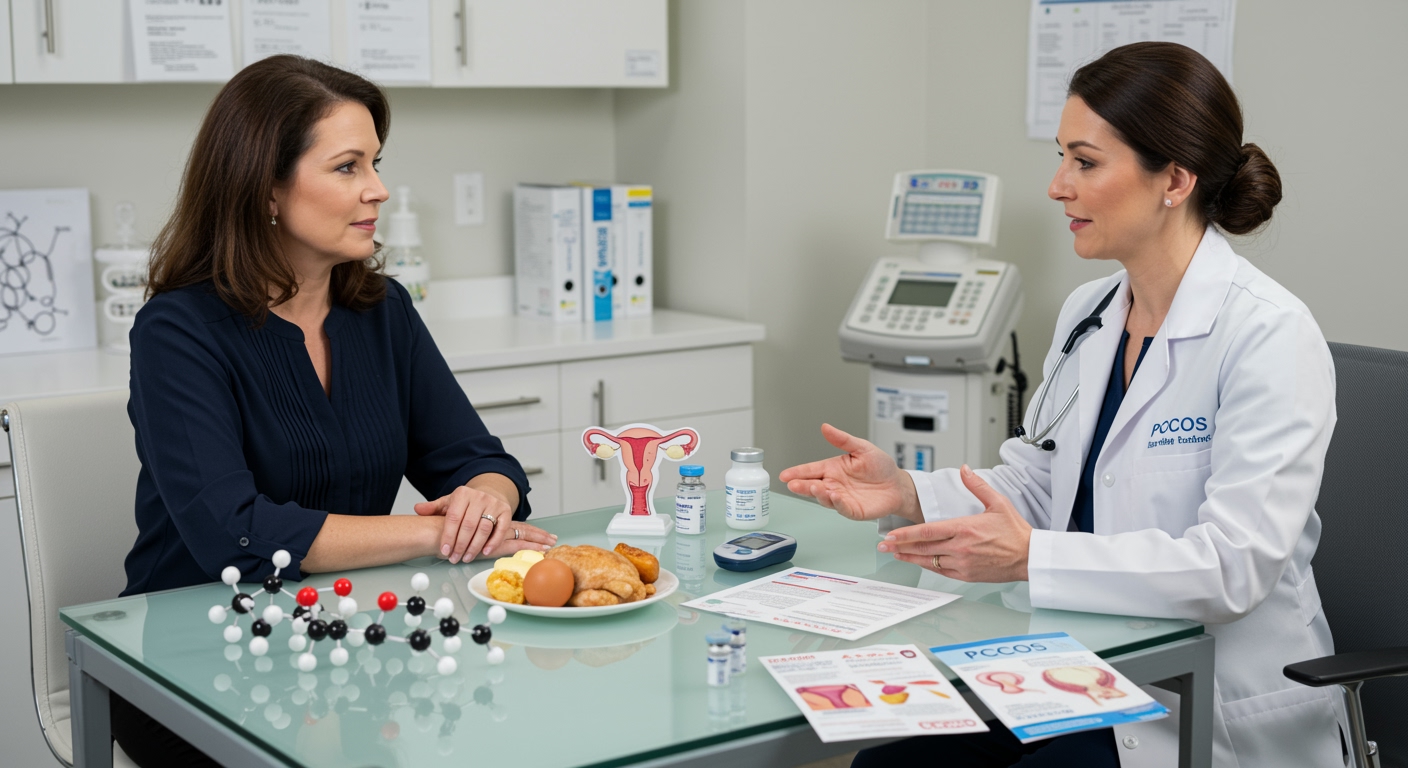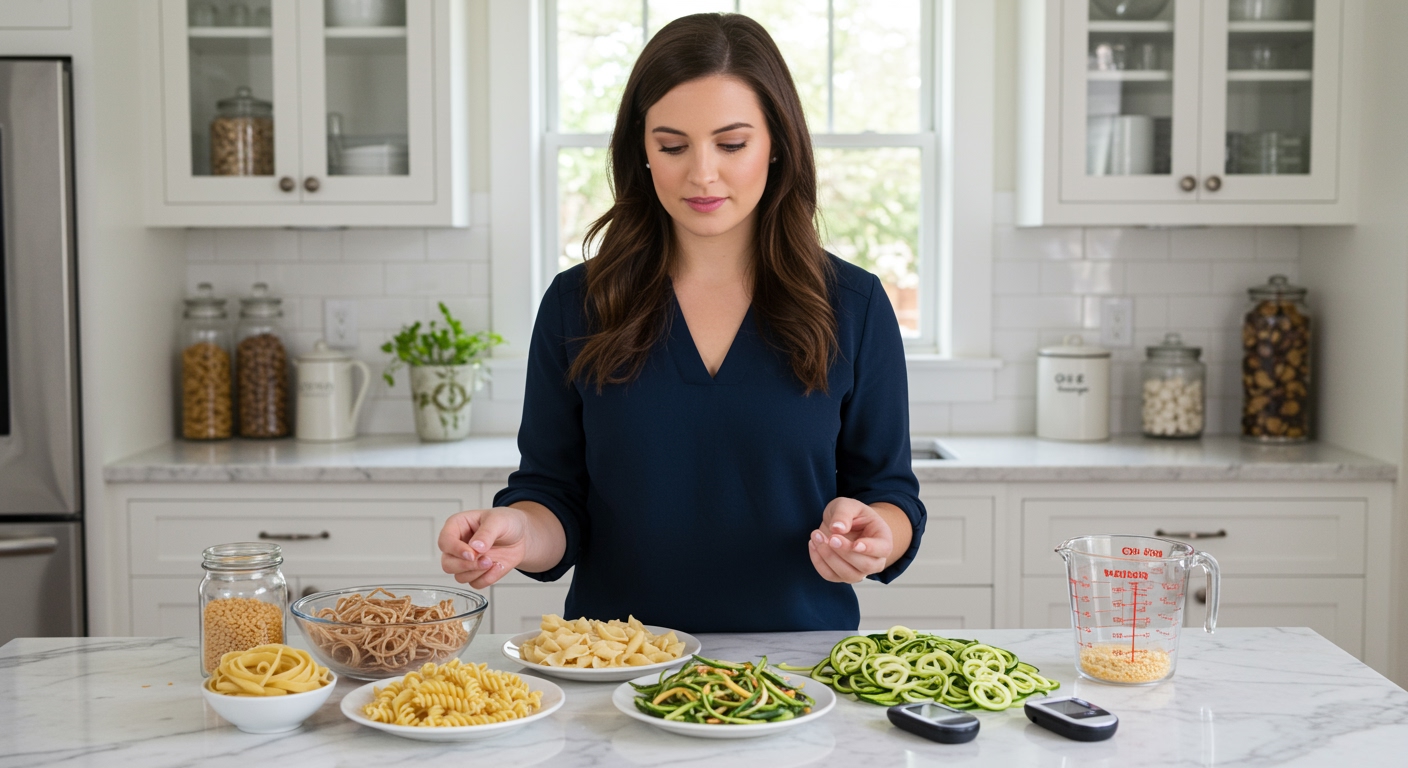
✪ Key Takeaway: Pasta is not always bad for PCOS when you choose whole grain, legume-based, or low glycemic options in proper portions.
Introduction
You stare at that box of pasta in your pantry and wonder if eating it will make your PCOS symptoms worse.
Many women with PCOS believe they must completely avoid pasta because of its reputation for spiking blood sugar and worsening insulin resistance.
Hi, I am Abdur, your nutrition coach and today I am going to explain why pasta does not have to be your enemy when you have PCOS.
Does All Pasta Affect PCOS The Same Way?
Not all pasta creates the same blood sugar response in your body.
Refined white pasta made from processed wheat flour causes rapid spikes in blood glucose levels.
This quick rise in blood sugar triggers your pancreas to release large amounts of insulin to bring glucose levels back down.
Women with PCOS often have insulin resistance, meaning their cells do not respond properly to insulin signals.
When insulin cannot effectively move glucose into cells, your body produces even more insulin, creating a vicious cycle.
Higher insulin levels worsen PCOS symptoms by increasing androgen production, disrupting ovulation, and promoting weight gain around the midsection.
✪ Fact: White pasta has a glycemic index of 50-55, while whole wheat pasta ranges from 35-45, creating less blood sugar impact.
Which Types Of Pasta Work Better For PCOS?
Whole grain pasta contains more fiber, protein, and nutrients than refined versions.
The fiber in whole grain pasta slows down glucose absorption, preventing sharp blood sugar spikes.
Legume-based pasta made from lentils, chickpeas, or black beans provides even better blood sugar control.
These alternatives contain significantly more protein and fiber than traditional wheat pasta.
Higher protein content helps stabilize blood sugar levels and keeps you feeling full longer.
Shirataki noodles made from konjac root contain almost zero carbohydrates and calories, making them excellent for blood sugar management.
Zucchini noodles and other vegetable-based alternatives provide nutrients without the carbohydrate load that affects insulin levels.
✪ Pro Tip: Lentil pasta contains 25 grams of protein per serving compared to only 8 grams in regular pasta.
How Much Pasta Can You Eat With PCOS?
Portion control plays a crucial role in how pasta affects your PCOS symptoms.
A proper serving size is about one cup cooked pasta, which equals roughly 45 grams of carbohydrates.
Many restaurants serve 2-3 times this amount, which can overwhelm your body with excess carbohydrates.
Eating large portions of any pasta, even whole grain varieties, can still cause problematic blood sugar spikes.
Your individual carbohydrate tolerance depends on factors like your current insulin sensitivity, activity level, and overall health status.
Some women with PCOS can handle one cup of whole grain pasta without issues, while others may need to stick to half-cup portions.
✪ Note: Use a measuring cup initially to learn what proper pasta portions look like on your plate.
What Should You Pair With Pasta For Better Blood Sugar Control?
Adding protein and healthy fats to your pasta meals significantly improves blood sugar response.
Protein sources like grilled chicken, turkey meatballs, or salmon slow down carbohydrate absorption.
Healthy fats from olive oil, avocado, or nuts further reduce the glycemic impact of your meal.
Non-starchy vegetables like broccoli, spinach, bell peppers, and zucchini add fiber and nutrients without raising blood sugar.
The combination of protein, fat, and fiber creates a more balanced meal that prevents insulin spikes.
Eating your vegetables and protein first, then finishing with pasta, can further improve blood sugar control.
This eating order slows gastric emptying and reduces the rate at which carbohydrates enter your bloodstream.
✪ Pro Tip: Aim for your pasta to make up only one-quarter of your plate, with vegetables filling half and protein filling the remaining quarter.
When Is The Best Time To Eat Pasta With PCOS?
Meal timing can influence how your body handles carbohydrates from pasta.
Your body tends to be more insulin sensitive earlier in the day, making lunch a better choice than dinner for pasta meals.
Eating pasta after physical activity allows your muscles to use glucose more efficiently for energy replenishment.
Your muscle cells become more receptive to insulin after exercise, improving glucose uptake.
Avoid eating pasta late at night when your metabolism slows down and insulin sensitivity naturally decreases.
If you must eat pasta for dinner, try to finish your meal at least 3 hours before bedtime.
✪ Fact: Insulin sensitivity is typically 25-30% higher in the morning compared to evening hours.
The Bottom Line
Pasta does not have to be completely eliminated from your diet when you have PCOS.
Smart choices create healthy outcomes, even with foods you thought were forbidden.
I would love to hear about your experiences with different pasta types and how they affect your PCOS symptoms, so please share your thoughts in the comments below.
References
At NutritionCrown, we use quality and credible sources to ensure our content is accurate and trustworthy. Below are the sources referenced in writing this article:
- Healthline: PCOS Diet: How It Can Help
- Clear Passage: PCOS and the Low GI Diet
- PCOS Awareness Association: PCOS Diet: How Diet Affects PCOS
- Women’s Health Hub: What to Eat if You Have PCOS