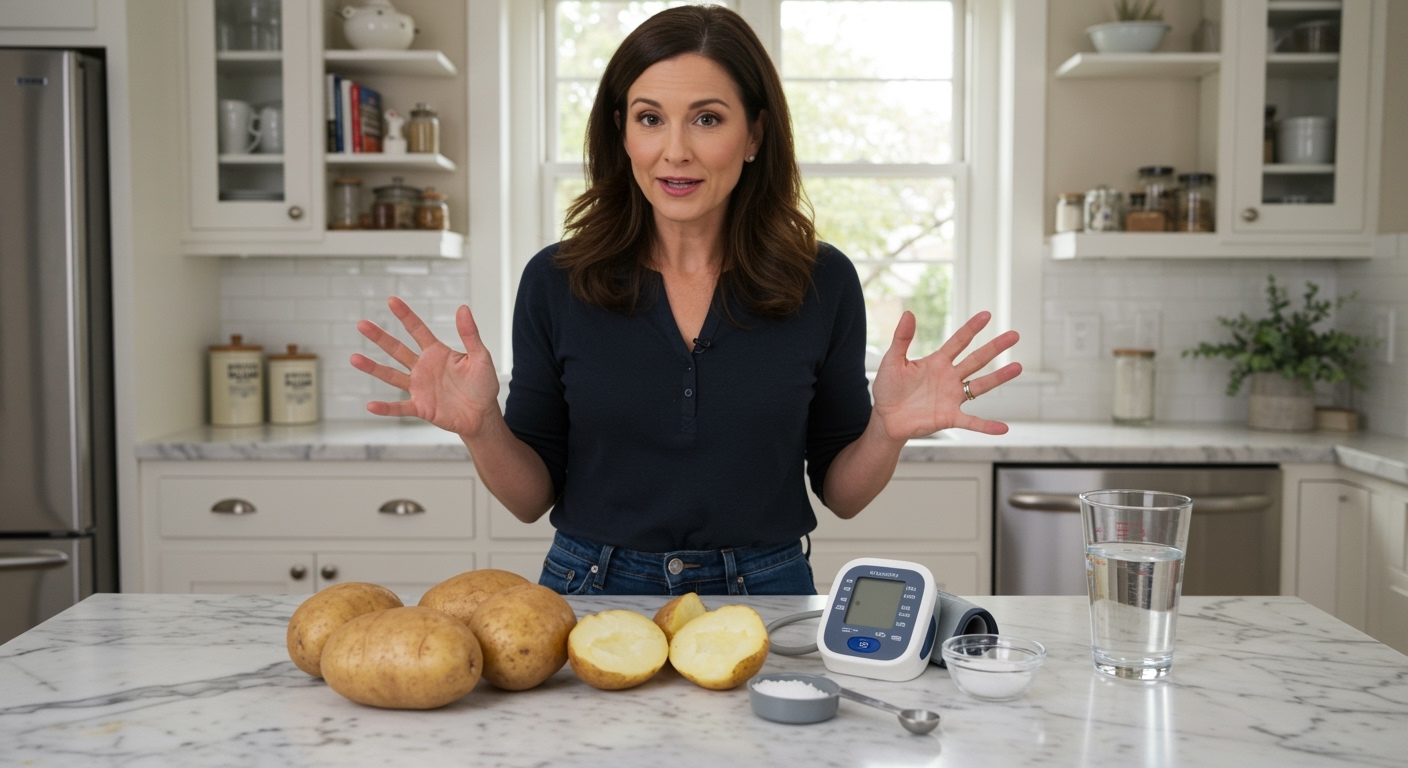
✪ Key Takeaway: Potatoes do not directly help low blood pressure, but their potassium content may support normal blood pressure regulation.
Introduction
You might have heard that potatoes can affect your blood pressure levels.
Perhaps you are dealing with low blood pressure and wondering if adding more potatoes to your diet could help raise those numbers naturally.
Hi, I am Abdur, your nutrition coach, and today I am going to explain the real connection between potatoes and blood pressure, what the science actually shows, and whether this popular vegetable deserves a place in your low blood pressure management plan.
What Does Science Say About Potatoes and Blood Pressure?
The research on potatoes and blood pressure mostly focuses on high blood pressure, not low blood pressure.
Multiple studies have shown that eating potatoes, especially fried or heavily processed versions, may actually increase the risk of developing hypertension.
A large study published in the British Medical Journal found that people who ate four or more servings of baked, boiled, or mashed potatoes per week had an increased risk of high blood pressure.
The same study showed that eating french fries even once per week was associated with higher hypertension risk.
This happens because potatoes have a high glycemic index, meaning they cause rapid spikes in blood sugar levels.
These blood sugar spikes trigger insulin release, and over time, this pattern can contribute to insulin resistance and metabolic changes that affect blood pressure regulation.
So if the science shows potatoes may raise blood pressure in some people, they certainly would not be the solution for low blood pressure.
✪ Fact: One medium potato contains about 620 milligrams of potassium, which is roughly 13 percent of your daily requirement.
Can Potassium in Potatoes Help Low Blood Pressure?
Potatoes are rich in potassium, an essential mineral that plays a crucial role in blood pressure regulation.
Potassium helps balance sodium levels in your body and supports proper function of your heart and blood vessels.
However, potassium is more commonly recommended for people with high blood pressure because it helps relax blood vessel walls and promotes sodium excretion.
For someone with low blood pressure, getting adequate potassium is still important for overall cardiovascular health, but it will not directly raise your blood pressure numbers.
In fact, if you have low blood pressure, you typically need strategies that involve increasing blood volume or improving blood vessel tone, not just adding more potassium.
The body maintains blood pressure through complex mechanisms involving your kidneys, hormones, nervous system, and blood vessels.
Simply eating more potatoes will not address the underlying causes of hypotension, which might include dehydration, nutritional deficiencies, hormonal imbalances, or medication side effects.
✪ Note: People with kidney disease should be cautious about high potassium intake, as their kidneys may not effectively remove excess potassium from the blood.
How Does Cooking Method Change the Blood Pressure Effect?
The way you prepare potatoes dramatically changes their impact on your cardiovascular system.
Boiled or baked potatoes without added fats or excessive salt are the healthiest options when it comes to blood pressure management.
French fries and potato chips are typically loaded with sodium and unhealthy fats, both of which can negatively affect blood pressure over time.
Research shows that fried potatoes carry significantly higher cardiovascular risks compared to non-fried preparations.
The high temperatures used in frying create harmful compounds and the added oils increase calorie density, contributing to weight gain.
Excess body weight is a known risk factor for developing high blood pressure, though it can also sometimes contribute to blood pressure instability.
If you enjoy potatoes and have low blood pressure, choosing boiled or baked versions with a moderate amount of salt might be your best approach, as the sodium can help retain fluid and support blood volume.
✪ Pro Tip: Cooling cooked potatoes in the refrigerator before eating increases their resistant starch content, which slows digestion and reduces blood sugar spikes.
What Should You Actually Eat for Low Blood Pressure?
Managing low blood pressure requires a different nutritional approach than what potatoes alone can provide.
First, you need adequate fluid intake throughout the day because dehydration is one of the most common causes of hypotension.
Second, you may benefit from slightly higher sodium intake compared to people with normal or high blood pressure, as sodium helps your body retain water and maintain blood volume.
Third, eating smaller, more frequent meals can help prevent postprandial hypotension, which is the drop in blood pressure that sometimes occurs after eating large meals.
Foods rich in vitamin B12 and folate are important because deficiencies in these nutrients can lead to anemia, which may cause or worsen low blood pressure.
Good sources include eggs, dairy products, meat, fish, and fortified cereals.
Some people with low blood pressure also benefit from caffeine in moderation, as it can provide a temporary boost in blood pressure by stimulating the nervous system and constricting blood vessels.
✪ Note: Always consult with your healthcare provider before making significant dietary changes to manage low blood pressure, especially if you take medications.
Are There Any Risks of Eating Too Many Potatoes?
Eating excessive amounts of potatoes can create several health concerns regardless of your blood pressure status.
The high glycemic index of potatoes means they can cause rapid blood sugar fluctuations, which over time may increase your risk of type 2 diabetes.
People who eat potatoes as their primary carbohydrate source often miss out on the diverse nutrients found in other vegetables, whole grains, and legumes.
Potatoes are relatively low in fiber compared to other starchy foods like sweet potatoes, beans, or whole grains.
This lower fiber content means they are less filling per calorie, which can lead to overconsumption and weight gain.
Additionally, potatoes contain compounds called glycoalkaloids, which in very high amounts can be toxic, though this is rare with normal consumption.
The key is balance and variety in your diet, not relying too heavily on any single food, including potatoes.
✪ Fact: Green potatoes or those with sprouts contain higher levels of glycoalkaloids and should be avoided or the green parts removed before cooking.
The Bottom Line
Potatoes are not a solution for low blood pressure, though they can be part of a balanced diet when prepared healthily.
Health comes from variety and balance, not from searching for magic foods that fix single problems.
I would love to hear your thoughts or questions about managing low blood pressure through nutrition, so please share your experiences in the comments below.
References
At NutritionCrown, we use quality and credible sources to ensure our content is accurate and trustworthy. Below are the sources referenced in writing this article:
- PMC: Potato Consumption and Risk of Hypertension
- STAT News: Eating Potatoes Linked to Higher Blood Pressure Risk
- NutritionFacts: Do Potatoes Increase the Risk of High Blood Pressure
- American Heart Association: Pass the Potatoes or Take a Pass