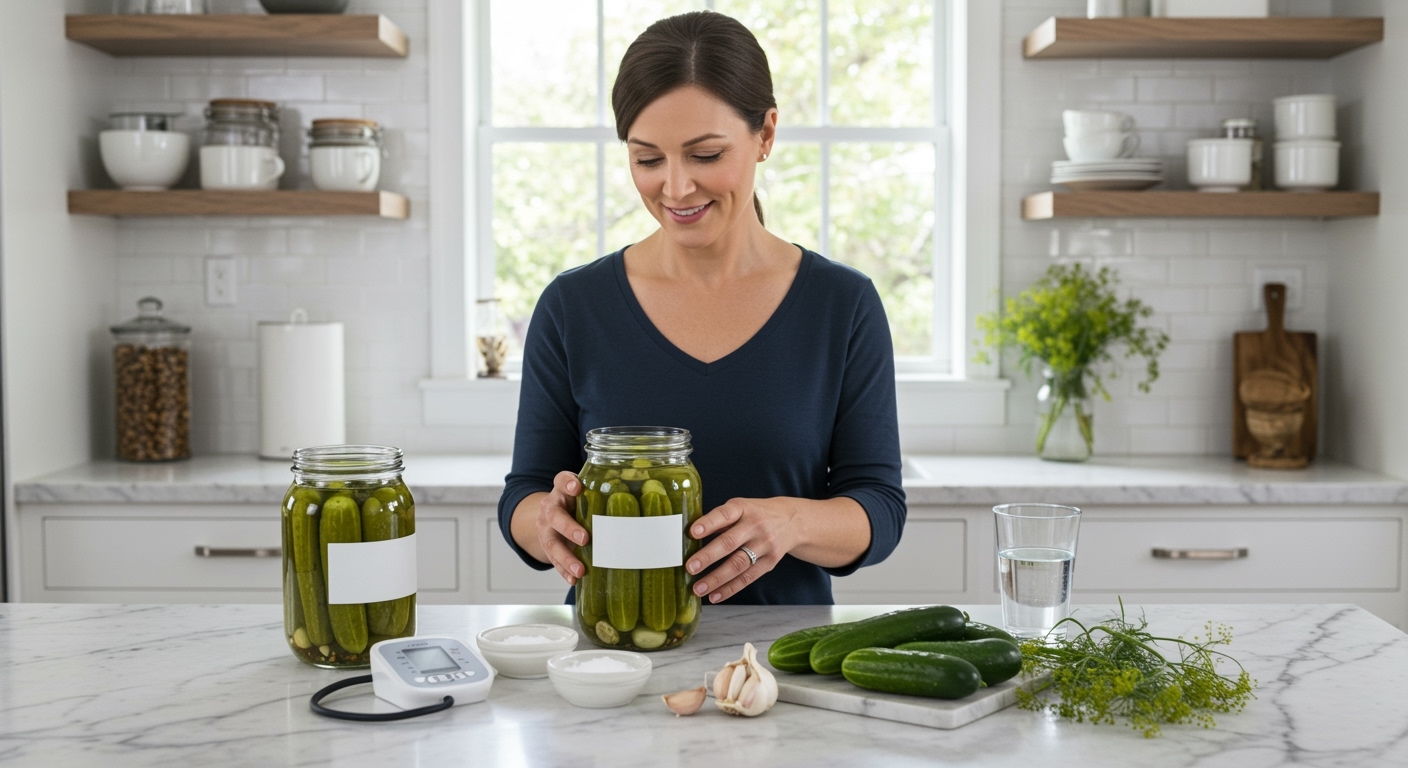
✪ Key Takeaway: Pickles can actually help low blood pressure due to their sodium and electrolyte content when consumed appropriately.
Introduction
You reach for a pickle and suddenly wonder if this salty snack will send your already low blood pressure into dangerous territory.
Most people with hypotension have heard conflicting advice about sodium, leaving them confused about whether pickles are friends or foes to their condition.
Hi, I am Abdur, your nutrition coach and today I am going to explain exactly how pickles affect low blood pressure and whether you should include them in your diet.
Why Does Everyone Say Pickles Are Bad For Blood Pressure?
The pickle reputation comes from decades of warnings about high blood pressure and sodium intake.
Medical professionals have long advised people with hypertension to reduce sodium because it can raise blood pressure in sensitive individuals.
This advice created a blanket assumption that all pickled foods are universally bad for cardiovascular health.
However, this guidance was never meant for people struggling with low blood pressure.
The truth is that sodium works differently depending on whether your blood pressure is too high or too low.
When you have hypotension, your body actually needs adequate sodium levels to maintain proper blood volume and pressure.
One medium pickle contains approximately 785 milligrams of sodium, which represents about one-third of the daily recommended intake for most adults.
✪ Fact: The sodium warning for pickles was designed for hypertension patients, not those with low blood pressure conditions.
How Does Sodium Actually Help Low Blood Pressure?
Sodium plays a critical role in maintaining your blood volume and vascular pressure.
When you consume sodium, it causes your body to retain more water in your bloodstream.
This increased fluid volume creates more pressure against your blood vessel walls, which raises your overall blood pressure.
For people with hypotension, this mechanism is exactly what their body needs to function properly.
Low blood pressure often causes symptoms like dizziness, fatigue, blurred vision, and fainting because your brain and organs are not receiving adequate blood flow.
Increasing sodium intake helps correct this problem by expanding blood volume and improving circulation throughout your body.
Research published in the Journal of Clinical Hypertension shows that sodium restriction can actually worsen symptoms in people with orthostatic hypotension.
✪ Pro Tip: Eat pickles during times when you feel lightheaded or dizzy to quickly boost your sodium levels and improve symptoms.
What Makes Fermented Pickles Different From Regular Pickles?
Not all pickles are created equal when it comes to health benefits.
Fermented pickles undergo a natural process where beneficial bacteria convert sugars into lactic acid, creating probiotics.
These probiotics support your gut health, which indirectly influences your cardiovascular system and blood pressure regulation.
Regular pickles made with vinegar do not contain these beneficial bacteria because the acidic environment prevents fermentation.
Fermented pickles also contain higher levels of vitamins K and B, which play roles in blood clotting and energy metabolism.
The fermentation process creates additional compounds that may help reduce inflammation in your blood vessels, potentially improving overall vascular health.
Studies show that fermented foods can positively influence the gut-heart axis, which is the communication pathway between your digestive system and cardiovascular function.
✪ Note: Look for pickles labeled as naturally fermented or lacto-fermented to get the probiotic benefits along with sodium support.
Can You Eat Too Many Pickles Even With Low Blood Pressure?
Balance matters even when pickles can help your hypotension.
Consuming excessive amounts of pickles can lead to problems like fluid retention, bloating, and electrolyte imbalances.
Your kidneys work to maintain proper sodium balance, but overwhelming them with too much salt creates unnecessary metabolic stress.
Most healthcare providers recommend that people with low blood pressure aim for 2,300 to 3,000 milligrams of sodium daily, which is higher than standard recommendations but still has upper limits.
Eating two to three medium pickles per day typically provides beneficial sodium without crossing into excessive territory.
You should also consider other sodium sources in your diet like bread, cheese, processed meats, and restaurant meals when calculating your total daily intake.
Pay attention to how your body responds because individual sodium needs vary based on activity level, climate, medications, and underlying health conditions.
✪ Pro Tip: Track your symptoms and blood pressure readings to find your personal sweet spot for pickle consumption.
What Other Nutrients In Pickles Support Your Health?
Pickles offer more than just sodium benefits for your body.
They contain vitamin K, which is essential for proper blood clotting and bone health, with one pickle providing about 15 percent of your daily requirement.
The cucumber base provides small amounts of vitamin A, which supports vision and immune function, along with potassium that works with sodium to regulate fluid balance.
Pickles made with garlic and dill offer additional compounds like allicin and flavonoids that have anti-inflammatory properties.
The vinegar or fermentation brine contains acetic acid, which research suggests may help improve insulin sensitivity and blood sugar control.
Fermented pickles specifically provide probiotics that support digestive health, immune function, and may even influence mood through the gut-brain axis.
These additional nutrients make pickles a more complete food choice rather than just a simple sodium delivery system for managing low blood pressure.
✪ Fact: Pickle juice contains electrolytes that athletes use to prevent muscle cramps and maintain hydration during intense exercise.
The Bottom Line
Pickles are not always bad for low blood pressure and can actually be a helpful dietary addition when consumed appropriately.
The sodium that makes pickles controversial for high blood pressure is exactly what makes them beneficial for hypotension.
I would love to hear your experience with pickles and blood pressure management, so please share your thoughts, questions, or feedback in the comment section below.
References
At NutritionCrown, we use quality and credible sources to ensure our content is accurate and trustworthy. Below are the sources referenced in writing this article:
- PMC: Fermented Foods, Health and the Gut Microbiome
- WebMD: Health Benefits of Pickles
- Medical News Today: Are Pickles Good for You?
- Healthline: Low Blood Pressure Diet