Broccoli: Can It Help With Low Blood Pressure? (Expert Answer)
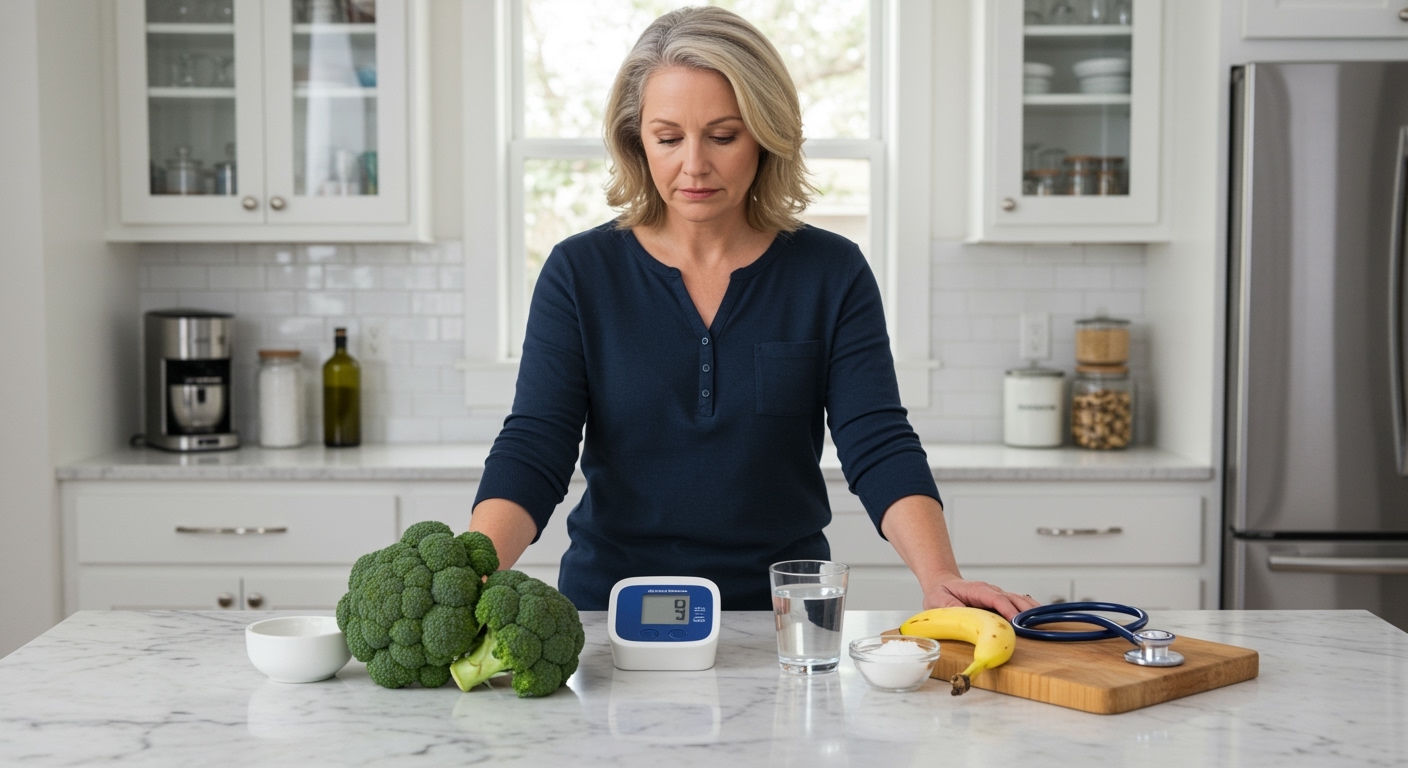
Woman standing behind marble countertop with broccoli, blood pressure monitor, and health items in bright modern kitchen

✪ Key Takeaway: Broccoli can lower blood pressure, so it may worsen hypotension if you already have low blood pressure readings. Introduction You wake up feeling dizzy, your vision blurs when you stand, and you wonder if your food choices are making things worse. You might be asking this question because you have low blood pressure and you have heard that broccoli is a healthy vegetable, but you are not sure if it will help or hurt your condition. Hi, I am Abdur, your nutrition coach and today I am going to explain how broccoli affects your blood pressure and whether you should include it in your diet when dealing with hypotension. Does Broccoli Lower or Raise Blood Pressure? Broccoli is a cruciferous vegetable that contains compounds called glucosinolates, which break down into active substances that affect your cardiovascular system. Research shows that people who eat cruciferous vegetables like broccoli regularly tend to have lower blood pressure compared to those who eat root vegetables or squash. A study published in 2024 found that participants who consumed four servings of cruciferous vegetables daily experienced a reduction of 2.5 mmHg in their 24-hour ambulatory blood pressure. This happens because compounds in broccoli help relax your blood vessels, making it easier for blood to flow through them with less force against the vessel walls. When your blood vessels relax, the pressure inside them naturally decreases, which is great for people with high blood pressure but problematic for those with already low readings. So
Bread: Is It That Bad For Low Blood Pressure? (Expert Answer)

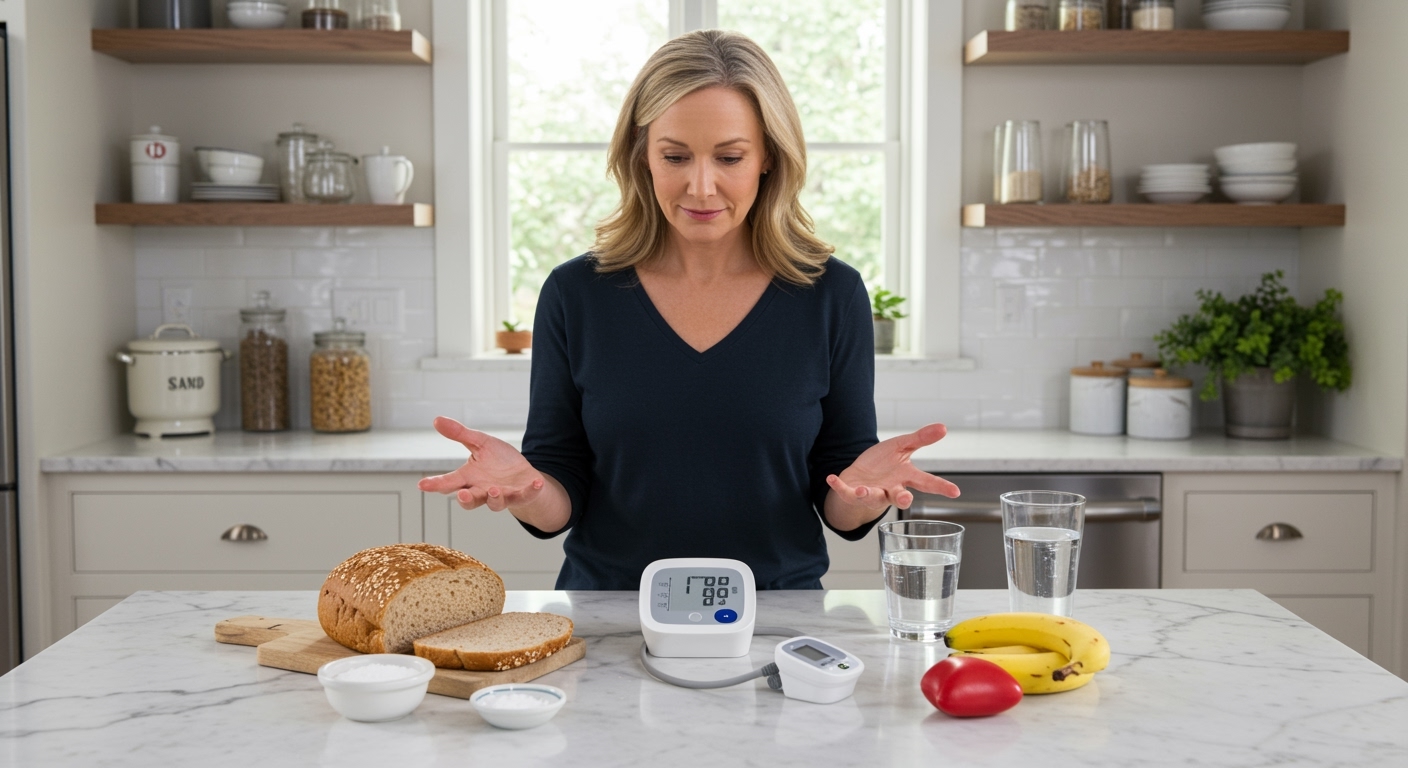
Woman standing behind marble counter looking at bread slices, blood pressure monitor, salt bowl, water glass, banana, and heart symbol

✪ Key Takeaway: Bread is not bad for low blood pressure and can actually help when chosen wisely with adequate sodium and balanced meals. Introduction You stand in the grocery aisle staring at bread and wondering if this simple food is sabotaging your already low blood pressure. Everyone talks about avoiding bread for high blood pressure, but what happens when your pressure runs too low and you feel dizzy, tired, and weak throughout the day. Hi, I am Abdur, your nutrition coach and today I am going to explain how bread actually fits into a low blood pressure diet and why the common advice you hear might not apply to your situation at all. Why Does Everyone Say Bread Is Bad? The anti-bread movement comes from decades of research focused on high blood pressure, diabetes, and weight gain. Refined white bread spikes blood sugar quickly, causes insulin surges, and provides little nutritional value beyond empty calories. Health organizations worldwide recommend limiting refined grains to prevent cardiovascular disease and metabolic problems. But here is the problem with applying this advice to low blood pressure. Your body needs adequate blood volume and energy to maintain proper circulation, and completely avoiding carbohydrates can actually make your symptoms worse. The research warning against bread focuses on people with hypertension, not hypotension, which is a completely different physiological state. When your blood pressure runs low, your body struggles to pump blood efficiently to your brain, organs, and extremities. ✪ Fact: Whole grain bread consumption is

Black Tea: Is It Even Safe For Low Blood Pressure? (Expert Answer)

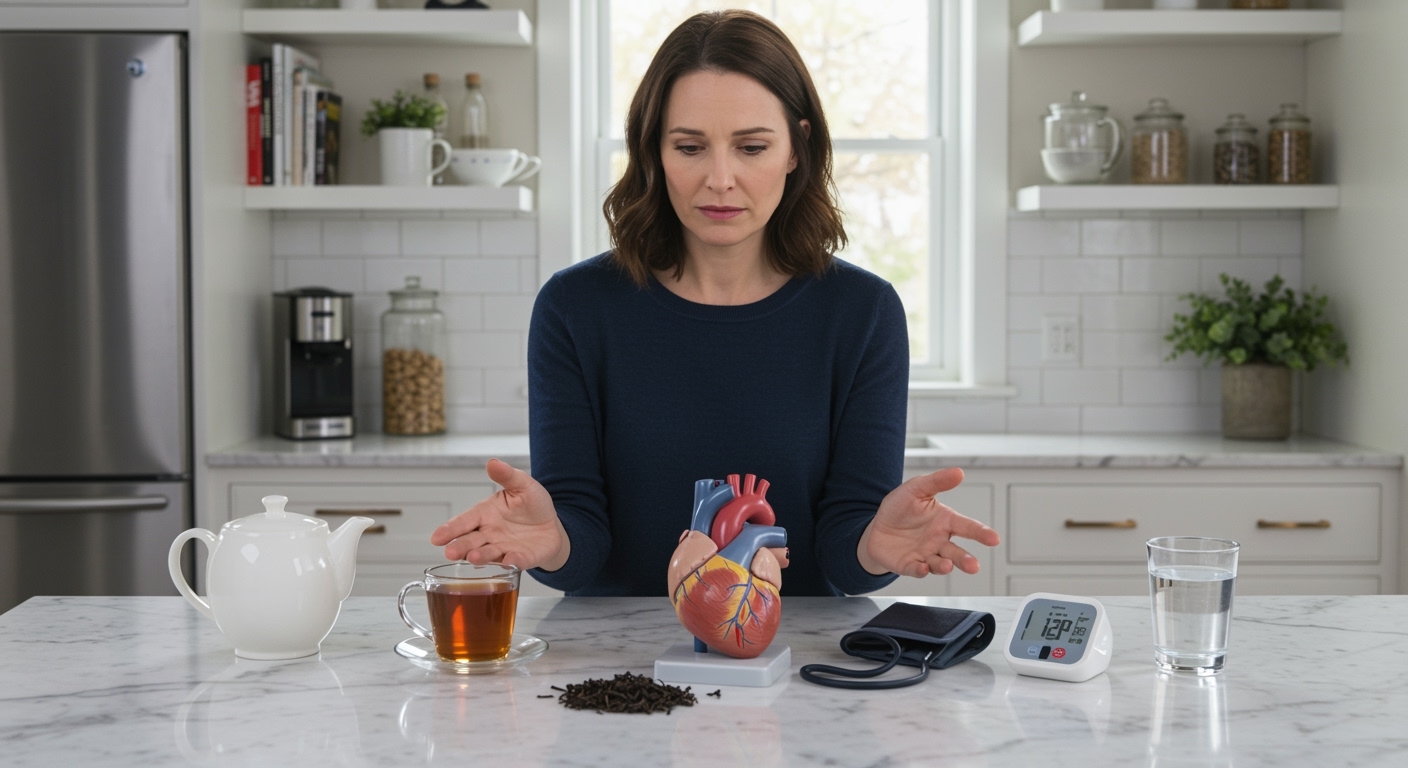
Woman standing behind marble counter reaching toward teacup and heart model with blood pressure monitor and tea items visible

✪ Key Takeaway: Black tea is generally safe for low blood pressure when consumed in moderation, but timing and individual response matter significantly. Introduction You pour yourself a cup of black tea and suddenly wonder if this simple pleasure might drop your already low blood pressure even further. This question comes up because black tea contains caffeine, and people with hypotension often hear conflicting advice about what they should or should not drink. Hi, I am Abdur, your nutrition coach, and today I am going to explain exactly how black tea affects your blood pressure, when it might help or harm you, and what practical steps you can take to enjoy it safely. Does Black Tea Actually Lower Blood Pressure? The short answer is that black tea typically does not lower blood pressure in most people. Research published in the American Heart Association journal shows that regular black tea consumption is associated with improved cardiovascular health and better blood pressure regulation over time. The caffeine in black tea actually causes a temporary increase in blood pressure for most individuals, not a decrease. This happens because caffeine blocks adenosine receptors in your body, which normally help blood vessels relax and widen. When these receptors get blocked, your blood vessels constrict slightly, and your heart rate may increase, leading to a modest rise in blood pressure that lasts about 3 to 4 hours. However, some people with low blood pressure worry about black tea because they confuse it with herbal teas that

Black Seed Oil: Is It Really Good For Low Blood Pressure? (Expert Answer)

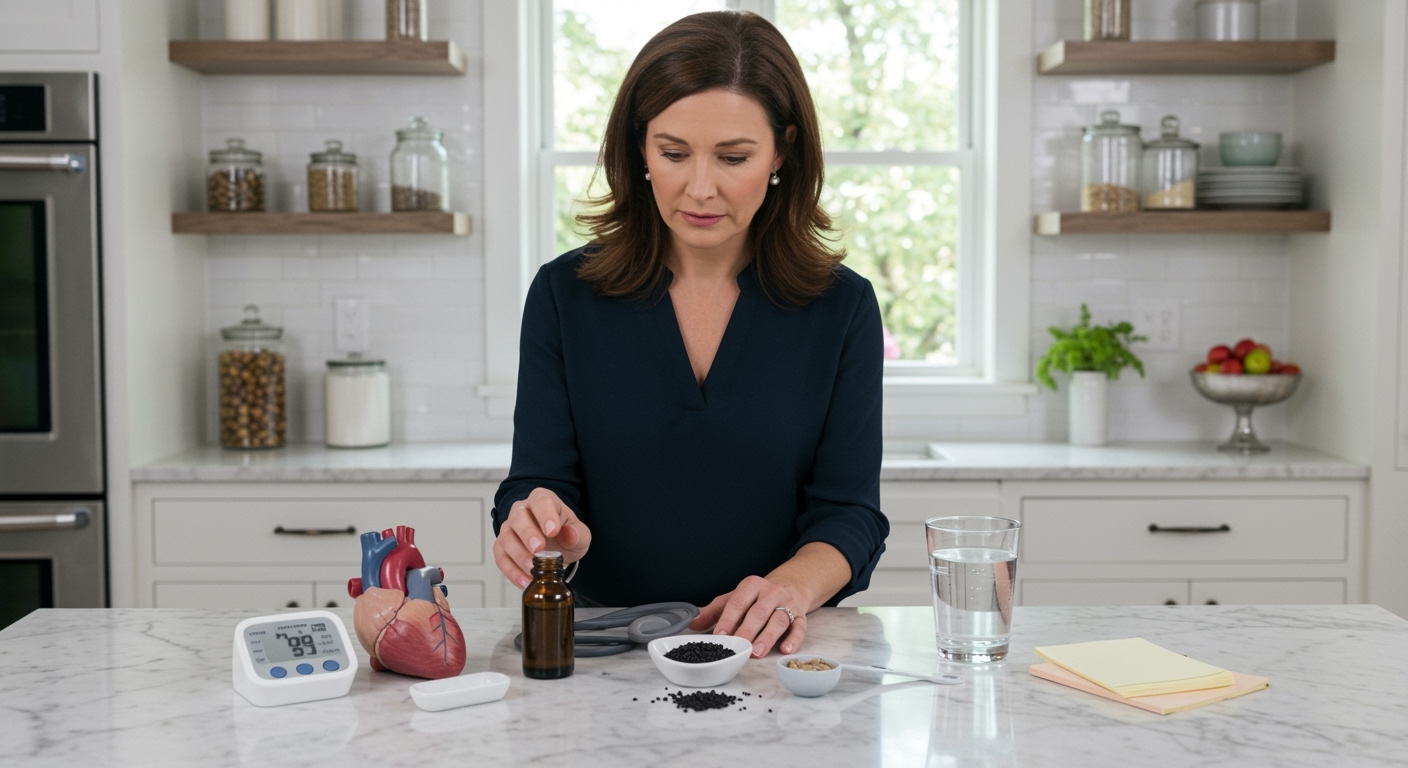
Middle-aged woman standing behind marble counter examining small amber oil bottle with blood pressure monitor and heart model visible

✪ Key Takeaway: Black seed oil lowers blood pressure rather than raises it, making it unsuitable for people with hypotension. Introduction You walk into a health store and see black seed oil bottles lined up with promises of miraculous health benefits. You have low blood pressure and wonder if this ancient remedy could help raise your numbers to a healthier range. Hi, I am Abdur, your nutrition coach, and today I am going to explain why black seed oil actually works against your goal if you have hypotension and what the science really shows. What Does Black Seed Oil Actually Do To Blood Pressure? Black seed oil comes from the seeds of the Nigella sativa plant, which has been used in traditional medicine for thousands of years. The active compound in black seed oil is thymoquinone, which has powerful effects on your cardiovascular system. Research published in multiple studies shows that black seed oil consistently reduces blood pressure in people who take it regularly. A systematic review found that supplementation with black seed oil led to significant decreases in both systolic and diastolic blood pressure readings. The mechanism works through vasodilation, which means your blood vessels relax and widen, allowing blood to flow more easily with less pressure against vessel walls. This effect is exactly what people with high blood pressure need, but it creates problems for those with already low readings. If you have hypotension, taking black seed oil could push your blood pressure even lower, causing dizziness, fatigue,

Black Pepper: Is It Even Safe for Low Blood Pressure? (Expert Answer)

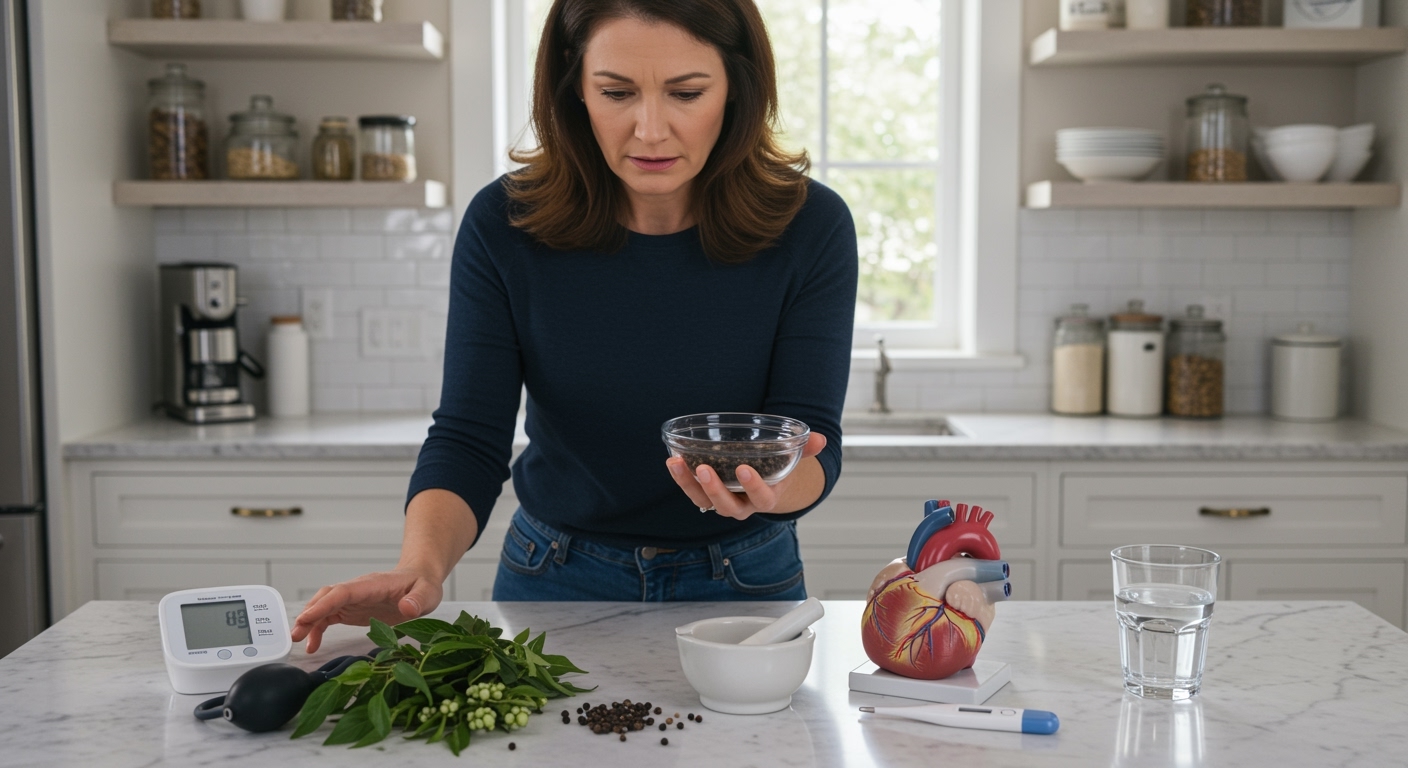
Woman holding bowl of black peppercorns while reaching toward blood pressure monitor on white marble countertop in bright kitchen

✪ Key Takeaway: Black pepper can lower blood pressure, so people with hypotension should use it cautiously and monitor their response carefully. Introduction You reach for the pepper shaker without thinking twice because it sits on every dinner table across the world. But if you struggle with low blood pressure, that innocent sprinkle might be doing more than just adding flavor to your meal. Hi, I am Abdur, your nutrition coach and today I am going to explain whether black pepper is safe for people with hypotension and what you need to know before using it. Does Black Pepper Actually Lower Blood Pressure? Research shows that black pepper contains a compound called piperine that can reduce blood pressure levels in your body. A study published in scientific journals found that piperine causes vasodilation, which means it relaxes and widens your blood vessels. When your blood vessels widen, the pressure inside them naturally drops because blood flows more easily through a larger space. This effect happens because piperine blocks calcium channels in your blood vessel walls, preventing them from contracting tightly. For someone with normal or high blood pressure, this mechanism provides health benefits and helps protect against cardiovascular disease. But for someone already dealing with hypotension, this same mechanism can push your blood pressure even lower into dangerous territory. ✪ Fact: Piperine makes up about three to nine percent of black pepper by weight, making it a concentrated active compound. What Happens When Your Blood Pressure Drops Too Low? When

Bitter Gourd: Can It Help With Low Blood Pressure? (Expert Answer)

Woman standing behind marble counter with bitter gourd, blood pressure monitor, juice glass, and heart model in bright kitchen

✪ Key Takeaway: Bitter gourd lowers blood pressure and should be avoided if you have hypotension. Introduction You have heard that bitter gourd works wonders for blood sugar control. But now you are wondering if this green vegetable can help with your low blood pressure problem. Hi, I am Abdur, your nutrition coach and today I am going to explain how bitter gourd affects your blood pressure and whether it is safe for people with hypotension. What Does Bitter Gourd Do to Blood Pressure? Bitter gourd contains active compounds that naturally lower blood pressure. Research shows that bitter gourd acts like a natural ACE inhibitor, which is a class of medications used to treat high blood pressure. These compounds help your blood vessels relax and widen, allowing blood to flow more easily. When blood vessels are relaxed, the pressure inside them naturally decreases. A study published in the European Journal of Nutrition and Food Safety found that bitter gourd significantly reduced both systolic and diastolic blood pressure in participants. This blood pressure lowering effect is beneficial for people with hypertension but creates a problem for those with already low blood pressure. ✪ Fact: Bitter gourd can reduce blood pressure by up to 10-15 mmHg in people with hypertension within weeks of regular consumption. Why Should You Avoid Bitter Gourd With Low Blood Pressure? If you already have low blood pressure, bitter gourd will make your condition worse. Your body struggles to maintain adequate blood flow to vital organs when pressure

Beetroot Juice: Is It Really Good For Low Blood Pressure? (Expert Answer)

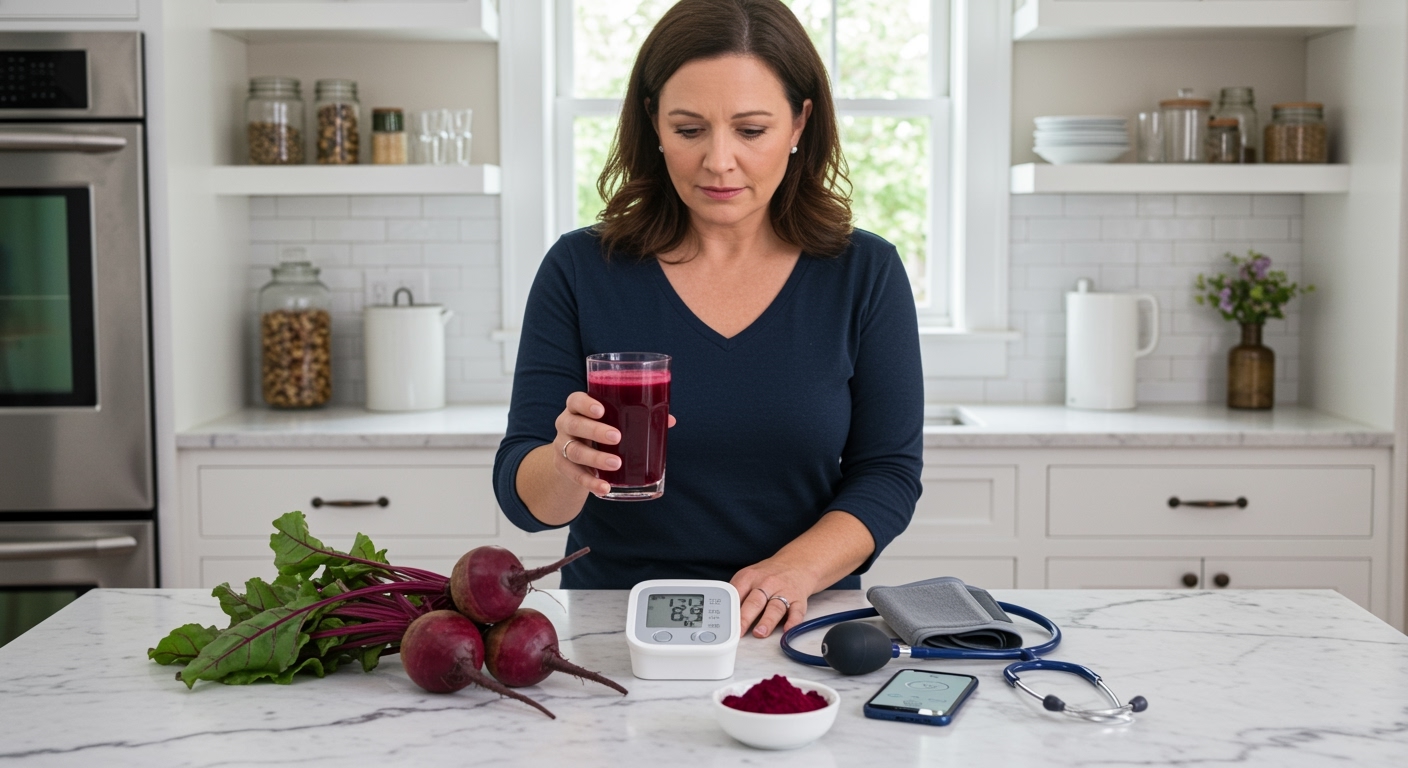
Woman holding beetroot juice glass while standing behind marble counter with blood pressure monitor and fresh beetroots in bright kitchen

✪ Key Takeaway: Beetroot juice lowers blood pressure, making it dangerous for hypotension sufferers who need higher readings. Introduction You have probably heard that beetroot juice is a miracle drink for heart health and blood pressure management. But if you are dealing with low blood pressure, you might be wondering whether this popular health drink will help you or make things worse. Hi, I am Abdur, your nutrition coach, and today I am going to explain exactly how beetroot juice affects low blood pressure and whether you should include it in your diet. What Does Beetroot Juice Actually Do To Your Blood Pressure? Beetroot juice contains high levels of dietary nitrates, which are natural compounds found in many vegetables. When you consume these nitrates, your body converts them into nitric oxide through a process that starts in your mouth with bacteria on your tongue. Nitric oxide is a powerful molecule that signals your blood vessels to relax and widen, a process called vasodilation. When your blood vessels widen, blood flows more easily through them, which naturally reduces blood pressure. Multiple research studies have confirmed that drinking beetroot juice can lower both systolic and diastolic blood pressure within just a few hours. This effect typically peaks around three to six hours after consumption and can last for up to 24 hours depending on the amount consumed. ✪ Fact: Just 250 milliliters of beetroot juice can lower blood pressure by approximately 4 to 10 millimeters of mercury within hours. Why Is Lowering

Beet Juice: Can It Help With Low Blood Pressure? (Expert Answer)

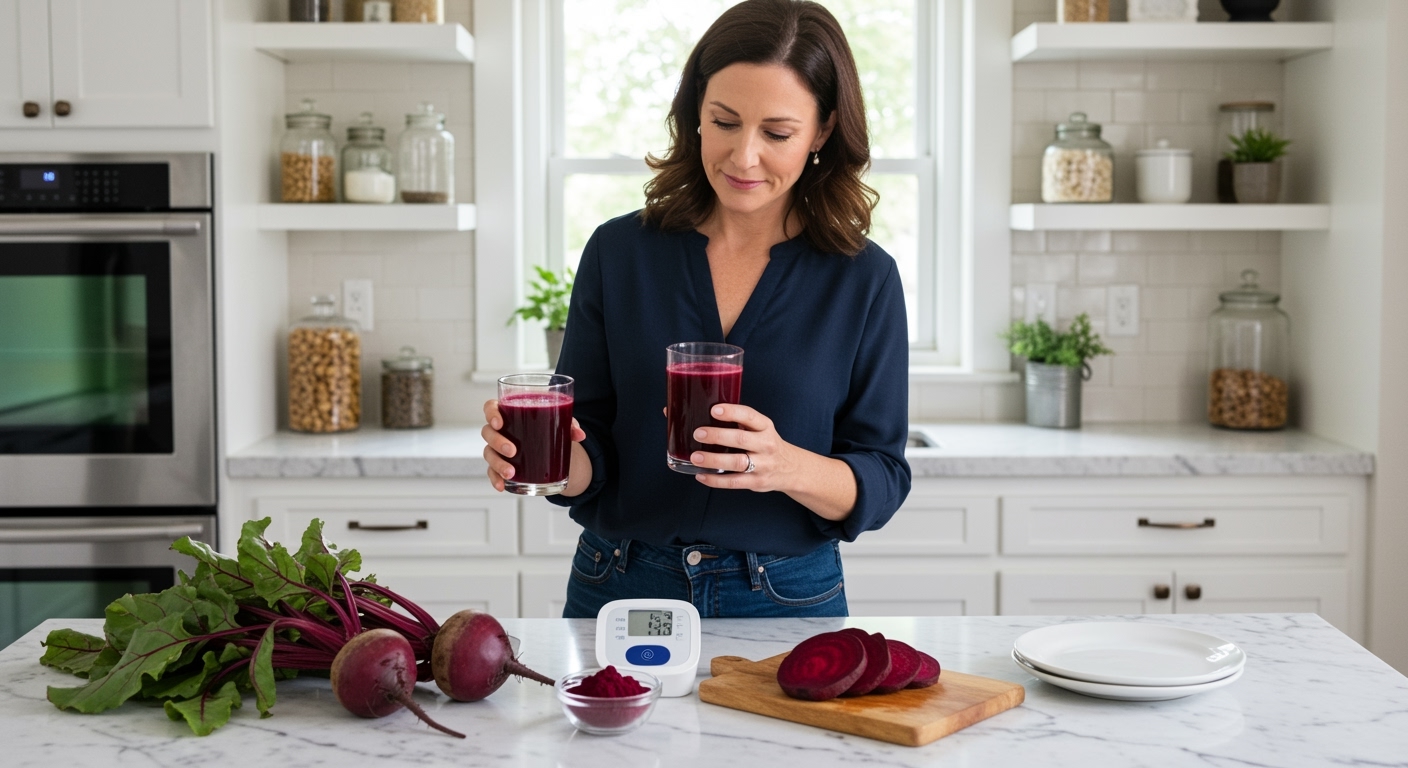
Woman holding glass of beet juice while standing at marble counter with fresh beetroots and blood pressure monitor in bright kitchen

✪ Key Takeaway: Beet juice lowers blood pressure, so people with hypotension should avoid it or consume it cautiously under medical supervision. Introduction You have heard that beet juice is a natural remedy for high blood pressure. But what happens when your blood pressure is already sitting on the lower side? You might be wondering if this popular health drink could make your condition worse or if there is a safe way to enjoy its benefits without dropping your numbers too low. Hi, I am Abdur, your nutrition coach and today I am going to explain exactly how beet juice affects blood pressure, why it works the way it does, and whether you should drink it when dealing with hypotension. How Does Beet Juice Actually Lower Blood Pressure? Beet juice contains high levels of dietary nitrates, which are natural compounds found in many vegetables. When you drink beet juice, bacteria in your mouth convert these nitrates into nitrite. Your body then transforms nitrite into nitric oxide, a molecule that relaxes and widens your blood vessels. This process is called vasodilation, and it reduces the resistance your blood faces as it flows through your arteries. When blood vessels are wider, your heart does not have to work as hard to pump blood, which naturally lowers your blood pressure. Research shows that drinking just 250 milliliters of beet juice can reduce systolic blood pressure by 4 to 10 millimeters of mercury within hours. This effect is powerful and consistent, which is exactly

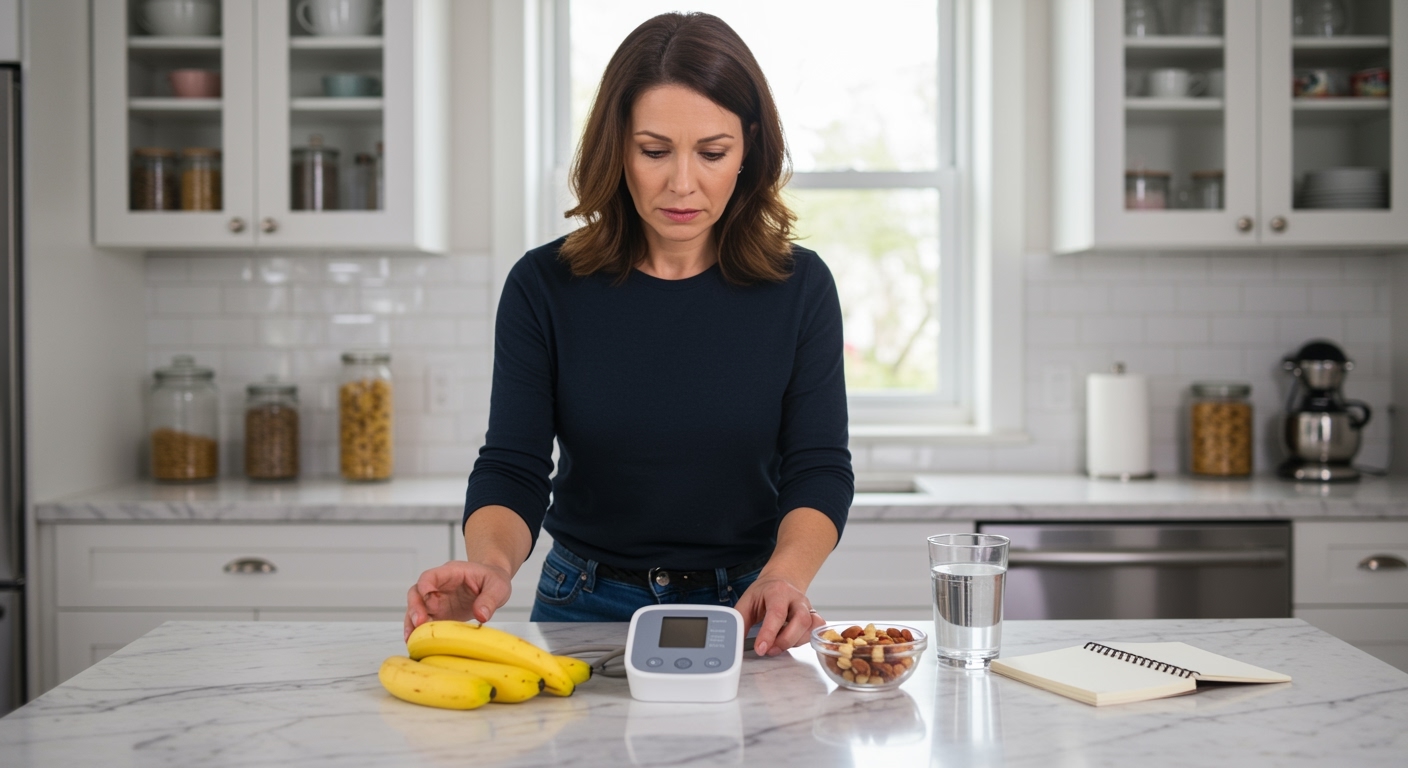
Banana: Can It Help With Low Blood Pressure? (Expert Answer)

Woman holding banana while standing behind marble counter with blood pressure monitor, nuts, water glass, and notebook visible

✪ Key Takeaway: Bananas may not help low blood pressure because their high potassium content can potentially lower it further. Introduction You grab a banana thinking it will fix your dizziness and fatigue. You might be asking this question because you have heard that bananas are good for blood pressure, but you are not sure if they help when your readings are already too low. Hi, I am Abdur, your nutrition coach and today I am going to explain whether bananas actually help with low blood pressure or if they might make your condition worse. What Does Banana Do to Your Blood Pressure? Bananas contain about 422 milligrams of potassium per medium fruit. This mineral works by helping your kidneys remove more sodium through urine. When sodium levels drop, your blood vessels relax and widen. This relaxation causes your blood pressure to decrease. Research published in the American Heart Association journals shows that higher potassium intake is linked to lower blood pressure readings in people with hypertension. The problem is that this mechanism works against you when your blood pressure is already too low. Your body does not need more relaxation in blood vessels when you are experiencing hypotension. ✪ Fact: Potassium acts as a natural diuretic, which means it increases urine production and can further reduce blood volume in hypotensive individuals. Why Do People Think Bananas Help Low Blood Pressure? The confusion comes from mixing up high blood pressure advice with low blood pressure needs. Most nutrition information online

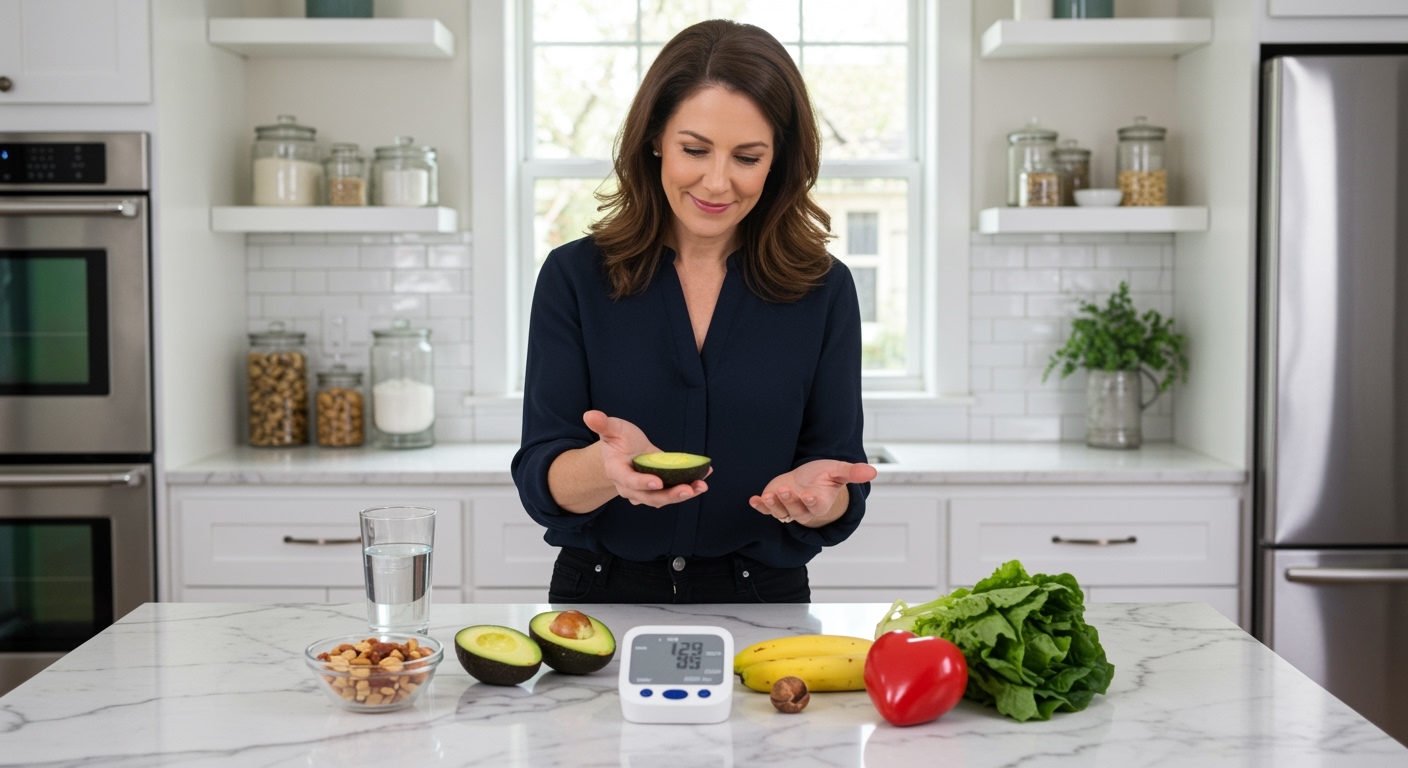
Avocado: Is It Really Good For Low Blood Pressure? (Expert Answer)

Woman holding avocado half while gesturing toward blood pressure monitor on marble countertop with heart model and healthy foods

✪ Key Takeaway: Avocados are not ideal for low blood pressure because they contain compounds that may lower blood pressure further. Introduction You have heard everywhere that avocados are a superfood that fixes everything from heart disease to bad skin. But when you struggle with low blood pressure, you need to know if this creamy fruit will help you or make things worse. Hi, I am Abdur, your nutrition coach and today I am going to explain exactly how avocados affect your blood pressure and whether you should include them in your diet when dealing with hypotension. What Does Avocado Actually Do To Your Blood Pressure? Avocados contain high amounts of potassium, which is a mineral that helps regulate fluid balance in your body. When potassium levels increase in your bloodstream, it signals your kidneys to excrete more sodium through urine. This sodium reduction causes your blood vessels to relax and widen, which naturally lowers blood pressure. Research published in the British Journal of Nutrition showed that regular avocado consumption was associated with a reduction in hypertension incidence among Mexican women. Another study in the Journal of the American Heart Association found that eating two servings of avocados per week linked to lower cardiovascular disease risk. These studies clearly demonstrate that avocados work to bring blood pressure down, not up. If you already have low blood pressure, adding more blood pressure-lowering foods creates a problem rather than solving one. ✪ Fact: One medium avocado contains about 975 milligrams of potassium,