Low Blood Pressure: Is It Really Dangerous for Daily Health?

Most people worry about high blood pressure, but low blood pressure can be equally dangerous. The shocking truth about hypotension risks revealed.

Millions of people suffer from low blood pressure symptoms daily, yet most nutrition advice focuses exclusively on lowering blood pressure, leaving them without proper guidance.
The confusion deepens when standard dietary recommendations actually worsen their fatigue, dizziness, and energy crashes throughout the day.
Most healthcare providers briefly mention increasing salt intake but fail to provide comprehensive nutritional strategies that address the root causes and long-term management.
After receiving countless questions from people struggling with hypotension, I created this detailed series to answer every burning question about nutrition and low blood pressure.
Explore the articles below to discover evidence-based strategies that can transform how you manage your blood pressure through targeted nutrition choices.
Most people worry about high blood pressure, but low blood pressure can be equally dangerous. The shocking truth about hypotension risks revealed.

✪ Key Takeaway: Cranberry juice lowers blood pressure, making it unsuitable for people with hypotension who need to raise their levels. Introduction You stand in the grocery aisle staring at bottles of cranberry juice, wondering if this tart drink could fix your low blood pressure problem. You might be asking this question because someone told you cranberry juice is good for blood pressure, or perhaps you read something online that left you confused about whether it raises or lowers your numbers. Hi, I am Abdur, your nutrition coach and today I am going to explain exactly how cranberry juice affects blood pressure and whether it is the right choice for your hypotension. Does Cranberry Juice Lower or Raise Blood Pressure? The science is clear and consistent on this point. Cranberry juice lowers blood pressure in people who drink it regularly. A study published in the American Heart Association journal found that participants who consumed low-calorie cranberry juice daily experienced significant reductions in both systolic and diastolic blood pressure. The research showed that people drinking cranberry juice had their systolic pressure drop by an average of 3 millimeters of mercury. This effect happens because cranberries contain polyphenols and antioxidants that improve blood vessel function and reduce inflammation in your cardiovascular system. For someone with hypertension, this blood pressure lowering effect is beneficial and desirable. But for someone with hypotension, this same effect works against what your body needs. ✪ Fact: Research shows cranberry juice can lower systolic blood pressure by 3
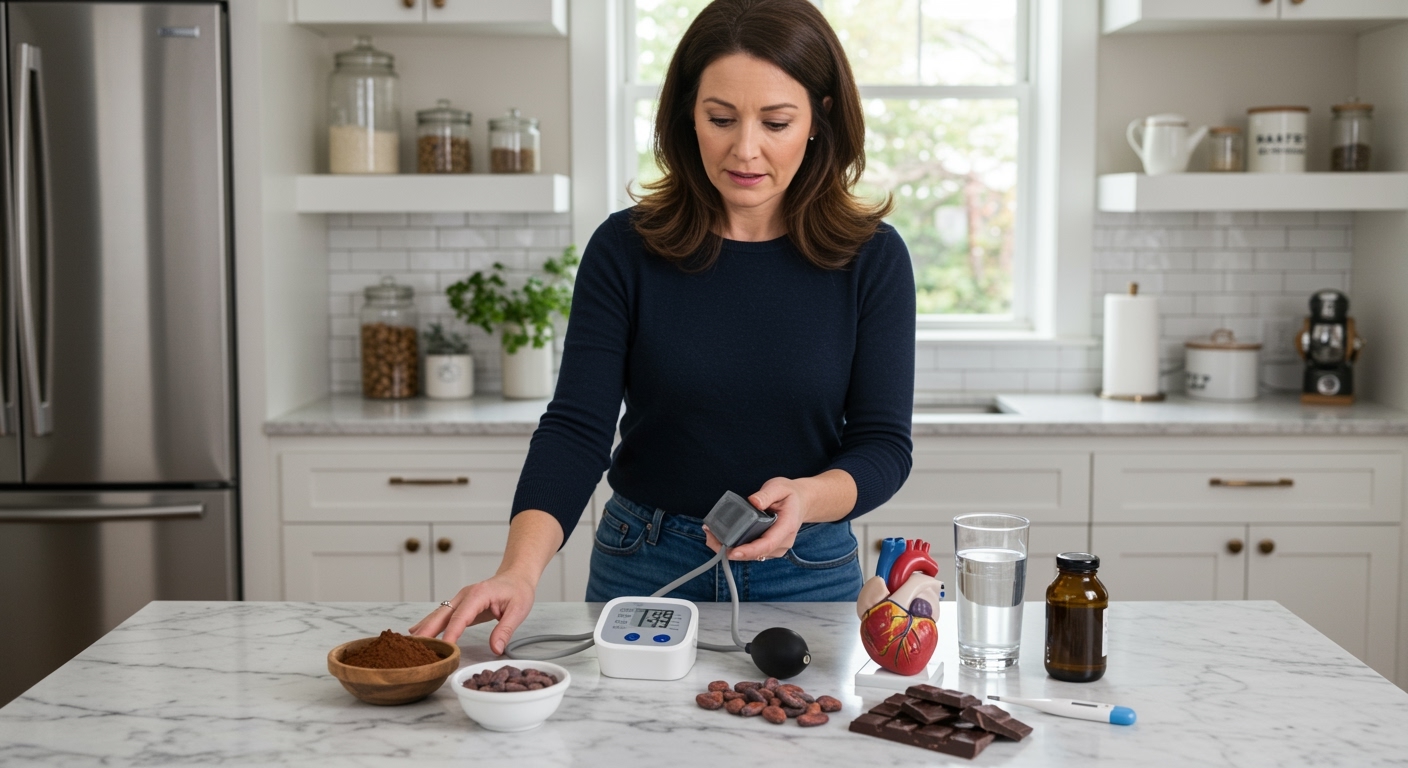
✪ Key Takeaway: Cocoa lowers blood pressure further and can worsen symptoms if yours is already low. Introduction You have heard everywhere that cocoa is heart-healthy and good for circulation. But when your blood pressure already sits below normal, you might wonder if this popular treat will help or hurt your condition. Hi, I am Abdur, your nutrition coach and today I am going to explain exactly how cocoa affects low blood pressure and whether you should include it in your diet. What Does Cocoa Actually Do To Your Blood Pressure? Cocoa contains compounds called flavanols that directly affect your blood vessels. These flavanols trigger your blood vessel lining to produce more nitric oxide, a molecule that relaxes and widens your arteries. When your arteries widen, the pressure inside them drops because blood flows through a larger space. Research published in the Journal of the American Medical Association showed that cocoa consumption reduced systolic blood pressure by an average of 4.7 mmHg and diastolic pressure by 2.8 mmHg. This blood pressure lowering effect happens regardless of your starting blood pressure level. If your blood pressure already reads below 90/60 mmHg, cocoa will push those numbers even lower and potentially trigger hypotension symptoms like dizziness, fatigue, and fainting. ✪ Fact: Studies show cocoa reduces blood pressure within just two hours of consumption, with effects lasting up to eight hours. Why Do People Think Cocoa Helps Low Blood Pressure? The confusion comes from mixing up circulation with blood pressure. Cocoa does improve

✪ Key Takeaway: Celery may lower high blood pressure but can worsen low blood pressure due to its natural compounds and high water content. Introduction You have heard that celery works wonders for blood pressure, but nobody tells you which direction it pushes those numbers. People with low blood pressure often wonder if this popular green vegetable will help or harm their condition. Hi, I am Abdur, your nutrition coach and today I am going to explain exactly how celery affects low blood pressure and whether you should include it in your diet. What Does Celery Actually Do To Your Blood Pressure? Celery contains natural compounds called phthalides that relax the muscles around your blood vessels. When these muscles relax, your blood vessels widen and allow blood to flow more easily through them. This widening effect naturally reduces the pressure inside your blood vessels. Research published in the Journal of Medicinal Food shows that celery seed extract can lower blood pressure in people with hypertension. The same mechanism that helps people with high blood pressure creates a problem for those with low blood pressure. Your blood pressure drops even further when you consume celery regularly if you already have hypotension. This can lead to symptoms like dizziness, fatigue, blurred vision, and even fainting episodes. ✪ Fact: One cup of raw celery contains only 16 calories but provides 115 milligrams of sodium, which is about 5 percent of your daily needs. Why Does Celery Lower Blood Pressure In The First Place?

✪ Key Takeaway: Kiwi fruit may slightly raise blood pressure through vitamin C and potassium, making it less ideal for hypotension management. Introduction You grab a kiwi from your fruit bowl and wonder if this fuzzy little fruit will help your low blood pressure problem. Most people with hypotension search for natural solutions because medications often come with unwanted side effects or simply do not work well enough. Hi, I am Abdur, your nutrition coach and today I am going to explain exactly how kiwi fruit affects your blood pressure and whether it truly helps people struggling with low readings. What Does Kiwi Fruit Actually Do to Your Blood Pressure? Kiwi fruit contains high amounts of vitamin C, potassium, and antioxidants that work together in your cardiovascular system. Research shows that eating kiwi fruit regularly can lower blood pressure in people with hypertension, not raise it for those with hypotension. One study found that consuming three kiwis daily for eight weeks reduced systolic blood pressure by approximately 3.6 mmHg compared to eating one apple per day. The bioactive compounds in kiwi fruit help relax blood vessel walls through a process called vasodilation, which actually decreases pressure inside your arteries. This means kiwi fruit works against what you need when dealing with low blood pressure, potentially making your symptoms worse rather than better. ✪ Fact: One medium kiwi contains about 215 milligrams of potassium, which is roughly 5 percent of your daily recommended intake. Why Does Potassium in Kiwi Lower Blood
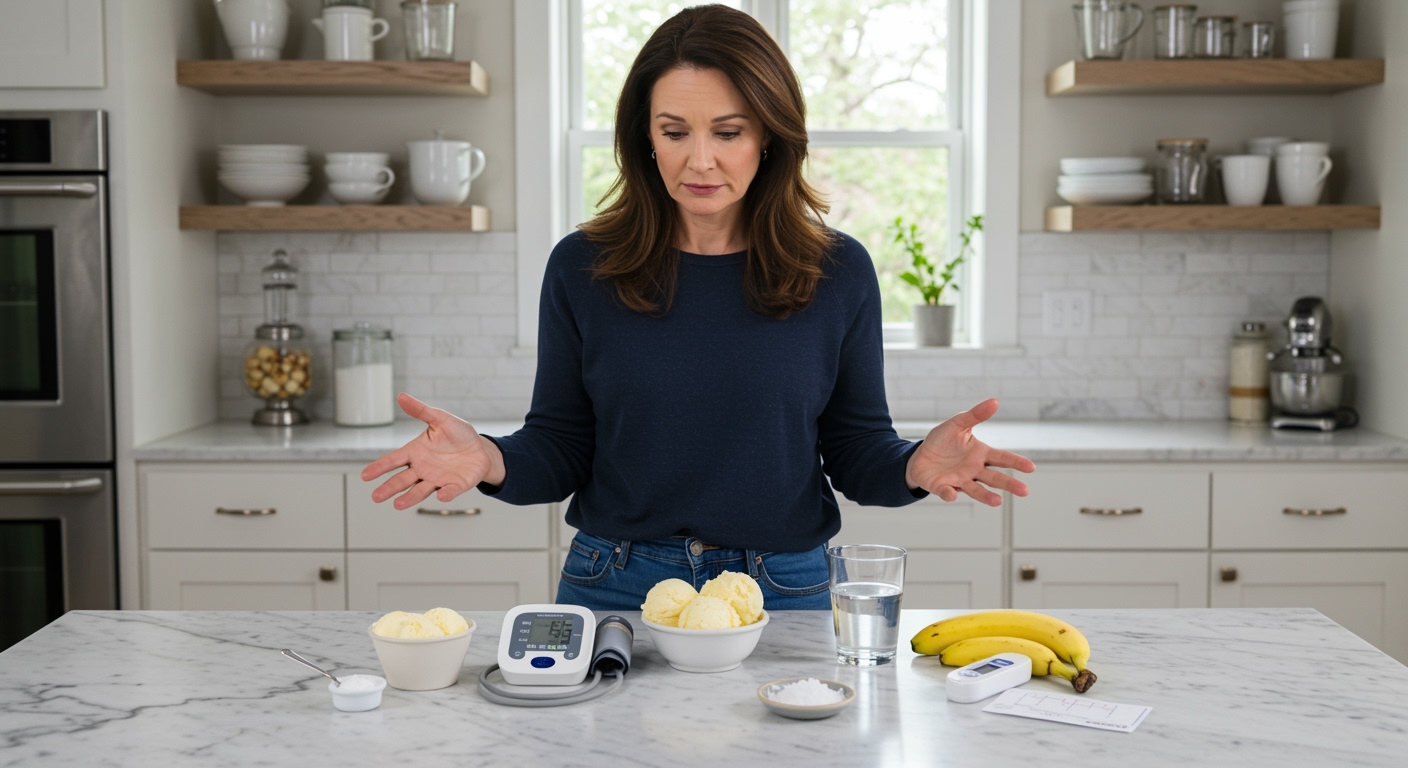
✪ Key Takeaway: Ice cream is generally safe for low blood pressure but timing matters because sugar spikes followed by crashes can worsen symptoms. Introduction You reach for that creamy scoop of ice cream on a hot afternoon, but then you pause. Your blood pressure has been running low lately, and you wonder if this sweet treat will make you feel dizzy or tired afterward. Hi, I am Abdur, your nutrition coach, and today I am going to explain exactly how ice cream affects your low blood pressure and whether you should worry about eating it. Does Ice Cream Raise or Lower Blood Pressure? Ice cream does not directly raise your blood pressure in the way that salty foods might. Instead, it triggers a complex response in your body that involves blood sugar, insulin, and blood flow patterns. When you eat ice cream, the high sugar content causes your blood glucose to spike rapidly within 15 to 30 minutes. Your pancreas responds by releasing insulin, which helps move that sugar from your bloodstream into your cells for energy or storage. This insulin surge can cause your blood vessels to relax slightly, which might temporarily lower your blood pressure even further if you already have hypotension. The fat content in ice cream slows down digestion somewhat, but the sugar still dominates the immediate metabolic response. For someone with low blood pressure, this temporary drop can trigger symptoms like lightheadedness, fatigue, or even fainting in extreme cases. ✪ Fact: Studies show that

✪ Key Takeaway: Soda temporarily raises blood pressure through sodium and caffeine but causes long-term harm through dehydration and metabolic damage. Introduction You reach for a cold soda hoping it might help your low blood pressure, but then you wonder if this fizzy drink is doing more harm than good. Many people with hypotension believe that soda might provide a quick fix because of its sodium content and caffeine, yet the relationship between soda and blood pressure is far more complex than most realize. Hi, I am Abdur, your nutrition coach and today I am going to explain how soda affects your low blood pressure, what happens inside your body when you drink it, and whether you should include it in your diet or avoid it completely. Does Soda Actually Raise Your Blood Pressure? Soda does raise blood pressure temporarily, but not in the way you might think is helpful for hypotension. The caffeine in regular soda causes your blood vessels to constrict, which increases blood pressure for a short period, usually lasting about three to four hours. This happens because caffeine blocks adenosine receptors in your body, which normally help keep your blood vessels relaxed and open. The sodium in soda also contributes to this temporary rise by causing your body to retain more water, which increases blood volume and pressure. However, this temporary increase is not a sustainable solution for managing chronic low blood pressure because your body quickly adapts to these effects. Research shows that regular soda
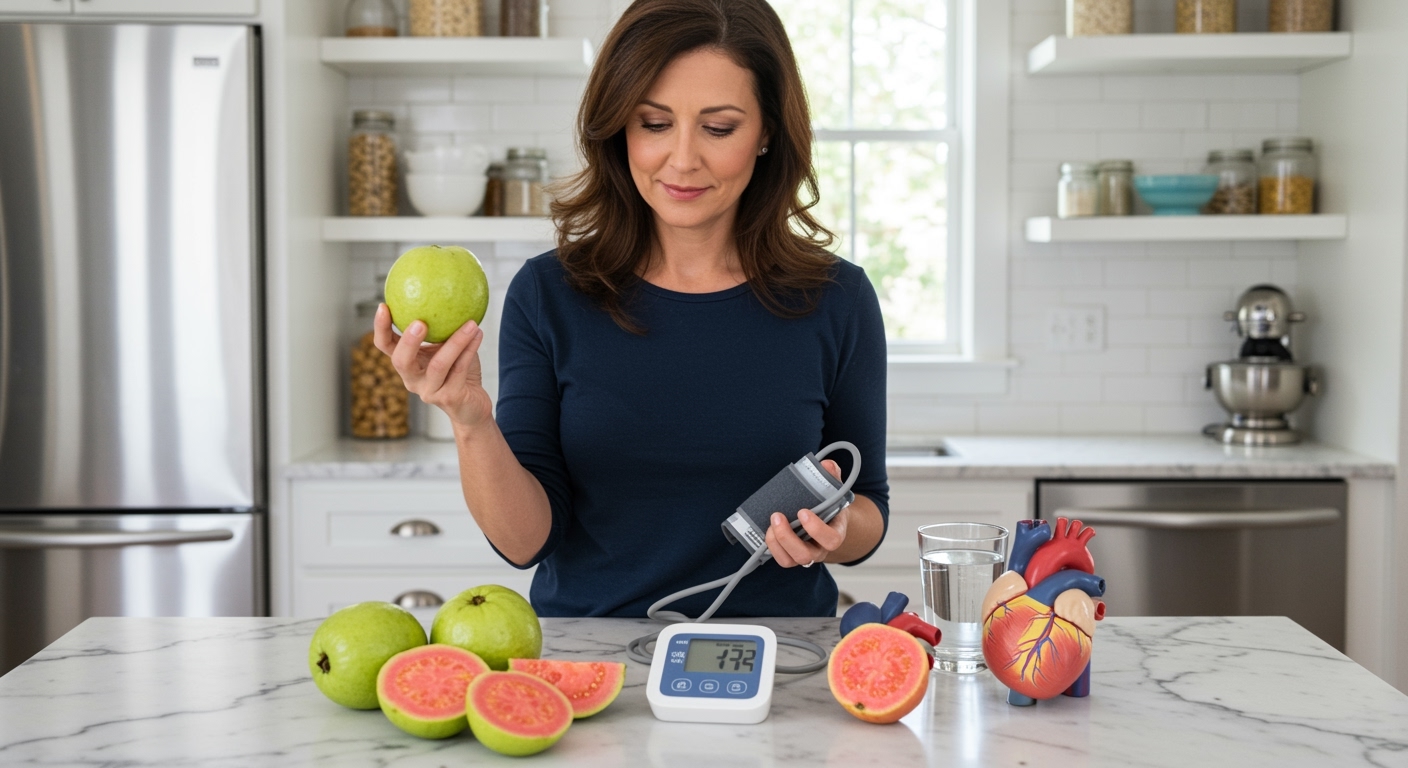
✪ Key Takeaway: Guava typically lowers blood pressure, so it may worsen hypotension rather than help it. Introduction You have low blood pressure and someone told you that guava might help. You are probably asking this question because you want a natural solution that does not involve medications or drastic lifestyle changes. Hi, I am Abdur, your nutrition coach and today I am going to explain whether guava actually helps with low blood pressure or makes it worse. Does Guava Lower or Raise Blood Pressure? Guava has been studied extensively for its effects on cardiovascular health. Research consistently shows that guava lowers blood pressure in people with hypertension. A study published in the Journal of Human Hypertension found that eating guava before meals for 12 weeks reduced systolic blood pressure by an average of 8 points. This happens because guava contains high amounts of potassium, which helps relax blood vessel walls and promotes sodium excretion through urine. The fruit also provides fiber and antioxidants that improve overall vascular function. If your blood pressure is already low, adding guava to your diet could potentially drop it even further. This means guava is not a helpful food for hypotension management. ✪ Fact: One medium guava contains about 417 milligrams of potassium, which is more than a medium banana. What Happens When You Eat Guava With Low Blood Pressure? When you have low blood pressure, your body already struggles to maintain adequate blood flow to vital organs. Eating guava can cause your blood
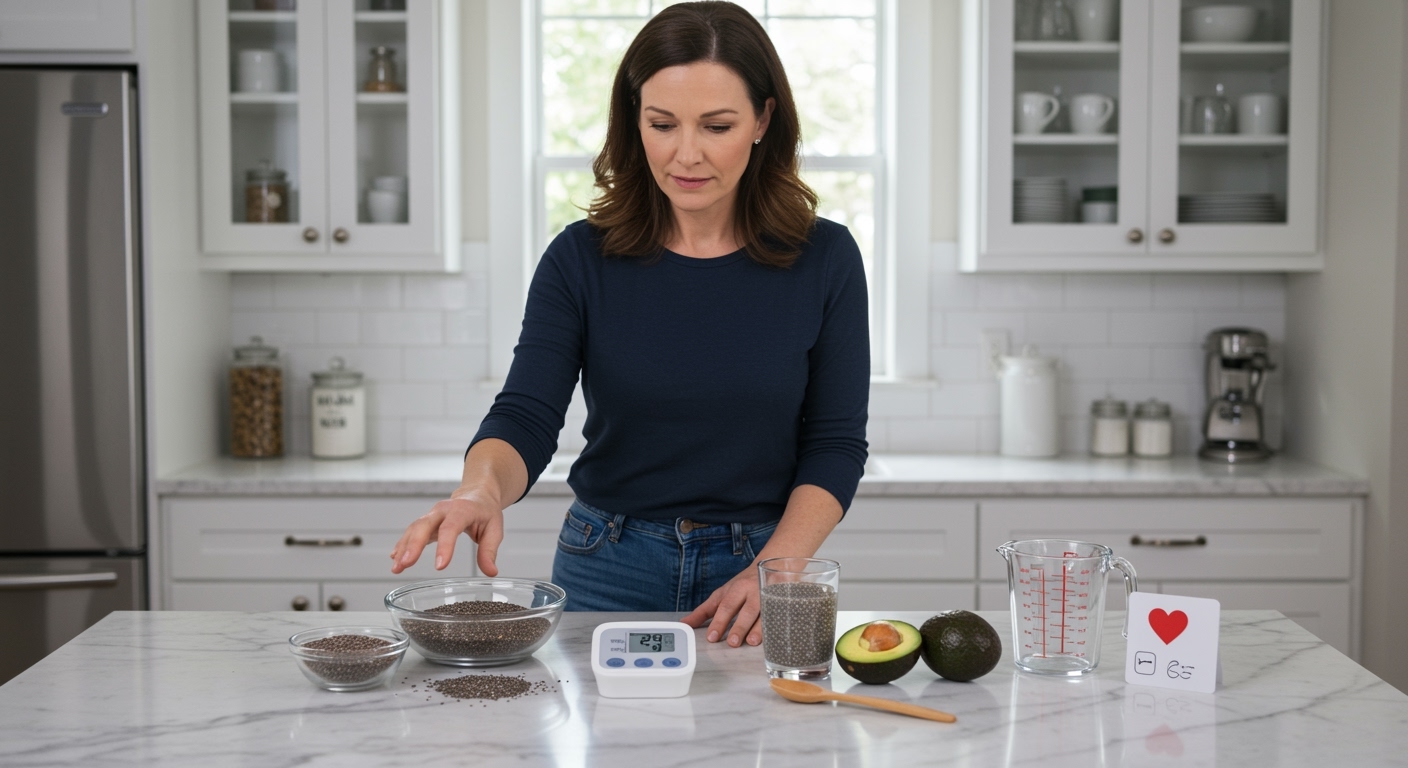
✪ Key Takeaway: Chia seeds lower blood pressure, so they may worsen hypotension if consumed regularly without monitoring. Introduction You see chia seeds everywhere these days, from smoothie bowls to health blogs promising miraculous benefits. But when you already struggle with low blood pressure, you wonder if this tiny seed will help you or make your dizziness and fatigue even worse. Hi, I am Abdur, your nutrition coach, and today I am going to explain exactly how chia seeds affect blood pressure, what the research shows, and whether you should include them in your diet when dealing with hypotension. What Do Chia Seeds Actually Do To Blood Pressure? Research consistently shows that chia seeds lower blood pressure in people who consume them regularly over several weeks. A comprehensive review published in Nutrition Reviews analyzed multiple studies and found that chia seed supplementation significantly reduces systolic blood pressure by an average of 4.5 mmHg. This reduction happens because chia seeds contain high amounts of omega-3 fatty acids, particularly alpha-linolenic acid, which helps relax blood vessel walls. When blood vessels relax, they widen, allowing blood to flow more easily with less pressure against the arterial walls. The effect becomes more pronounced with long-term consumption, typically showing measurable changes after 12 weeks of daily intake. For someone with hypertension, this blood pressure lowering effect is beneficial and desired. But for someone with hypotension, this same mechanism can push your already low readings even lower, potentially causing symptoms like dizziness, fainting, or extreme fatigue.

✪ Key Takeaway: Ginger tea may lower blood pressure further and worsen hypotension symptoms in people with already low readings. Introduction You wake up feeling dizzy, your vision blurs when you stand, and someone suggests a warm cup of ginger tea to fix everything. You might be asking this question because ginger is praised everywhere as a miracle remedy, but you have low blood pressure and you are not sure if this spicy root will help or make things worse. Hi, I am Abdur, your nutrition coach and today I am going to explain exactly how ginger tea affects your blood pressure, what the science says, and whether you should drink it when dealing with hypotension. What Does Ginger Actually Do to Your Blood Pressure? Ginger contains bioactive compounds called gingerols and shogaols that have powerful effects on your cardiovascular system. These compounds act as natural calcium channel blockers, which means they prevent calcium from entering the cells of your heart and blood vessel walls. When calcium entry is blocked, your blood vessels relax and widen, which reduces the resistance against blood flow. This relaxation effect naturally causes your blood pressure to drop, which is excellent news for people with hypertension but potentially problematic for those with hypotension. Research published in the journal Phytotherapy Research found that ginger significantly reduced both systolic and diastolic blood pressure in participants. The same mechanism that makes ginger helpful for high blood pressure makes it risky for low blood pressure conditions. ✪ Fact: Ginger