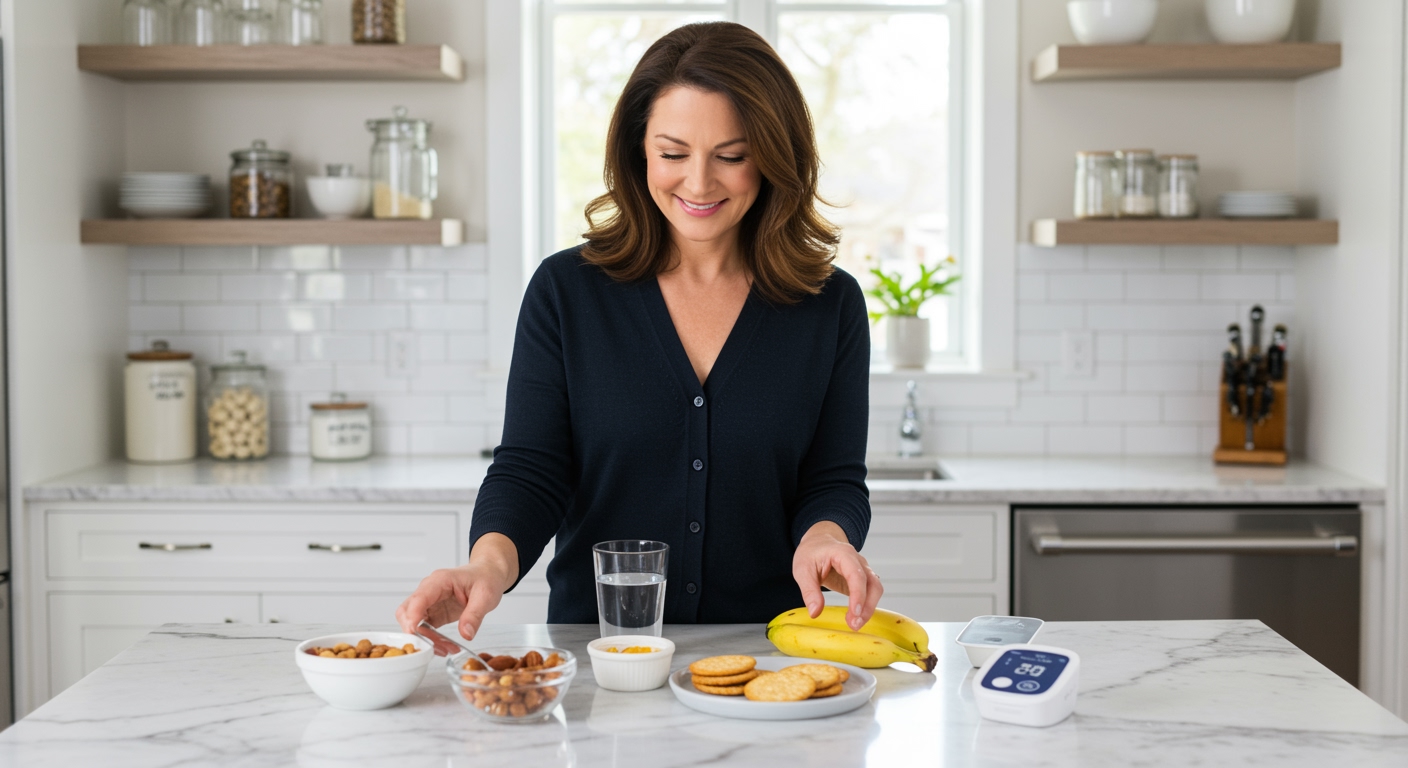
✪ Key Takeaway: Yes, hypotension patients should eat smaller, more frequent meals to prevent postprandial hypotension and maintain stable blood pressure.
Introduction
Your blood pressure drops after every meal, and you might not even know it.
If you have hypotension, you probably wonder whether changing your eating schedule could help stabilize your blood pressure throughout the day.
Hi, I’m Abdur, your nutrition coach, and today I’m going to explain how meal frequency affects hypotension and why eating patterns matter more than you think.
What Happens to Blood Pressure After Eating?
When you eat a meal, your body redirects blood flow to your digestive system to help process the food.
This natural process causes a temporary drop in blood pressure called postprandial hypotension.
For people with normal blood pressure, this drop is barely noticeable because their cardiovascular system compensates quickly.
However, if you already have low blood pressure, this additional drop can cause dizziness, fatigue, or even fainting.
Large meals create a more significant blood pressure drop because they require more digestive energy and blood flow redirection.
Research shows that blood pressure can drop by 20 mmHg or more within two hours after eating a large meal.
✪ Fact: Postprandial hypotension affects up to 30% of elderly people and those with existing low blood pressure conditions.
How Do Frequent Small Meals Help Hypotension?
Eating smaller, more frequent meals reduces the digestive burden on your cardiovascular system.
When you consume less food at once, your body needs less blood flow redirection to handle digestion.
This means your blood pressure experiences smaller, more manageable fluctuations throughout the day.
Frequent meals also help maintain steady blood sugar levels, which supports stable blood pressure.
When blood sugar drops too low, it can trigger additional blood pressure drops and worsen hypotension symptoms.
Studies indicate that eating 5-6 small meals instead of 3 large ones can reduce postprandial hypotension episodes by up to 40 percent.
✪ Pro Tip: Aim for meals containing 300-400 calories each rather than 800+ calorie meals to minimize blood pressure drops.
What Foods Should You Include in Frequent Meals?
The composition of your frequent meals matters as much as their size and timing.
Include moderate amounts of healthy sodium from natural sources like sea salt, olives, or pickled vegetables.
Sodium helps your body retain fluid and maintain blood volume, which supports healthy blood pressure.
Add complex carbohydrates like oats, quinoa, or sweet potatoes to provide steady energy without causing rapid blood sugar spikes.
Include lean proteins such as chicken, fish, eggs, or legumes to help stabilize blood sugar and provide sustained energy.
Healthy fats from nuts, seeds, avocado, or olive oil can slow digestion and prevent rapid blood pressure changes.
Stay well-hydrated between meals, as dehydration can worsen hypotension symptoms significantly.
✪ Note: Avoid refined sugars and processed foods that can cause rapid blood sugar and blood pressure fluctuations.
When Should You Time Your Frequent Meals?
Proper meal timing can maximize the benefits of frequent eating for hypotension management.
Start with a small breakfast within one hour of waking to prevent morning blood pressure drops.
Space your meals every 2-3 hours throughout the day to maintain steady blood sugar and pressure levels.
Avoid eating large meals close to bedtime, as this can affect sleep quality and morning blood pressure.
Consider having a small snack before activities that typically worsen your hypotension symptoms, such as standing for long periods.
Monitor your blood pressure before and after meals to identify your personal patterns and optimal timing.
✪ Pro Tip: Keep a food and symptom diary to track which meal patterns work best for your individual hypotension management.
Are There Any Risks to Frequent Eating?
While frequent meals generally benefit hypotension patients, some considerations deserve attention.
Eating more often can lead to weight gain if you consume more total calories than your body needs.
Plan your meal portions carefully to ensure your daily calorie intake remains appropriate for your activity level and health goals.
Some people find frequent eating inconvenient or socially challenging, especially during work or travel.
If you have diabetes or other metabolic conditions, consult your healthcare provider before changing your eating pattern significantly.
Frequent eating may not be suitable if you take certain medications that require specific timing relationships with food.
✪ Note: Always discuss significant dietary changes with your doctor, especially if you take blood pressure medications.
The Bottom Line
Frequent, smaller meals can significantly help manage hypotension by reducing postprandial blood pressure drops and maintaining more stable levels throughout the day.
Small changes in meal timing and size often produce big improvements in how you feel every day.
I would love to hear about your experience with meal frequency and hypotension management, so please share your thoughts, questions, or success stories in the comments below.
References
At NutritionCrown, we use quality and credible sources to ensure our content is accurate and trustworthy. Below are the sources referenced in creating this article:
- PubMed: Postprandial hypotension in older adults
- Healthline: Postprandial Hypotension
- PMC: Postprandial Hypotension
- Medical News Today: Low blood pressure diet