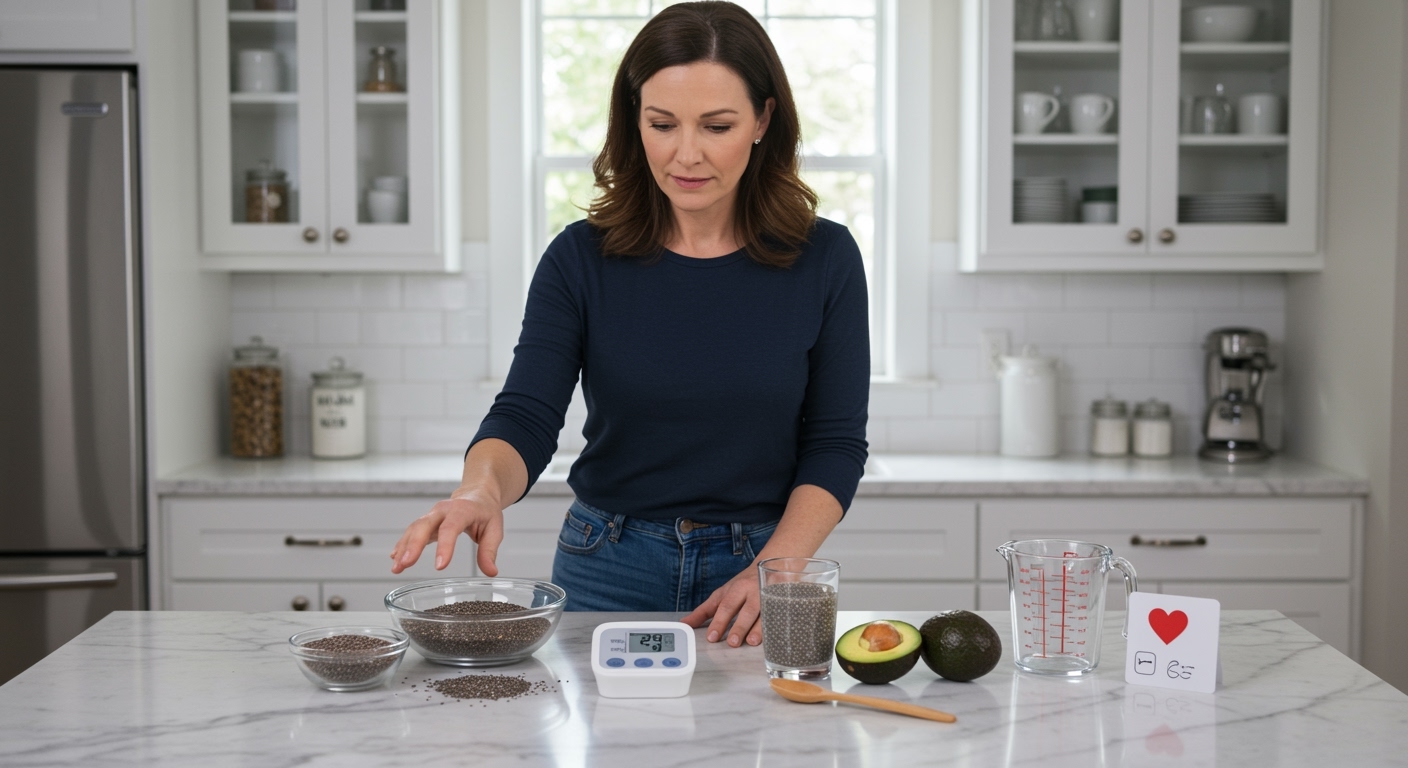
✪ Key Takeaway: Chia seeds lower blood pressure, so they may worsen hypotension if consumed regularly without monitoring.
Introduction
You see chia seeds everywhere these days, from smoothie bowls to health blogs promising miraculous benefits.
But when you already struggle with low blood pressure, you wonder if this tiny seed will help you or make your dizziness and fatigue even worse.
Hi, I am Abdur, your nutrition coach, and today I am going to explain exactly how chia seeds affect blood pressure, what the research shows, and whether you should include them in your diet when dealing with hypotension.
What Do Chia Seeds Actually Do To Blood Pressure?
Research consistently shows that chia seeds lower blood pressure in people who consume them regularly over several weeks.
A comprehensive review published in Nutrition Reviews analyzed multiple studies and found that chia seed supplementation significantly reduces systolic blood pressure by an average of 4.5 mmHg.
This reduction happens because chia seeds contain high amounts of omega-3 fatty acids, particularly alpha-linolenic acid, which helps relax blood vessel walls.
When blood vessels relax, they widen, allowing blood to flow more easily with less pressure against the arterial walls.
The effect becomes more pronounced with long-term consumption, typically showing measurable changes after 12 weeks of daily intake.
For someone with hypertension, this blood pressure lowering effect is beneficial and desired.
But for someone with hypotension, this same mechanism can push your already low readings even lower, potentially causing symptoms like dizziness, fainting, or extreme fatigue.
✪ Fact: Studies show chia seeds reduce systolic blood pressure by 4.5 mmHg on average, which matters significantly when your baseline is already low.
Why Do Chia Seeds Lower Blood Pressure So Effectively?
The blood pressure lowering effect of chia seeds comes from multiple compounds working together in your body.
First, the omega-3 fatty acids in chia seeds get converted into compounds called eicosanoids, which have anti-inflammatory properties and promote blood vessel relaxation.
Second, chia seeds provide substantial amounts of fiber, which helps reduce cholesterol levels and improves overall cardiovascular function.
Third, these seeds contain magnesium and potassium, two minerals that directly influence blood pressure regulation by balancing sodium levels and supporting proper muscle function in blood vessel walls.
When you consume chia seeds regularly, these mechanisms combine to create a sustained reduction in blood pressure readings.
Research from Pharmacy Times highlights that this effect becomes clinically significant after consistent daily consumption of about 35 grams of chia seeds.
Your body does not distinguish between high and low blood pressure when responding to these compounds, it simply responds to the vasodilatory signals that chia seeds trigger.
✪ Note: The omega-3 fatty acids in chia seeds work systemically to relax blood vessels regardless of your starting blood pressure level.
Should You Avoid Chia Seeds If You Have Low Blood Pressure?
The answer depends on how low your blood pressure is and whether you experience symptoms from it.
If your blood pressure readings consistently fall below 90/60 mmHg and you experience dizziness, fatigue, or fainting, adding chia seeds to your daily diet could worsen these symptoms.
However, if your blood pressure is slightly low but you feel perfectly fine without any symptoms, occasional consumption of small amounts may not cause problems.
The key word here is occasional and in small amounts, not daily tablespoons in your morning smoothie.
Many people with symptomatic hypotension need to focus on strategies that raise blood pressure, such as increasing salt intake, staying hydrated, and eating smaller, frequent meals.
Adding a food that actively lowers blood pressure works against these management strategies.
Always monitor your symptoms and blood pressure readings if you decide to experiment with chia seeds, and stop immediately if you notice increased dizziness or weakness.
✪ Pro Tip: Track your blood pressure readings for two weeks after adding chia seeds to identify any concerning drops in your numbers.
What Are Better Alternatives For Someone With Low Blood Pressure?
Instead of chia seeds, focus on foods that help stabilize or raise blood pressure naturally without causing harm.
Foods with higher sodium content, such as olives, pickles, and properly salted homemade meals, can help maintain adequate blood pressure levels.
Drinking plenty of water throughout the day increases blood volume, which directly raises blood pressure readings.
Small, frequent meals that include complex carbohydrates and adequate protein prevent the blood pressure drops that often happen after large meals.
Foods rich in vitamin B12 and folate, such as eggs, dairy, and leafy greens, support healthy red blood cell production, which helps maintain proper blood pressure.
If you want the nutritional benefits of omega-3 fatty acids without the blood pressure lowering effect, consider other sources like walnuts or fatty fish in moderation.
The goal is choosing foods that support your specific condition rather than following general health trends that may not apply to your situation.
✪ Pro Tip: Focus on adequate hydration and proper salt intake before experimenting with any seeds or supplements when managing low blood pressure.
Can You Ever Safely Include Chia Seeds With Hypotension?
You might be able to include very small amounts of chia seeds occasionally if your hypotension is mild and asymptomatic.
Start with just one teaspoon once or twice per week rather than the commonly recommended one to two tablespoons daily.
Monitor your symptoms carefully for any increase in dizziness, fatigue, or lightheadedness after consumption.
Consider pairing chia seeds with foods that have higher sodium content to counterbalance the blood pressure lowering effect.
Never consume chia seeds on an empty stomach or first thing in the morning when blood pressure naturally tends to be lower.
If you take any medications for other conditions, check with your healthcare provider because chia seeds can interact with blood thinners and diabetes medications.
The safest approach is prioritizing foods that help manage your hypotension rather than forcing trendy superfoods into your diet when they work against your health goals.
✪ Note: Even small amounts of chia seeds consumed regularly can create cumulative blood pressure lowering effects over time.
The Bottom Line
Chia seeds lower blood pressure through well-documented mechanisms, making them unsuitable for regular consumption if you struggle with hypotension.
Health is not about following trends but choosing what actually supports your unique body and condition, even when that means skipping popular superfoods that everyone else praises.
I would love to hear about your experience with chia seeds and blood pressure or any questions you have about managing hypotension through nutrition, so please share your thoughts in the comments below.
References
At NutritionCrown, we use quality and credible sources to ensure our content is accurate and trustworthy. Below are the sources referenced in writing this article:
- Pharmacy Times: Long-Term Chia Seed Supplementation May Significantly Lower Systolic Blood Pressure
- Nutrition Reviews: Chia Seed Supplementation and Blood Pressure: A Systematic Review and Meta-Analysis
- PubMed: Effects of Chia Seed Consumption on Cardiovascular Risk Factors
- HerbalGram: Chia Seed Blood Pressure Cholesterol Levels