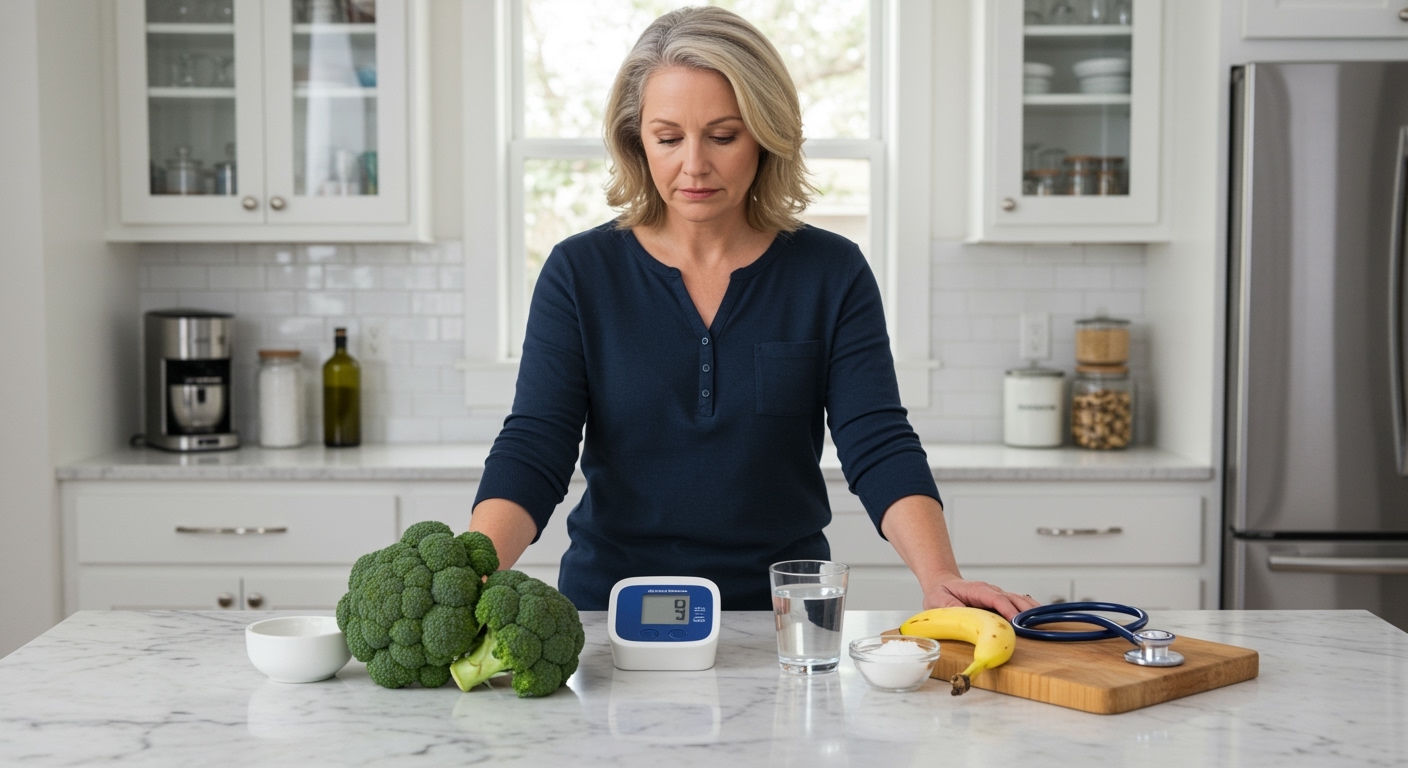
✪ Key Takeaway: Broccoli can lower blood pressure, so it may worsen hypotension if you already have low blood pressure readings.
Introduction
You wake up feeling dizzy, your vision blurs when you stand, and you wonder if your food choices are making things worse.
You might be asking this question because you have low blood pressure and you have heard that broccoli is a healthy vegetable, but you are not sure if it will help or hurt your condition.
Hi, I am Abdur, your nutrition coach and today I am going to explain how broccoli affects your blood pressure and whether you should include it in your diet when dealing with hypotension.
Does Broccoli Lower or Raise Blood Pressure?
Broccoli is a cruciferous vegetable that contains compounds called glucosinolates, which break down into active substances that affect your cardiovascular system.
Research shows that people who eat cruciferous vegetables like broccoli regularly tend to have lower blood pressure compared to those who eat root vegetables or squash.
A study published in 2024 found that participants who consumed four servings of cruciferous vegetables daily experienced a reduction of 2.5 mmHg in their 24-hour ambulatory blood pressure.
This happens because compounds in broccoli help relax your blood vessels, making it easier for blood to flow through them with less force against the vessel walls.
When your blood vessels relax, the pressure inside them naturally decreases, which is great for people with high blood pressure but problematic for those with already low readings.
So if you already have hypotension, eating large amounts of broccoli could potentially make your symptoms worse by lowering your blood pressure even further.
✪ Fact: Cruciferous vegetables contain more blood pressure-lowering compounds than any other vegetable family, including root vegetables.
What Compounds in Broccoli Affect Blood Pressure?
The main active compound in broccoli is sulforaphane, which forms when you chew or chop the vegetable and its glucosinolates come into contact with an enzyme called myrosinase.
Sulforaphane activates a protein in your body called Nrf2, which triggers the production of antioxidant enzymes that protect your blood vessels from damage.
These antioxidants reduce inflammation in your blood vessel walls, making them more flexible and responsive to changes in blood flow.
Broccoli also contains potassium, a mineral that helps your kidneys remove excess sodium from your body through urine.
When sodium levels drop, your body retains less water, which reduces the total volume of blood circulating through your vessels.
Lower blood volume means less pressure against your vessel walls, which again is beneficial for hypertension but not for hypotension.
Additionally, broccoli contains vitamin C and fiber, both of which support healthy blood vessel function and contribute to overall cardiovascular health.
✪ Note: Cooking broccoli at high temperatures can destroy myrosinase, reducing the formation of beneficial sulforaphane compounds.
Should You Avoid Broccoli if You Have Low Blood Pressure?
You do not need to completely avoid broccoli if you have low blood pressure, but you should be mindful of portion sizes and frequency.
Eating a small serving of broccoli once or twice a week is unlikely to cause significant problems with your blood pressure levels.
The issue arises when you consume large amounts regularly, such as multiple servings every day, which can create a cumulative blood pressure-lowering effect.
If you experience symptoms like dizziness, fatigue, or lightheadedness after eating broccoli, you should reduce your intake and monitor how you feel.
Instead of focusing heavily on cruciferous vegetables, you should prioritize foods that help raise blood pressure naturally, such as salty foods, fluids, and foods rich in vitamin B12.
Balance is key in nutrition, and even healthy foods can cause problems when consumed in excessive amounts or at the wrong time for your specific health condition.
✪ Pro Tip: Track your blood pressure readings before and after eating broccoli to understand how your body specifically responds to this vegetable.
What Should You Eat Instead to Help Low Blood Pressure?
When dealing with hypotension, you need foods that help increase blood volume or constrict blood vessels slightly to raise pressure.
Salty foods are your first option because sodium causes your body to retain more water, which increases the total volume of blood in your circulatory system.
Foods like olives, pickles, salted nuts, and cheese can provide the sodium you need without being unhealthy junk food.
Drinking plenty of fluids throughout the day, especially water and electrolyte-rich beverages, helps maintain adequate blood volume.
Foods rich in vitamin B12 and folate, such as eggs, fish, and fortified cereals, support red blood cell production, which is essential for maintaining healthy blood pressure.
Caffeine can provide a temporary boost by constricting blood vessels, so a cup of coffee or tea in the morning might help if you experience morning hypotension.
Small, frequent meals throughout the day prevent the blood pressure drops that often occur after large meals, a condition called postprandial hypotension.
✪ Fact: Drinking just two cups of water can raise blood pressure by about 10 mmHg within 15 minutes in people with hypotension.
Can You Get the Benefits of Broccoli Without Lowering Blood Pressure?
Broccoli offers many nutritional benefits beyond its effects on blood pressure, including vitamins, minerals, fiber, and cancer-fighting compounds.
If you want these benefits without the blood pressure-lowering effect, you can try eating very small portions, such as a few florets mixed into a larger meal.
Cooking broccoli at high temperatures reduces the formation of sulforaphane, which might minimize its impact on your blood pressure while preserving other nutrients.
You can also get similar nutrients from vegetables that do not lower blood pressure as significantly, such as carrots, sweet potatoes, or bell peppers.
Another strategy is to pair broccoli with salty foods or fluids to counterbalance its blood pressure-lowering effects during the same meal.
Remember that your overall dietary pattern matters more than any single food, so focus on creating balanced meals that support your specific health needs.
✪ Pro Tip: Steam broccoli for just three to four minutes to preserve nutrients while reducing the formation of blood pressure-lowering compounds.
The Bottom Line
Broccoli is a nutritious vegetable that can lower blood pressure, which makes it problematic if you already struggle with hypotension.
Every food has its place, but not every food has your place at every time, so choose your vegetables based on your current health status rather than general health advice.
I would love to hear your thoughts and experiences with broccoli and blood pressure in the comments below, so please share your questions or feedback.
References
At NutritionCrown, we use quality and credible sources to ensure our content is accurate and trustworthy. Below are the sources referenced in writing this article:
- News Medical: Cruciferous vegetables like broccoli reduce blood pressure compared to root and squash vegetables
- PMC: Effect of cruciferous vegetable intake on blood pressure in adults
- Avicenna Cardiology: Vegetables for Low Blood Pressure: The Ultimate Guide
- Manhattan Cardiology: What to Eat to Help Raise Low Blood Pressure