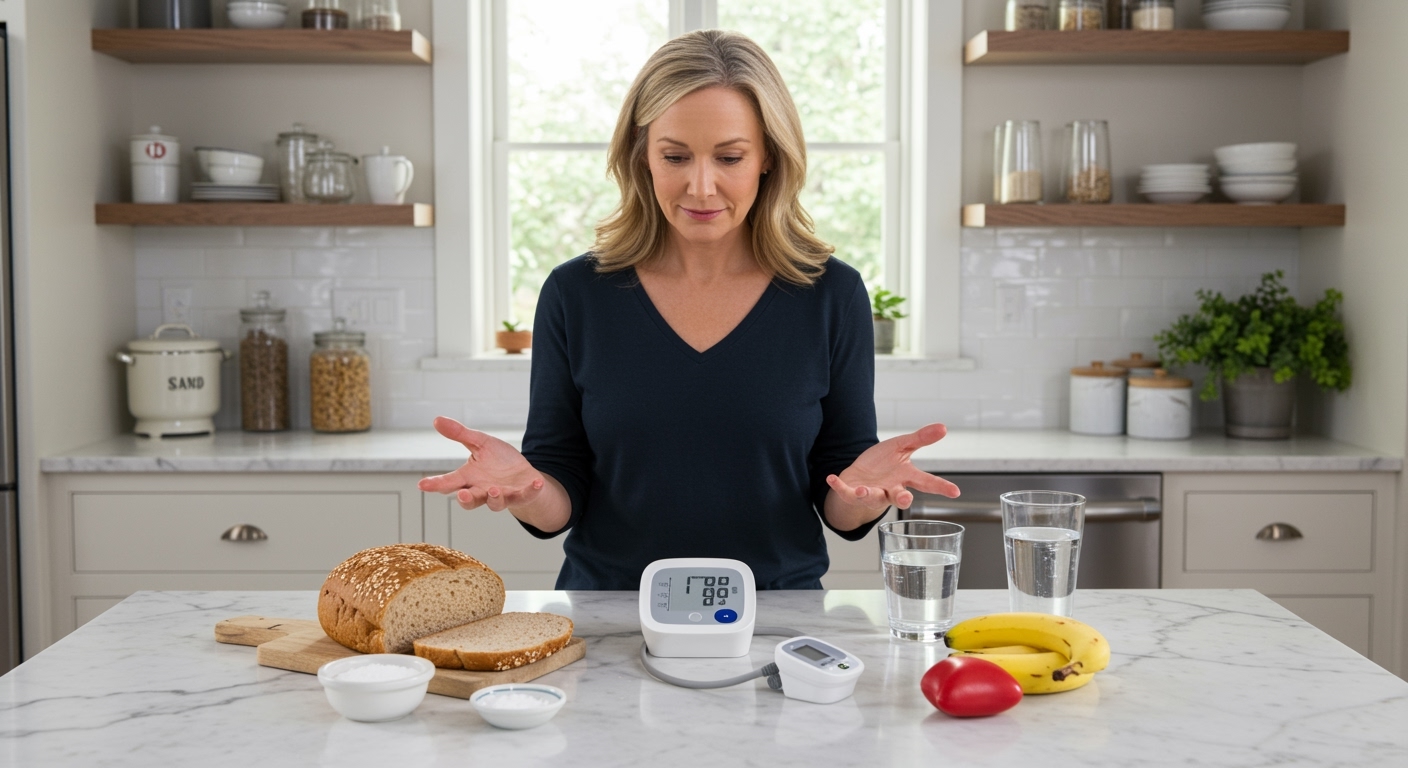
✪ Key Takeaway: Bread is not bad for low blood pressure and can actually help when chosen wisely with adequate sodium and balanced meals.
Introduction
You stand in the grocery aisle staring at bread and wondering if this simple food is sabotaging your already low blood pressure.
Everyone talks about avoiding bread for high blood pressure, but what happens when your pressure runs too low and you feel dizzy, tired, and weak throughout the day.
Hi, I am Abdur, your nutrition coach and today I am going to explain how bread actually fits into a low blood pressure diet and why the common advice you hear might not apply to your situation at all.
Why Does Everyone Say Bread Is Bad?
The anti-bread movement comes from decades of research focused on high blood pressure, diabetes, and weight gain.
Refined white bread spikes blood sugar quickly, causes insulin surges, and provides little nutritional value beyond empty calories.
Health organizations worldwide recommend limiting refined grains to prevent cardiovascular disease and metabolic problems.
But here is the problem with applying this advice to low blood pressure.
Your body needs adequate blood volume and energy to maintain proper circulation, and completely avoiding carbohydrates can actually make your symptoms worse.
The research warning against bread focuses on people with hypertension, not hypotension, which is a completely different physiological state.
When your blood pressure runs low, your body struggles to pump blood efficiently to your brain, organs, and extremities.
✪ Fact: Whole grain bread consumption is associated with lower cardiovascular disease risk in people with normal or high blood pressure, but research on hypotension remains limited.
How Does Bread Actually Affect Blood Pressure?
Bread provides carbohydrates that your body converts into glucose for immediate energy and glycogen for storage.
When you eat bread, your blood sugar rises, triggering insulin release that helps cells absorb glucose from your bloodstream.
This process requires adequate blood flow to transport nutrients throughout your body.
With low blood pressure, your circulation is already compromised, so providing your body with easily accessible energy becomes important.
The sodium content in bread also plays a role that most people overlook.
One slice of regular bread contains about 100-200 mg of sodium, which helps your body retain water and increase blood volume.
For people with hypotension, moderate sodium intake is often recommended by doctors to help raise blood pressure to healthier levels.
✪ Pro Tip: Check bread labels and choose varieties with 150-200 mg sodium per slice to support blood volume without overdoing salt intake.
What Type Of Bread Should You Choose?
Whole grain bread offers more benefits than white bread because it contains fiber, B vitamins, magnesium, and other nutrients.
The fiber in whole grains slows down digestion, preventing rapid blood sugar spikes and crashes that can worsen dizziness.
B vitamins, especially B12 and folate, support red blood cell production, which is essential for carrying oxygen throughout your body.
Magnesium helps regulate blood vessel tone and supports healthy circulation.
Sourdough bread is another excellent option because the fermentation process breaks down some of the gluten and makes nutrients more bioavailable.
The natural acids in sourdough also slow down the glycemic response, giving you more stable energy throughout the day.
Rye bread contains more fiber and nutrients than wheat bread and has been associated with better cardiovascular health in multiple studies.
✪ Note: Avoid bread with added sugars or high fructose corn syrup, as these provide no additional benefits for blood pressure management.
When Should You Eat Bread With Low Blood Pressure?
Timing your bread consumption matters more than most people realize.
Eating bread at breakfast provides quick energy to start your day and helps prevent morning dizziness that many people with hypotension experience.
Combining bread with protein and healthy fats creates a balanced meal that stabilizes blood sugar and supports sustained circulation.
A sandwich with eggs, avocado, and whole grain bread gives you carbohydrates, sodium, protein, and healthy fats all at once.
Avoid eating bread alone on an empty stomach because the rapid blood sugar spike followed by a crash can make you feel worse.
If you experience postprandial hypotension, which means your blood pressure drops after eating, smaller frequent meals with bread might work better than large meals.
Drinking water with your bread-based meals also helps because adequate hydration is crucial for maintaining blood volume and pressure.
✪ Pro Tip: Pair your morning toast with a glass of water and a pinch of salt to maximize blood volume support throughout the day.
Can Too Much Bread Cause Problems?
Even though bread can help with low blood pressure, eating excessive amounts creates different problems.
Overconsumption of any food, including bread, leads to weight gain, blood sugar imbalances, and nutrient deficiencies from lack of dietary variety.
Too much sodium from bread and other sources can eventually damage your kidneys and blood vessels over time.
The key is finding the right balance that supports your blood pressure without creating new health issues.
Most people with hypotension do well with 2-4 servings of whole grain bread per day as part of a balanced diet.
Listen to your body and notice how you feel after eating bread.
If you experience improved energy, less dizziness, and better concentration, then bread is working for you, but if you feel sluggish or bloated, you might need to adjust portions or timing.
✪ Fact: Individual responses to bread vary based on gut health, insulin sensitivity, and overall dietary patterns, so personalized adjustments are essential.
The Bottom Line
Bread is not bad for low blood pressure and can actually support better circulation when you choose whole grain varieties and eat them as part of balanced meals.
Stop following advice meant for the opposite problem and start eating for the body you actually have.
I would love to hear your experience with bread and low blood pressure, so please share your thoughts, questions, or feedback in the comment section below.
References
At NutritionCrown, we use quality and credible sources to ensure our content is accurate and trustworthy. Below are the sources referenced in writing this article:
- PubMed: Whole Grain Intake and Cardiovascular Disease
- Qardio: Heart Healthy Breakfast Which Foods Lower Blood Pressure
- Mayo Clinic: Whole Grain Foods and Blood Pressure
- Medical News Today: Low Blood Pressure Diet
- Cleveland Clinic: Low Blood Pressure Hypotension