✪ Key Takeaway: Alcohol initially lowers blood pressure but raises it later, making it risky for hypotension patients who need stable readings.
Introduction
You reach for that glass of wine after a long day, but then you remember your low blood pressure diagnosis.
You might be asking this question because your doctor mentioned watching your alcohol intake, or maybe you felt dizzy after drinking and wondered if the two were connected.
Hi, I am Abdur, your nutrition coach and today I am going to explain how alcohol affects low blood pressure and whether you should worry about your drinking habits.
What Actually Happens When You Drink Alcohol?
Alcohol creates a biphasic effect on your blood pressure that most people never understand.
Within the first few hours of drinking, alcohol acts as a vasodilator, which means it relaxes and widens your blood vessels.
This widening causes your blood pressure to drop temporarily, sometimes by 5 to 10 mmHg depending on how much you drink.
For someone with already low blood pressure, this initial drop can push readings into dangerously low territory.
Your body then responds by releasing stress hormones like cortisol and adrenaline to compensate for this drop.
After several hours, these hormones cause your blood pressure to rebound and rise, sometimes higher than where you started.
This rollercoaster pattern creates unpredictable cardiovascular stress that your body struggles to manage efficiently.
✪ Fact: Research shows that even small amounts of alcohol can cause measurable blood pressure changes within 30 minutes of consumption.
Why Does Low Blood Pressure Make Alcohol More Dangerous?
People with hypotension already operate with blood pressure readings below 90/60 mmHg.
When alcohol drops your pressure even further, your brain and vital organs might not receive enough oxygen-rich blood.
This oxygen shortage triggers symptoms like dizziness, lightheadedness, blurred vision, and confusion.
In severe cases, you might experience fainting or syncope, which can lead to dangerous falls and physical injuries.
Your heart tries to compensate by beating faster to pump more blood, but this increased heart rate creates additional cardiovascular strain.
The combination of low pressure and rapid heartbeat can make you feel anxious, shaky, or experience chest discomfort.
These symptoms often get dismissed as normal drinking effects, but they signal your body struggling with inadequate blood circulation.
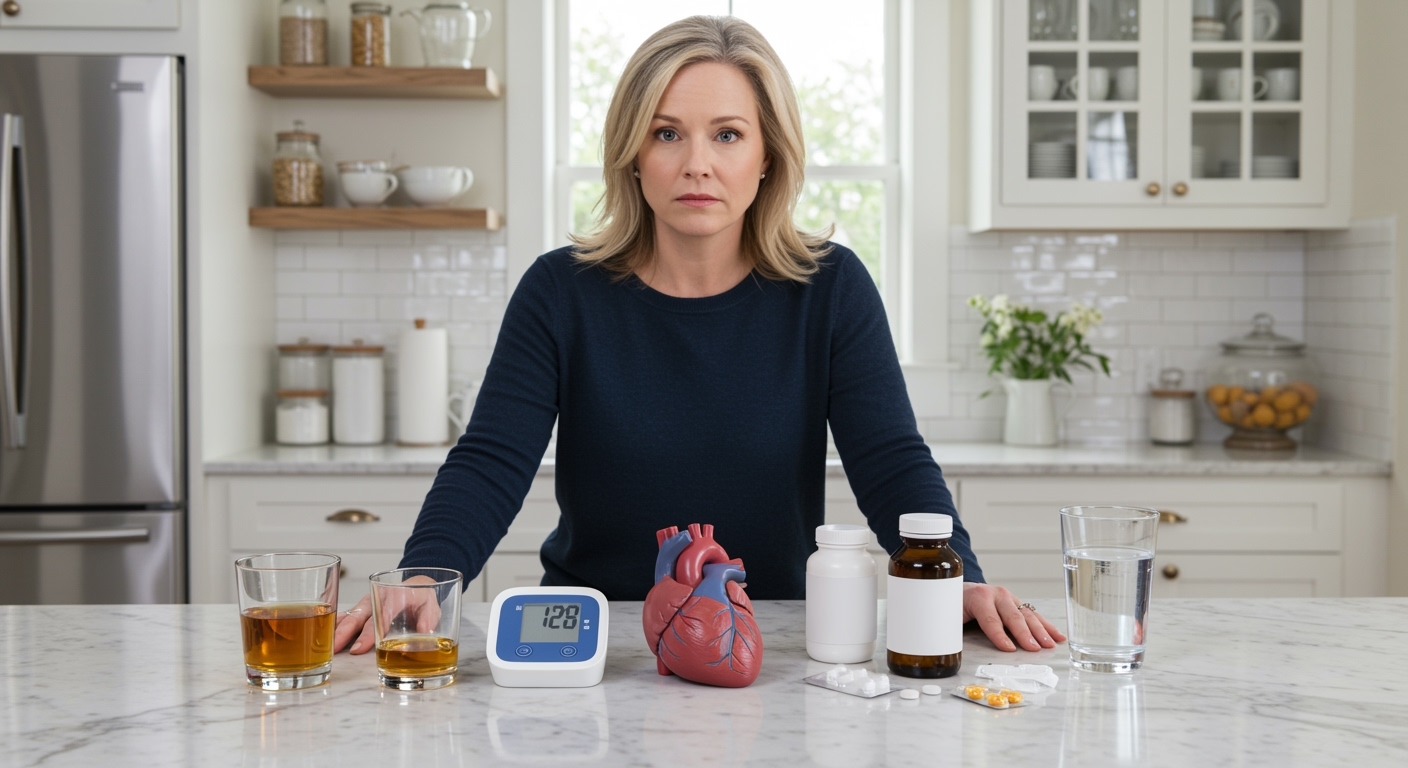
✪ Pro Tip: Always check your blood pressure before drinking alcohol to know your baseline and make safer decisions about consumption.
Does The Type Of Alcohol Matter For Your Blood Pressure?
Many people believe that wine is safer than spirits, but the alcohol content matters more than the beverage type.
One standard drink contains about 14 grams of pure alcohol, whether that comes from beer, wine, or liquor.
The blood pressure effect depends on how much pure alcohol enters your bloodstream, not what drink you choose.
Beer and wine do contain some beneficial compounds like polyphenols, but these do not cancel out the negative cardiovascular effects of alcohol itself.
Mixed drinks with high sugar content create additional problems by causing rapid blood sugar fluctuations.
These sugar swings can worsen hypotension symptoms and make you feel even more unstable.
The speed at which you drink also matters because rapid consumption prevents your body from adapting to the pressure changes.
✪ Note: Carbonated alcoholic drinks get absorbed faster into your bloodstream, potentially causing quicker and more dramatic blood pressure drops.
How Much Alcohol Is Safe With Low Blood Pressure?
The safest answer for people with symptomatic hypotension is to avoid alcohol completely.
If you have low blood pressure that causes regular dizziness or fainting, adding alcohol creates unnecessary and preventable health risks.
For those with mild, asymptomatic low blood pressure, limiting intake to one standard drink occasionally might be acceptable.
You should always consume that drink with food to slow alcohol absorption and minimize the pressure drop.
Never drink alcohol when you are dehydrated, tired, or have not eaten properly throughout the day.
These conditions make your blood pressure more unstable and increase the likelihood of severe symptoms.
Always discuss your specific situation with your healthcare provider because individual factors like medications and underlying conditions change what is safe for you.
✪ Pro Tip: Keep a symptom diary tracking your blood pressure readings and how you feel after drinking to identify your personal tolerance level.
What Should You Do If You Feel Symptoms After Drinking?
If you experience dizziness, lightheadedness, or weakness after drinking, sit or lie down immediately.
Elevating your legs above heart level helps blood flow back to your brain and vital organs.
Drink water or an electrolyte beverage to combat dehydration, which worsens low blood pressure symptoms.
Avoid standing up quickly because sudden position changes can cause orthostatic hypotension and lead to fainting.
If symptoms persist for more than 15 minutes or worsen, seek medical attention immediately.
Some medications for low blood pressure interact dangerously with alcohol, creating severe complications that require emergency care.
Prevention remains your best strategy, so learn to recognize your body signals and stop drinking before symptoms develop.
✪ Note: Never drive or operate machinery if you experience any blood pressure symptoms after drinking, even if you feel the effects are mild.
The Bottom Line
Alcohol creates unpredictable blood pressure changes that pose serious risks for people with hypotension.
Your health deserves more protection than any drink can offer, especially when safer alternatives exist for relaxation and enjoyment.
Share your experiences with alcohol and low blood pressure in the comments below, or let me know if you have questions about managing your cardiovascular health.
References
At NutritionCrown, we use quality and credible sources to ensure our content is accurate and trustworthy. Below are the sources referenced in writing this article:
- American Heart Association: Alcohol, Wine and Cardiovascular Disease
- Cochrane: Alcohol Has Biphasic Effect on Blood Pressure
- American College of Cardiology: Small Changes in Alcohol Intake Linked to Blood Pressure Shifts
- Cleveland Clinic: Low Blood Pressure (Hypotension)