✪ Key Takeaway: Most seasonings are safe for high blood pressure, and many herbs and spices actually help lower it naturally.
Introduction
You probably think all seasonings are dangerous when you have high blood pressure.
This fear makes sense because doctors always warn about salt, and most people assume all seasonings contain high amounts of sodium that spike blood pressure immediately.
Hi, I am Abdur, your nutrition coach, and today I am going to explain which seasonings are safe for high blood pressure and which ones actually help lower it naturally.
What Makes Salt Different From Other Seasonings?
Salt contains sodium chloride, which directly affects blood pressure by causing your body to retain water.
When you consume too much sodium, your kidneys struggle to remove the excess, and this extra fluid increases the volume of blood flowing through your vessels.
The increased blood volume puts more pressure on artery walls, which raises your blood pressure readings over time.
Most herbs and spices contain minimal sodium naturally, making them completely different from table salt in their effect on blood pressure.
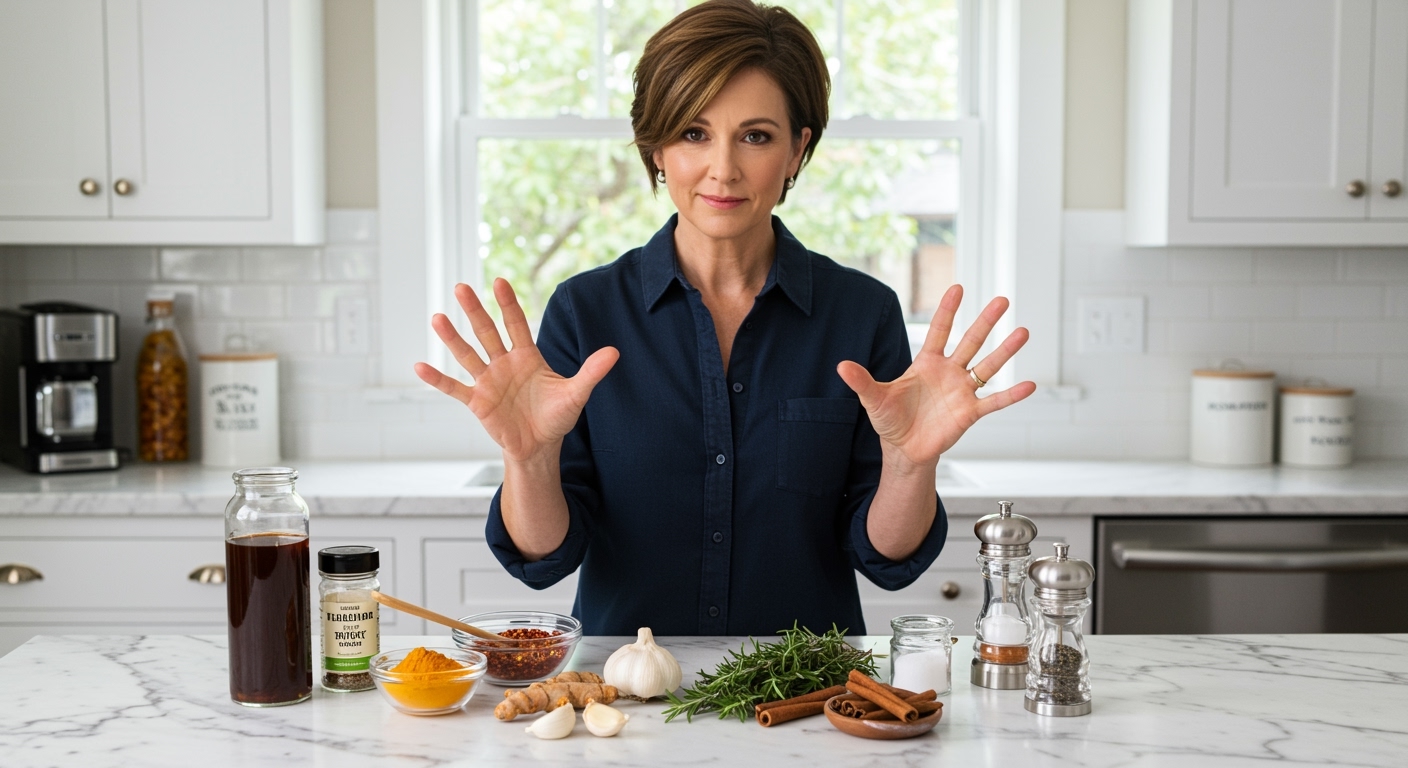
Fresh garlic, turmeric, black pepper, cinnamon, ginger, and rosemary all add intense flavor without adding sodium to your meals.
The confusion happens because many seasoning blends sold in stores contain added salt as their primary ingredient, which makes people think all seasonings are bad.
When you check ingredient lists on seasoning bottles, you will often find salt listed first, meaning it makes up the largest portion of that product.
✪ Pro Tip: Always check the ingredient list on seasoning blends and choose products that list herbs or spices first, not salt.
Which Seasonings Actually Lower Blood Pressure?
Research shows that certain spices contain bioactive compounds that actively help reduce blood pressure through various mechanisms in your body.
Garlic contains allicin, a sulfur compound that helps relax blood vessels and improve blood flow, which naturally lowers blood pressure readings.
Studies demonstrate that consuming garlic regularly can reduce systolic blood pressure by 8-10 mmHg and diastolic pressure by 5-6 mmHg in people with hypertension.
Turmeric contains curcumin, which reduces inflammation in blood vessels and improves their ability to expand and contract properly.
Cinnamon helps improve insulin sensitivity and reduces inflammation, both of which contribute to better blood pressure control over time.
Black pepper contains piperine, which enhances the absorption of beneficial compounds from other foods and may help reduce blood pressure through improved circulation.
Cayenne pepper and other hot spices contain capsaicin, which stimulates the release of nitric oxide, a molecule that relaxes blood vessels and lowers blood pressure naturally.
✪ Fact: People who regularly consume spicy foods show lower blood pressure readings compared to those who avoid spicy seasonings entirely.
Why Do Doctors Always Warn About Seasoning?
Doctors warn about seasoning because most patients use pre-mixed blends that contain high amounts of hidden sodium.
When healthcare providers say avoid seasoning, they really mean avoid products like seasoned salt, garlic salt, onion salt, and commercial spice blends with added sodium.
The medical advice gets simplified to avoid all seasoning because explaining the difference between pure spices and salt-heavy blends takes too much time during short appointments.
Many patients also add seasoning without measuring, which leads to excessive sodium intake when using products that contain salt as a main ingredient.
Restaurant food and processed meals use seasoning blends loaded with sodium to enhance flavor cheaply, which contributes to the negative reputation of all seasonings.
The truth is that pure herbs and spices without added salt are not only safe but actually beneficial for people managing high blood pressure.
✪ Note: Your doctor wants you to avoid sodium, not flavor, so clarify which specific seasonings they recommend avoiding.
How Should You Season Food With High Blood Pressure?
Start by replacing salt with individual herbs and spices that you buy in their pure form without any added ingredients.
Fresh or dried basil, oregano, thyme, rosemary, sage, and parsley all provide intense flavor without contributing any sodium to your meals.
Use garlic powder, onion powder, and ginger powder instead of their salted versions, which contain mostly sodium with minimal actual garlic, onion, or ginger.
Create your own seasoning blends at home by mixing pure spices together, which gives you complete control over ingredients and eliminates hidden sodium.
Add acid from lemon juice, lime juice, or vinegar to brighten flavors naturally without needing salt to make food taste better.
Toast whole spices in a dry pan before grinding them, which intensifies their flavor and makes small amounts go much further in your cooking.
When buying pre-mixed seasonings, look for products specifically labeled salt-free or no-salt-added, and always verify by reading the ingredient list carefully.
✪ Pro Tip: Keep five to seven different pure spices on hand so you never feel like your food is bland or boring.
Can You Ever Use Salt With High Blood Pressure?
You can use small amounts of salt if your total daily sodium intake stays below the recommended limit of 1,500-2,300 mg per day.
The problem is not using a pinch of salt in home cooking but consuming processed foods that contain hundreds or thousands of milligrams in single servings.
Most people with high blood pressure get 70-80 percent of their sodium from restaurant meals, packaged foods, and processed products, not from their salt shaker at home.
If you cook all your meals from scratch using whole ingredients, adding a small amount of salt for flavor will not push you over safe sodium limits.
Consider using potassium-based salt substitutes that provide salty flavor without sodium, but check with your doctor first if you have kidney problems.
The key is tracking your total sodium intake from all sources throughout the day, not just worrying about the salt you add during cooking.
✪ Fact: One teaspoon of table salt contains about 2,300 mg of sodium, which equals the entire daily limit for most people.
The Bottom Line
Seasoning is not bad for high blood pressure when you choose pure herbs and spices without added sodium.
Your food should taste amazing while supporting your health, not force you to choose between flavor and blood pressure control.
Share your favorite salt-free seasoning combinations in the comments below so others can discover new ways to make healthy food taste incredible.
References
At NutritionCrown, we use quality and credible sources to ensure our content is accurate and trustworthy. Below are the sources referenced in writing this article:
- Scripps Health: Spicy Food May Lower Blood Pressure
- PubMed: Effects of Garlic on Blood Pressure
- Medical News Today: Can Herbs and Spices Lower Blood Pressure
- McCormick Science Institute: Potential Benefits of Spices in Moderating Blood Pressure