✪ Key Takeaway: Pickled beets contain blood pressure-lowering nitrates but their high sodium content cancels out most benefits.
Introduction
You walk down the grocery aisle and spot a jar of pickled beets sitting next to the fresh ones.
You have heard that beets can lower blood pressure, but you wonder if the pickled version works the same way or if the pickling process changes everything.
Hi, I am Abdur, your nutrition coach, and today I am going to explain exactly how pickled beets affect your blood pressure and whether they deserve a spot in your diet.
What Makes Beets Good for Blood Pressure in the First Place?
Fresh beets contain high levels of dietary nitrates, which are natural compounds found in many vegetables.
When you eat beets, your body converts these nitrates into nitric oxide, a molecule that relaxes and widens your blood vessels.
This widening of blood vessels is called vasodilation, and it directly reduces the pressure your blood exerts against artery walls.
Multiple studies show that drinking beet juice or eating fresh beets can lower systolic blood pressure by 4 to 10 points within just a few hours.
The effect is temporary but consistent, making beets a popular natural option for people managing high blood pressure.
Fresh beets also provide potassium, fiber, and antioxidants that support overall cardiovascular health beyond just nitrate content.
✪ Fact: One cup of fresh beets contains about 440 mg of nitrates, which is enough to produce measurable blood pressure benefits.
How Does Pickling Change the Nutritional Profile of Beets?
Pickling preserves beets by soaking them in a solution of vinegar, salt, and sometimes sugar.
The good news is that pickling does not destroy the nitrates in beets, so they still contain the compounds that help lower blood pressure.
However, the pickling process adds significant amounts of sodium, which is the main problem for anyone concerned about blood pressure.
A half-cup serving of pickled beets typically contains 200 to 300 mg of sodium, while the same amount of fresh beets has only about 65 mg.
High sodium intake causes your body to retain water, which increases blood volume and raises blood pressure.
So while pickled beets still deliver nitrates, the added sodium works against the very benefit you are trying to achieve.
✪ Note: Commercial pickled beets often contain more sodium than homemade versions, so always check the label before buying.
Do Pickled Beets Still Lower Blood Pressure Despite the Sodium?
The answer depends on how much sodium you consume from other sources throughout the day.
If you eat a low-sodium diet overall, adding a small serving of pickled beets might still provide some blood pressure benefits.
But if your diet already includes processed foods, restaurant meals, or salty snacks, the extra sodium from pickled beets will likely cancel out any positive effects.
Research shows that the blood pressure-lowering effect of nitrates is real, but it can be overwhelmed by excessive sodium intake.
Most health organizations recommend limiting sodium to 2,300 mg per day, and ideally closer to 1,500 mg for people with high blood pressure.
One serving of pickled beets can take up 10 to 20 percent of your daily sodium limit, which is significant when you consider all the other foods you eat.
So pickled beets are not the best choice if lowering blood pressure is your main goal.
✪ Pro Tip: If you love pickled beets, rinse them under cold water before eating to remove some of the surface sodium.
What Are Better Ways to Use Beets for Blood Pressure Management?
Fresh beets are always the superior choice when your goal is to manage high blood pressure naturally.
You can roast them, boil them, or eat them raw in salads without adding any sodium at all.
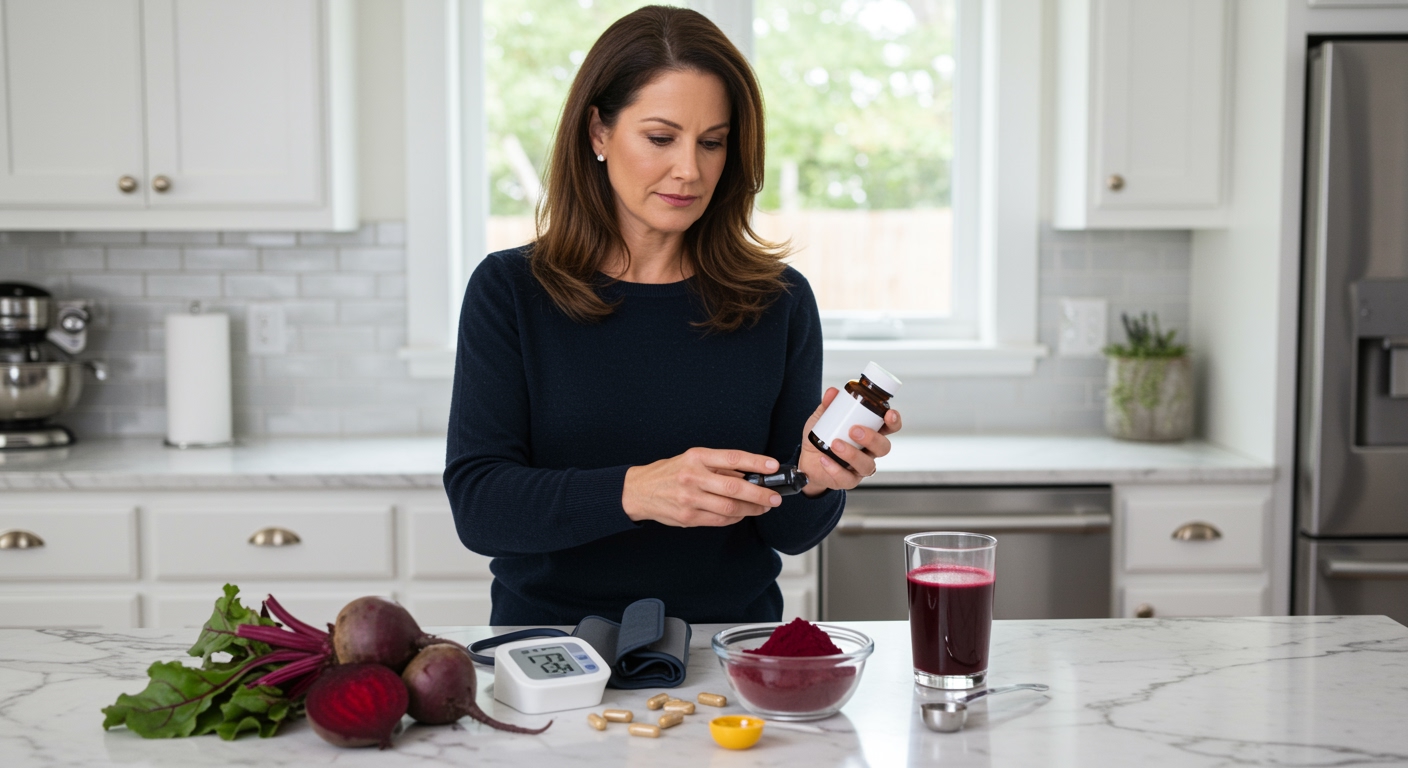
Beet juice is another excellent option because it delivers a concentrated dose of nitrates without the fiber, making absorption faster.
Some people prefer beet juice because they can drink it quickly in the morning and experience blood pressure benefits within two to three hours.
If you find fresh beets too earthy or strong in flavor, try mixing them with other vegetables like carrots or apples to make them more palatable.
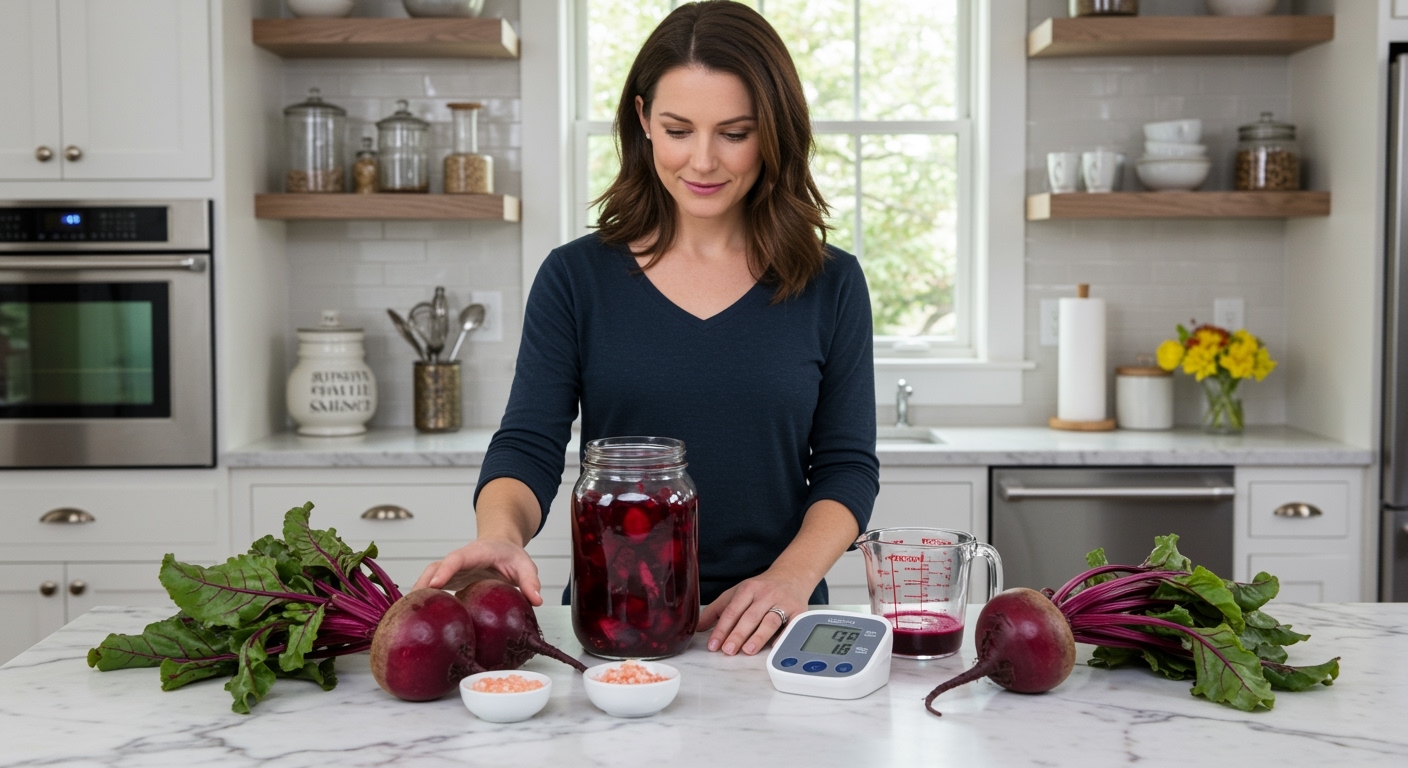
You can also make your own low-sodium pickled beets at home using vinegar, herbs, and just a pinch of salt for flavor.
This way, you control the sodium content while still enjoying the tangy taste that makes pickled beets appealing.
✪ Pro Tip: Drink beet juice two hours before checking your blood pressure to see the maximum effect from dietary nitrates.
Should You Avoid Pickled Beets Completely if You Have High Blood Pressure?
You do not need to avoid pickled beets completely, but you should treat them as an occasional food rather than a daily staple.
If you enjoy the taste and want to include them in your diet, limit your portion to a few slices and balance it with plenty of fresh, low-sodium foods.
The key is understanding that pickled beets are not a therapeutic food for blood pressure management like fresh beets or beet juice are.
They can be part of a healthy diet, but they should not be your primary strategy for lowering blood pressure.
Focus on eating a variety of vegetables, reducing processed foods, and staying active to see real improvements in your cardiovascular health.
Remember that no single food will fix high blood pressure, but your overall eating pattern makes a huge difference over time.
✪ Note: Always talk to your doctor before making major dietary changes, especially if you take blood pressure medications.
The Bottom Line
Pickled beets contain the same blood pressure-lowering nitrates as fresh beets, but their high sodium content makes them a poor choice for managing high blood pressure.
Fresh beets and beet juice give you all the benefits without the drawback of added sodium, so they should always be your first choice when health is the priority.
If you have any questions or want to share your experience with using beets for blood pressure management, please leave a comment below and I will respond personally.
References
At NutritionCrown, we use quality and credible sources to ensure our content is accurate and trustworthy. Below are the sources referenced in writing this article:
- Healthline: Are Pickled Beets Good for You?
- National Center for Biotechnology Information: Dietary Nitrate and Blood Pressure
- Mayo Clinic: Mayo Clinic Minute: It’s Hard to Beat the Health Benefits of Beets
- American Heart Association: Give Me a Beet: Why This Root Vegetable Should Be on Your Plate
- British Heart Foundation: Can Beetroot Juice Lower Blood Pressure?