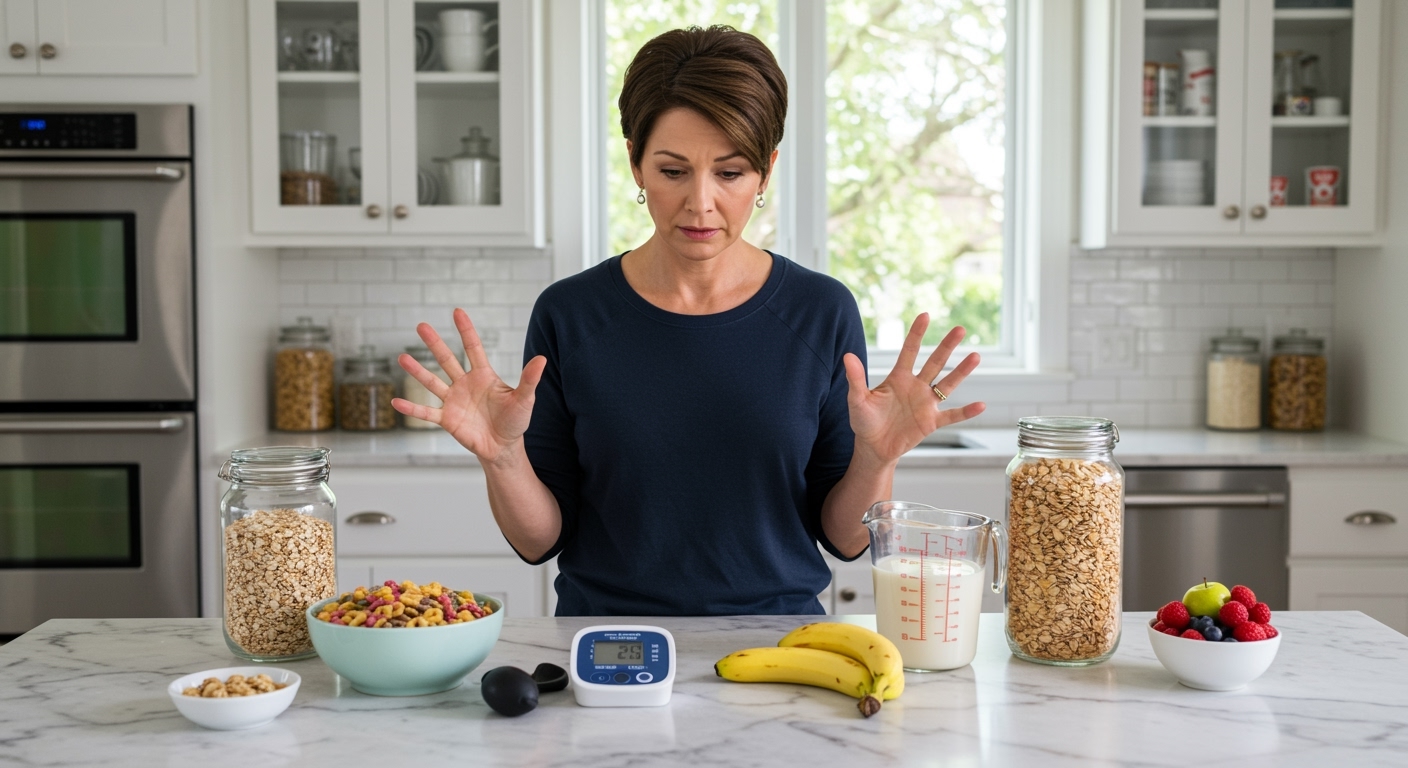
✪ Key Takeaway: Whole grain cereals lower blood pressure while refined cereals raise it due to sodium and sugar content.
Introduction
Your morning cereal might be the reason your blood pressure numbers refuse to budge.
You probably chose cereal because it seemed like a quick, healthy breakfast option that would support your cardiovascular health goals.
Hi, I am Abdur, your nutrition coach, and today I am going to reveal which cereals actually help lower blood pressure and which ones are secretly making your hypertension worse.
Why Does Cereal Type Matter For Blood Pressure?
The type of cereal you eat determines whether your blood vessels relax or constrict throughout the day.
Whole grain cereals contain fiber that slows down sugar absorption and prevents blood pressure spikes.
Research published in JAMA Internal Medicine found that people who ate whole grain cereal regularly had 19 percent lower risk of developing high blood pressure.
Refined cereals strip away the bran and germ layers that contain blood pressure-lowering nutrients like magnesium and potassium.
These processed versions cause rapid blood sugar increases that trigger your body to release stress hormones.
Your blood vessels respond to these hormones by tightening, which pushes your blood pressure higher within hours of eating.
The fiber in whole grains also feeds beneficial gut bacteria that produce compounds called short-chain fatty acids.
✪ Fact: Whole grain cereal eaters have blood pressure readings averaging 4-5 mmHg lower than those who eat refined cereals regularly.
What Makes Most Breakfast Cereals Dangerous For Hypertension?
Most commercial cereals contain shocking amounts of hidden sodium that directly raises blood pressure.
A single serving of popular cereal brands can pack 200-300 mg of sodium before you even add milk.
Your kidneys respond to excess sodium by holding onto water to dilute it in your bloodstream.
This extra fluid volume forces your heart to pump harder, which increases pressure against your artery walls.
Added sugars in sweetened cereals cause another problem by triggering insulin resistance over time.
When your cells become resistant to insulin, your body produces more of it to compensate.
High insulin levels activate your sympathetic nervous system, which constricts blood vessels and elevates blood pressure throughout the day.
✪ Pro Tip: Check the ingredient list and avoid cereals listing sugar or sodium within the first three ingredients.
Which Cereal Components Actually Lower Blood Pressure?
Whole grain cereals deliver three key nutrients that work together to reduce blood pressure naturally.
Magnesium relaxes the smooth muscle cells in your blood vessel walls, allowing them to widen and reduce resistance.
Studies show that increasing magnesium intake by just 100 mg daily can lower systolic blood pressure by 2-3 mmHg.
Potassium helps your kidneys flush out excess sodium through urine, which directly reduces blood volume and pressure.
The fiber in whole grain cereals slows digestion and prevents the blood sugar spikes that trigger vasoconstriction.
Research published in Frontiers in Nutrition found that people eating 3 servings of whole grains daily had significantly lower blood pressure than those eating refined grains.
Beta-glucan, a special type of fiber found in oats, also reduces cholesterol absorption and improves arterial flexibility.
✪ Note: Whole grain cereals must list whole wheat, whole oats, or whole grain corn as the first ingredient to provide these benefits.
How Should You Choose Cereal For Blood Pressure Management?
Start by flipping the box and reading the ingredient list before looking at anything else on the package.
The first ingredient must be a whole grain like whole wheat, whole oats, or whole grain brown rice.
Look for cereals containing at least 5 grams of fiber per serving to get blood pressure benefits.
Choose options with less than 140 mg of sodium per serving to avoid counteracting the positive effects.
Avoid cereals listing sugar, corn syrup, or honey within the first three ingredients regardless of health claims on the front.
Plain oatmeal, shredded wheat, and bran flakes without added sugar represent your best choices for blood pressure control.
You can add natural sweetness with fresh berries or sliced banana instead of relying on pre-sweetened varieties.
✪ Pro Tip: Prepare overnight oats with unsweetened almond milk and berries for a convenient breakfast that actively lowers blood pressure.
What Happens When You Switch To Blood Pressure Friendly Cereal?
Your body starts responding to whole grain cereal within the first week of making the switch.
The increased fiber intake improves your gut bacteria balance, which produces more blood pressure-lowering compounds.
Most people notice their blood pressure readings drop by 3-5 mmHg within two to three weeks of consistent whole grain consumption.
Your blood sugar levels stabilize throughout the morning, preventing the stress hormone spikes that constrict blood vessels.
The magnesium and potassium from whole grains accumulate in your body over time, providing stronger blood pressure benefits with continued use.
Research shows that people who maintain whole grain cereal consumption for six months experience sustained blood pressure reductions of 5-8 mmHg.
This reduction might seem small, but it translates to a 20 percent lower risk of heart attack and stroke over time.
✪ Fact: Combining whole grain cereal with low-fat milk provides calcium that enhances the blood pressure-lowering effects even further.
The Bottom Line
Cereal can be good for high blood pressure, but only when you choose whole grain varieties without added sugar and sodium.
Your breakfast bowl either fights your blood pressure or feeds it, and the ingredient list tells you which side your cereal is on.
I would love to hear about your experience with cereal and blood pressure management, so please share your thoughts or questions in the comments below.
References
At NutritionCrown, we use quality and credible sources to ensure our content is accurate and trustworthy. Below are the sources referenced in writing this article:
- JAMA Network: Whole-Grain Intake and the Risk of Type 2 Diabetes
- PMC: Whole Grains and Cardiovascular Disease
- Frontiers in Nutrition: Whole Grain Consumption and Blood Pressure
- Mayo Clinic: Whole Grain Foods and Blood Pressure