✪ Key Takeaway: Beets can lower blood pressure by 4-10 mmHg within hours due to their natural nitrate content converting to nitric oxide.
Introduction
Your doctor mentions your blood pressure numbers are creeping up again.
You start wondering if there are natural ways to bring those numbers down without immediately jumping to medication. Maybe you heard someone mention that beets might help with blood pressure, but you are not sure if this is just another health myth or if there is real science behind it.
Hi, I am Abdur, your nutrition coach and today I am going to explain exactly how beets affect your blood pressure and whether they can actually make a meaningful difference in your cardiovascular health.
How Do Beets Actually Lower Blood Pressure?
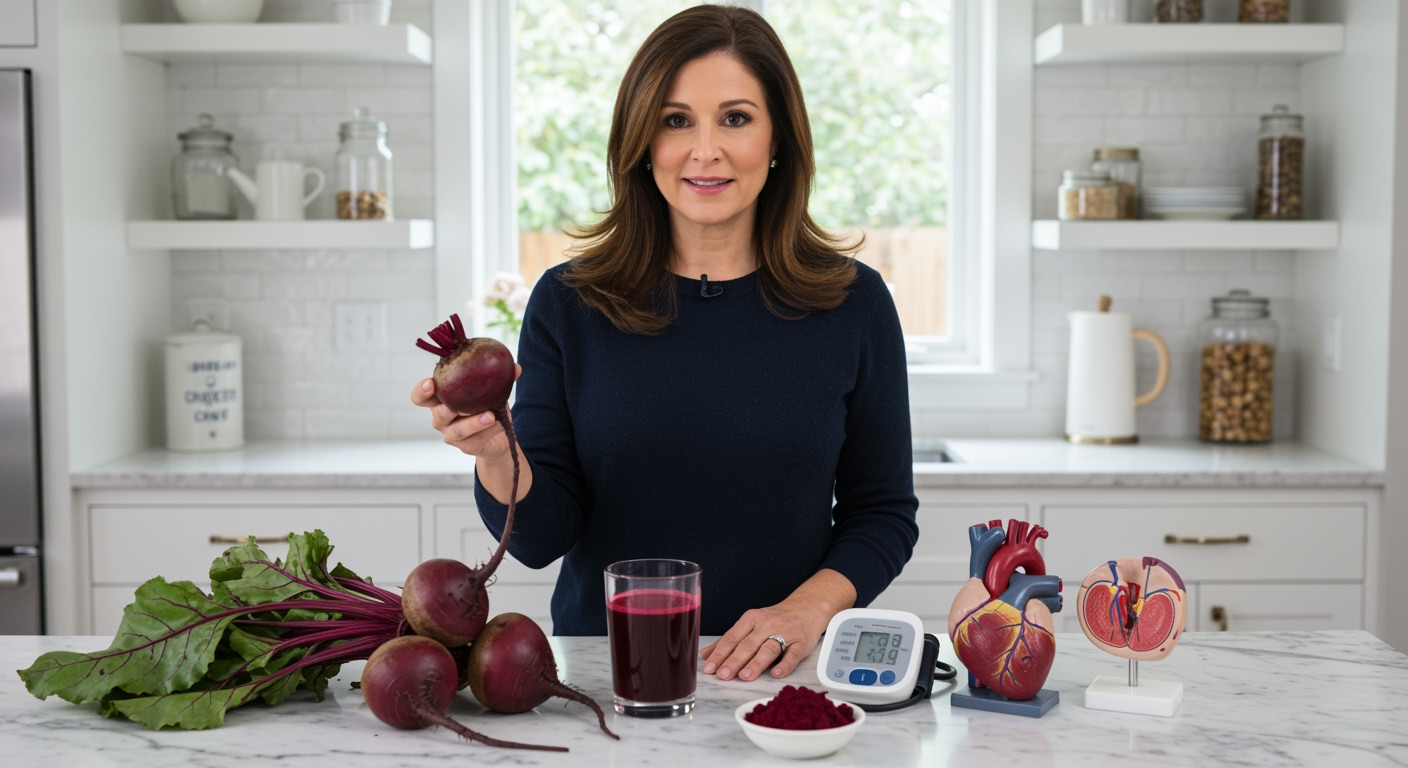
Beets contain high levels of dietary nitrates, which are natural compounds that your body converts into something called nitric oxide.
When you eat beets, bacteria in your mouth and stomach break down these nitrates into nitrites. Your body then converts these nitrites into nitric oxide, a powerful molecule that signals your blood vessels to relax and widen.
This process is called vasodilation, and it directly reduces the pressure your heart needs to pump blood through your arteries. Think of it like opening a narrow garden hose to full width – the same amount of water flows through with much less pressure.
Research shows that beetroot juice can reduce systolic blood pressure by 4-10 mmHg within 2-3 hours of consumption. The effect typically lasts for about 24 hours, which means you need consistent intake to maintain the benefits.
The nitrate concentration in beets is particularly high compared to other vegetables. One cup of beetroot juice contains about 400-500 mg of nitrates, which is enough to produce measurable blood pressure reductions in most people.
Your body produces nitric oxide naturally, but this production decreases with age and certain health conditions. Consuming nitrate-rich foods like beets helps supplement your natural nitric oxide production and supports healthy blood vessel function.
✪ Pro Tip: Avoid using mouthwash for 2 hours after eating beets since it kills the beneficial bacteria needed for nitrate conversion.
What Does The Research Actually Say?
Multiple clinical studies have tested beetroot juice against placebo controls to measure its effects on blood pressure.
A 2019 systematic review published in Frontiers in Physiology analyzed 22 studies involving over 1,500 participants. The researchers found that beetroot supplementation consistently reduced systolic blood pressure by an average of 4.4 mmHg and diastolic pressure by 1.1 mmHg.
One particularly impressive study followed participants for 4 weeks and found that drinking 250ml of beetroot juice daily reduced blood pressure by 8/4 mmHg. This reduction is clinically significant and comparable to some blood pressure medications.
The British Heart Foundation has specifically highlighted beetroot as a food that can help manage blood pressure naturally. Their research shows that the effects are most pronounced in people with elevated blood pressure rather than those with normal readings.
Studies also reveal that cooked beets retain most of their nitrate content, so you do not need to drink raw juice to get benefits. However, beetroot juice provides a more concentrated dose of nitrates compared to whole cooked beets.
The research consistently shows that people with higher baseline blood pressure experience greater reductions. If your blood pressure is already in the normal range, you might see smaller changes, but the cardiovascular benefits still occur.
✪ Fact: The blood pressure lowering effects of beets are strongest 2-3 hours after consumption and last up to 24 hours.
How Much Beets Do You Need To See Results?
The effective dose for blood pressure reduction is about 300-500 mg of nitrates per day, which translates to specific amounts of beet products.
One cup of fresh beetroot juice contains approximately 400-500 mg of nitrates, making it the most efficient delivery method. You can drink this amount once daily to achieve therapeutic levels.
If you prefer whole beets, you would need to eat about 2-3 medium-sized cooked beets to get similar nitrate levels. This is more food volume but provides additional fiber and nutrients that juice lacks.
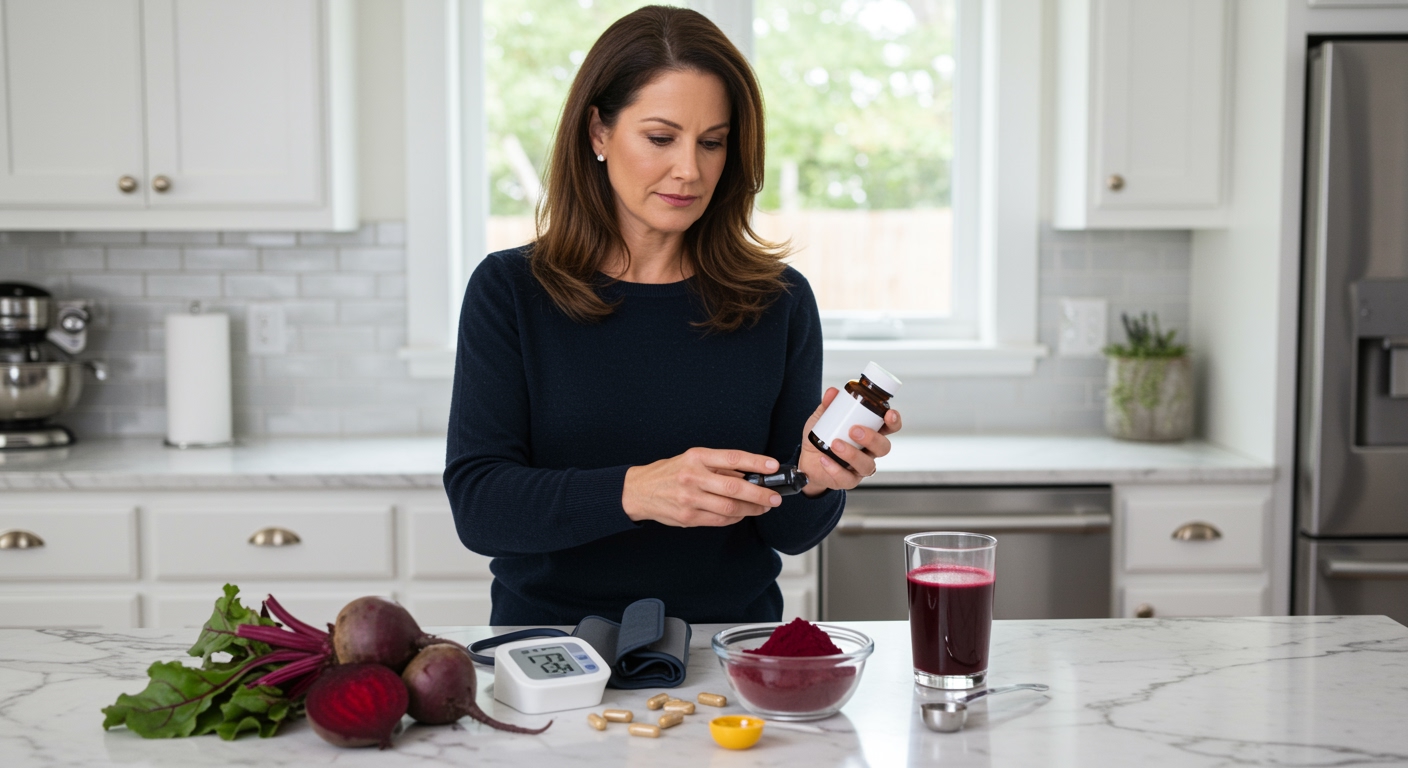
Beetroot powder supplements typically require 1-2 teaspoons daily to match the nitrate content of fresh juice. Always check the label for nitrate content since processing methods can affect potency.
Timing matters for maximum effect. Consuming beets 2-3 hours before you want peak blood pressure reduction works best. Many people find drinking beetroot juice in the morning helps maintain lower pressure throughout the day.
You can split the dose throughout the day if you prefer. Half a cup of juice in the morning and half in the evening can provide more sustained effects than a single large dose.
✪ Note: Start with smaller amounts and gradually increase to avoid digestive upset from the high fiber content.
Are There Any Side Effects Or Concerns?
Beets are generally safe for most people, but there are some considerations you should know about.
The most common side effect is beeturia, which causes your urine to turn pink or red. This harmless condition affects about 10-14% of people and simply indicates that your body is processing the betalain pigments in beets.
People with kidney stones should be cautious because beets are high in oxalates. These compounds can contribute to calcium oxalate stone formation in susceptible individuals.
If you take blood pressure medication, monitor your levels closely when adding beets to your diet. The combined effect could potentially lower your pressure too much, requiring medication adjustments.
Beets contain natural sugars, so people with diabetes should account for this in their meal planning. One cup of beetroot juice contains about 25 grams of carbohydrates.
Some people experience mild digestive upset when first introducing large amounts of beets. Starting with smaller portions and gradually increasing helps your digestive system adapt to the fiber content.
✪ Pro Tip: Always consult your doctor before using beets therapeutically if you take blood pressure medications.
The Bottom Line
Beets can indeed lower blood pressure through their natural nitrate content, with research showing consistent reductions of 4-10 mmHg in people with elevated blood pressure.
Small dietary changes create big health improvements when you understand the science behind them. While beets are not a magic cure, they represent a practical, evidence-based tool you can use alongside other healthy lifestyle choices to support your cardiovascular health.
I would love to hear about your experience with beets and blood pressure in the comments below. Have you tried incorporating them into your diet, and did you notice any changes in your numbers?
References
At NutritionCrown, we use quality and credible sources to ensure our content is accurate and trustworthy. Below are the sources referenced in creating this article:
- Frontiers in Physiology: Nitrate-Rich Beetroot Juice and Blood Pressure
- British Heart Foundation: Can Beetroot Juice Lower Blood Pressure
- Medical News Today: Beetroot Juice Benefits
- PMC: Beetroot and Blood Pressure Research