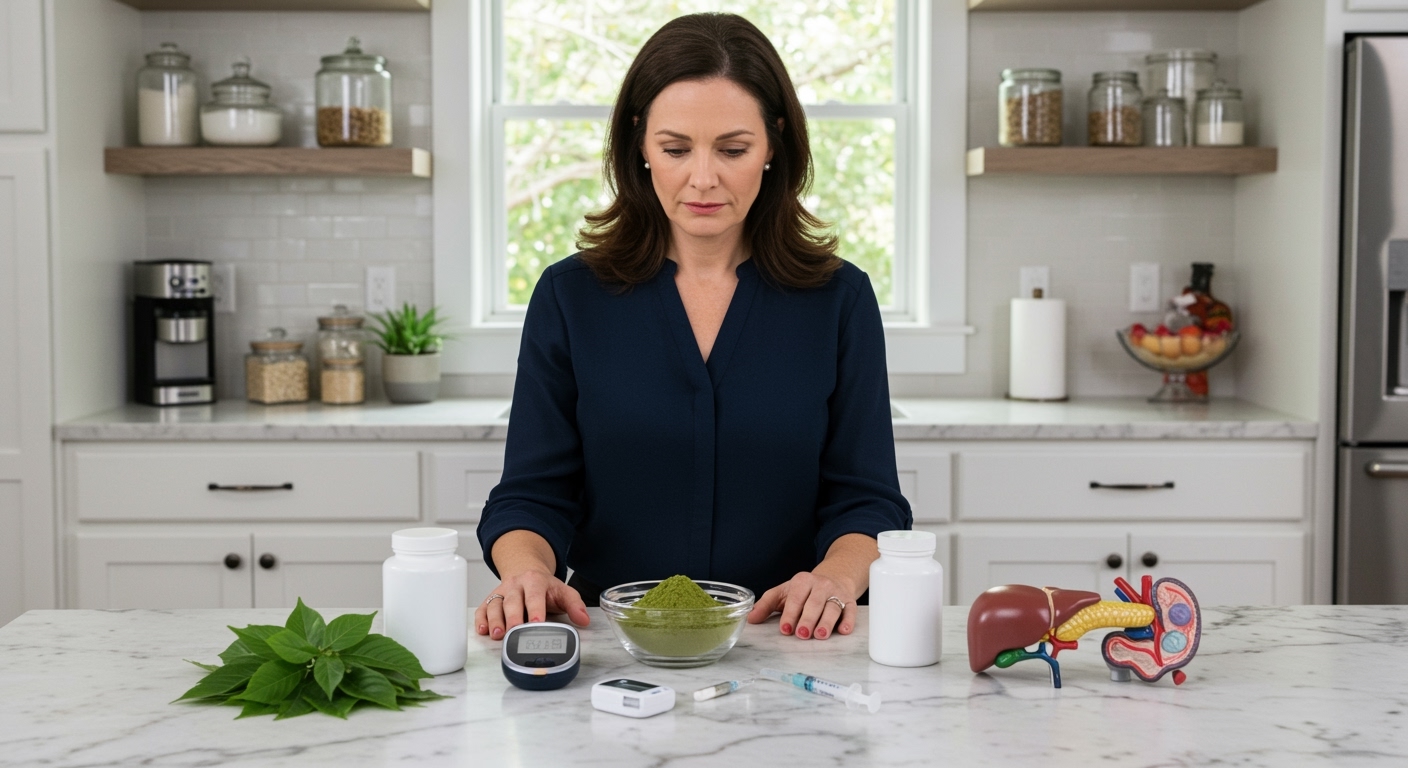
✪ Key Takeaway: Kratom is not safe for diabetes because it can unpredictably affect blood sugar levels and dangerously interact with diabetes medications.
Introduction
You walk into a supplement shop and see kratom powder sitting on the shelf with promises of pain relief and energy.
You might be asking this question because someone told you kratom could help with diabetes symptoms or because you are already using it and wondering if it affects your blood sugar.
Hi, I am Abdur, your nutrition coach and today I am going to explain why kratom poses serious risks for people with diabetes and what you need to know before making any decisions.
What Exactly Is Kratom And Why Do People Use It?
Kratom comes from the leaves of a tropical tree called Mitragyna speciosa that grows in Southeast Asia.
People traditionally chewed the leaves or brewed them into tea for pain relief and to boost energy during long work days.
In Western countries, kratom is sold as powder, capsules, or extracts in supplement stores and online.
The active compounds in kratom are called mitragynine and 7-hydroxymitragynine, which interact with opioid receptors in your brain.
These compounds can produce effects similar to both stimulants and opioids depending on the dose you take.
People use kratom for chronic pain, anxiety, depression, and even to help with opioid withdrawal symptoms.
The problem is that kratom is not regulated by the FDA, which means you never really know what you are getting in terms of purity or potency.
✪ Fact: The FDA has issued multiple warnings about kratom products contaminated with heavy metals and salmonella bacteria.
How Does Kratom Affect Blood Sugar Levels?
Research from Indonesia shows that kratom may have blood sugar lowering effects in laboratory studies.
Scientists found that certain compounds in kratom leaves can improve insulin sensitivity and reduce glucose levels in test animals.
This might sound like good news if you have diabetes, but the reality is far more complicated.
The problem is that kratom affects blood sugar in unpredictable ways that vary from person to person.
If you are already taking diabetes medications like metformin or insulin, adding kratom could cause your blood sugar to drop too low.
Hypoglycemia (low blood sugar) can lead to confusion, dizziness, sweating, rapid heartbeat, and even loss of consciousness.
The lack of standardized dosing makes it impossible to predict how much kratom will affect your blood sugar on any given day.
✪ Note: No human clinical trials have established safe kratom doses for people with diabetes or any other chronic condition.
What Are The Dangerous Drug Interactions With Diabetes Medications?
Kratom is processed in your liver by the same enzyme system that breaks down many diabetes medications.
This creates a competition where kratom can either speed up or slow down how your body processes your diabetes drugs.
When kratom slows down drug metabolism, your diabetes medication stays in your system longer and becomes more potent than intended.
This can lead to severe hypoglycemia that requires emergency medical treatment.
On the other hand, if kratom speeds up metabolism, your diabetes medication gets cleared too quickly and loses its effectiveness.
This means your blood sugar could spike dangerously high without you realizing why your usual medication is not working.
The FDA has documented cases of kratom causing liver damage, which further complicates how your body processes all medications including those for diabetes.
✪ Pro Tip: Never combine kratom with any prescription medication without explicit approval from your doctor who knows your complete medical history.
Why Is Kratom Particularly Risky For People With Diabetes Complications?
If you have diabetes, you likely already face increased risks for heart disease, kidney problems, and nerve damage.
Kratom has been linked to serious cardiovascular problems including high blood pressure, rapid heart rate, and even heart attacks.
Your kidneys work overtime when you have diabetes, and adding kratom puts extra stress on these already vulnerable organs.
Some kratom users have developed acute kidney injury that required dialysis treatment.
Kratom can also cause severe constipation, which is already a common problem for people with diabetes due to nerve damage in the digestive system.
The combination of diabetes-related nerve damage and kratom effects can create a dangerous situation where you cannot feel warning signs of serious problems.
Regular kratom use can lead to dependence and addiction, making it extremely difficult to stop even when you know it is harming your health.
✪ Fact: Between 2011 and 2017, poison control centers received over 1,800 reports of kratom exposure with nearly half requiring medical attention.
What Are Safer Alternatives For Managing Diabetes Symptoms?
Instead of risking your health with kratom, focus on evidence-based approaches that actually work for diabetes management.
A whole food diet rich in vegetables, lean proteins, and healthy fats provides stable blood sugar without dangerous side effects.
Regular physical activity improves insulin sensitivity naturally and helps your body use glucose more efficiently.
If you struggle with pain, talk to your doctor about safe pain management options that will not interfere with your diabetes medications.
Stress management techniques like deep breathing, meditation, and adequate sleep support healthy blood sugar levels without any risks.
Work with a registered dietitian or certified diabetes educator who can create a personalized plan based on your specific needs.
Remember that managing diabetes successfully requires patience and consistency with proven methods rather than searching for quick fixes that could make everything worse.
✪ Pro Tip: Keep a detailed log of your blood sugar readings, meals, activities, and how you feel to identify patterns and optimize your diabetes management.
The Bottom Line
Kratom is not safe for people with diabetes because it creates unpredictable blood sugar changes, dangerous medication interactions, and serious health risks that outweigh any potential benefits.
Your health is too precious to gamble on unregulated substances when proven strategies already exist for managing diabetes successfully.
I would love to hear your thoughts on this topic, so please share any questions or experiences you have in the comment section below.
References
At NutritionCrown, we use quality and credible sources to ensure our content is accurate and trustworthy. Below are the sources referenced in writing this article:
- Frontiers in Pharmacology: Kratom Research and Pharmacology
- National Center for Biotechnology Information: Kratom Safety and Toxicology
- Mayo Clinic: Kratom What You Need to Know
- National Research and Innovation Agency Indonesia: Kratom Research for Diabetes Treatment