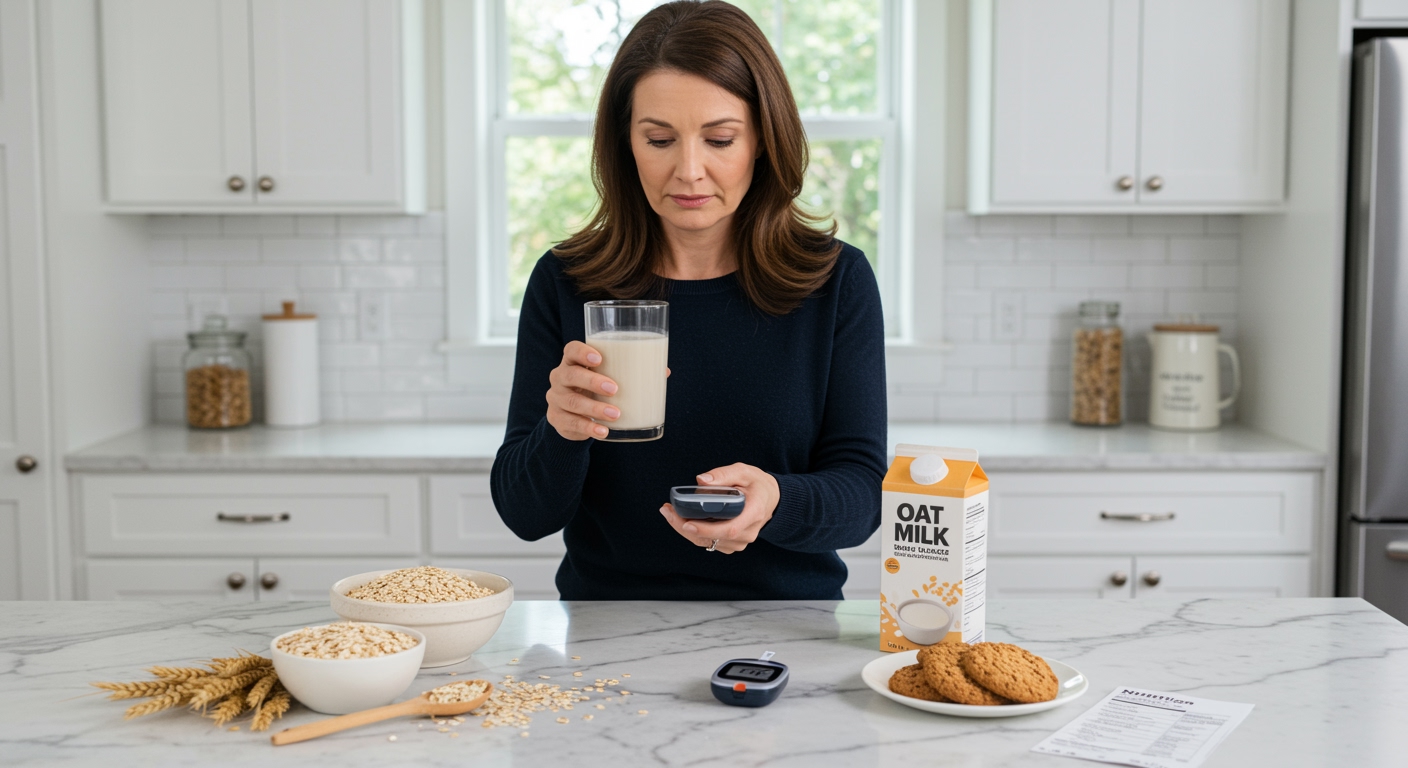
✪ Key Takeaway: Instant oatmeal can spike blood sugar faster than steel-cut oats due to processing, but portion control makes it manageable.
Introduction
Your morning routine just got complicated.
You reach for that convenient packet of instant oatmeal, thinking you are making a healthy choice for your diabetes management. But then doubt creeps in as you wonder if this processed version will send your blood sugar on a roller coaster ride.
Hi, I am Abdur, your nutrition coach and today I am going to explain exactly how instant oatmeal affects your blood sugar and whether it deserves a place in your diabetes-friendly kitchen.
How Does Processing Change Oatmeal Impact?
The journey from whole oat groats to instant oatmeal involves multiple processing steps that dramatically alter how your body responds to this breakfast staple.
Steel-cut oats are simply chopped oat groats that retain their original fiber structure and density. Your digestive system works harder to break them down, which means a slower and more gradual release of glucose into your bloodstream.
Rolled oats undergo steaming and flattening, which partially breaks down the fiber structure. This processing makes them cook faster but also allows for quicker digestion compared to steel-cut varieties.
Instant oatmeal takes processing to the extreme. Manufacturers pre-cook the oats, then dry and flatten them into thin flakes. This extensive processing destroys much of the original fiber structure that would normally slow down digestion.
The result is a product that your body can digest and absorb much faster than its less-processed cousins. Faster digestion means faster glucose absorption, which can lead to more significant blood sugar spikes.
Many instant oatmeal products also contain added sugars, artificial flavors, and preservatives that can further impact blood glucose levels. The glycemic index of instant oatmeal typically ranges from 79 to 83, compared to steel-cut oats at around 42.
✪ Fact: Processing can increase the glycemic index of oats by up to 95% compared to their whole grain form.
What About The Fiber Content Difference?
Fiber plays a crucial role in blood sugar management, and the processing of instant oatmeal significantly impacts this important nutrient.
Steel-cut oats contain about 4 grams of fiber per serving, with most of it being soluble fiber called beta-glucan. This type of fiber forms a gel-like substance in your digestive tract that slows down glucose absorption.
Instant oatmeal typically contains around 3 grams of fiber per serving, but the processing has altered the fiber structure. The beta-glucan in instant oatmeal is less effective at forming that protective gel barrier in your digestive system.
This structural change means that even though the fiber content looks similar on paper, the functional benefit for blood sugar control is reduced. Your body can break through the weakened fiber matrix more easily.
The soluble fiber in less-processed oats also helps slow gastric emptying, which means food stays in your stomach longer before moving to your small intestine where glucose absorption occurs.
Additionally, intact fiber promotes the production of short-chain fatty acids in your colon, which can improve insulin sensitivity over time. Processed fibers are less effective at supporting this beneficial bacterial fermentation process.
✪ Pro Tip: Look for instant oatmeal varieties with at least 4 grams of fiber per serving for better blood sugar control.
Can You Make Instant Oatmeal Work For Diabetes?
The answer is yes, but it requires strategic planning and smart modifications to minimize blood sugar impact.
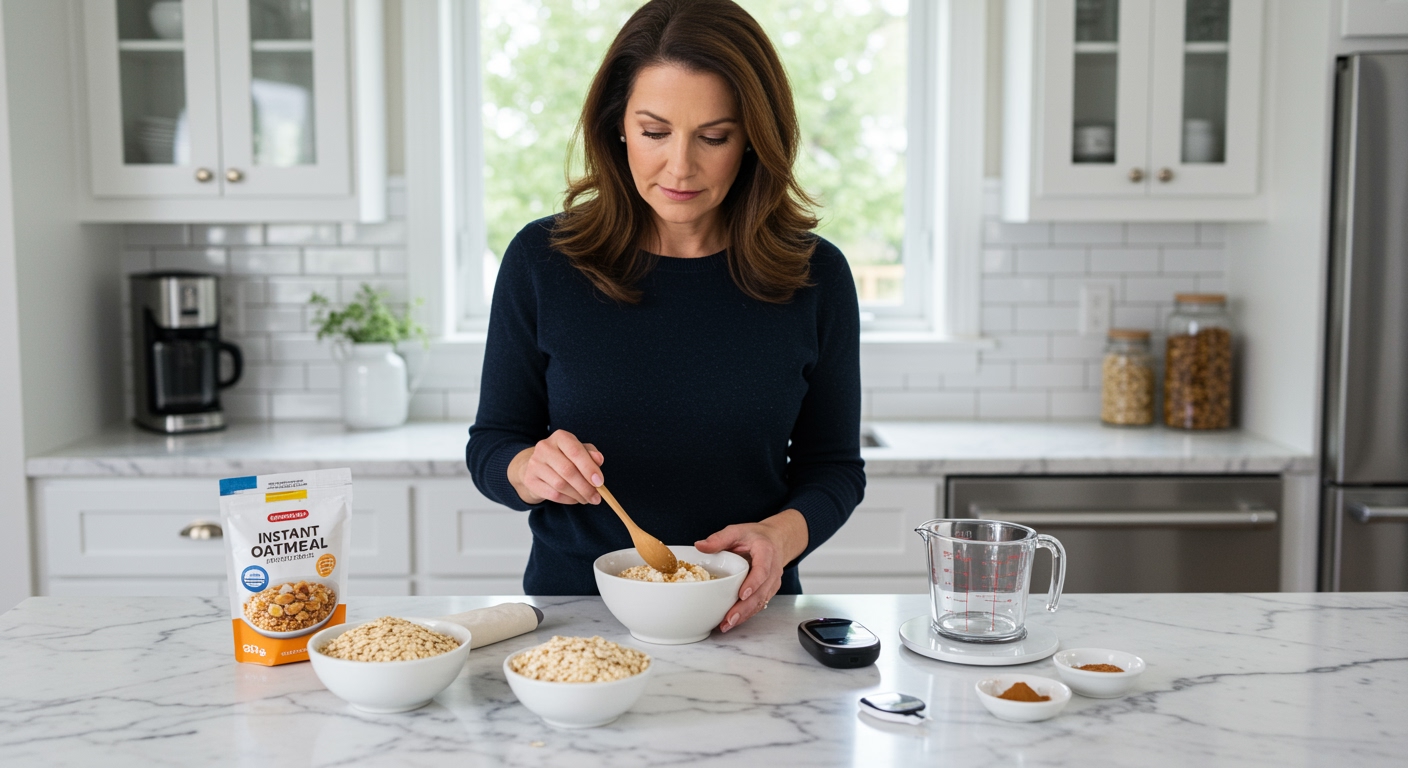
Portion control becomes your most important tool when choosing instant oatmeal. Stick to one packet or about 1/3 cup of dry oats, which provides roughly 150 calories and 27 grams of carbohydrates.
Adding protein and healthy fats can significantly slow down glucose absorption. Mix in a tablespoon of almond butter, a handful of chopped nuts, or a scoop of protein powder to create a more balanced meal.
Choose plain, unsweetened varieties whenever possible. Flavored instant oatmeal packets often contain 10-12 grams of added sugar, which can cause rapid blood glucose spikes.
Timing matters too. Eating instant oatmeal as part of a larger meal rather than alone can help blunt the glycemic response. The presence of other foods slows overall digestion and glucose absorption.
Consider adding fiber-rich toppings like chia seeds, ground flaxseed, or fresh berries. These additions can help recreate some of the blood sugar benefits that processing removed from the original oats.
Monitor your individual response with a glucose meter. Some people with diabetes find they can tolerate instant oatmeal better than others, and personal testing provides the most accurate guidance for your specific situation.
✪ Note: Adding 2 tablespoons of nuts can reduce the glycemic impact of instant oatmeal by up to 30%.
Which Oat Type Should You Choose Instead?
While instant oatmeal can work with modifications, other oat varieties offer superior blood sugar control for people with diabetes.
Steel-cut oats represent the gold standard for diabetes-friendly breakfast grains. Their minimal processing preserves the natural fiber structure and results in a glycemic index of around 42, compared to instant oatmeal at 79-83.
The cooking time for steel-cut oats ranges from 20-30 minutes, which seems inconvenient for busy mornings. However, you can prepare large batches on weekends and reheat portions throughout the week.
Rolled oats offer a middle ground between convenience and blood sugar control. They cook in about 5-10 minutes and have a glycemic index of approximately 55, making them a reasonable compromise option.
Overnight oats made with rolled oats provide convenience without the processing drawbacks of instant varieties. Soaking oats overnight actually begins breaking down starches in a way that can improve digestibility without spiking blood sugar.
Scottish oats, which are stone-ground rather than rolled, offer another excellent option. They have a creamy texture and cook faster than steel-cut oats while maintaining better blood sugar control than instant varieties.
For the ultimate convenience, consider investing in a slow cooker or pressure cooker. These appliances can prepare steel-cut oats with minimal effort, giving you the blood sugar benefits of less-processed oats with the convenience you need.
✪ Pro Tip: Prepare steel-cut oats in your slow cooker overnight for a diabetes-friendly breakfast that is ready when you wake up.
The Bottom Line
Instant oatmeal can fit into a diabetes management plan, but it requires careful attention to portions, additions, and individual blood sugar response.
Convenience should never come at the cost of your health, but smart choices can give you both. The key lies in understanding how processing affects your body and making informed decisions based on your individual needs and lifestyle constraints.
I would love to hear about your experiences with different types of oatmeal and how they affect your blood sugar levels. Share your questions, success stories, or challenges in the comments below so we can learn from each other and build a supportive community focused on practical diabetes management.
References
At NutritionCrown, we use quality and credible sources to ensure our content is accurate and trustworthy. Below are the sources referenced in creating this article:
- PMC: Oats and Diabetes: A Comprehensive Review
- Medical News Today: Oatmeal and Diabetes: What You Need to Know
- Healthline: Oatmeal and Diabetes: The Do’s and Don’ts
- GoodRx: Is Oatmeal Good for Diabetics?