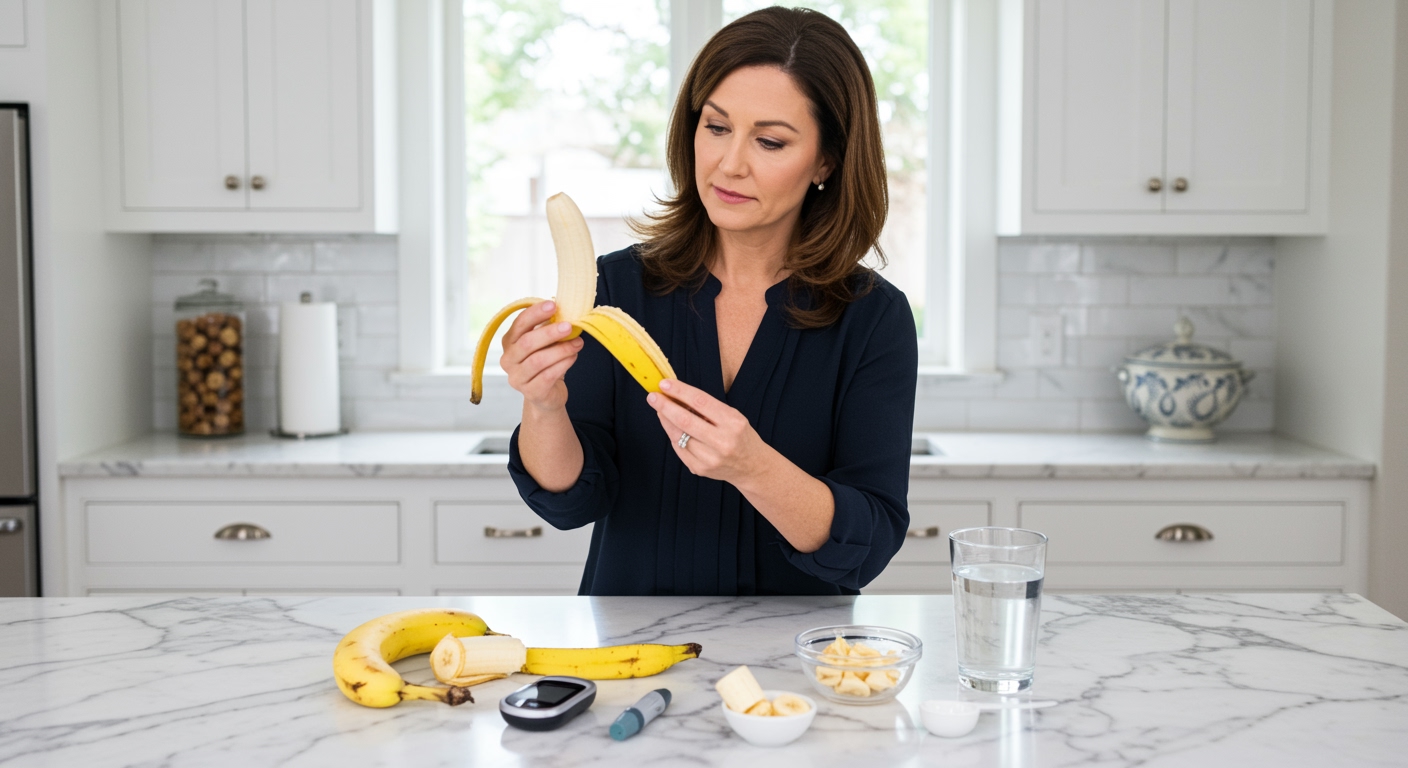
✪ Key Takeaway: Ghee can be good for diabetes when consumed in small amounts because it does not spike blood sugar directly.
Introduction
Your grandmother swears by ghee while your doctor warns you to stay away from it.
You might be asking this question because you love the taste of ghee but fear it will make your diabetes worse or because conflicting advice from family and health professionals leaves you confused about what is actually safe to eat.
Hi, I am Abdur, your nutrition coach and today I am going to explain exactly how ghee affects your blood sugar, what the science really says, and how you can include it in your diet without compromising your health.
Does Ghee Raise Blood Sugar Levels?
Ghee is pure fat with zero carbohydrates.
This means it does not directly raise your blood sugar levels the way rice, bread, or sweets do.
Your body breaks down carbohydrates into glucose, which enters your bloodstream and raises blood sugar.
Since ghee contains no carbohydrates, it does not trigger this glucose response.
However, ghee does affect how your body handles sugar when eaten with carbohydrate-rich foods.
Fat slows down the digestion and absorption of carbohydrates in your stomach and small intestine.
This slower absorption means glucose enters your bloodstream more gradually, preventing sharp blood sugar spikes after meals.
✪ Fact: One tablespoon of ghee contains about 14 grams of fat and zero grams of carbohydrates or protein.
What Are The Benefits Of Ghee For Diabetics?
Ghee contains butyric acid, a short-chain fatty acid that supports gut health.
A healthy gut plays a crucial role in managing inflammation, which is often elevated in people with diabetes.
Lower inflammation helps your cells respond better to insulin, the hormone that moves glucose from your blood into your cells.
Ghee also provides fat-soluble vitamins like A, D, E, and K that support overall health.
Vitamin D, for example, plays a role in insulin sensitivity and glucose metabolism.
The conjugated linoleic acid in ghee may help reduce body fat when combined with a balanced diet and regular physical activity.
Maintaining a healthy body weight is one of the most effective ways to manage type 2 diabetes and improve blood sugar control.
✪ Pro Tip: Add a small amount of ghee to your vegetables to enhance the absorption of fat-soluble vitamins and improve satiety.
Can Ghee Cause Weight Gain In Diabetics?
Ghee is calorie-dense with about 120 calories per tablespoon.
Eating too much ghee will lead to weight gain, just like eating too much of any high-calorie food.
Weight gain makes diabetes harder to control because excess body fat, especially around your belly, increases insulin resistance.
When your cells resist insulin, your pancreas must produce more insulin to keep blood sugar levels normal.
Over time, this extra burden can exhaust your pancreas and worsen your diabetes management.
The key is portion control, not complete avoidance.
Using one to two teaspoons of ghee per meal fits easily into a balanced diet without causing weight gain when your total calorie intake stays within your daily needs.
✪ Note: Track your total daily calorie intake rather than focusing only on ghee to maintain a healthy weight.
How Much Ghee Should A Diabetic Eat Daily?
Most nutrition experts recommend limiting saturated fat intake to less than 10 percent of your total daily calories.
Ghee is about 60 percent saturated fat, so one tablespoon provides roughly 8 grams of saturated fat.
If you eat 2000 calories per day, your saturated fat limit would be about 22 grams.
This means you could safely include one to two tablespoons of ghee daily while staying within healthy limits, assuming you do not consume large amounts of saturated fat from other sources like red meat, cheese, or coconut oil.
Start with one teaspoon per meal and monitor how your body responds.
Check your blood sugar levels before and after meals to see if adding ghee affects your glucose readings.
Everyone responds differently to dietary fats based on their individual metabolism, activity level, and overall diet quality.
✪ Pro Tip: Use a measuring spoon instead of pouring ghee directly to avoid accidentally using more than you intended.
Is Ghee Better Than Other Cooking Oils For Diabetes?
Ghee has a higher smoke point than butter, which means it does not break down into harmful compounds when heated to high temperatures.
This makes it safer for cooking methods like sauteing and roasting.
However, oils like olive oil and avocado oil contain more monounsaturated fats, which are considered heart-healthy and may improve insulin sensitivity better than saturated fats.
Studies show that replacing saturated fats with unsaturated fats can lower your risk of heart disease, which is already elevated when you have diabetes.
The best approach is variety and balance.
Use ghee occasionally for flavor and traditional recipes, but rely primarily on unsaturated oils for everyday cooking.
This strategy gives you the benefits of different fats while minimizing potential risks associated with high saturated fat intake.
✪ Fact: Olive oil has been shown in multiple studies to improve insulin sensitivity and reduce inflammation in diabetic patients.
The Bottom Line
Ghee can be part of a healthy diabetes management plan when you use it in small, measured amounts and balance it with other nutritious foods.
The healthiest diet is not about eliminating foods you love but learning how to enjoy them in ways that support your long-term health goals.
I would love to hear your thoughts, questions, or personal experiences with ghee and diabetes management in the comments below.
References
At NutritionCrown, we use quality and credible sources to ensure our content is accurate and trustworthy. Below are the sources referenced in writing this article:
- Continental Hospitals: Is Ghee Safe for Heart, Diabetes and Weight Issues
- Cleveland Clinic: Better Than Butter: Separating Ghee Fact From Fiction
- Freedom From Diabetes: Debunking Myths About Ghee and Diabetes
- PMC: Ghee and Metabolic Health Research