✪ Key Takeaway: Mishri raises blood sugar similarly to white sugar, making it unsuitable for regular diabetes management despite traditional beliefs.
Introduction
Your grandmother probably swears by mishri for everything from sore throats to digestive problems.
You might be wondering if this traditional rock sugar is somehow safer for your diabetes than regular white sugar.
Hi, I am Abdur, your nutrition coach and today I am going to explain the real impact of mishri on blood sugar and whether it deserves a place in your diabetes management plan.
What Exactly Is Mishri And How Does It Differ From Regular Sugar?
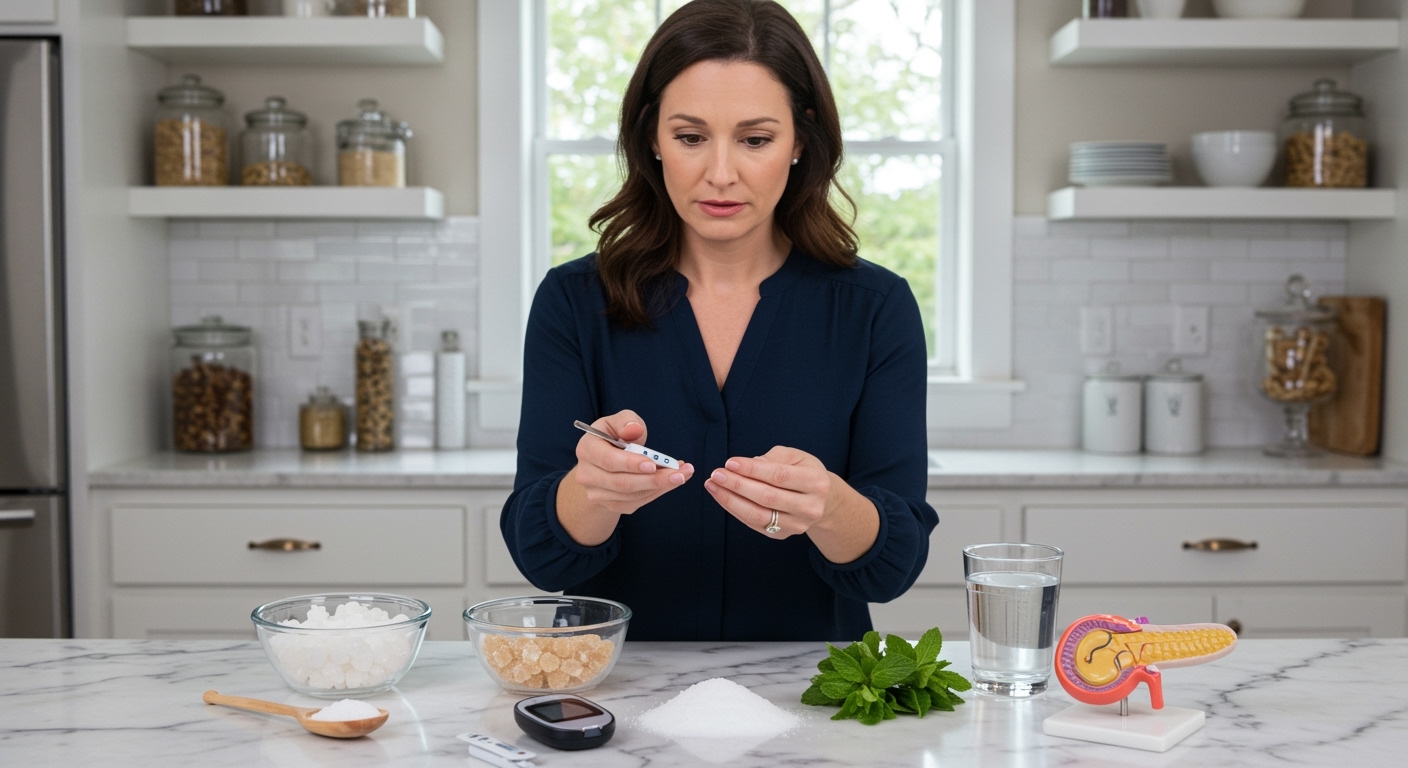
Mishri is crystallized sugar made by cooling concentrated sugarcane juice or sugar syrup slowly until large crystals form.
The process creates rock-like chunks that look different from granulated white sugar but contain nearly identical chemical composition.
Both mishri and white sugar are approximately 99 percent pure sucrose, which is a disaccharide made of glucose and fructose molecules bonded together.
When you consume either form, your digestive enzymes break down sucrose into these two simple sugars within minutes.
The glucose portion enters your bloodstream rapidly, triggering your pancreas to release insulin to help cells absorb this sugar for energy.
The crystallization process that creates mishri does not reduce its caloric content, change its glycemic impact, or make it healthier for diabetes management.
Some people believe the larger crystal size means slower digestion, but research shows no significant difference in how quickly mishri versus granulated sugar raises blood glucose levels.
✪ Fact: One teaspoon of mishri contains approximately 16 calories and 4 grams of carbohydrates, identical to white sugar.
Does Mishri Have A Lower Glycemic Index Than White Sugar?
The glycemic index measures how quickly a food raises blood sugar on a scale from 0 to 100.
White sugar has a glycemic index of approximately 65, placing it in the medium to high category.
Mishri has essentially the same glycemic index because it contains the identical sucrose molecule that breaks down at the same rate.
Your body does not recognize any meaningful difference between these two forms when processing them for blood glucose.
Some traditional medicine practitioners claim mishri is cooling or easier to digest, but these properties do not translate to better glycemic control.
Studies on sucrose metabolism show that crystal size and formation method have negligible impact on how rapidly glucose enters your bloodstream.
If you have diabetes, consuming mishri will spike your blood sugar just as quickly as eating an equivalent amount of white sugar or brown sugar.
✪ Note: Traditional beliefs about mishri being healthier are not supported by modern nutritional science or diabetes research.
Can Small Amounts Of Mishri Fit Into A Diabetes Diet Plan?
The answer depends entirely on your overall carbohydrate budget and blood sugar control goals.
If your diabetes management plan allows for occasional small amounts of added sugar, mishri is not inherently worse than other sweeteners.
However, it offers no advantages over regular sugar either, so there is no reason to seek it out specifically.
Most diabetes educators recommend limiting added sugars to less than 5 percent of total daily calories, which equals about 25 grams for a 2000-calorie diet.
One small piece of mishri weighing approximately 5 grams contains all the carbohydrates from that allowance, leaving no room for other sources of added sugar.
The bigger concern is that traditional uses of mishri often involve consuming it multiple times daily for throat relief or digestive comfort.
This pattern creates repeated blood sugar spikes throughout the day, making glucose management significantly harder and increasing your risk of complications.
✪ Pro Tip: If you choose to use mishri occasionally, always pair it with protein or fiber to slow glucose absorption.
What Are Better Sweetener Alternatives For People With Diabetes?
Several sweetener options provide sweetness without significantly impacting blood glucose levels.
Stevia is a plant-based sweetener with zero calories and no effect on blood sugar, making it an excellent choice for diabetes management.
Erythritol is a sugar alcohol that tastes similar to sugar but contains only 0.2 calories per gram and does not raise blood glucose.
Monk fruit sweetener is another natural option that provides sweetness from compounds called mogrosides, which your body does not metabolize into glucose.
These alternatives allow you to enjoy sweet flavors without compromising your glycemic control or using up your limited carbohydrate budget.
Some people prefer using small amounts of whole fruit for sweetness because fruit contains fiber, vitamins, and minerals alongside its natural sugars.
The fiber in whole fruit slows sugar absorption, creating a more gradual rise in blood glucose compared to isolated sugars like mishri.
✪ Fact: Research shows that replacing added sugars with non-nutritive sweeteners can improve HbA1c levels in people with type 2 diabetes.
How Should You Monitor Your Response To Any Sweetener?
Individual responses to different foods can vary significantly, making personal testing essential for optimal diabetes management.
Check your blood glucose before consuming any sweetener, then test again at 1 hour and 2 hours after eating to see your specific response.
This pattern helps you understand how quickly your blood sugar rises and how long it stays elevated.
Keep a food and glucose log to identify patterns over time, noting not just what you ate but also portion sizes and what other foods you consumed alongside the sweetener.
Your target is typically to keep post-meal blood glucose below 180 mg/dL at 1 hour and below 140 mg/dL at 2 hours for good diabetes control.
If mishri or any other sweetener consistently pushes you above these targets, it does not fit well into your personal management plan.
Work with your healthcare team to interpret your glucose data and make informed decisions about which foods and sweeteners work best for your unique metabolism.
✪ Pro Tip: Testing your glucose response to foods empowers you to make evidence-based decisions rather than relying on general advice.
The Bottom Line
Mishri is not a diabetes-friendly sweetener despite its traditional reputation and different appearance from white sugar.
Traditional does not mean healthier when managing blood sugar matters more than cultural comfort.
I would love to hear your thoughts on this topic, so please share your questions or experiences with mishri and diabetes management in the comments below.
References
At NutritionCrown, we use quality and credible sources to ensure our content is accurate and trustworthy. Below are the sources referenced in writing this article:
- PubMed Central: Effects of Sugar-Sweetened Beverages on Cardiometabolic Health
- Fitelo: Is Mishri Good for Diabetics
- The Farm Pure: Is Mishri Good for Diabetics
- Times of India: Khand and Jaggery: What’s Healthier for Diabetes