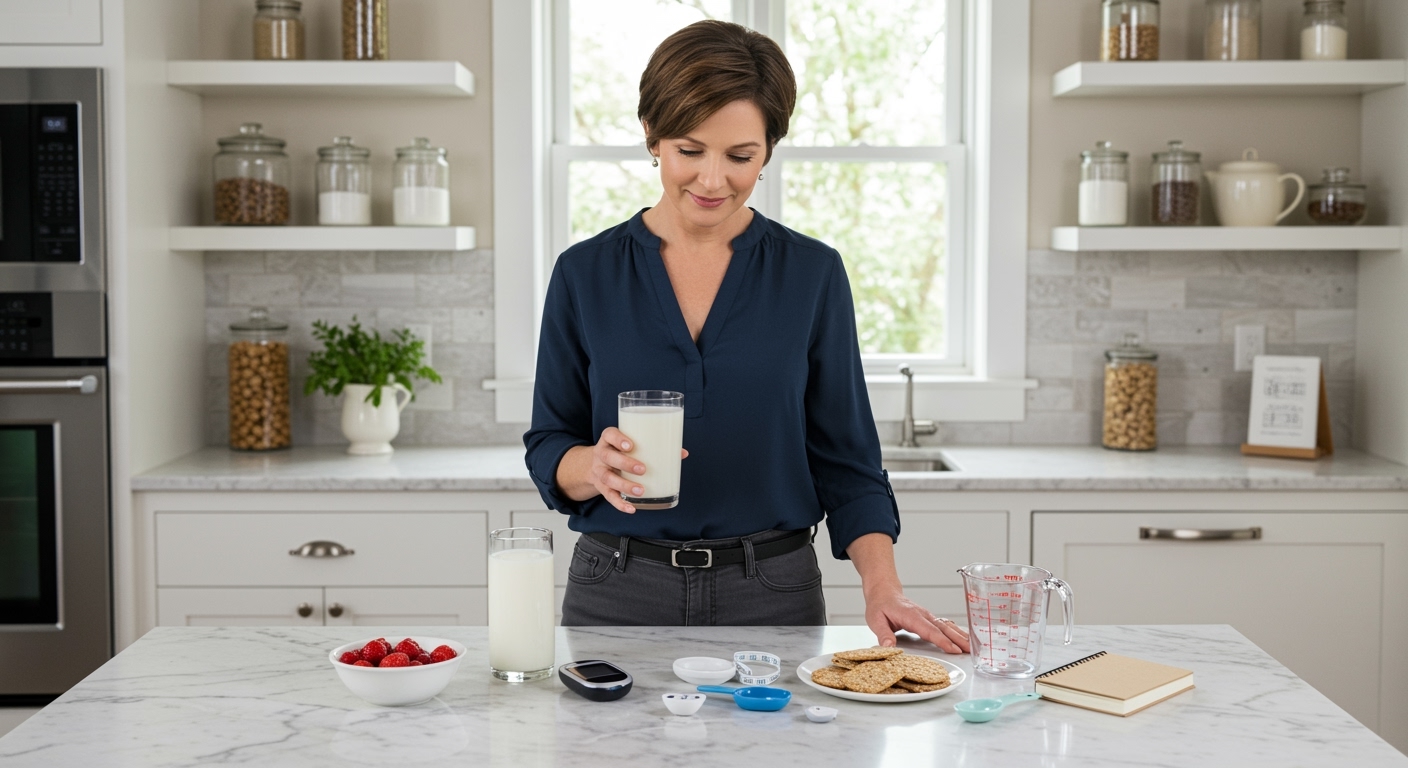
✪ Key Takeaway: Buttermilk can be good for diabetes when consumed in moderation due to its low glycemic index and probiotic content.
Introduction
You have probably heard people say that buttermilk is a miracle drink for diabetes.
You might be asking this question because you want to enjoy a refreshing drink without worrying about blood sugar spikes or because someone told you buttermilk could help control your diabetes naturally.
Hi, I am Abdur, your nutrition coach and today I am going to explain whether buttermilk truly deserves its reputation as a diabetes-friendly beverage and what you need to know before making it part of your daily routine.
What Makes Buttermilk Different From Regular Milk?
Buttermilk is not just regular milk with a different name.
It is actually the liquid left behind after churning butter from cream, or more commonly today, it is made by adding bacterial cultures to low-fat milk.
These bacterial cultures ferment the lactose in milk, which is the natural sugar found in dairy products.
This fermentation process creates lactic acid, which gives buttermilk its tangy taste and thicker consistency.
The fermentation also reduces the lactose content, making it easier to digest for many people.
Traditional buttermilk contains beneficial bacteria called probiotics that support gut health and may influence how your body handles blood sugar.
✪ Fact: One cup of buttermilk contains about 12 grams of carbohydrates, which is similar to regular milk but with added probiotic benefits.
How Does Buttermilk Affect Blood Sugar Levels?
The glycemic index of buttermilk is around 27 to 31, which falls into the low category.
Foods with a low glycemic index cause a slower and more gradual rise in blood sugar compared to high glycemic foods.
This happens because the fermentation process changes the structure of carbohydrates in buttermilk, making them digest more slowly.
The protein content in buttermilk also helps slow down digestion, which prevents rapid spikes in blood glucose.
Research shows that fermented dairy products like buttermilk may improve insulin sensitivity, which means your cells become better at using insulin to absorb glucose from your bloodstream.
However, this does not mean you can drink unlimited amounts without consequences.
The carbohydrates in buttermilk still count toward your total daily carb intake, and drinking too much will eventually raise your blood sugar.
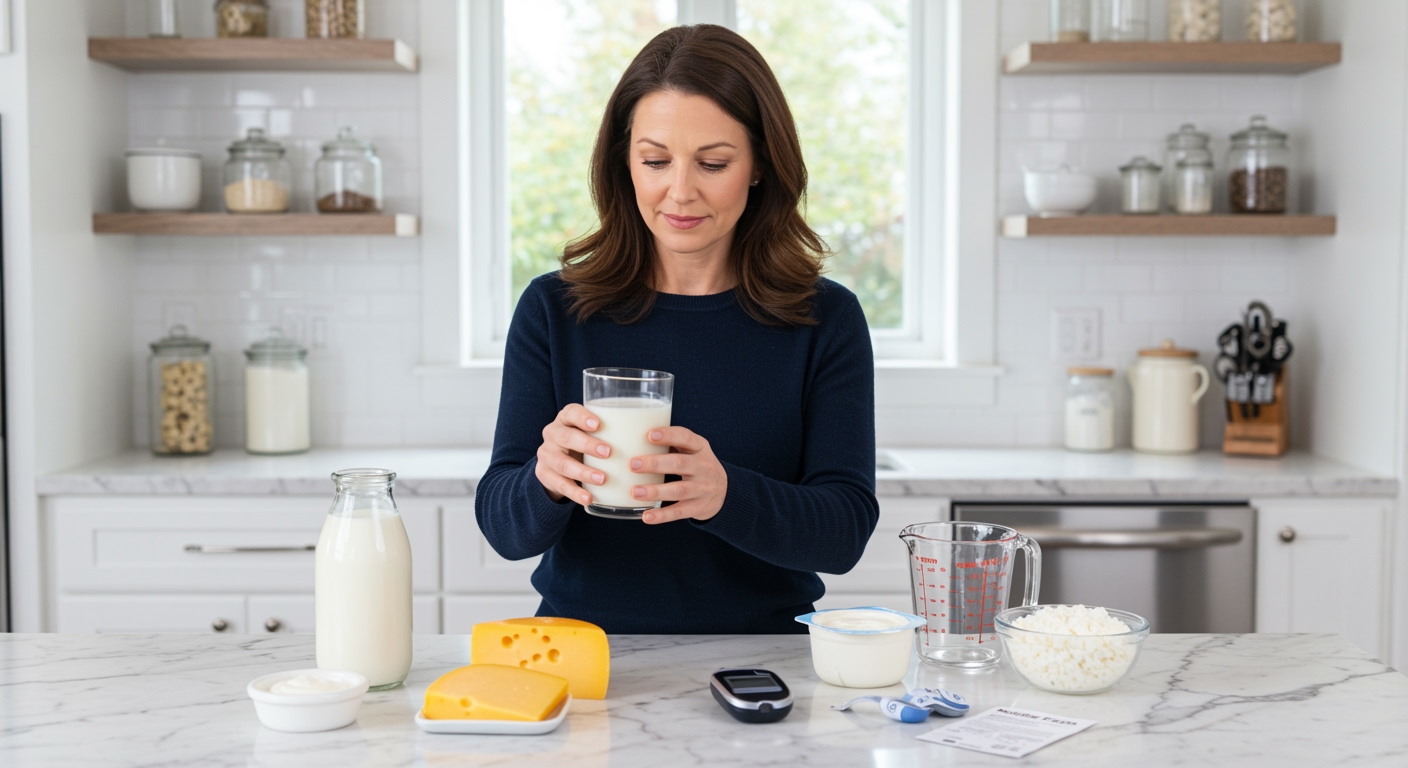
✪ Pro Tip: Test your blood sugar before and two hours after drinking buttermilk to see how your body personally responds to it.
What Are The Actual Benefits Of Buttermilk For Diabetes?
Buttermilk provides several nutritional benefits that can support diabetes management when consumed appropriately.
The probiotics in buttermilk help maintain a healthy gut microbiome, which research suggests plays a role in blood sugar regulation.
A healthy gut can improve how your body processes glucose and may reduce inflammation that contributes to insulin resistance.
Buttermilk is also rich in calcium and vitamin D, nutrients that many people with diabetes are deficient in.
These nutrients support bone health, which becomes especially important since diabetes can increase the risk of bone problems.
The potassium content in buttermilk helps regulate blood pressure, and many people with diabetes also struggle with hypertension.
Buttermilk contains conjugated linoleic acid, a type of fat that may help improve insulin sensitivity and reduce body fat when consumed as part of a balanced diet.
✪ Note: Store-bought buttermilk often contains added salt, so always check the nutrition label if you need to watch your sodium intake.
When Should You Avoid Or Limit Buttermilk?
Not everyone with diabetes will benefit equally from adding buttermilk to their diet.
If you are trying to lose weight, remember that buttermilk still contains calories and carbohydrates that add up quickly.
One cup of low-fat buttermilk has about 98 calories, which might not seem like much, but drinking multiple cups daily can interfere with your weight loss goals.
People with lactose intolerance might still experience digestive discomfort from buttermilk, even though it contains less lactose than regular milk.
If you have kidney disease along with diabetes, the protein and phosphorus in buttermilk could be problematic, and you should consult your doctor before consuming it regularly.
Some commercial buttermilk products contain added sugars or thickeners that can spike blood sugar more than traditional buttermilk.
Always read ingredient lists carefully and choose plain, unsweetened versions whenever possible.
✪ Pro Tip: Make your own buttermilk at home by adding one tablespoon of lemon juice or vinegar to one cup of low-fat milk and letting it sit for 10 minutes.
How Much Buttermilk Is Safe For People With Diabetes?
Portion control matters more than the food itself when managing diabetes.
A safe starting amount is half a cup to one cup of buttermilk per day, preferably consumed with a meal rather than on an empty stomach.
Drinking buttermilk with food helps slow down the absorption of carbohydrates and prevents rapid blood sugar increases.
You should count the carbohydrates in buttermilk as part of your total meal carbs, not as a free food that does not affect blood sugar.
If you notice your blood sugar rising more than 30 to 40 points after drinking buttermilk, you might need to reduce your portion size or pair it with more protein and fiber.
The best time to drink buttermilk is during lunch or as an afternoon snack, avoiding it right before bed since the carbohydrates could affect your fasting blood sugar the next morning.
Remember that individual responses vary, so what works for someone else might not work the same way for you.
✪ Fact: Adding spices like cumin, ginger, or turmeric to buttermilk may provide additional anti-inflammatory benefits without affecting blood sugar.
The Bottom Line
Buttermilk can be a beneficial addition to a diabetes-friendly diet when consumed in appropriate amounts and as part of a balanced meal plan.
The best foods for diabetes are not the ones that claim magical properties but the ones you can enjoy consistently without compromising your blood sugar control.
I would love to hear about your experience with buttermilk and diabetes management, so please share your thoughts, questions, or feedback in the comment section below.
References
At NutritionCrown, we use quality and credible sources to ensure our content is accurate and trustworthy. Below are the sources referenced in writing this article: