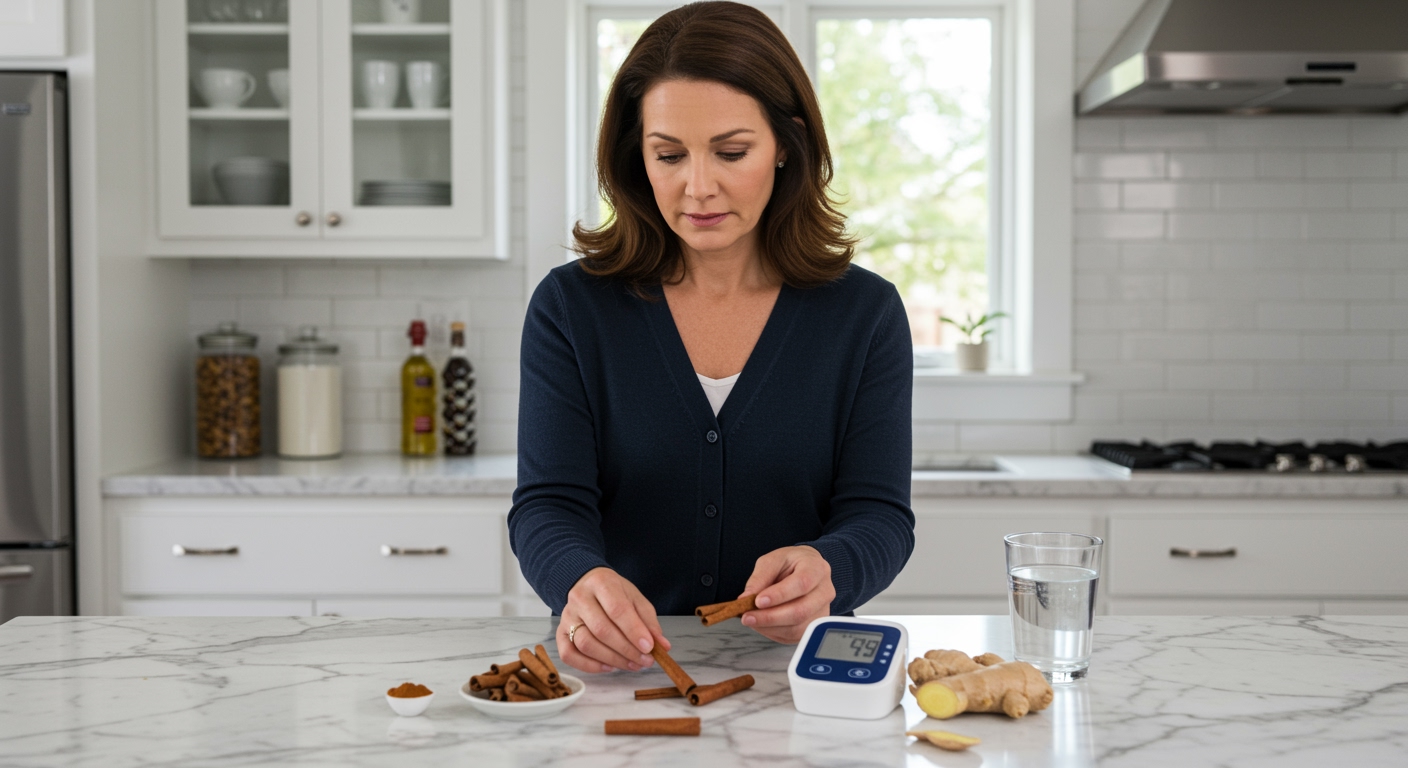
✪ Key Takeaway: Cinnamon may lower blood pressure further, making it potentially risky for people with hypotension or low blood pressure.
Introduction
You sprinkle cinnamon on your morning oatmeal thinking it will boost your health.
But what if you already struggle with low blood pressure and this innocent spice is making things worse?
Hi, I’m Abdur, your nutrition coach and today I’m going to explain whether cinnamon is safe for people with low blood pressure and what you need to know before adding it to your diet.
What Does Cinnamon Actually Do To Your Blood Pressure?
Research shows that cinnamon has blood pressure lowering effects in many people.
Multiple studies demonstrate that cinnamon can reduce both systolic and diastolic blood pressure readings.
The active compounds in cinnamon, particularly cinnamaldehyde and procyanidin, work by relaxing blood vessels and improving blood flow.
These compounds help your blood vessels become more flexible and dilate more easily.
When your blood vessels relax, the pressure inside them naturally decreases.
This mechanism is great for people with high blood pressure but can be problematic for those with already low readings.
✪ Fact: Studies show cinnamon can reduce blood pressure by 5-10 mmHg in some individuals.
Why Low Blood Pressure Makes Cinnamon Risky?
Low blood pressure, or hypotension, occurs when your systolic pressure drops below 90 mmHg or diastolic below 60 mmHg.
People with hypotension already struggle with inadequate blood flow to vital organs like the brain, heart, and kidneys.
Adding cinnamon to your diet could push your blood pressure even lower than safe levels.
This can lead to symptoms like dizziness, fainting, fatigue, and difficulty concentrating.
Your brain needs consistent blood pressure to function properly.
When pressure drops too low, your brain does not get enough oxygen and nutrients.
This creates a dangerous cycle where cinnamon worsens the very problem you are trying to avoid.
✪ Pro Tip: Monitor your blood pressure regularly if you consume cinnamon and have hypotension.
How Much Cinnamon Becomes Dangerous For Hypotension?
The amount of cinnamon that affects blood pressure varies from person to person.
Studies typically use 1-6 grams of cinnamon daily to see blood pressure effects.
One teaspoon of ground cinnamon contains about 2.6 grams of the spice.
This means even small amounts could potentially impact your blood pressure if you have hypotension.
Cinnamon supplements contain much higher concentrations than the spice you sprinkle on food.
These concentrated forms pose a greater risk for people with low blood pressure.
Even regular culinary use of cinnamon could accumulate effects over time if you consume it daily.
✪ Note: Cinnamon supplements can contain 10-20 times more active compounds than culinary cinnamon.
What Should You Do If You Have Low Blood Pressure?
If you have diagnosed hypotension, you should avoid cinnamon supplements completely.
Small amounts of cinnamon in cooking are generally safer but still require careful monitoring.
Talk to your doctor before adding any significant amount of cinnamon to your diet.
Your healthcare provider can help you determine safe limits based on your specific condition.
Instead of cinnamon, focus on foods that naturally support healthy blood pressure levels.
Increase your salt intake slightly, drink more water, and eat smaller frequent meals to help stabilize your blood pressure.
These strategies work better for hypotension than adding potentially problematic spices.
✪ Pro Tip: Keep a food and symptom diary to track how different foods affect your blood pressure.
The Bottom Line
Cinnamon can lower blood pressure, making it potentially dangerous for people with hypotension.
When you have low blood pressure, every food choice matters more than you think because small changes can create big problems.
Share your experiences with cinnamon and low blood pressure in the comments below, and let me know if you have any questions about managing hypotension through diet.
References
At NutritionCrown, we use quality and credible sources to ensure our content is accurate and trustworthy. Below are the sources referenced in creating this article: