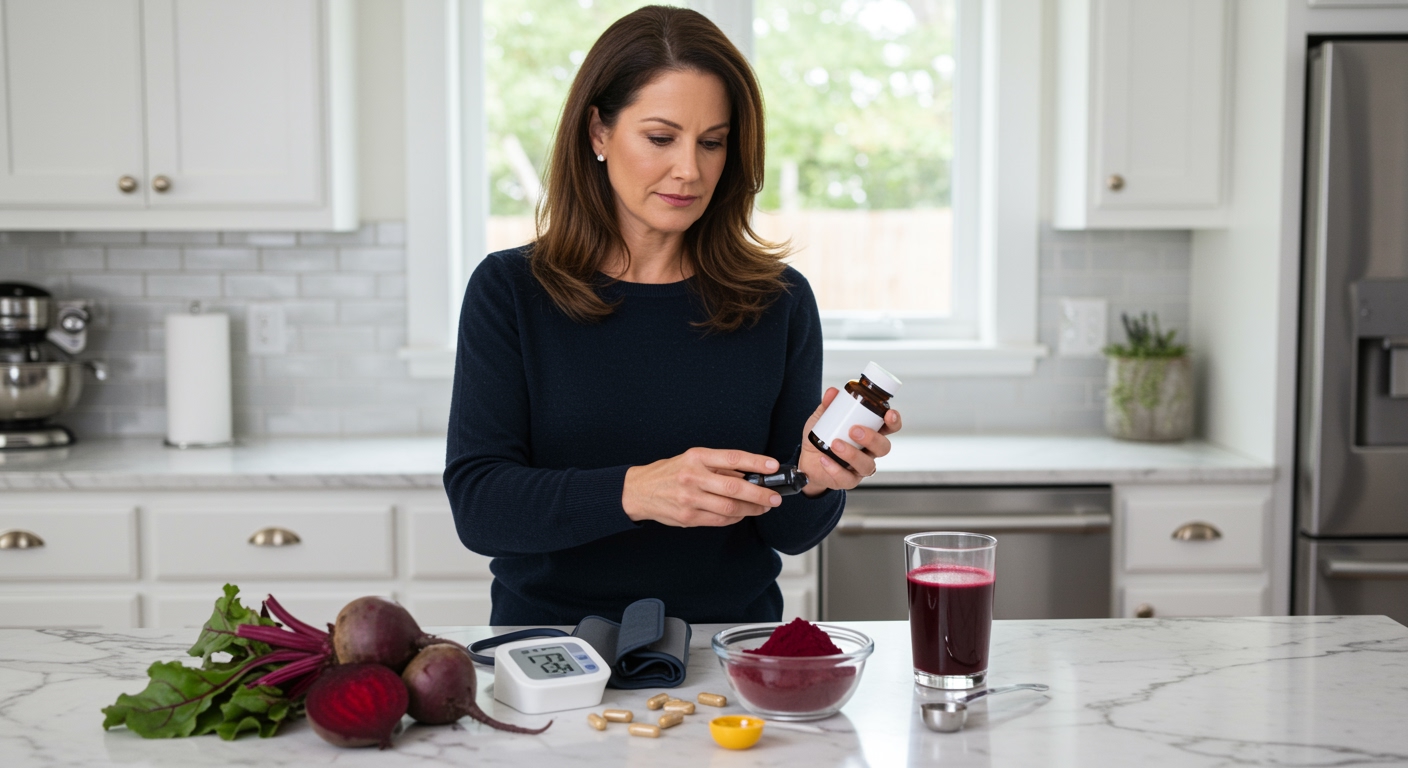
✪ Key Takeaway: Elderberry may help lower blood pressure through antioxidants, but evidence remains limited and inconsistent.
Introduction
Your friend swears elderberry syrup dropped her blood pressure by 10 points.
You might be wondering if this dark purple berry could be the natural solution you have been searching for to manage your cardiovascular health.
Hi, I am Abdur, your nutrition coach and today I am going to explain exactly what science tells us about elderberry and blood pressure.
What Makes Elderberry Special For Heart Health?
Elderberry contains powerful anthocyanins that give the fruit its deep purple color.
These compounds belong to a group called flavonoids, which act as antioxidants in your body.
Research shows anthocyanins can help relax blood vessels by increasing nitric oxide production.
Nitric oxide is a molecule that signals your blood vessels to widen, which can reduce the pressure against your artery walls.
Elderberry also contains potassium, a mineral that helps balance sodium levels in your body.
When potassium levels are adequate, your kidneys can better regulate fluid balance and reduce strain on your cardiovascular system.
✪ Fact: One cup of elderberries provides about 280mg of potassium, roughly 6% of your daily needs.
Does Research Support Elderberry For Blood Pressure?
The scientific evidence for elderberry and blood pressure remains mixed and limited.
Most studies focus on elderberry extract rather than whole berries, making it difficult to apply findings to everyday consumption.
A small study found that elderberry extract improved endothelial function in healthy adults.
Endothelial function refers to how well the inner lining of your blood vessels works to regulate blood flow and pressure.
However, this study lasted only two weeks and included just 34 participants, which limits the reliability of the results.
Other research on similar berries like blueberries and blackcurrants shows more promising results for cardiovascular health.
These studies suggest that regular consumption of anthocyanin-rich berries may contribute to modest blood pressure reductions over time.
✪ Note: Most elderberry research focuses on immune function rather than cardiovascular effects.
How Should You Use Elderberry For Heart Health?
If you want to try elderberry for potential cardiovascular benefits, fresh or frozen berries are your best option.
Whole berries provide fiber, vitamins, and minerals alongside the beneficial anthocyanins.
You can add elderberries to smoothies, yogurt, or oatmeal for a nutritious boost.
Commercial elderberry syrups often contain added sugars, which can counteract any potential cardiovascular benefits.
If you choose supplements, look for standardized extracts that specify anthocyanin content.
Remember that elderberry should complement, not replace, proven blood pressure management strategies like regular exercise and a balanced diet.
Always consult your healthcare provider before using elderberry supplements, especially if you take blood pressure medications.
✪ Pro Tip: Start with small amounts of elderberry to assess your individual tolerance and response.
Are There Any Risks With Elderberry?
Raw elderberries and other parts of the elder plant contain cyanogenic glycosides, which can be toxic.
These compounds break down into hydrogen cyanide when consumed, potentially causing nausea, vomiting, and digestive upset.
Cooking elderberries thoroughly neutralizes these harmful compounds, making them safe to eat.
Commercial elderberry products are typically processed to remove these toxins, but quality can vary between manufacturers.
Some people experience digestive issues even with properly prepared elderberry products.
Elderberry may also interact with certain medications, including immunosuppressants and diabetes medications.
If you have autoimmune conditions, elderberry might stimulate your immune system in ways that could worsen your symptoms.
✪ Note: Never eat raw elderberries, bark, seeds, or leaves from the elder plant.
The Bottom Line
Elderberry shows potential for supporting cardiovascular health through its antioxidant properties, but current evidence is too limited to make strong claims about blood pressure reduction.
The best approach to heart health combines proven strategies with potentially beneficial foods rather than relying on single superfoods for miracles.
I would love to hear about your experiences with elderberry or any questions you might have about natural approaches to blood pressure management in the comments below.
References
At NutritionCrown, we use quality and credible sources to ensure our content is accurate and trustworthy. Below are the sources referenced in creating this article: