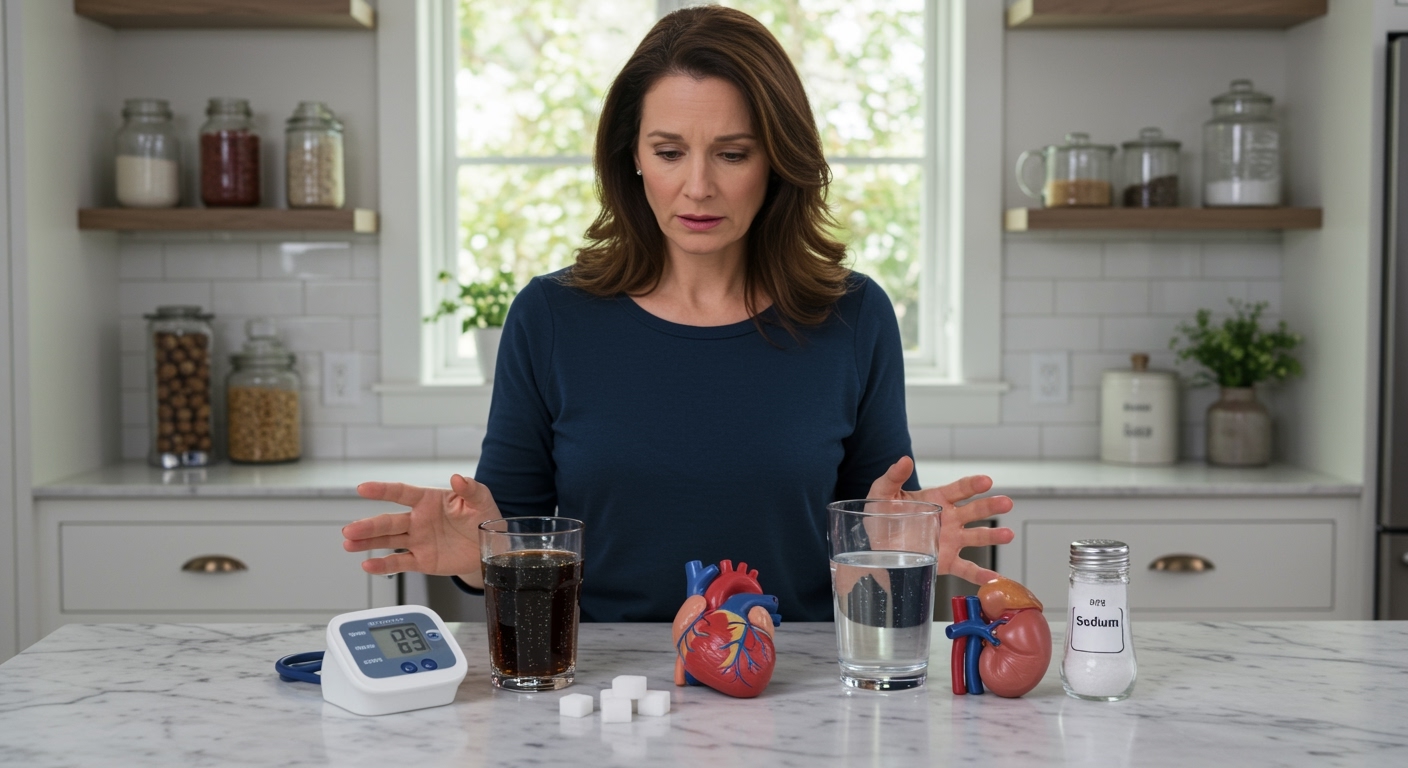
✪ Key Takeaway: Soda temporarily raises blood pressure through sodium and caffeine but causes long-term harm through dehydration and metabolic damage.
Introduction
You reach for a cold soda hoping it might help your low blood pressure, but then you wonder if this fizzy drink is doing more harm than good.
Many people with hypotension believe that soda might provide a quick fix because of its sodium content and caffeine, yet the relationship between soda and blood pressure is far more complex than most realize.
Hi, I am Abdur, your nutrition coach and today I am going to explain how soda affects your low blood pressure, what happens inside your body when you drink it, and whether you should include it in your diet or avoid it completely.
Does Soda Actually Raise Your Blood Pressure?
Soda does raise blood pressure temporarily, but not in the way you might think is helpful for hypotension.
The caffeine in regular soda causes your blood vessels to constrict, which increases blood pressure for a short period, usually lasting about three to four hours.
This happens because caffeine blocks adenosine receptors in your body, which normally help keep your blood vessels relaxed and open.
The sodium in soda also contributes to this temporary rise by causing your body to retain more water, which increases blood volume and pressure.
However, this temporary increase is not a sustainable solution for managing chronic low blood pressure because your body quickly adapts to these effects.
Research shows that regular soda consumption leads to metabolic changes that can actually worsen blood pressure regulation over time rather than improve it.
✪ Fact: A single can of soda contains about 40 milligrams of sodium, which is minimal compared to the 1500 milligrams your body needs daily.
What Happens Inside Your Body When You Drink Soda?
When you drink soda, your body experiences a cascade of metabolic reactions that affect multiple organ systems simultaneously.
Within 20 minutes, the massive amount of sugar in soda causes your blood glucose to spike dramatically, triggering your pancreas to release insulin.
This insulin surge tells your liver to convert excess sugar into fat, which over time contributes to insulin resistance and metabolic syndrome.
The phosphoric acid in soda binds to calcium, magnesium, and zinc in your digestive system, preventing proper absorption of these essential minerals that help regulate blood pressure.
Your kidneys work overtime to filter out the excess sugar and artificial ingredients, which can lead to dehydration because soda acts as a diuretic.
Dehydration reduces your blood volume, which can actually lower blood pressure even further and make your hypotension symptoms worse rather than better.
Studies indicate that people who consume soda regularly show increased markers of inflammation and oxidative stress, both of which damage blood vessel function over time.
✪ Note: Diet soda is not a better alternative because artificial sweeteners can disrupt your gut bacteria and metabolic function just as severely.
Why Does Soda Make Low Blood Pressure Worse Long-Term?
Regular soda consumption creates a vicious cycle that ultimately worsens your ability to maintain healthy blood pressure levels.
The constant blood sugar spikes and crashes from soda disrupt your body’s natural ability to regulate blood pressure through hormonal balance.
Your adrenal glands, which produce hormones like cortisol and aldosterone that help maintain blood pressure, become exhausted from constantly responding to sugar-induced stress.
This condition, often called adrenal fatigue, makes it harder for your body to respond appropriately when your blood pressure drops too low.
The chronic inflammation caused by soda damages the lining of your blood vessels, making them less responsive to the signals that normally help regulate blood flow and pressure.
Research from the Frontiers in Neurology journal shows that high sugar intake is associated with autonomic dysfunction, which means your nervous system loses its ability to properly control cardiovascular responses.
The dehydrating effect of soda reduces your overall blood volume, which is particularly problematic for people with low blood pressure who already struggle with inadequate circulation.
✪ Pro Tip: If you experience dizziness after drinking soda, it is likely due to the rapid blood sugar crash that follows the initial spike.
What Should You Drink Instead For Low Blood Pressure?
The best beverages for managing low blood pressure are those that support hydration, provide essential minerals, and help maintain stable blood sugar levels.
Plain water should be your primary beverage because proper hydration is the foundation of healthy blood volume and circulation.
Adding a pinch of natural sea salt to your water provides sodium and other trace minerals that help your body retain fluid and maintain blood pressure.
Coconut water is an excellent choice because it contains natural electrolytes like potassium, magnesium, and sodium that support cardiovascular function without added sugars.
Herbal teas like licorice root tea can help raise blood pressure naturally by affecting aldosterone levels, though you should consult your doctor before using it regularly.
Fresh vegetable juices made from beets, carrots, and celery provide natural sodium along with nitrates that improve blood flow and vessel function.
If you need caffeine, choose green tea or black coffee in moderation because they provide the blood pressure boost without the harmful sugar load found in soda.
✪ Pro Tip: Drink at least eight glasses of water daily and add an extra glass for every cup of coffee or tea you consume.
Can You Ever Drink Soda With Low Blood Pressure?
The honest answer is that soda should be treated as an occasional indulgence rather than a health strategy for managing low blood pressure.
If you choose to drink soda occasionally, limit it to no more than one small serving per week and never use it as a solution for hypotension symptoms.
The temporary blood pressure increase you might experience is not worth the long-term damage to your metabolic health and cardiovascular system.
When you do drink soda, pair it with a balanced meal that contains protein, healthy fats, and fiber to slow down the sugar absorption and minimize blood sugar spikes.
Never drink soda on an empty stomach or when you are experiencing low blood pressure symptoms like dizziness because the sugar crash will make you feel worse.
Remember that your body does not need soda to function properly, and there are always healthier alternatives that provide the same satisfaction without the health consequences.
✪ Note: If you crave soda regularly, it often indicates underlying blood sugar imbalances or mineral deficiencies that need proper attention.
The Bottom Line
Soda is not a solution for low blood pressure and will cause more problems than it solves if you rely on it regularly.
Your health is built on consistent daily choices, not quick fixes that promise immediate results but deliver long-term damage.
I would love to hear your thoughts on this topic, so please share your questions, experiences, or feedback in the comment section below.
References
At NutritionCrown, we use quality and credible sources to ensure our content is accurate and trustworthy. Below are the sources referenced in writing this article:
- PMC: Sugar-Sweetened Beverage Intake and Cardiovascular Disease
- Frontiers in Neurology: Autonomic Dysfunction and Blood Pressure Regulation
- UH Hospitals: Think Diet Soda Is a Healthy Choice? Think Again
- Scene Health: How Dehydration Can Impact Blood Pressure